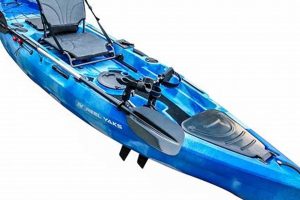
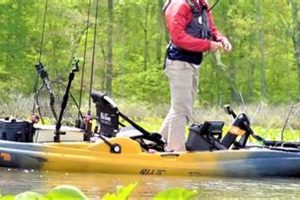
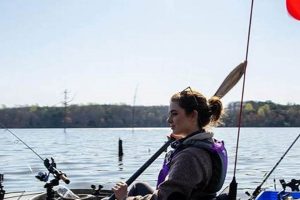
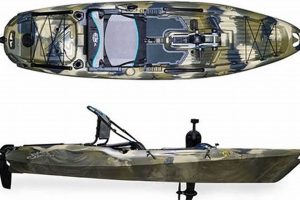
This whitewater park offers recreational opportunities for kayaking and other paddlesports. Typically, such parks are built on rivers, utilizing existing features or engineered structures to create rapids, waves, and other challenges for paddlers of various skill levels. These parks can function as training grounds for competitive athletes and offer a safe and controlled environment for beginners to learn and practice.
Such facilities provide significant economic and social benefits to communities. They can attract tourism, boosting local businesses and creating jobs. They also offer a valuable recreational resource, promoting health, wellness, and community engagement. The historical development of these parks often stems from a communitys desire to revitalize riverfronts and harness the natural resources for recreational purposes. They represent a blend of environmental stewardship and recreational development.
Further exploration could cover topics such as park design, water management, safety regulations, the economic impact on local communities, and the environmental considerations related to river modifications for recreational purposes. The impact of these parks on local ecosystems and the importance of responsible development should also be addressed.
Tips for Whitewater Paddling
Preparation and awareness are crucial for a safe and enjoyable experience in whitewater parks. The following tips offer guidance for paddlers of all skill levels.
Tip 1: Dress Appropriately. Always wear a properly fitted personal flotation device (PFD). Dress in layers of synthetic or quick-drying materials to maintain comfort in varying weather conditions and water temperatures. Avoid cotton clothing.
Tip 2: Check Water Levels and Weather. River conditions can change rapidly. Consult local resources for up-to-date information on water levels, flow rates, and weather forecasts before heading to the park.
Tip 3: Use Appropriate Equipment. Ensure the kayak or paddleboard is suitable for whitewater conditions. A sturdy helmet designed for water sports is essential. Use a paddle appropriate for your height and boat type.
Tip 4: Learn Basic Paddling Techniques. Familiarize oneself with essential paddling strokes and maneuvers, including how to eddy out and ferry across currents. Consider taking a lesson from a certified instructor.
Tip 5: Understand River Features. Learn to identify different river features such as eddies, currents, and hydraulics. Knowing how to read the river is crucial for safe navigation.
Tip 6: Paddle with a Buddy. Never paddle alone in whitewater. A paddling partner can provide assistance in case of an emergency.
Tip 7: Know Your Limits. Choose routes and features appropriate for one’s skill level. Gradually progress to more challenging rapids as skills and confidence develop.
Tip 8: Respect the Environment. Pack out any trash. Be mindful of wildlife and vegetation along the riverbank.
By following these guidelines, paddlers can mitigate risks and maximize their enjoyment of whitewater parks, ensuring a safe and rewarding experience.
These tips contribute to a safer paddling experience. Further information regarding local regulations and specific park features should be sought from relevant authorities and park resources.
1. Location

The location of a whitewater park like Fisher Ford Kayak Park is a critical factor influencing its accessibility, character, and overall success. Understanding the location involves considering geographical context, transportation access, proximity to amenities, and the surrounding natural environment. These elements contribute significantly to the park’s appeal and usability.
- Accessibility
Accessibility encompasses the ease with which users can reach the park. This includes proximity to major roadways, public transportation options, and available parking. A readily accessible location increases potential usage and contributes to the park’s integration within the community. For example, convenient access encourages both local residents and visitors from further afield to utilize the facility, boosting its overall impact.
- Surrounding Environment
The natural environment surrounding the park plays a vital role in the overall experience. Factors such as scenic views, water quality, and the presence of natural habitats contribute to the park’s aesthetic appeal and ecological integrity. Integrating the park harmoniously within the natural landscape enhances user enjoyment and promotes environmental awareness. For instance, a park situated within a scenic river valley offers a more enriching experience than one located in a heavily industrialized area.
- Proximity to Amenities
The availability of amenities near the park contributes to user convenience and satisfaction. Nearby restaurants, restrooms, and lodging options can enhance the overall experience and encourage longer visits. This proximity can also stimulate local businesses and contribute to the economic benefits of the park. A park located near other recreational facilities, such as hiking trails or campgrounds, can further broaden its appeal.
- Geographical Context
The geographical context encompasses the broader landscape and climate of the region. This includes factors such as the river’s characteristics, the surrounding topography, and prevailing weather patterns. These elements shape the types of paddling experiences offered and influence the park’s operational season. For instance, a park located in a mountainous region with a snow-fed river will likely offer a different paddling experience than one located in a more temperate climate with a consistent flow.
These location factors collectively contribute to the unique identity and success of a whitewater park. Careful consideration of these elements is crucial for maximizing the park’s recreational value, economic impact, and environmental sustainability. A well-chosen location enhances the park’s ability to serve as a valuable community resource and destination for paddling enthusiasts.
2. River Features

River features are fundamental to the functionality and appeal of whitewater parks like Fisher Ford Kayak Park. These features, whether naturally occurring or engineered, directly shape the paddling experience. Specific characteristics such as rapids, drops, flow rate, and water depth dictate the challenges and opportunities available to paddlers. Understanding these features is crucial for both park designers and users. For instance, a sequence of strategically placed drops and pools creates a dynamic and engaging course for experienced kayakers, while a gentler, meandering section with riffles and shallows provides a suitable environment for beginners. The interplay of these features creates a diverse range of experiences, catering to various skill levels and paddling styles. Cause and effect relationships are evident; a faster flow rate increases the difficulty of rapids, while strategically placed rocks or structures create eddies and currents that paddlers can utilize for maneuvering.
The careful manipulation or incorporation of existing river features during park development is crucial for achieving specific paddling conditions. Hydraulics, formed by water flowing over submerged obstacles, create predictable waves and holes that paddlers can use for practicing freestyle moves. Eddies, areas of slower-moving water behind rocks or along riverbanks, offer resting spots and opportunities to plan routes. The intentional creation or enhancement of these features allows park designers to tailor the paddling experience to specific user groups. For example, a play wave can be engineered to provide consistent surfing opportunities, while a series of interconnected eddies can offer a challenging slalom course. Understanding the dynamics of these features allows paddlers to anticipate challenges and navigate the park safely and effectively.
In summary, the successful design and utilization of a whitewater park hinges on a thorough understanding of river features. These features, ranging from natural rapids to engineered hydraulics, define the character of the park and the experiences it offers. This understanding is essential for ensuring both user satisfaction and safety. Challenges associated with fluctuating water levels and maintaining feature integrity underscore the importance of ongoing monitoring and adaptive management strategies. The thoughtful integration of river features with park design enhances the overall recreational value and contributes to the broader appeal of these specialized paddling environments.
3. Skill Levels

A key aspect of whitewater parks like Fisher Ford Kayak Park lies in their ability to cater to a range of paddling skill levels. This inclusivity ensures accessibility for a broader audience, from beginners to experienced kayakers. Understanding the skill progression and the features designed for each level enhances both safety and enjoyment. Careful design considerations and clear signage contribute to a positive experience for all users, fostering skill development and promoting responsible park usage.
- Beginner
Beginner areas typically feature calmer water with minimal currents and small riffles. These areas allow novice paddlers to practice fundamental skills such as maneuvering, balance, and basic paddle strokes. Clear signage and readily available instruction contribute to a safe and encouraging learning environment. For example, shallow, flat sections of the park provide ideal locations for beginners to gain confidence and comfort in their boats.
- Intermediate
Intermediate sections introduce moderate rapids and waves, offering challenges for paddlers developing more advanced skills. Features such as small drops and manageable waves allow for practicing eddy turns, ferries, and surfing. These sections bridge the gap between beginner and advanced levels, facilitating progression and skill refinement. An example would be a section with consistent wave trains suitable for practicing basic surfing techniques.
- Advanced
Advanced areas offer challenging features such as larger waves, steeper drops, and complex hydraulics. These sections cater to experienced paddlers seeking to push their limits and refine technical skills. Proper safety precautions and a strong understanding of river dynamics are essential in these areas. A steep, technical rapid with a strong current and complex eddy lines exemplifies an advanced feature.
- Expert
Expert sections present the most demanding features, requiring precise boat control, rapid decision-making, and extensive experience. These areas often involve complex combinations of rapids, holes, and powerful currents. Only highly skilled paddlers with specialized equipment and a thorough understanding of the river should attempt these sections. A multi-stage drop with recirculating holes and powerful hydraulics represents a typical expert-level challenge.
The gradation of skill levels within Fisher Ford Kayak Park, reflected in the design and features offered, contributes significantly to its accessibility and overall appeal. This tiered approach allows paddlers to progress at their own pace, building confidence and enhancing skills in a safe and controlled environment. The clear delineation of these levels through signage and park information promotes responsible usage and minimizes risks. Furthermore, the availability of features catering to all skill levels strengthens the park’s role as a valuable community resource and a destination for paddlers of all abilities. The progression from beginner to expert areas fosters a sense of accomplishment and encourages continued engagement with the sport.
4. Safety Measures

Safety measures are paramount within whitewater parks like Fisher Ford Kayak Park. The dynamic nature of river environments presents inherent risks, necessitating comprehensive safety protocols and user awareness. These measures protect park users, mitigating potential hazards and promoting responsible enjoyment of the facility. Implementing effective safety measures involves a multi-faceted approach encompassing park design, signage, emergency procedures, and user education. For example, clearly marked entry and exit points, combined with signage indicating rapid classifications and safety guidelines, contribute significantly to accident prevention. Regularly inspected and maintained safety equipment, such as throw ropes and rescue gear strategically positioned throughout the park, provides essential resources for responding to emergencies. Furthermore, partnerships with local emergency services ensure rapid response capabilities in critical situations. A well-defined communication system, including readily available emergency contact information and clear protocols for reporting incidents, enables swift and coordinated action.
The effectiveness of safety measures relies heavily on user compliance and responsible behavior. Paddlers must adhere to posted regulations, wear appropriate safety gear, and paddle within their skill level. Pre-trip planning, including checking water levels and weather forecasts, is essential for informed decision-making. Participation in safety training courses and familiarity with self-rescue techniques further enhance paddler preparedness. For instance, understanding how to perform a wet exit and execute a self-rescue in moving water can be crucial in preventing serious incidents. Similarly, respecting other park users and avoiding overcrowded areas contribute to a safer overall environment. Promoting a culture of safety within the paddling community requires ongoing education and awareness campaigns, emphasizing the shared responsibility for maintaining a safe and enjoyable park experience.
Challenges related to safety in whitewater parks include fluctuating river conditions, unpredictable user behavior, and the potential for equipment failure. Addressing these challenges requires ongoing assessment and adaptation of safety protocols. Regularly monitoring river features for changes, updating safety signage, and providing ongoing training for park staff contribute to maintaining a robust safety program. Collaboration with local paddling organizations and experienced users provides valuable insights for identifying potential hazards and improving safety practices. Ultimately, a comprehensive safety program at Fisher Ford Kayak Park relies on a proactive approach, combining robust infrastructure, effective communication, user education, and ongoing evaluation to mitigate risks and ensure a positive and safe experience for all visitors.
5. Community Impact

The presence of a whitewater park like Fisher Ford Kayak Park exerts a multifaceted influence on the surrounding community. Understanding this impact requires considering economic, social, environmental, and recreational dimensions. These interconnected factors contribute to the park’s overall value and its role within the community fabric.
- Economic Growth
Whitewater parks can stimulate local economies through tourism and recreation-related spending. Increased visitor traffic generates revenue for local businesses such as restaurants, lodging providers, and outfitters. Job creation within the park itself and in supporting industries further contributes to economic growth. For example, the development of Fisher Ford Kayak Park could lead to new employment opportunities in park maintenance, instruction, and equipment rentals.
- Community Engagement and Recreation
These parks provide valuable recreational opportunities for residents and visitors, promoting healthy lifestyles and community engagement. The park can become a hub for social interaction, fostering a sense of community pride and ownership. Organized events, competitions, and festivals centered around the park further strengthen community bonds and attract regional participation. For instance, hosting a yearly kayaking competition at Fisher Ford Kayak Park could draw competitors and spectators from surrounding areas, enhancing the park’s visibility and generating local economic activity.
- Environmental Impact
The environmental impact of a whitewater park involves both potential benefits and challenges. While responsible park development can enhance river health and promote ecological awareness, potential impacts on water quality, aquatic life, and riparian habitats must be carefully managed. Sustainable practices, such as incorporating fish ladders and minimizing disruption to natural river flows, are crucial for mitigating negative impacts. For example, careful management of water flow at Fisher Ford Kayak Park can help maintain suitable habitats for local fish populations.
- Tourism and Increased Visibility
Whitewater parks can attract tourists and outdoor enthusiasts, raising the community’s profile and generating positive media attention. This increased visibility can attract further investment and development, contributing to the overall revitalization of the area. Promoting Fisher Ford Kayak Park as a regional paddling destination could attract visitors from a wider geographic area, benefiting local businesses and showcasing the community’s commitment to outdoor recreation.
The interwoven nature of these impacts underscores the complex relationship between Fisher Ford Kayak Park and the surrounding community. The park’s success hinges on balancing economic development with environmental stewardship and community well-being. By thoughtfully managing these interconnected factors, Fisher Ford Kayak Park can become a valuable asset, enriching the community and fostering a vibrant recreational environment.
6. Environmental Considerations
Environmental considerations are integral to the sustainable development and operation of whitewater parks like Fisher Ford Kayak Park. These considerations encompass a range of factors, including water quality, aquatic habitat, riparian ecosystems, and the overall ecological health of the river corridor. Understanding the potential environmental impacts, both positive and negative, is crucial for minimizing disruptions and ensuring the long-term health of the river system. Cause-and-effect relationships are central to this understanding. For example, modifications to river flow for creating whitewater features can alter downstream sediment transport, impacting aquatic habitats. Similarly, increased human activity within the park can lead to erosion and degradation of riparian vegetation if not carefully managed. The importance of environmental considerations as a component of Fisher Ford Kayak Park lies in recognizing the park’s role within the larger ecosystem. The park is not an isolated entity but an integral part of the river system, and its management must reflect this interconnectedness.
Real-life examples illustrate the practical significance of integrating environmental considerations into park planning and operation. The construction of fish ladders or bypass channels around whitewater features mitigates the impact on fish migration. Implementing erosion control measures along riverbanks minimizes sediment runoff and protects water quality. Regular monitoring of water quality parameters, such as dissolved oxygen and temperature, provides valuable data for assessing the park’s environmental impact and informing adaptive management strategies. Restricting access to sensitive riparian areas protects vulnerable vegetation and wildlife habitats. These practical applications demonstrate the tangible benefits of incorporating environmental considerations into park management. For instance, a well-designed fish passage can ensure the continued viability of fish populations while allowing for the creation of recreational whitewater features.
Key insights highlight the importance of a holistic approach to environmental stewardship in whitewater parks. Balancing recreational opportunities with ecological integrity requires careful planning, ongoing monitoring, and adaptive management. Challenges such as invasive species, climate change, and increasing recreational pressures necessitate proactive strategies and community involvement. Addressing these challenges requires collaboration among park managers, environmental agencies, and local stakeholders. The long-term sustainability of Fisher Ford Kayak Park depends on a commitment to minimizing environmental impacts and preserving the ecological health of the river system for future generations. Integrating environmental considerations into every aspect of park planning and operation ensures that the recreational benefits of the park do not come at the expense of the river’s ecological integrity.
Frequently Asked Questions
This section addresses common inquiries regarding whitewater parks, providing concise and informative responses to enhance understanding and promote safe park usage.
Question 1: What are the typical operating hours of a whitewater park?
Operating hours vary depending on the specific park, season, and water levels. Checking the park’s official website or contacting park management is recommended for the most up-to-date information.
Question 2: What safety equipment is required for using a whitewater park?
A properly fitted personal flotation device (PFD) and a helmet designed for water sports are typically required. Specific park regulations may mandate additional safety gear.
Question 3: Are there age restrictions for using a whitewater park?
Age restrictions may apply depending on the specific features within the park and local regulations. Children should always be supervised by a responsible adult.
Question 4: What are the different skill levels catered to in a whitewater park?
Whitewater parks often offer features designed for a range of skill levels, from beginner to expert. Signage and park information typically delineate these areas.
Question 5: How are water levels managed in a whitewater park?
Water levels are often controlled through dams or other water management infrastructure. Natural flow variations can also influence water levels within the park.
Question 6: What is the environmental impact of a whitewater park?
Whitewater parks can have both positive and negative environmental impacts. Responsible park development and operation aim to minimize ecological disruption and enhance river health.
Addressing these common questions provides a foundation for informed decision-making and promotes safe park usage. Consulting specific park resources and adhering to posted regulations ensures a positive and enjoyable experience for all visitors.
Further inquiries specific to Fisher Ford Kayak Park should be directed to the relevant park authorities or management.
Fisher Ford Kayak Park
Fisher Ford Kayak Park represents a confluence of recreation, community engagement, and environmental stewardship. This exploration has highlighted the multifaceted nature of such facilities, encompassing design considerations, user experiences, economic impacts, and ecological implications. From the careful integration of river features to the implementation of comprehensive safety measures, the success of Fisher Ford Kayak Park hinges on a balanced approach that prioritizes both user enjoyment and environmental responsibility. The park’s ability to cater to diverse skill levels, from beginner to expert, underscores its inclusivity and potential to foster a vibrant paddling community.
The enduring value of Fisher Ford Kayak Park lies in its potential to serve as a catalyst for positive change. By fostering community engagement, promoting economic growth, and showcasing the importance of environmental stewardship, the park can inspire future generations to appreciate and protect natural resources. Continued investment in responsible park management and community partnerships will be crucial for realizing the full potential of Fisher Ford Kayak Park and ensuring its enduring legacy as a valuable community asset.