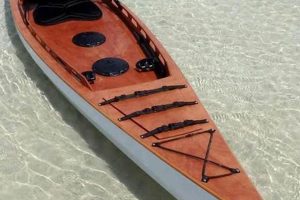
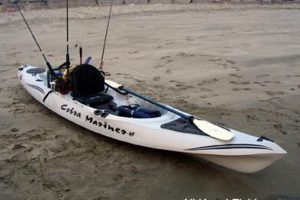
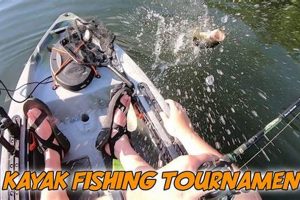
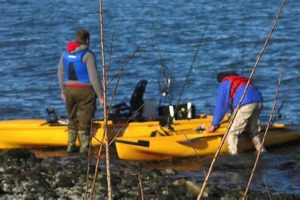
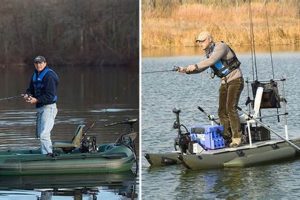
A program dedicated to angling from kayaks typically features experts demonstrating techniques, reviewing equipment, exploring diverse fishing locations, and showcasing catches. Such programs might offer tips on kayak selection, rigging, safety procedures, and strategies for targeting specific fish species. An episode could, for example, focus on fly fishing for trout from a kayak in a mountain lake, detailing the necessary gear modifications and casting techniques unique to this approach.
These programs serve as valuable resources for both novice and experienced kayak anglers. They provide educational content that can improve fishing skills and introduce viewers to new products and destinations. Historically, information sharing among anglers was limited to local communities and print publications. The advent of televised and online fishing programs has broadened access to expert knowledge, fostering a larger and more connected angling community. This growth has spurred innovation in kayak design and fishing equipment tailored specifically for this activity.
This discussion provides a foundational understanding of the subject, paving the way for a deeper exploration of specific aspects like kayak selection, fishing techniques, or popular destinations.
Tips for Kayak Angling
Effective kayak fishing requires careful planning and execution. These tips offer guidance for enhancing angling success and safety on the water.
Tip 1: Stability is Paramount: Choose a kayak designed for stability, especially in challenging conditions. Wider hulls generally offer greater stability than narrower designs. Consider a sit-on-top kayak for easier re-entry after an accidental capsize.
Tip 2: Rigging for Efficiency: Organize fishing gear within easy reach. Rod holders, tackle boxes, and anchor trolleys contribute significantly to an efficient and enjoyable fishing experience. Pre-rigging rods and tackle before launch saves valuable fishing time.
Tip 3: Safety First: Always wear a personal flotation device (PFD). Carry a whistle, signaling mirror, and communication device for emergencies. Check weather forecasts before heading out and inform someone of planned fishing locations and estimated return time.
Tip 4: Paddle Selection: Choose a paddle appropriate for kayak width and individual paddling style. Consider a lightweight, high-angle paddle for efficient strokes and reduced fatigue.
Tip 5: Fish Finder Fundamentals: A fish finder offers invaluable insights into underwater terrain and fish locations. Learn to interpret sonar readings effectively to locate promising fishing spots.
Tip 6: Anchoring Strategies: Employing a proper anchoring system prevents drifting and maintains position in desired fishing areas. Consider using a drift sock or anchor trolley to control kayak movement in currents or wind.
Tip 7: Respect the Environment: Practice catch-and-release whenever possible to conserve fish populations. Adhere to local fishing regulations and dispose of waste responsibly. Avoid disturbing sensitive habitats.
By implementing these strategies, anglers can maximize their chances of success while prioritizing safety and environmental responsibility. These core principles form the basis for enjoyable and productive kayak fishing experiences.
This compilation of tips provides a practical framework for improving kayak fishing proficiency. The following section concludes with essential considerations for a successful outing.
1. Entertainment

Entertainment forms a crucial component of successful kayak fishing programs. Engaging content draws viewership, ensuring the program’s reach and impact. Analyzing the entertainment aspects provides insight into the program’s appeal and effectiveness.
- Visual Storytelling:
Compelling visuals, including scenic locations and exciting catches, capture audience attention. High-quality cinematography showcasing a dramatic fight with a large fish or the tranquil beauty of a remote fishing spot contributes significantly to entertainment value. Effective visual storytelling transports viewers to the on-the-water experience.
- Personalities and Hosts:
Engaging hosts with expertise and relatable personalities enhance the viewing experience. Knowledgeable anglers who can articulate techniques and share their passion for the sport create a connection with the audience. A host’s enthusiasm and charisma can significantly impact a program’s entertainment value.
- Creating Suspense and Excitement:
Building anticipation for a catch or highlighting the challenges of a particular fishing trip adds an element of suspense. Uncertainty about the outcome, whether landing a trophy fish or overcoming difficult conditions, keeps viewers engaged. The thrill of the chase and the eventual triumph or insightful learning experience provides entertainment.
- Humor and Lightheartedness:
Incorporating humor, whether through witty commentary or unexpected events, creates a more enjoyable viewing experience. Lighthearted moments balance the technical aspects of fishing, making the program accessible to a wider audience. Humor can build rapport between the host and the audience, further enhancing engagement.
These entertainment elements work synergistically to create a captivating program that informs and entertains. By blending educational content with engaging storytelling and relatable personalities, kayak fishing programs attract and retain viewership, contributing to the growth and popularity of the sport.
2. Education

Educational content forms a cornerstone of effective kayak fishing programming. Viewers seek to enhance their skills and knowledge, making informative segments crucial for program success. Examining the educational facets reveals the depth and breadth of learning opportunities offered.
- Technique Tutorials:
Detailed demonstrations of casting techniques, knot tying, fish fighting strategies, and kayak maneuvering provide practical instruction. For instance, a program might demonstrate how to execute a backhand cast effectively from a seated position in a kayak or how to use a specific knot for attaching a leader to a fly line. These tutorials equip viewers with actionable skills directly applicable on the water.
- Equipment Reviews and Recommendations:
Analysis of rods, reels, lines, lures, kayaks, and other fishing accessories provides valuable insights for equipment selection. A show might compare different types of fishing kayaks, highlighting their advantages and disadvantages for specific fishing styles. These reviews empower viewers to make informed purchasing decisions based on their individual needs and preferences.
- Species Identification and Behavior:
Learning about different fish species, their habitats, and feeding patterns improves angling success. A program might discuss the migratory patterns of striped bass or the feeding habits of largemouth bass in various environments. Understanding species-specific behavior enables anglers to target fish more effectively.
- Safety Procedures and Best Practices:
Emphasis on safe kayaking practices, including proper PFD usage, navigation techniques, and emergency preparedness, promotes responsible angling. A show might dedicate a segment to cold-water safety procedures or demonstrate self-rescue techniques for kayak anglers. This focus on safety equips viewers with essential knowledge to mitigate risks and ensure enjoyable fishing experiences.
These educational facets, interwoven with entertainment elements, create a compelling learning experience for viewers. By providing practical instruction, equipment insights, species knowledge, and safety guidance, kayak fishing programs elevate angler skill and promote responsible fishing practices. This educational foundation contributes significantly to the growth and sustainability of the sport.
3. Exploration

Exploration represents a significant element within kayak fishing programs, driving interest and expanding angling horizons. The allure of discovering new fishing locations and the challenge of unfamiliar waters resonates deeply with viewers. This focus on exploration contributes substantially to the genre’s appeal and offers practical benefits for anglers.
Kayak fishing programs often showcase diverse locations, ranging from remote mountain lakes to coastal estuaries and expansive reservoirs. Presenting these varied environments introduces viewers to new fishing opportunities beyond their familiar waters. For example, a program might feature kayak fishing for peacock bass in the Amazon rainforest or exploring hidden coves in the Pacific Northwest for rockfish. This exposure inspires viewers to seek out new adventures and broaden their angling experiences. Furthermore, the exploration aspect promotes environmental awareness by showcasing the beauty and fragility of diverse aquatic ecosystems. Witnessing pristine environments firsthand fosters a sense of stewardship and encourages responsible fishing practices.
The practical significance of this exploration theme extends beyond the vicarious thrill of discovery. Programs often provide valuable information about accessing new locations, including launch points, local regulations, and potential hazards. This practical guidance empowers viewers to plan their own exploratory fishing trips. Moreover, the exposure to different fishing techniques and strategies employed in diverse environments enhances angling versatility and adaptability. By witnessing how experienced anglers approach unfamiliar waters, viewers gain valuable insights applicable to their own fishing endeavors. Ultimately, the exploration theme within kayak fishing programs fosters a spirit of adventure, expands angling knowledge, and promotes environmental awareness, enriching the overall experience for viewers and contributing to the growth of the sport.
4. Community Building

Kayak fishing programs contribute significantly to community building among anglers. These programs serve as a virtual gathering place, connecting individuals with shared interests and fostering a sense of camaraderie. This community aspect enhances the overall viewing experience and extends beyond the screen, impacting the broader angling landscape. For example, online forums and social media groups dedicated to specific programs allow viewers to discuss episodes, share fishing tips, and arrange on-the-water meetups. This interaction creates a network of support and encouragement among anglers of varying skill levels. The sense of belonging fostered by these online and offline communities strengthens the bond among anglers, promoting mentorship and knowledge sharing.
The importance of community building as a component of kayak fishing programs stems from its ability to create a positive feedback loop. Viewers learn from experts and fellow anglers, enhancing their skills and enjoyment of the sport. This increased engagement leads to greater participation in online discussions and local fishing events. The resulting growth in the kayak fishing community benefits both individual anglers and the industry as a whole. For instance, local kayak fishing clubs often organize tournaments and conservation initiatives, strengthening the community’s impact on local waterways and fisheries management. This collective action underscores the practical significance of community building in promoting responsible angling practices and environmental stewardship.
In summary, kayak fishing programs cultivate a sense of community among anglers by facilitating communication, knowledge sharing, and shared experiences. This community building aspect not only enhances the enjoyment of the sport but also contributes to its growth, sustainability, and positive impact on the environment. Addressing potential challenges, such as fostering inclusivity within online communities, remains crucial for ensuring that these platforms continue to serve as valuable resources for all anglers. Connecting this community building aspect to the broader theme of kayak fishing highlights the interconnectedness of entertainment, education, and social interaction within this rapidly growing segment of the angling world.
5. Product Promotion

Product promotion plays a significant role in the landscape of kayak fishing programs. These programs offer a platform for showcasing fishing gear, kayaks, and related accessories to a targeted audience of angling enthusiasts. Understanding the nuances of product promotion within this context reveals its influence on both viewer purchasing decisions and the evolution of fishing technology.
- Sponsor Integration:
Sponsorships often underpin the production of kayak fishing programs. Program segments might feature specific brands of kayaks, rods, reels, or other equipment, demonstrating their use in real-world fishing scenarios. For example, a host might discuss the advantages of a particular kayak’s stability while navigating challenging waters or highlight the sensitivity of a specific fishing rod when detecting subtle bites. This integration subtly promotes the sponsor’s products within the context of the program’s content.
- Gear Reviews and Comparisons:
Detailed reviews and comparisons of different fishing products offer viewers valuable insights for making informed purchasing decisions. Programs might dedicate segments to analyzing the performance characteristics of various fishing reels, comparing their drag systems, line capacity, and retrieval rates. These objective assessments provide viewers with data-driven information to guide their equipment choices.
- Destination Spotlights and Tourism Promotion:
Showcasing specific fishing destinations can indirectly promote tourism and related industries. A program featuring kayak fishing in a particular region might highlight local lodging options, guiding services, or tackle shops. This exposure encourages viewers to explore new fishing locations and contributes to the economic growth of those areas.
- Emerging Technologies and Innovation:
Kayak fishing programs often serve as a launchpad for showcasing emerging technologies and innovations within the fishing industry. A program might feature a segment on the latest advancements in fish-finding sonar or demonstrate the use of drone technology for scouting fishing locations. This exposure to cutting-edge equipment fuels consumer interest and drives the development of new fishing products.
These various facets of product promotion within kayak fishing programs demonstrate its multifaceted influence on the sport. While generating revenue for program production, product promotion also informs viewers about available equipment, influences purchasing decisions, and drives innovation within the fishing industry. Furthermore, the promotion of specific fishing destinations contributes to the economic growth of local communities. Analyzing these interconnected elements provides a comprehensive understanding of the role and impact of product promotion within the broader context of kayak fishing programs.
Frequently Asked Questions
This section addresses common inquiries regarding angling from kayaks, providing concise and informative responses.
Question 1: What type of kayak is best suited for fishing?
Kayak selection depends on individual needs and fishing styles. Sit-on-top kayaks offer stability and ease of re-entry after a capsize, making them suitable for beginners. Sit-inside kayaks provide greater protection from the elements and enhanced paddling efficiency, appealing to more experienced anglers. Specific features like rod holders, anchor trolleys, and storage compartments enhance fishing functionality. Hull design considerations include stability, maneuverability, and tracking performance. Wider hulls generally offer greater stability, while longer, narrower hulls track more efficiently in open water.
Question 2: What essential safety precautions should one take when kayak fishing?
Prioritizing safety is paramount. Always wear a personal flotation device (PFD). Carry essential safety gear, including a whistle, signaling mirror, and communication device. Check weather forecasts before departing and inform someone of planned fishing locations and expected return time. Understanding self-rescue techniques and practicing them in a controlled environment enhances preparedness for unexpected situations.
Question 3: What basic fishing equipment is recommended for kayak angling?
Essential equipment includes a fishing rod and reel appropriately sized for target species. A selection of lures, hooks, lines, and weights tailored to the fishing environment and target species is crucial. A landing net assists in safely retrieving fish. Additional accessories like rod holders, tackle boxes, and an anchor trolley enhance organization and efficiency.
Question 4: How does one locate productive fishing spots from a kayak?
Locating fish requires understanding fish behavior and habitat preferences. Fish congregate around structures like submerged logs, rocks, and vegetation. Changes in depth and water temperature also influence fish distribution. Utilizing a fish finder can significantly improve the ability to identify promising fishing areas. Observing bird activity and surface disturbances can provide clues about fish locations.
Question 5: What are the advantages of fishing from a kayak compared to other methods?
Kayaks offer unique advantages, granting access to shallow, secluded waters often inaccessible to larger boats. Their quiet operation minimizes disturbance to fish, enhancing stealth and fishing success. Kayak fishing provides a closer connection to nature and offers a physical challenge, appealing to those seeking an active angling experience. The relatively low cost of entry compared to motorized boats makes kayak fishing an accessible option for many anglers.
Question 6: How can one minimize environmental impact while kayak fishing?
Practicing catch-and-release whenever possible helps conserve fish populations. Properly disposing of fishing line and other waste prevents pollution and protects aquatic ecosystems. Adhering to local fishing regulations ensures sustainable fishing practices. Avoiding disturbing sensitive habitats, such as nesting areas or spawning grounds, minimizes ecological impact.
This FAQ section provides fundamental insights into kayak angling. Understanding these key aspects prepares individuals to pursue this rewarding activity safely and responsibly.
The subsequent section explores advanced techniques for maximizing kayak fishing success.
The Kayak Fishing Show
This exploration has provided a comprehensive overview of programs dedicated to kayak angling. Key aspects, including entertainment value derived from visual storytelling and engaging hosts, educational benefits encompassing technique tutorials and equipment reviews, and the exploration of diverse fishing locations, contribute to the genre’s appeal. Furthermore, the analysis highlighted the significant role of community building among anglers and the impact of product promotion within these programs. Understanding these interconnected elements provides a nuanced perspective on the influence and reach of such media within the angling community and beyond.
The continued evolution of kayak fishing programs promises further innovation in content delivery and integration with emerging technologies. As angler interest grows and technological advancements continue, these programs will likely play an increasingly important role in shaping the future of the sport, fostering community engagement, and promoting responsible angling practices. This exploration serves as a foundational understanding, encouraging further investigation into the dynamic landscape of kayak fishing media and its enduring impact on the angling world.