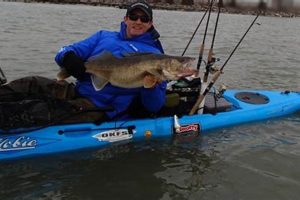
Competitive angling events held in the Golden State specifically for participants using kayaks offer a unique blend of sport and nature. These events typically involve anglers competing to catch the largest or most fish within set species and size limits, often using specialized equipment and techniques adapted for kayak angling. A typical competition might see participants paddling out onto a designated body of water, casting lines from their kayaks, and vying for prizes based on their catches.
These competitions contribute to the growing popularity of kayak angling, fostering a sense of community among enthusiasts while promoting conservation awareness and responsible fishing practices. They provide opportunities for seasoned anglers to test their skills against others and offer newcomers a chance to learn from experienced participants. The unique challenges presented by fishing from a kayak stability, maneuverability, and limited storage add another layer of complexity and excitement to these events. Moreover, these tournaments often contribute to local economies through tourism and support of related businesses.
This article will further explore various aspects of competitive kayak angling in California, including popular tournament locations, species targeted, essential gear and techniques, tournament formats and rules, and the burgeoning community surrounding this exciting sport.
Tips for Competitive Kayak Angling in California
Success in competitive kayak fishing requires careful preparation and strategic execution. The following tips offer valuable insights for anglers seeking to improve their performance.
Tip 1: Master Kayak Control: Proficiency in maneuvering a kayak, especially in varying water and weather conditions, is paramount. Practice paddling, turning, and positioning the kayak efficiently to maximize fishing opportunities.
Tip 2: Optimize Tackle and Gear: Select rods, reels, lures, and lines specifically suited to the target species and the environment. Consider lightweight, compact gear that is easily accessible from a kayak. A well-organized tackle system can save valuable time during competition.
Tip 3: Understand Target Species: Thorough knowledge of the target species’ behavior, feeding patterns, and preferred habitats is crucial. Researching local fishing reports and consulting experienced anglers can provide valuable insights.
Tip 4: Pre-Fish the Location: If possible, scouting the competition location prior to the event allows anglers to identify productive areas, potential hazards, and optimal approaches. This pre-fishing can provide a significant competitive edge.
Tip 5: Prioritize Safety: Wearing a personal flotation device (PFD) and carrying essential safety equipment, such as a whistle, signaling device, and first-aid kit, are crucial for personal safety. Checking weather forecasts and being aware of water conditions is also essential.
Tip 6: Practice Catch and Release Techniques: Proper handling and release techniques minimize stress on the fish and contribute to the sustainability of the fishery. Familiarize yourself with recommended practices for the target species.
Tip 7: Stay Updated on Regulations: Ensure compliance with all current fishing regulations, including licensing requirements, size and bag limits, and permitted fishing methods.
By focusing on these key areas, anglers can significantly enhance their competitive edge and overall enjoyment of kayak fishing tournaments.
These tips provide a foundation for a successful and rewarding experience in competitive kayak angling. The following sections will delve deeper into specific aspects of tournament preparation and strategy.
1. Competition Venues
Competition venues play a pivotal role in shaping the character and challenges of kayak fishing tournaments in California. The diverse aquatic landscapes of the state, from the placid waters of Lake Shasta to the dynamic currents of San Francisco Bay, offer a wide range of tournament settings. Each venue presents unique conditions that influence target species, fishing techniques, and overall tournament strategy. For example, tournaments held in clear, shallow lakes may favor sight fishing techniques, while those in deeper, murky reservoirs might necessitate reliance on sonar and bottom-fishing tactics. Coastal venues introduce tidal currents, wave action, and proximity to kelp forests, demanding specialized kayak handling skills and knowledge of nearshore ecosystems.
The selection of a competition venue directly impacts the logistical aspects of a tournament. Accessibility, parking availability, launch facilities, and proximity to amenities like restrooms and weigh-in stations are critical considerations. The venue’s ecological characteristics, including water temperature, clarity, and prevailing forage species, influence the abundance and behavior of target fish. Venues with thriving ecosystems and diverse fish populations tend to attract larger tournament participation and offer a more rewarding angling experience. Understanding the nuances of each venue, such as prevalent underwater structures, vegetation patterns, and seasonal fish movements, empowers anglers to develop effective pre-fishing strategies and gain a competitive edge.
Choosing an appropriate venue is crucial for balancing competitive challenges with angler safety and environmental stewardship. Organizers must carefully assess potential hazards, such as strong currents, boat traffic, and exposed shorelines, and implement appropriate safety measures. Selecting venues with established conservation programs and promoting responsible fishing practices contributes to the long-term health of California’s fisheries. Careful venue selection ensures a fair and enjoyable competition while minimizing environmental impact and fostering a culture of responsible angling.
2. Target Species

Target species selection significantly influences the structure, strategy, and overall experience of kayak fishing tournaments in California. The chosen species dictates appropriate fishing techniques, gear selection, and even the optimal tournament location. Understanding the characteristics and behavior of commonly targeted species is essential for competitive success and responsible angling practices.
- Species-Specific Regulations:
California imposes specific regulations on various fish species, including size limits, bag limits, and permitted fishing methods. Tournament organizers must adhere to these regulations when selecting target species and designing tournament rules. For example, a tournament targeting rockfish must comply with current rockfish regulations, potentially influencing the season, location, and allowable gear. Knowledge of these regulations is essential for both participants and organizers to ensure legal compliance and promote sustainable fishing practices.
- Habitat Preferences and Fishing Techniques:
Different species exhibit distinct habitat preferences, influencing angler strategies and kayak positioning during tournaments. Spotted bass, for example, often congregate near submerged structures, requiring anglers to utilize precise casting techniques from their kayaks. Halibut, on the other hand, prefer sandy bottom areas, necessitating drifting or slow trolling methods. Understanding these habitat preferences allows anglers to select appropriate lures, tackle, and fishing techniques to maximize their chances of success.
- Tournament Format and Scoring:
The target species often dictates the tournament format and scoring system. Tournaments focused on large, solitary species like halibut may emphasize individual weight or length measurements. Events targeting schooling fish, such as spotted bass, might utilize a combined weight format based on multiple catches. Photo-based tournaments, increasingly popular for catch-and-release practices, rely on clear images of the target species for identification and measurement. The choice of scoring system impacts angler strategies, emphasizing either individual trophy catches or consistent multiple catches.
- Conservation Considerations:
Selecting robust and sustainable fish populations as target species promotes responsible angling practices. Targeting overfished or vulnerable species can negatively impact the local ecosystem. Tournament organizers often prioritize species with healthy populations and implement catch-and-release protocols to minimize stress on the fish and contribute to conservation efforts. Choosing appropriate target species aligns tournament goals with broader environmental stewardship objectives.
By carefully considering target species characteristics, regulations, and conservation status, kayak fishing tournaments in California can provide both a challenging competitive experience and contribute to the sustainable management of the state’s valuable fisheries. The interplay between target species and tournament structure emphasizes the importance of ecological awareness and responsible angling within this growing sport.
3. Regulations & Permits
Regulations and permits form the backbone of sustainable and legally compliant kayak fishing tournaments in California. Adherence to these established rules ensures the long-term health of fish populations, protects sensitive aquatic ecosystems, and promotes fair competition. Understanding and complying with these regulations is not merely a formality but a crucial responsibility for all tournament participants and organizers. Failure to comply can result in penalties, disqualification from the tournament, and damage to the reputation of the sport.
Specific regulations govern various aspects of kayak fishing tournaments, including licensing requirements, size and bag limits for target species, permitted fishing methods, and designated fishing areas. For instance, California requires all anglers over the age of 16 to possess a valid fishing license. Tournaments targeting specific species, such as salmon or steelhead, may necessitate additional endorsements or permits. Size and bag limits dictate the minimum size and maximum number of fish that can be legally retained, promoting the conservation of younger fish and preventing overfishing. Regulations also dictate permissible fishing methods, potentially restricting the use of certain types of gear or bait. Designated Marine Protected Areas (MPAs) further restrict fishing activities in specific locations to safeguard sensitive habitats. Tournament organizers bear the responsibility of ensuring all participants are aware of and comply with these complex regulations.
The practical significance of understanding and complying with regulations and permit requirements cannot be overstated. Tournament organizers must integrate these regulations into tournament rules and communicate them clearly to participants. Pre-tournament briefings, informational materials, and readily available resources outlining relevant regulations enhance angler awareness and promote compliance. Effective communication minimizes the risk of unintentional violations and fosters a culture of responsible angling within the competitive environment. Ultimately, adherence to regulations safeguards California’s aquatic resources and ensures the longevity of kayak fishing tournaments as a sustainable and respected sport.
4. Kayak & Gear

Specialized kayak and gear selection plays a crucial role in competitive kayak fishing tournaments in California. The right equipment significantly impacts angler performance, comfort, and safety. Choosing appropriate gear tailored to the specific demands of tournament fishing enhances an angler’s ability to navigate diverse water conditions, efficiently target species, and ultimately, achieve competitive success.
- Kayak Selection:
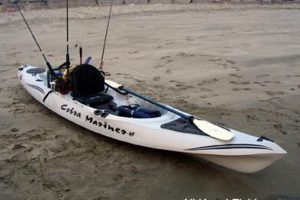
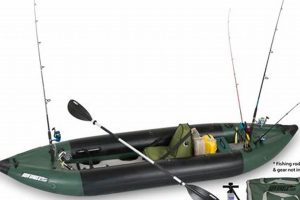
Kayak choice hinges on several factors, including stability, maneuverability, and storage capacity. Longer, narrower kayaks offer speed and tracking for covering larger bodies of water, while shorter, wider kayaks provide enhanced stability for sight fishing in calmer conditions. Sit-on-top kayaks are generally preferred for their self-bailing capabilities and ease of entry and exit. Features such as rod holders, anchor trolleys, and integrated fish finders further enhance the kayak’s fishing functionality.
- Paddle Selection:
Efficient paddling is essential for covering distance, maneuvering in tight spots, and maintaining position against wind or current. Lightweight paddles with adjustable blade angles maximize paddling efficiency and reduce fatigue. Choosing the correct paddle length based on the angler’s height and kayak width further optimizes performance.
- Fishing Gear:
Rods, reels, lines, and lures should be selected based on the target species and fishing techniques employed. Lightweight yet durable rods and reels paired with appropriate line strength are essential. Lure selection depends on the target species’ feeding habits and the prevailing water conditions. A well-organized tackle system within easy reach is crucial for efficient lure changes and maximizing fishing time.
- Safety and Comfort:
Personal flotation devices (PFDs) are mandatory and essential for angler safety. Additional safety equipment, such as a whistle, signaling device, and first-aid kit, is highly recommended. Comfort items, including a well-padded seat, sun protection, and appropriate clothing, contribute to angler well-being and endurance during long tournament hours.
The interplay between kayak selection, specialized gear, and angler performance highlights the importance of equipment optimization in competitive kayak fishing. Strategic gear choices tailored to the specific challenges of California’s diverse fishing environments significantly enhance angler effectiveness, contributing to both competitive success and overall enjoyment of the sport.
5. Tournament Formats
Tournament formats significantly shape the competitive landscape of kayak fishing in California. Different formats emphasize various skills and strategies, influencing angler preparation and overall tournament dynamics. Understanding the nuances of common tournament formats provides insight into the competitive priorities and challenges inherent in each.
Common formats include catch-and-release, weight-based, and photo-based competitions. Catch-and-release tournaments, increasingly popular for conservation reasons, prioritize fish handling skills and efficient release practices. Anglers document their catches through photographs or measurements before promptly releasing the fish. Weight-based tournaments, a traditional format, focus on landing the heaviest fish within designated species categories. This format often incentivizes targeting larger, trophy-sized fish. Photo-based tournaments, gaining traction for their ease of administration and reduced handling stress on fish, require anglers to submit photographic evidence of their catches, often alongside a designated identifier. Each format presents unique challenges, requiring anglers to adapt their strategies and equipment accordingly. For instance, a catch-and-release format necessitates efficient handling and release tools, while a weight-based competition might favor heavier tackle capable of landing larger fish.
The choice of tournament format reflects broader trends within the sport, such as an increasing emphasis on conservation and ethical angling practices. Catch-and-release formats minimize the impact on fish populations while maintaining the competitive element. The format also influences the overall tournament experience, impacting logistical considerations such as weigh-in procedures or photo submission processes. Ultimately, the chosen format shapes the competitive priorities, influencing angler strategies, equipment choices, and the overall character of kayak fishing tournaments in California.
6. Safety Procedures

Safety procedures are paramount in kayak fishing tournaments held in California. The inherent risks associated with on-water activities, combined with the competitive nature of tournaments, necessitate a comprehensive approach to safety planning and execution. Prioritizing safety ensures participant well-being, fosters responsible angling practices, and contributes to the overall success of these events. Neglecting safety protocols can lead to accidents, injuries, and damage to the reputation of the sport.
- Personal Flotation Devices (PFDs):
Wearing a properly fitted and U.S. Coast Guard-approved PFD is non-negotiable. PFDs provide essential buoyancy in the event of capsizing or accidental immersion, significantly increasing the chances of survival. Even strong swimmers can experience difficulties in cold water or challenging conditions. Consistent PFD use throughout the tournament, regardless of perceived swimming ability, is a fundamental safety requirement.
- Communication Equipment:
Carrying reliable communication devices, such as a VHF radio, cell phone in a waterproof case, or a personal locator beacon (PLB), enables anglers to contact tournament organizers or emergency services in case of distress. Clear communication protocols established before the tournament ensure efficient response in emergencies. Regular communication checks throughout the event further enhance participant safety.
- Weather Awareness and Monitoring:
Checking weather forecasts before and during the tournament is crucial for anticipating changing conditions. Sudden shifts in wind, fog, or water temperature can create hazardous situations for kayakers. Tournament organizers should establish clear protocols for suspending or postponing events in the event of inclement weather. Participants should also exercise personal judgment and prioritize safety over competitive pursuits.
- Kayak Safety Equipment:
Equipping kayaks with essential safety gear enhances preparedness for unexpected situations. A whistle, signaling device (such as a mirror or flare), bilge pump, paddle leash, and basic first-aid kit are essential additions. Regularly inspecting kayak integrity for leaks or damage further mitigates potential risks. Understanding basic kayak self-rescue techniques, such as re-entering a capsized kayak, also enhances angler safety.
Integrating these safety procedures into the framework of kayak fishing tournaments in California cultivates a culture of responsible angling and risk mitigation. Prioritizing safety not only protects individual participants but also contributes to the long-term sustainability and positive image of the sport. A proactive and comprehensive approach to safety planning ensures that these competitive events remain enjoyable and secure for all involved.
Frequently Asked Questions about Kayak Fishing Tournaments in California
This FAQ section addresses common inquiries regarding competitive kayak angling in California, providing concise and informative responses.
Question 1: What are the typical entry fees for kayak fishing tournaments in California?
Entry fees vary depending on the tournament’s scope, duration, and prize structure. Fees can range from modest amounts for local events to higher sums for larger, multi-day competitions with substantial prize pools.
Question 2: Are there specific licensing requirements for participating in these tournaments?
A valid California fishing license is mandatory for all participants over the age of 16. Specific endorsements may be required depending on the target species, such as a saltwater enhancement stamp or a report card for certain species.
Question 3: What types of kayaks are best suited for tournament fishing?
Sit-on-top kayaks are generally preferred for their stability, self-bailing capabilities, and ease of entry and exit. Kayaks designed specifically for fishing often feature integrated rod holders, anchor trolleys, and ample storage space. Kayak selection should consider the specific fishing environment and target species.
Question 4: How are tournament results typically determined?
Tournament scoring varies depending on the format. Common methods include total weight of fish caught, length-based measurements, or a combination of both. Catch-and-release tournaments utilize photo or video submissions for scoring, emphasizing conservation practices.
Question 5: What safety precautions are essential for tournament participants?
Wearing a U.S. Coast Guard-approved personal flotation device (PFD) is mandatory. Carrying a whistle, signaling device, VHF radio, and a basic first-aid kit are also strongly recommended. Checking weather forecasts and being aware of water conditions are essential safety practices.
Question 6: How can one find information about upcoming kayak fishing tournaments in California?
Information regarding upcoming tournaments can often be found through online resources, local kayak fishing clubs, tackle shops, and social media groups dedicated to kayak angling. Many tournament organizers maintain websites or social media pages with event details and registration information.
Careful consideration of these frequently asked questions enhances participant preparedness and promotes a safe and enjoyable tournament experience.
This information provides a general overview. Consulting specific tournament organizers for detailed rules and regulations is always recommended.
Kayak Fishing Tournaments California
This exploration of competitive kayak angling in California has highlighted the multifaceted nature of this rapidly evolving sport. From the diverse tournament venues and target species to the crucial roles of regulations, specialized equipment, and safety procedures, the intricacies of these events demand careful consideration. Tournament formats, reflecting an increasing emphasis on conservation, underscore the delicate balance between competitive pursuit and environmental stewardship. The interplay of these elements shapes the unique character and challenges of kayak fishing tournaments within the state’s rich aquatic landscapes.
The future of competitive kayak angling in California rests upon the continued commitment to responsible fishing practices, angler education, and the fostering of a strong community ethos. As the sport continues to gain popularity, embracing sustainable practices and prioritizing angler safety will ensure the long-term health of California’s fisheries and the continued enjoyment of kayak fishing tournaments for generations to come. Further exploration of individual tournament specifics and engagement with local angling communities offer pathways for deeper understanding and active participation in this dynamic and rewarding sport.