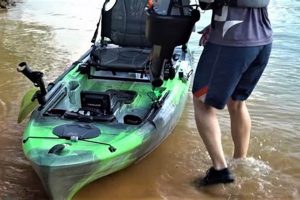
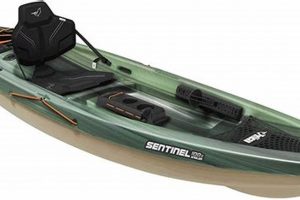
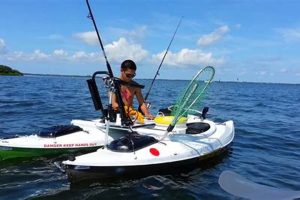
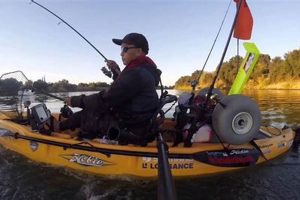
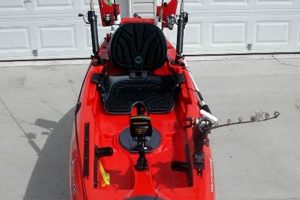
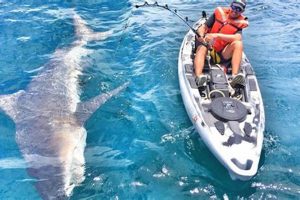
Tandem kayaks designed for angling in the United Kingdom offer a stable platform for two individuals to fish comfortably. These vessels typically feature specialized storage for rods, tackle, and often include features like rod holders and anchor trolleys. An example might be a sit-on-top model crafted from high-density polyethylene, offering durability and stability in varying water conditions.
Sharing a fishing experience enhances camaraderie and can be safer in remote locations. A larger, two-person craft offers greater stability, especially beneficial in challenging weather or when landing larger fish. Historically, fishing from small boats has been a crucial part of UK culture, and modern tandem kayaks provide a contemporary take on this tradition, allowing access to diverse fishing grounds including rivers, lakes, and coastal waters.
The subsequent sections will explore optimal kayak selection criteria, essential safety considerations for tandem kayak fishing, and recommended locations within the UK.
Tips for Tandem Kayak Fishing in the UK
Careful planning and preparation are essential for a successful and enjoyable tandem kayak fishing trip. The following tips offer valuable insights to enhance safety and maximize the fishing experience.
Tip 1: Weight Distribution and Balance: Ensure even weight distribution within the kayak. Proper balance is crucial for stability and maneuverability. Consider the combined weight of anglers, gear, and potential catches when selecting a suitable vessel.
Tip 2: Communication and Coordination: Clear communication between anglers is paramount, especially during paddling and landing fish. Establish hand signals or verbal cues before embarking.
Tip 3: Safety Equipment: Carry appropriate safety equipment, including personal flotation devices (PFDs) for each angler, a whistle, flares, and a first-aid kit. Check weather conditions before departure and inform someone of the planned route and return time.
Tip 4: Suitable Clothing and Gear: Dress in layers appropriate for the weather conditions. Consider waterproof and windproof outerwear. Pack essential fishing gear, including rods, reels, tackle, and appropriate bait or lures for the target species.
Tip 5: Navigation and Planning: Plan the fishing route in advance, considering tides, currents, and potential hazards. Carry a map, compass, or GPS device, and familiarize oneself with local regulations and restrictions.
Tip 6: Respect Wildlife and the Environment: Practice catch-and-release whenever possible. Minimize disturbance to wildlife and avoid littering. Adhere to local fishing regulations and respect designated fishing zones.
Tip 7: Practice Launching and Landing: Launching and landing a tandem kayak can require practice. Choose a calm, shallow area to practice entering and exiting the kayak smoothly and safely.
By following these guidelines, anglers can significantly improve their chances of a productive and safe tandem kayak fishing experience. These preparations contribute to a more enjoyable outing on the water.
The following section provides a detailed overview of essential fishing gear and recommended locations for tandem kayak fishing in the UK.
1. Stability

Stability is a critical factor influencing the performance and safety of a two-person fishing kayak in UK waters. The inherent design characteristics of these kayaks, coupled with the dynamic conditions encountered, necessitate careful consideration of stability. A stable platform allows anglers to cast, reel, and land fish effectively without compromising balance. Conversely, instability can lead to capsizing, equipment loss, and potential danger, especially in challenging conditions such as choppy coastal waters or fast-flowing rivers. For example, a kayak with a wider beam and a lower center of gravity will generally offer greater primary stability (resistance to initial tipping), crucial when casting or dealing with unexpected movement. Secondary stability (the ability to recover from a significant tilt) is equally important, particularly when encountering waves or wakes from passing vessels. The hull design, including features like chines and tracking fins, plays a significant role in both primary and secondary stability.
Practical implications of stability extend beyond basic safety. Enhanced stability contributes to angler comfort and confidence, enabling longer fishing sessions and focus on angling techniques. Consider a scenario involving two anglers fishing in a tidal estuary. A stable kayak platform allows them to confidently navigate changing currents and tidal flows, minimizing the risk of capsize while maximizing fishing time. Conversely, an unstable kayak could detract from the experience, requiring constant adjustments and potentially limiting access to productive fishing areas. Furthermore, stability is particularly crucial when landing larger fish, as the sudden shifts in weight can destabilize a less stable craft.
In summary, prioritizing stability when selecting a two-person fishing kayak for use in UK waters is essential for safety, performance, and overall enjoyment. Understanding the factors that influence stability, including hull design, weight capacity, and intended use, allows informed decision-making. This knowledge translates directly to enhanced safety, improved fishing performance, and a more confident and comfortable experience on the water. Addressing stability proactively mitigates potential risks and contributes significantly to a positive and productive fishing outing.
2. Capacity

Capacity, concerning two-person fishing kayaks designed for UK waters, encompasses more than simply accommodating two anglers. It directly influences performance, comfort, and safety, requiring careful consideration during the selection process. Understanding capacity limitations ensures efficient use of the vessel and contributes to a more enjoyable and productive fishing experience.
- Combined Angler Weight:
Kayak specifications invariably stipulate a maximum weight capacity. This limit encompasses the combined weight of both anglers, all fishing gear, and any potential catch. Exceeding this limit compromises stability and safety, increasing the risk of capsizing. A kayak rated for 250kg, for example, might safely accommodate two anglers weighing a combined 180kg plus 70kg of gear and fish. Accurate assessment of combined weight is crucial before embarking.
- Gear Storage:
Sufficient storage capacity is essential for rods, reels, tackle boxes, and other fishing accessories. Dedicated storage compartments, such as hatches or bungee cords, ensure gear remains secure and readily accessible. Consider the volume and type of gear typically carried when evaluating storage capacity. For instance, longer fishing rods require appropriate storage solutions to prevent damage or loss. Inadequate storage can lead to a cluttered cockpit, hindering movement and potentially compromising safety.
- Space and Comfort:
Physical dimensions, including cockpit size and legroom, influence angler comfort, particularly during longer fishing trips. Adequate space prevents cramping and allows freedom of movement for casting and reeling. Consider individual angler size and preferred fishing styles when assessing space and comfort. Two larger anglers might find a compact tandem kayak uncomfortable, while a kayak with adjustable seating positions can enhance comfort for individuals of varying heights.
- Performance Impact:
Capacity directly impacts kayak performance. A heavily loaded kayak sits lower in the water, increasing drag and reducing maneuverability. This is particularly noticeable in challenging conditions such as strong currents or wind. Overloading can also affect tracking and responsiveness, making it harder to maintain desired course or position. Consider the typical fishing environment and expected conditions when evaluating the impact of capacity on performance.
Careful evaluation of these capacity-related factors contributes significantly to informed decision-making when selecting a tandem fishing kayak for use in UK waters. Understanding the interplay between angler weight, gear storage, comfort, and performance ensures optimal utilization of the vessel and enhances safety and enjoyment on the water. A properly balanced and appropriately loaded kayak contributes to a more efficient, comfortable, and ultimately, more successful fishing experience.
3. Storage
Storage solutions in two-person fishing kayaks designed for UK waters are crucial for organization, accessibility, and safety. Effective storage facilitates efficient tackle management, maximizing fishing time and minimizing disruption. Well-designed storage contributes to a clutter-free cockpit, enhancing both safety and angler comfort. The following facets explore key storage considerations relevant to tandem fishing kayaks operating in UK environments.
- Types of Storage
Common storage solutions include front and rear hatches, side storage compartments, and bungee cord systems. Hatches offer secure, waterproof storage for larger items like tackle boxes and extra clothing. Side compartments provide quick access to frequently used items such as pliers and leader line. Bungee systems secure rods and paddles, ensuring they remain readily available. Anglers often choose kayaks with a combination of these storage types to accommodate diverse gear.
- Capacity and Accessibility
Storage capacity should align with the anticipated fishing style and duration. Longer trips require more storage for provisions and additional tackle. Accessibility is equally important. Well-placed hatches and compartments allow easy retrieval of items without compromising stability or requiring awkward maneuvering. A kayak designed for multi-day expeditions, for example, might prioritize larger hatches for camping gear, while a day-trip kayak might emphasize readily accessible side storage for lures and tackle.
- Security and Waterproofing
Protecting gear from the elements and potential loss is paramount in UK waters, known for variable weather conditions. Waterproof hatches and sealed compartments safeguard electronics, clothing, and other sensitive items from rain and spray. Secure closures prevent gear loss in rough conditions or during accidental capsizing. Kayaks intended for offshore use or exposed coastal areas often feature enhanced waterproofing and robust hatch closures.
- Impact on Kayak Performance
Storage design and utilization impact kayak performance. Weight distribution within storage compartments affects stability and tracking. Overloading rear storage can cause the stern to dip, increasing drag and reducing maneuverability. Distributing weight evenly throughout the kayak optimizes performance and handling. Experienced anglers often consider weight distribution when packing their kayaks, strategically placing heavier items lower and towards the center of the vessel.
Careful consideration of these storage aspects contributes to a more efficient and enjoyable fishing experience in UK waters. Selecting a kayak with appropriate storage solutions tailored to individual fishing needs enhances organization, accessibility, and safety on the water. Understanding the interplay between storage design, capacity, and performance contributes to informed decision-making and ultimately, a more productive and rewarding fishing outing.
4. Maneuverability
Maneuverability is a critical performance attribute for tandem fishing kayaks operating in UK waters. The ability to precisely control the kayak’s direction and position significantly impacts fishing effectiveness and safety. UK waterways present diverse challenges, from navigating narrow rivers and confined estuaries to managing tidal currents and coastal swells. A highly maneuverable tandem kayak allows anglers to efficiently position themselves for optimal casting angles, hold steady against currents, and navigate complex shorelines or submerged structures. Conversely, a less maneuverable kayak can hinder access to productive fishing spots and pose challenges in dynamic water conditions. The relationship between maneuverability and kayak design involves factors such as hull shape, length, and the presence of tracking fins or rudders. Shorter kayaks generally offer greater maneuverability in confined spaces, while longer kayaks excel in tracking straight lines over open water. Hull design features like rocker (the curvature of the hull from bow to stern) influence turning performance, with higher rocker profiles facilitating tighter turns.
Consider, for example, two anglers fishing in a narrow, winding river. A highly maneuverable kayak enables them to navigate tight bends and position themselves precisely near overhanging vegetation or submerged logs where fish might congregate. Conversely, a less maneuverable kayak might struggle in such confined spaces, limiting access to prime fishing locations and potentially grounding the vessel. In a different scenario, imagine two anglers fishing in a tidal estuary. A kayak with responsive handling and precise directional control allows them to maintain position and adjust to changing currents effectively, ensuring optimal lure presentation and minimizing drift. This responsiveness translates directly to increased fishing opportunities and enhanced safety in dynamic tidal flows. Conversely, a sluggish or unresponsive kayak might require constant adjustments to maintain position, hindering fishing effectiveness and potentially placing the anglers in precarious situations. The inclusion of features like a rudder can significantly enhance directional stability and maneuverability, particularly in windy conditions or strong currents.
Effective maneuverability is essential for optimizing fishing success and ensuring safety in the diverse conditions encountered in UK waters. Understanding the design elements that influence maneuverability, such as hull shape, length, and control systems, empowers informed decision-making when selecting a tandem fishing kayak. This understanding, coupled with practical experience and adaptation to specific water conditions, translates directly to enhanced fishing effectiveness, increased safety margins, and a more rewarding experience on the water. Addressing maneuverability proactively mitigates potential challenges and contributes significantly to successful navigation and precise boat control in varied UK fishing environments.
5. Durability
Durability is a paramount consideration when selecting a two-person fishing kayak for use in UK waters. The demanding nature of the environment, characterized by diverse water conditions and potential impacts from rocks, submerged debris, and transportation, necessitates a robust and resilient vessel. Durability directly influences the kayak’s lifespan and long-term performance, impacting both safety and overall cost-effectiveness. A durable kayak withstands the rigors of regular use, minimizing the risk of damage and ensuring reliable performance over extended periods. Construction materials, manufacturing techniques, and design features contribute significantly to a kayak’s overall durability. High-density polyethylene (HDPE) is a common material known for its impact resistance and UV stability, while more specialized materials like fiberglass or composites offer enhanced strength and stiffness, albeit often at a higher price point. Reinforced seams, robust hull designs, and impact-resistant fittings further enhance durability.
Consider the practical implications of durability in various UK fishing scenarios. Launching and landing a kayak on rocky shorelines, common along many coastal areas, can subject the hull to significant abrasion and impact. A durable kayak withstands such wear and tear, minimizing the risk of punctures or cracks. Similarly, navigating shallow rivers or estuaries often involves contact with submerged branches, rocks, or other debris. A robust hull and reinforced keel protect against damage in these environments, ensuring the kayak remains watertight and structurally sound. Furthermore, transporting kayaks on roof racks or trailers exposes them to potential impacts and vibrations. Durable construction and secure fittings minimize the risk of damage during transit, preserving the kayak’s structural integrity and extending its lifespan. Investing in a durable kayak mitigates the long-term costs associated with repairs or premature replacement.
Prioritizing durability when selecting a two-person fishing kayak for UK waters represents a proactive approach to ensuring long-term performance, safety, and cost-effectiveness. Understanding the factors that contribute to durability, including materials, construction techniques, and design features, empowers informed decision-making. This knowledge translates directly to a more resilient vessel capable of withstanding the demands of the UK environment, ultimately contributing to a safer and more rewarding fishing experience over time. Addressing durability proactively mitigates potential issues and ensures the kayak remains a reliable platform for exploring UK waters for years to come.
6. UK Suitability

UK suitability, in the context of two-person fishing kayaks, signifies the vessel’s adaptability to the specific conditions and requirements of United Kingdom waters. This encompasses not only navigating the diverse environments encountered, from sheltered lakes to exposed coastal areas, but also adhering to relevant regulations and maximizing fishing efficacy within the UK context. A kayak’s UK suitability directly influences its performance, safety, and overall effectiveness for angling purposes in this region.
- Water Conditions
The UK presents diverse water conditions, ranging from calm inland lakes and canals to challenging tidal flows and exposed coastal waters. A suitable kayak must exhibit stability and seaworthiness appropriate for the intended fishing locations. A kayak designed for sheltered lakes might not be suitable for coastal fishing in areas known for strong winds and swells. Conversely, a highly stable, seaworthy kayak might be less maneuverable in confined river systems. Careful consideration of prevailing water conditions in target fishing areas is crucial for determining suitability.
- Fishing Styles and Target Species
Different fishing styles practiced in the UK, such as trolling for salmon in lochs or drift fishing for cod in coastal waters, necessitate specific kayak features. Rod holders, anchor trolleys, and specialized storage compartments enhance fishing effectiveness for particular techniques and target species. A kayak designed for freshwater fishing might prioritize stability for fly casting, while a sea fishing kayak might emphasize storage capacity for heavier tackle and larger catches.
- Transportation and Portability
Transporting kayaks to various fishing locations within the UK requires consideration of portability and ease of handling. Kayak weight, dimensions, and the availability of transport accessories, such as roof racks or trailers, influence logistical practicality. Access to launch sites and prevailing storage limitations also factor into suitability. A compact, lightweight kayak might be more suitable for anglers frequently transporting their vessel to remote locations, while a larger, heavier kayak might be preferable for those with readily available launch sites and ample storage space.
- Regulations and Licensing
Adhering to UK regulations regarding fishing licenses, permitted fishing areas, and catch limits is essential. Understanding local bylaws and restrictions specific to target fishing locations ensures legal compliance. Some areas might require specific permits or restrict the use of certain fishing methods. Awareness of these regulations influences kayak suitability by dictating where and how the vessel can be used legally and effectively.
Evaluating these facets of UK suitability ensures informed decision-making when selecting a two-person fishing kayak. A kayak well-suited to the specific conditions, fishing styles, and regulatory environment of the UK enhances safety, maximizes fishing effectiveness, and contributes to a more rewarding overall experience. Considering these factors proactively ensures the chosen kayak aligns with the unique demands of UK waters, facilitating safe and productive fishing excursions.
Frequently Asked Questions
This section addresses common inquiries regarding tandem fishing kayaks designed for use in UK waters. The information provided aims to clarify key aspects and facilitate informed decision-making.
Question 1: What are the key advantages of a two-person fishing kayak compared to a solo model in UK waters?
Enhanced stability, particularly in challenging conditions or when landing larger fish, is a significant advantage. Shared paddling effort reduces fatigue on longer trips, and the combined weight capacity allows for more gear. Improved safety through companionship can be crucial in remote locations.
Question 2: How does one choose the appropriate size and weight capacity for a tandem fishing kayak?
Combined angler weight, anticipated gear load, and potential catch weight must be factored against the manufacturer’s stated maximum capacity. Exceeding this limit compromises stability and safety. Kayak dimensions should accommodate angler size for comfort during extended fishing sessions.
Question 3: What essential safety equipment should be carried on a tandem fishing kayak in the UK?
Personal flotation devices (PFDs) for each angler are mandatory. Essential safety equipment includes a whistle, flares, a first-aid kit, a waterproof communication device, and navigation tools like a map, compass, or GPS. Checking weather forecasts before departure is crucial.
Question 4: Are there specific regulations or licensing requirements for kayak fishing in the UK?
Fishing licenses are typically required for angling in UK waters, regardless of vessel type. Specific regulations apply to designated fishing zones, catch limits, and permitted fishing methods. Checking local bylaws and obtaining necessary permits before fishing is essential for compliance.
Question 5: What are the primary considerations for choosing between a sit-on-top and a sit-inside tandem fishing kayak in UK conditions?
Sit-on-tops offer superior stability and self-bailing capabilities, beneficial in rougher waters or warmer weather. Sit-inside kayaks provide greater protection from the elements and often feature more storage space, making them suitable for colder conditions or longer expeditions.
Question 6: How does one maintain and care for a tandem fishing kayak to ensure its longevity in the UK environment?
Regular rinsing with fresh water after each use, particularly after exposure to saltwater, prevents corrosion and damage from salt buildup. Proper storage in a sheltered location, protected from direct sunlight and extreme temperatures, extends the kayak’s lifespan. Periodic inspection of hull, fittings, and safety equipment ensures continued seaworthiness.
Selecting a tandem fishing kayak requires careful consideration of individual needs and intended use. Prioritizing safety, stability, and suitability for UK waters ensures a rewarding and enjoyable fishing experience.
The following section will explore specific kayak models recommended for UK waters, outlining their key features and benefits.
Tandem Fishing Kayaks in the UK
Exploration of tandem fishing kayaks designed for UK waters reveals the importance of careful selection based on key criteria. Stability, capacity, storage solutions, maneuverability, durability, and overall suitability for UK conditions significantly influence performance, safety, and long-term satisfaction. Understanding these interconnected factors empowers informed purchasing decisions, ensuring the chosen vessel aligns with specific angling needs and intended usage within the diverse UK aquatic environments.
Careful consideration of these factors allows anglers to maximize the benefits inherent in tandem kayak fishing, enhancing both safety and enjoyment on the water. The potential for shared experiences, increased stability, and access to varied fishing grounds underscores the value of selecting the right tandem kayak for UK waters. Continued exploration of available models and meticulous pre-trip planning contribute significantly to successful and rewarding fishing excursions.