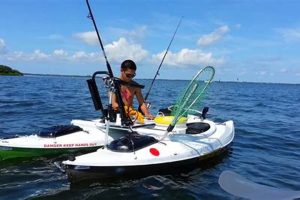
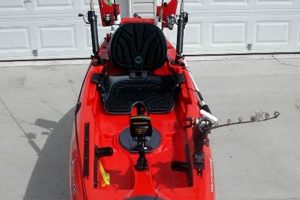
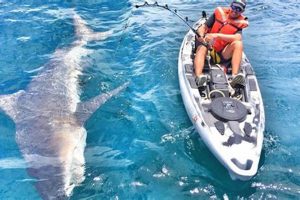
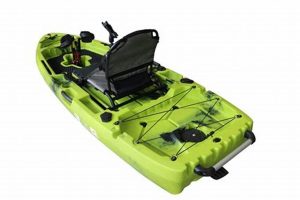
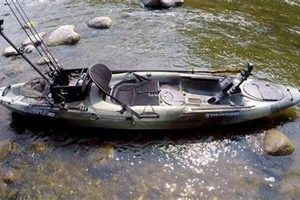
Online video platforms host a wealth of content demonstrating the specialized activity of angling from Hobie brand kayaks. This content typically features demonstrations of techniques, equipment reviews, fishing location showcases, and recordings of actual fishing excursions. Viewers can observe anglers using these specialized watercraft to access various fishing spots, employing diverse angling methods.
This digital resource offers valuable learning opportunities for individuals interested in kayak fishing, particularly with Hobie kayaks. It allows prospective buyers to research specific features and models, while existing owners can discover new techniques and locations. The readily available information democratizes access to expert advice and fosters a sense of community among enthusiasts. Historically, knowledge transfer in fishing relied heavily on in-person mentorship. Online video platforms have significantly broadened access to this specialized knowledge, enabling wider participation and faster skill development.
Further exploration of this topic could delve into specific kayak fishing techniques, Hobie kayak features, popular fishing locations, responsible fishing practices, and the impact of online communities on the sport.
Tips for Kayak Fishing with Hobie Kayaks
Effective kayak angling requires preparation and an understanding of specific techniques. The following tips offer guidance for enhancing fishing success and safety.
Tip 1: Rigging Essentials: Prioritize a streamlined setup. Rod holders, tackle storage, and anchor trolleys are essential for hands-free operation and efficient lure or bait retrieval. Consider mounting electronics like fish finders and GPS units for enhanced navigation and fish location.
Tip 2: Paddle or Pedal Propulsion: Hobie kayaks offer both paddle and pedal-driven options. Understand the advantages of each. Pedal drives allow hands-free fishing and maneuverability, while paddles provide a backup propulsion method and access to shallower waters.
Tip 3: Safety First: Always wear a personal flotation device (PFD). Carry a whistle, signaling mirror, and communication device for emergencies. Check weather forecasts before embarking and inform someone of your fishing plan and expected return time.
Tip 4: Understanding Water Conditions: Currents, tides, and wind significantly impact kayak control. Research target locations and adjust fishing strategies accordingly. Anchor effectively in current to maintain position and maximize fishing time.
Tip 5: Fish-Specific Techniques: Match fishing techniques to the target species. Trolling, casting, and jigging from a kayak require adaptations compared to shore or boat fishing. Consider using lighter tackle and specialized lures designed for kayak angling.
Tip 6: Respectful Angling Practices: Adhere to catch-and-release guidelines where appropriate. Minimize environmental impact by properly disposing of fishing line and other waste. Maintain a safe distance from other anglers and wildlife.
Tip 7: Continuous Learning: Stay informed about local fishing regulations and best practices. Explore online resources and connect with other kayak anglers to expand knowledge and refine techniques.
By incorporating these tips, anglers can improve their kayak fishing experiences, increase their chances of success, and promote responsible angling practices.
This information provides foundational knowledge for those exploring kayak fishing with Hobie kayaks. Further research and practical experience are essential for continued development and enjoyment of the sport.
1. Rigging Demonstrations

Rigging demonstrations constitute a significant portion of Hobie kayak fishing content on YouTube. These segments offer viewers practical insights into optimizing kayak setups for specific fishing styles and target species. Understanding rigging nuances is crucial for efficient angling and maximizing success on the water.
- Rod Holder Placement and Types
Videos often showcase diverse rod holder placements and types, emphasizing their impact on fishing techniques. For example, flush-mounted rod holders facilitate trolling, while adjustable holders cater to various casting angles. Proper rod holder selection and positioning contribute significantly to angler comfort and efficient line management.
- Tackle Storage Solutions
Efficient tackle organization is paramount in kayak fishing. Demonstrations illustrate various tackle box configurations and mounting systems, enabling anglers to access lures and tools quickly. Examples include modular tackle boxes, waterproof bags, and customized storage compartments integrated into the kayak. Effective tackle management minimizes clutter and maximizes fishing time.
- Anchor Trolley Systems
Controlling kayak position is essential for successful fishing. Videos explain the benefits and operation of anchor trolley systems. These systems allow anglers to adjust anchor position, optimizing boat angle in relation to current or wind. Proper anchor trolley usage improves fishing efficiency and stability.
- Electronics Integration
Integrating electronics like fish finders and GPS units enhances situational awareness and fish location. Rigging demonstrations often detail mounting options and wiring configurations for these devices. Examples include transducer placements for optimal sonar readings and screen positioning for clear visibility. Effective electronics integration streamlines navigation and improves fishing outcomes.
By providing viewers with detailed rigging demonstrations, these videos bridge the gap between theory and practice. This visual learning resource empowers anglers to personalize their Hobie kayak setups, enhancing efficiency, safety, and overall fishing success. Effective rigging directly contributes to a more enjoyable and productive on-the-water experience.
2. Location Showcases

Location showcases within Hobie kayak fishing videos serve a crucial function, extending beyond mere scenic displays. They provide viewers with valuable insights into potential fishing grounds, highlighting access points, navigable waterways, and species-specific habitats. This information directly influences angling strategy and trip planning. For instance, a video showcasing a mangrove-lined coast might highlight snook and redfish habitats, prompting viewers to select appropriate tackle and fishing techniques. Similarly, a video focusing on a freshwater lake might emphasize bass fishing opportunities, influencing lure choices and retrieval methods. These showcases effectively translate geographical information into practical angling knowledge.
The impact of location showcases extends beyond individual fishing trips. By highlighting diverse environments, these videos contribute to a broader understanding of aquatic ecosystems. A video exploring a river system might inadvertently educate viewers on the importance of riparian habitats, while a showcase of a coral reef could underscore the vulnerability of these ecosystems to environmental changes. This indirect educational component fosters environmental awareness among viewers, promoting responsible angling practices and conservation efforts. Furthermore, showcasing lesser-known locations can stimulate local economies through increased tourism and related activities.
In summary, location showcases within Hobie kayak fishing videos provide a crucial link between geographical context and practical angling strategies. They empower viewers to make informed decisions about fishing destinations, optimize their techniques for specific environments, and foster a deeper appreciation for aquatic ecosystems. However, it is essential that these showcases prioritize ethical considerations, avoiding the disclosure of sensitive habitats or promoting unsustainable fishing practices. The balance between information sharing and environmental protection remains a crucial aspect of responsible content creation within the online angling community.
3. Species Targeting
Species targeting is a critical aspect of Hobie kayak fishing videos on YouTube, influencing content structure and providing viewers with practical insights into effective angling strategies. These videos frequently focus on specific species, tailoring techniques, equipment choices, and location recommendations accordingly. Understanding this targeted approach enhances viewer comprehension and facilitates practical application of presented information. This focus allows for in-depth exploration of species-specific behaviors, preferred habitats, and effective fishing methods.
- Tackle and Bait Selection
Videos often demonstrate tackle and bait choices optimized for target species. For example, a video focusing on inshore saltwater fishing might showcase light tackle setups with lures designed for speckled trout or redfish. Conversely, a video targeting offshore pelagic species would likely feature heavier tackle and larger baits suitable for tuna or mahi-mahi. This targeted approach equips viewers with the knowledge to make informed decisions about their own tackle and bait selections.
- Location and Habitat Considerations
Understanding species-specific habitat preferences is essential for successful angling. Videos targeting certain species often showcase relevant locations and discuss key habitat features. For instance, a video focusing on largemouth bass might highlight the importance of submerged vegetation and woody cover, while a video targeting flounder might emphasize sandy or muddy bottoms. This information empowers viewers to identify productive fishing areas based on target species behavior.
- Technique Demonstrations and Adaptations
Effective fishing techniques vary significantly depending on the target species. Videos demonstrate species-specific techniques, adapting them for kayak angling. For instance, a video targeting crappie might showcase vertical jigging techniques tailored for kayak stability, while a video focusing on tarpon might demonstrate fly fishing adaptations from a seated position. This tailored approach bridges the gap between general fishing knowledge and specialized kayak angling techniques.
- Seasonal and Temporal Considerations
Species behavior and availability fluctuate with seasonal and temporal changes. Videos often incorporate these considerations, providing viewers with insights into optimal fishing times and conditions for target species. For instance, a video targeting striped bass might discuss seasonal migration patterns and tidal influences, informing viewers about prime fishing windows. This awareness of temporal factors enhances fishing success and promotes efficient use of angling time.
By focusing on species targeting, Hobie kayak fishing videos on YouTube provide viewers with highly relevant and practical information. This targeted approach enhances comprehension, facilitates skill development, and empowers anglers to make informed decisions regarding tackle, location, and technique. Ultimately, this focus on specific species contributes to increased fishing success and a deeper understanding of aquatic ecosystems.
4. Technique Explanations

Technique explanations within Hobie kayak fishing videos on YouTube provide a crucial bridge between theoretical knowledge and practical application. These segments dissect various angling methods, adapting them specifically for the kayak fishing environment. This adaptation is critical, as kayak fishing often requires modifications to traditional techniques due to space limitations, stability considerations, and the unique challenges of maneuvering and fishing from a smaller, self-propelled vessel. For instance, casting techniques from a kayak necessitate adjustments in body positioning and rod angle to maintain balance and maximize casting distance. Similarly, fighting and landing larger fish from a kayak require specialized techniques to prevent capsizing and ensure angler safety. These nuanced adaptations are often the focus of technique explanations within these videos.
The efficacy of these explanations often hinges on the clarity and detail provided. High-quality videos utilize clear visuals, slow-motion replays, and concise narration to break down complex movements and highlight key aspects of each technique. For example, a video demonstrating proper kayak trolling techniques might utilize underwater footage to showcase lure action and depth control, while a video explaining anchor positioning strategies might employ diagrams to illustrate optimal boat placement in relation to current and structure. Furthermore, effective explanations often incorporate real-world examples, showcasing successful applications of the discussed techniques in diverse fishing scenarios. A video focusing on jigging techniques might show footage of an angler successfully hooking and landing a fish using the demonstrated method, solidifying the practical value of the explanation. This combination of clear visuals, detailed explanations, and practical demonstrations enhances viewer comprehension and facilitates skill development.
In summary, technique explanations form a cornerstone of effective Hobie kayak fishing content on YouTube. They provide viewers with practical insights into specialized angling methods, adapting traditional techniques to the unique challenges and opportunities presented by kayak fishing. The clarity, detail, and practical application focus within these explanations are essential for fostering skill development and empowering anglers to maximize their success on the water. This translates to increased angler confidence, improved fishing outcomes, and a deeper appreciation for the nuances of kayak angling. It also fosters a culture of continuous learning within the online fishing community, encouraging anglers to refine their skills and explore new approaches to this dynamic sport.
5. Equipment Reviews

Equipment reviews constitute a significant component of Hobie kayak fishing content on YouTube, providing viewers with valuable insights into the diverse range of gear available for this specialized angling discipline. These reviews offer critical analyses of rods, reels, lines, lures, PFDs, paddles, fish finders, and other specialized equipment. Understanding the nuances of these reviews empowers informed purchasing decisions and contributes to enhanced on-the-water performance and safety. They also serve as a valuable resource for experienced anglers seeking to refine their existing setups or explore new technologies within the kayak fishing domain.
- Rod and Reel Combinations
Reviews often focus on rod and reel combinations tailored for specific kayak fishing applications. A review might compare a lightweight spinning combo ideal for targeting panfish with a heavier baitcasting setup designed for larger inshore species. These comparisons consider factors such as rod action, reel gear ratios, and overall balance, providing viewers with practical insights into selecting appropriate gear for their target species and fishing style. Understanding these nuances contributes to improved casting accuracy, effective fish fighting, and overall angling success.
- Paddle and Pedal Drive Analysis
Hobie kayaks offer both paddle and pedal-driven propulsion systems, each with distinct advantages and disadvantages. Reviews often compare these systems, considering factors such as speed, maneuverability, hands-free fishing capabilities, and suitability for different water conditions. A review might analyze the efficiency of the MirageDrive pedal system in open water versus the versatility of a traditional paddle in shallow or heavily vegetated areas. This comparative analysis informs viewers about the optimal propulsion system for their specific fishing needs and preferences.
- Fish Finder and Electronics Evaluations
Fish finders and other electronic devices play a crucial role in modern kayak fishing, aiding in navigation, fish location, and depth assessment. Reviews evaluate various models, considering factors such as screen resolution, sonar capabilities, GPS accuracy, and ease of integration with kayak setups. A review might compare a compact, portable fish finder suitable for casual anglers with a more advanced unit offering features like side-scan imaging and chartplotting. This information empowers viewers to make informed decisions about investing in electronics that align with their fishing goals and budget.
- Safety Gear Assessments
Personal flotation devices (PFDs), signaling devices, and other safety equipment are essential for responsible kayak fishing. Reviews assess various PFD designs, considering factors such as comfort, buoyancy, and integration with fishing gear. A review might compare an inflatable PFD designed for maximum mobility with a traditional vest-style PFD offering greater storage capacity. These assessments emphasize the importance of prioritizing safety and provide viewers with guidance on selecting appropriate safety gear for their individual needs and preferences.
By offering detailed analyses of various fishing and safety equipment options, these reviews play a vital role in informing purchasing decisions within the Hobie kayak fishing community. They empower viewers to select gear optimized for their specific needs and fishing styles, contributing to enhanced on-the-water performance, safety, and overall enjoyment of the sport. Furthermore, these reviews often foster discussion and debate within online communities, driving innovation and promoting continuous improvement within the kayak fishing equipment market. The insights gleaned from these reviews translate directly into more informed anglers, better-equipped kayaks, and ultimately, a more enriching and successful fishing experience. The readily accessible nature of this information online democratizes access to expert advice, fostering a more informed and engaged kayak fishing community.
6. Safety Considerations
Safety considerations are paramount within the context of Hobie kayak fishing, and their prominence on YouTube reflects this importance. Videos focusing on this topic provide crucial information for anglers of all skill levels, promoting responsible practices and mitigating potential risks associated with on-the-water activities. Understanding and adhering to these safety guidelines are essential for ensuring enjoyable and incident-free fishing experiences. These videos often serve as a vital resource, supplementing formal safety training and reinforcing best practices for navigating the inherent challenges of kayak fishing.
- Personal Flotation Devices (PFDs)
Proper PFD selection and consistent usage are consistently emphasized within safety-focused Hobie kayak fishing videos. Content creators often demonstrate various PFD types, highlighting features such as comfort, buoyancy, and integration with fishing gear. Examples include inflatable PFDs designed for maximum mobility and traditional vest-style PFDs offering greater storage capacity. The consistent message emphasizes that PFDs are non-negotiable safety equipment, crucial for mitigating risks associated with capsizing or unexpected immersion in water. These videos reinforce the message that PFDs are not merely recommended, but essential for responsible kayak angling.
- Weather Awareness and Trip Planning
Checking weather forecasts and planning trips accordingly are crucial aspects of kayak fishing safety. Videos emphasize the importance of understanding wind patterns, tide changes, and potential storm developments. Examples include demonstrating the use of weather apps, interpreting marine forecasts, and highlighting the importance of having alternative plans in case of unexpected weather changes. This proactive approach minimizes the risk of encountering hazardous conditions on the water and emphasizes the importance of adapting fishing plans to dynamic weather patterns. These videos underscore that proper planning is essential for mitigating weather-related risks and ensuring a safe return.
- Navigation and Communication Equipment
Carrying essential navigation and communication equipment enhances safety in Hobie kayak fishing. Videos often showcase the use of GPS devices, VHF radios, and signaling devices like whistles and mirrors. Examples include demonstrating proper GPS usage for navigation and marking waypoints, explaining radio communication protocols, and highlighting the importance of having backup communication methods in case of electronic failure. These tools provide crucial links to shore in case of emergencies and aid in navigation, particularly in unfamiliar waters or challenging conditions. The consistent message is that preparedness through appropriate equipment enhances safety and provides peace of mind on the water.
- Kayak Handling and Stability
Understanding kayak handling and stability is fundamental to safe kayak fishing. Videos demonstrate proper paddling techniques, maneuvering in various water conditions, and techniques for re-entering a kayak after a capsize. Examples include demonstrating proper bracing techniques to maintain stability in rough water, explaining the impact of wind and current on kayak control, and showcasing self-rescue techniques. These skills are crucial for maintaining control of the kayak, minimizing the risk of capsizing, and ensuring angler safety in unexpected situations. These videos empower viewers with the knowledge and skills to confidently handle their kayaks in diverse conditions.
These safety considerations, frequently highlighted in Hobie kayak fishing videos, contribute significantly to responsible angling practices and risk mitigation. By promoting awareness and providing practical guidance, these videos empower viewers to prioritize safety, make informed decisions, and enjoy their kayak fishing experiences with confidence and peace of mind. This emphasis on safety fosters a culture of responsible angling within the online community, encouraging viewers to prioritize their well-being and the well-being of others on the water. This proactive approach to safety not only protects individual anglers but also contributes to a more positive and sustainable kayak fishing environment for all.
7. Community Interaction
Community interaction forms a significant component of the “YouTube Hobie kayak fishing” landscape, fostering connections among anglers and enriching the overall experience. This interaction manifests primarily through comment sections, online forums, and social media groups dedicated to kayak fishing. Within these digital spaces, individuals share experiences, exchange advice, and discuss various aspects of the sport, from rigging techniques and equipment reviews to location recommendations and fishing reports. This exchange of information contributes to collective knowledge growth, enabling anglers to learn from each other’s successes and challenges. For instance, an angler struggling with a specific rigging setup might find solutions through community feedback, while another seeking new fishing spots might gain valuable insights from shared experiences within online forums. This collaborative environment fosters a sense of camaraderie among enthusiasts, transcending geographical boundaries and uniting individuals through a shared passion for kayak fishing.
The impact of community interaction extends beyond information exchange. It plays a crucial role in promoting ethical angling practices and conservation efforts. Experienced anglers often share insights into responsible fishing techniques, such as catch-and-release guidelines and proper handling of fish. Discussions regarding environmental stewardship and the importance of preserving aquatic ecosystems are common within these communities. This collective focus on sustainability reinforces responsible angling behavior and contributes to the long-term health of fisheries and aquatic environments. Moreover, community interaction facilitates organized events, such as group fishing trips and tournaments, further strengthening connections and promoting shared experiences. These events provide opportunities for in-person interaction, skill development, and collaborative exploration of new fishing locations. This combination of online and offline interactions contributes to a vibrant and supportive kayak fishing community.
In summary, community interaction plays a vital role in enriching the “YouTube Hobie kayak fishing” experience. It facilitates knowledge sharing, promotes responsible angling practices, and fosters a sense of belonging among enthusiasts. This dynamic interaction transforms individual experiences into collective knowledge, strengthening the broader kayak fishing community and contributing to the continued growth and sustainability of the sport. However, maintaining a positive and productive community environment requires ongoing moderation and adherence to established guidelines. Addressing challenges such as misinformation and online negativity remains crucial for ensuring that these digital spaces continue to serve as valuable resources for kayak anglers of all skill levels. This focus on fostering a positive and inclusive community environment contributes directly to the overall health and longevity of the online kayak fishing community.
Frequently Asked Questions
Addressing common inquiries regarding Hobie kayak fishing provides clarity and facilitates informed participation in the sport. The following questions and answers offer practical insights for both novice and experienced anglers.
Question 1: What advantages do Hobie kayaks offer for fishing?
Hobie kayaks are recognized for their pedal-driven MirageDrive system, enabling hands-free fishing and maneuverability. Their stability and specialized fishing features, such as rod holders and integrated tackle storage, enhance angling efficiency.
Question 2: How does one choose the right Hobie kayak for fishing specific species?
Kayak selection depends on target species, fishing environment, and angler preferences. Longer kayaks offer speed and capacity for offshore fishing, while shorter, more maneuverable models suit inshore or river fishing. Research specific model features and consider factors such as storage capacity, stability, and propulsion options.
Question 3: What essential safety gear is recommended for Hobie kayak fishing?
A personal flotation device (PFD) is paramount. Additional safety equipment includes a whistle, signaling mirror, communication device, and appropriate navigation lights. Checking weather forecasts and informing someone of fishing plans are crucial safety precautions.
Question 4: How does one maintain stability and prevent capsizing in a Hobie kayak?
Understanding kayak balance and proper weight distribution are crucial for stability. Practicing basic paddling and maneuvering techniques enhances control. Avoiding sudden movements and distributing weight evenly within the kayak minimizes the risk of capsizing.
Question 5: What are effective rigging strategies for Hobie kayaks?
Effective rigging optimizes fishing efficiency. Consider rod holder placement for easy access and secure rod storage. Integrated tackle storage systems maintain organization. Anchor trolleys aid in positioning the kayak effectively in current or wind.
Question 6: How can anglers contribute to responsible kayak fishing practices?
Adhering to catch-and-release guidelines, minimizing environmental impact by properly disposing of waste, and respecting other anglers and wildlife are essential components of responsible kayak fishing. Staying informed about local fishing regulations ensures compliance and promotes sustainable fishing practices.
Addressing these common questions provides a foundation for safe and successful Hobie kayak fishing experiences. Continued learning through online resources, community engagement, and practical experience further enhances angling knowledge and promotes responsible enjoyment of the sport.
Exploring specific rigging techniques, advanced fishing strategies, and specialized equipment further enhances Hobie kayak fishing proficiency.
Conclusion
Exploration of online video content related to Hobie kayak fishing reveals a wealth of information readily accessible to anglers. Analysis of this content highlights key aspects such as rigging techniques, species targeting, equipment reviews, safety considerations, and community interaction. Understanding these elements empowers informed decision-making regarding equipment selection, fishing strategies, and responsible angling practices. Access to this readily available information democratizes knowledge acquisition, fostering skill development and promoting community engagement within the sport.
Continued growth and evolution of online resources promise further enhancement of kayak fishing experiences. Dedication to responsible angling practices and environmental stewardship ensures the sustainability of this increasingly popular pursuit. The evolving landscape of online information sharing presents significant opportunities for continuous learning and community growth within the Hobie kayak fishing world.