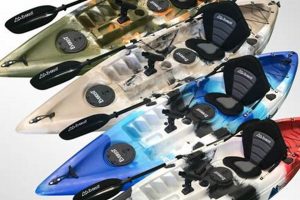
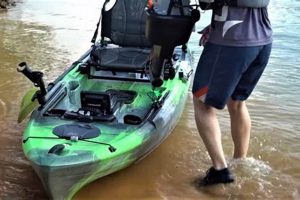
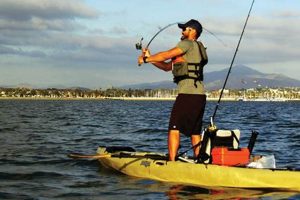
High-quality kayaks designed for angling offer a unique blend of stability, maneuverability, and specialized features. These vessels often incorporate rod holders, storage compartments for tackle and gear, and comfortable seating arrangements designed for extended periods on the water. Some models even include advanced features like fish finders, live wells, and pedal-powered propulsion systems.
The advantages of specialized angling kayaks are numerous. They provide anglers with access to shallow waters and hard-to-reach fishing spots often inaccessible by larger boats. Their relatively quiet operation allows for a stealthier approach, minimizing disturbance to fish. Furthermore, kayak fishing offers a closer connection to nature and a more physically engaging experience. The evolution of these specialized watercraft reflects the growing popularity of kayak fishing and the demand for vessels tailored to the specific needs of anglers.
This discussion will further explore key factors to consider when selecting a fishing kayak, including hull design, propulsion methods, and essential features. It will also examine various popular models and provide guidance on outfitting and maintaining a fishing kayak for optimal performance and longevity.
Tips for Selecting and Using Fishing Kayaks
Choosing and utilizing a fishing kayak effectively requires careful consideration of several factors. The following tips provide guidance for maximizing the angling experience.
Tip 1: Consider Hull Design: Kayak hull design significantly impacts stability and maneuverability. A wider, flatter hull offers greater stability, ideal for calmer waters and stand-up fishing. A longer, narrower hull provides better tracking and speed, suitable for covering larger distances and paddling in currents.
Tip 2: Evaluate Propulsion Options: Paddle kayaks offer a traditional, affordable, and exercise-intensive approach. Pedal-driven kayaks provide hands-free fishing and increased speed, while motorized kayaks offer the greatest range and power.
Tip 3: Prioritize Essential Features: Rod holders, storage compartments, and a comfortable seat are crucial. A rudder or skeg can enhance tracking, and a fish finder can significantly improve angling success.
Tip 4: Choose Appropriate Safety Gear: Always wear a personal flotation device (PFD). Carry a whistle, signaling device, and a first-aid kit. Inform someone of your fishing plans and estimated return time.
Tip 5: Practice Paddling and Maneuvering: Before venturing into open water, familiarize yourself with the kayak’s handling characteristics in a controlled environment. Practice entering and exiting the kayak, as well as basic paddling strokes and turning techniques.
Tip 6: Respect the Environment: Adhere to local fishing regulations and practice catch-and-release whenever possible. Dispose of waste responsibly and minimize disturbance to wildlife and their habitats.
Tip 7: Dress Appropriately: Wear clothing suitable for the weather conditions, including sun protection and rain gear. Non-slip footwear is essential for maintaining sure footing on a wet kayak surface.
By following these guidelines, anglers can enhance their safety, improve their fishing success, and ensure a more enjoyable experience on the water.
These tips provide a foundation for a successful kayak fishing experience. The subsequent conclusion will summarize key takeaways and offer final recommendations.
1. Stability

Stability is a paramount consideration in fishing kayaks, directly influencing angler safety, comfort, and fishing effectiveness. A stable platform allows for confident casting, reeling, and landing fish, even in challenging conditions. This discussion explores key facets contributing to kayak stability.
- Hull Design
Hull design significantly impacts stability. Wider, flatter hulls offer greater primary stability, resisting initial tipping. Pontoon-style hulls provide exceptional stability, while narrower hulls prioritize speed over stability. A well-designed hull balances stability with maneuverability, optimizing performance for specific fishing environments. For example, a wider hull is beneficial in calm lakes, while a narrower hull may be preferred in rivers with currents.
- Center of Gravity
A lower center of gravity enhances stability. Sitting lower in the kayak and distributing weight evenly improves balance. Adding weight low in the hull can further enhance stability. Conversely, standing up in a kayak raises the center of gravity, decreasing stability and requiring careful weight management.
- Water Conditions
Calm water conditions naturally contribute to kayak stability. Wind, waves, and currents can significantly impact stability, requiring adjustments in paddling technique and body positioning. Anglers should be mindful of changing water conditions and adapt accordingly to maintain balance and safety.
- Angler Behavior
Angler movements within the kayak directly affect stability. Sudden shifts in weight, leaning over the side, or making abrupt movements can compromise stability. Smooth, deliberate movements and maintaining a balanced posture are crucial for preserving stability, particularly when fighting a fish or navigating challenging waters.
Understanding these facets of stability empowers anglers to choose appropriate kayaks and employ techniques that maximize stability on the water. Prioritizing stability enhances safety, improves fishing effectiveness, and contributes to a more enjoyable angling experience overall.
2. Maneuverability

Maneuverability represents a critical attribute in fishing kayaks, directly influencing an angler’s ability to navigate diverse water environments and access prime fishing locations. The relationship between maneuverability and high-quality fishing kayaks hinges on several factors, including hull design, length, and water conditions. A highly maneuverable kayak enables anglers to navigate tight corners in creeks, rivers, and mangrove forests, access shallow-water fisheries, and position themselves effectively for optimal casting angles. For example, a shorter, lighter kayak with a rounded or shallow-V hull will typically turn more quickly than a longer, heavier kayak with a deep-V hull. Conversely, kayaks designed for open water often prioritize tracking and speed over tight turning capabilities.
The practical significance of maneuverability becomes readily apparent when considering real-world fishing scenarios. Navigating through dense vegetation, around submerged obstacles, or against currents requires a kayak that responds quickly and efficiently to paddle input. Furthermore, maneuverability becomes essential when landing fish, adjusting position for changing wind or current, and accessing secluded fishing spots. Kayaks with enhanced maneuverability offer distinct advantages in these situations, allowing anglers to exploit opportunities and maximize their fishing success.
In summary, maneuverability constitutes a vital component of effective fishing kayaks. Understanding the relationship between hull design, length, and turning radius empowers anglers to select kayaks suited to their target fishing environments. The ability to precisely position the kayak contributes significantly to fishing success, enhancing the overall experience and allowing access to a wider range of fishing opportunities. Balancing maneuverability with other essential factors like stability and storage capacity remains crucial in selecting the optimal fishing kayak for individual needs and preferences.
3. Storage Capacity

Ample and well-designed storage is a defining characteristic of high-quality fishing kayaks, directly impacting their practicality and effectiveness. The ability to carry essential gear, tackle, and personal items contributes significantly to a successful and enjoyable fishing experience. This discussion explores key facets of storage capacity in relation to optimized angling platforms.
- Types of Storage
Fishing kayaks offer various storage solutions, including open-deck storage with bungee cords for readily accessible items, sealed hatches for protecting sensitive gear from water, and specialized compartments for tackle boxes and other fishing accessories. The strategic placement and accessibility of these storage options are crucial for maintaining an organized and efficient fishing platform. For instance, readily accessible storage for frequently used lures and tools streamlines the fishing process, while waterproof compartments protect electronic devices and other valuables.
- Capacity and Weight Distribution
The overall storage capacity and its distribution within the kayak influence both stability and maneuverability. Distributing weight evenly across the kayak is crucial for maintaining balance and optimal paddling performance. Overloading the kayak or concentrating weight in one area can compromise stability and hinder maneuverability. Understanding weight distribution is particularly important when carrying heavier items like batteries for fish finders or coolers for storing catches.
- Customization and Accessibility
Many fishing kayaks offer customizable storage options, allowing anglers to tailor the setup to their specific needs and preferences. Modular storage systems, adjustable dividers, and aftermarket accessories further enhance storage versatility. Easy access to stored items is essential for maintaining an efficient workflow while on the water. Well-designed hatches, readily accessible compartments, and strategically placed storage areas contribute to a streamlined and productive fishing experience.
- Material and Durability
The materials used in storage compartments impact their durability and resistance to water damage. High-quality hatches and seals prevent water intrusion, protecting valuable gear and ensuring long-term storage functionality. Durable materials also withstand the wear and tear of regular use, including exposure to sun, saltwater, and impacts from gear or fish. Investing in a kayak with robust storage components ensures the longevity and reliability of its storage capabilities.
In conclusion, adequate storage capacity is a crucial element of effective fishing kayaks. The variety, accessibility, and durability of storage options directly influence an angler’s organization, efficiency, and overall fishing experience. Careful consideration of storage needs and preferences is paramount in selecting a kayak that effectively supports a productive and enjoyable day on the water. A well-equipped fishing kayak with optimized storage becomes a mobile angling platform, empowering anglers to pursue their passion with confidence and convenience.
4. Comfort
Comfort plays a crucial role in the overall fishing kayak experience. Extended periods on the water necessitate a comfortable seating arrangement and ergonomic design to minimize fatigue and maximize fishing enjoyment. An uncomfortable kayak can detract significantly from the experience, leading to discomfort, distraction, and a shortened fishing trip. This discussion explores key elements contributing to comfort in high-quality fishing kayaks.
- Seat Design
Seat design significantly impacts comfort. Adjustable seats with ample padding and lumbar support accommodate varying body types and preferences. Breathable fabrics enhance comfort in warm weather, while elevated seating positions improve visibility and reduce lower back strain. A well-designed seat allows anglers to maintain focus and enjoyment throughout the fishing trip. For example, high-back seats with adjustable lumbar support provide crucial back support, particularly during long hours on the water.
- Leg Room and Footrests
Adequate legroom and adjustable footrests contribute to overall comfort and paddling efficiency. Proper leg positioning reduces fatigue and allows for comfortable stretching during extended periods on the water. Adjustable footrests accommodate different leg lengths and paddling styles. This customization allows anglers to maintain a comfortable and efficient paddling posture, minimizing strain and maximizing energy conservation.
- Deck Layout and Accessibility
A well-designed deck layout with easy access to essential gear and equipment enhances comfort and efficiency. Rod holders, tackle storage, and other accessories should be within easy reach, minimizing the need for excessive stretching or awkward movements. This ergonomic layout contributes to a more streamlined and comfortable fishing experience, allowing anglers to focus on the task at hand. For example, strategically placed rod holders and tackle storage within easy reach minimize unnecessary movements and maximize fishing efficiency.
- Stability and Handling
Kayak stability and handling indirectly influence comfort. A stable and predictable kayak platform instills confidence and reduces anxiety, allowing anglers to relax and enjoy the experience. Smooth and responsive handling characteristics minimize effort and fatigue during paddling and maneuvering. This sense of security and ease of handling contribute to a more comfortable and enjoyable experience, particularly in challenging water conditions.
Comfort features in high-quality fishing kayaks directly impact angler enjoyment and endurance. A comfortable kayak promotes focus and relaxation, allowing anglers to fully appreciate the experience and maximize their time on the water. Investing in a comfortable kayak enhances the overall fishing experience and contributes to long-term enjoyment of the sport.
5. Specialized Features

Specialized features distinguish high-quality fishing kayaks from recreational models, transforming them into purpose-built angling platforms. These features enhance fishing effectiveness, efficiency, and overall enjoyment. This discussion explores key specialized features that contribute to an “awesome” fishing kayak experience.
- Rod Holders
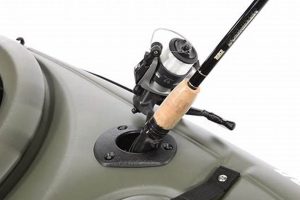
Integrated rod holders secure fishing rods, freeing hands for paddling, landing fish, or other tasks. Various rod holder types exist, including flush-mounted, adjustable, and rotating models. Multiple rod holders allow anglers to employ diverse fishing techniques simultaneously. For example, an angler might troll with one rod while having another rigged for casting. The strategic placement of rod holders maximizes accessibility and minimizes interference with paddling.
- Tackle Storage
Dedicated tackle storage compartments organize essential gear and keep it readily accessible. Waterproof compartments protect sensitive items from water damage. Specialized compartments for tackle boxes, tools, and other accessories enhance organization and efficiency. For example, a well-organized tackle storage system allows for quick retrieval of lures or hooks, minimizing disruption to the fishing flow. Efficient tackle storage contributes significantly to a streamlined and productive fishing experience.
- Fish Finders and Electronics
Integrated fish finders utilize sonar technology to locate fish and map underwater structures. GPS systems aid navigation and mark productive fishing spots. These electronic tools provide valuable information, enhancing fishing success and situational awareness. Modern fish finders integrate seamlessly with kayaks, providing real-time data without cluttering the deck. This technology significantly increases the odds of locating and catching fish.
- Live Wells and Bait Tanks
Live wells maintain the health and vitality of caught fish for later release or consumption. Bait tanks keep live bait fresh and readily available. These features cater to specific fishing styles and preferences. Insulated live wells and aerated bait tanks preserve the quality of both catch and bait, extending fishing opportunities and maximizing success. These features are particularly valuable for anglers targeting specific species or employing live bait techniques.
These specialized features, while not exhaustive, exemplify the key elements that elevate a fishing kayak from basic to “awesome.” The thoughtful integration and implementation of these features optimize the angling experience, contributing to increased efficiency, effectiveness, and overall enjoyment on the water. Ultimately, the combination of these features, tailored to individual angling styles and preferences, defines an exceptional fishing kayak.
Frequently Asked Questions
This section addresses common inquiries regarding high-quality fishing kayaks, providing concise and informative responses.
Question 1: What key features distinguish a fishing kayak from a recreational kayak?
Fishing kayaks typically incorporate specialized features such as rod holders, tackle storage compartments, and often anchor trolleys or rudder systems. These features enhance angling functionality and efficiency compared to recreational kayaks designed for general-purpose paddling. Fishing kayaks may also offer greater stability, particularly beneficial for activities like casting and reeling.
Question 2: How does hull design impact fishing kayak performance?
Hull design significantly influences stability, maneuverability, and tracking. Wider hulls generally offer greater stability, while longer, narrower hulls provide better tracking and speed. Specific hull designs, such as pontoon hulls, maximize stability for stand-up fishing, while others prioritize maneuverability for navigating tight spaces.
Question 3: What are the primary propulsion options for fishing kayaks?
Common propulsion methods include paddling, pedal drives, and motorized systems. Paddling offers a traditional and affordable approach, while pedal drives provide hands-free operation for fishing. Motorized kayaks offer increased speed and range, particularly beneficial for covering larger distances or navigating strong currents.
Question 4: What safety precautions should one take when fishing from a kayak?
Essential safety measures include wearing a personal flotation device (PFD), carrying a whistle or other signaling device, informing someone of fishing plans and estimated return time, and being aware of weather conditions and potential hazards. Checking local fishing regulations and adhering to safe boating practices is crucial.
Question 5: How does one choose the right size fishing kayak?
Kayak size selection depends on factors such as angler weight and size, intended fishing environment, and storage capacity needs. Larger kayaks offer greater stability and storage but may be less maneuverable. Smaller kayaks prioritize maneuverability but may sacrifice stability and storage space. Considering individual needs and preferences is paramount.
Question 6: What maintenance is required for a fishing kayak?
Regular maintenance includes rinsing the kayak with fresh water after each use, especially in saltwater environments. Inspecting and cleaning moving parts, lubricating hatches and seals, and storing the kayak properly protect it from damage and prolong its lifespan. Following manufacturer recommendations for specific maintenance procedures ensures optimal performance and longevity.
These responses provide a foundation for understanding key aspects of fishing kayaks. Further research and consultation with experienced anglers can provide additional insights tailored to individual needs and preferences.
This FAQ section provides a comprehensive overview of key considerations. The following section delves into specific popular models and manufacturers, providing further guidance in selecting the ideal fishing kayak.
Conclusion
This exploration of high-quality fishing kayaks has highlighted the critical factors that contribute to exceptional on-the-water experiences. From stability and maneuverability to specialized features and comfort, the selection process hinges on a careful balance of these elements tailored to individual angling styles and preferences. Understanding the nuances of hull design, propulsion options, and storage solutions empowers informed decision-making. Furthermore, prioritizing safety and regular maintenance ensures long-term enjoyment and responsible use of these specialized vessels.
The pursuit of angling excellence intertwines with the selection of appropriate equipment. High-quality fishing kayaks represent an investment in this pursuit, offering a platform for enhanced fishing success and a deeper connection with the aquatic environment. As technology continues to advance and kayak design evolves, the future promises even more refined and specialized angling platforms. Diligent research and consideration of individual needs remain paramount in navigating the diverse landscape of fishing kayaks and ultimately discovering the ideal vessel for a truly “awesome” fishing experience.