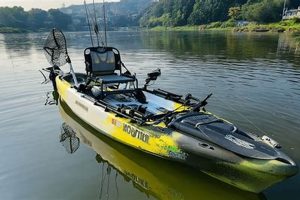
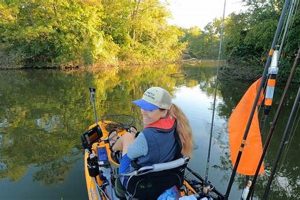
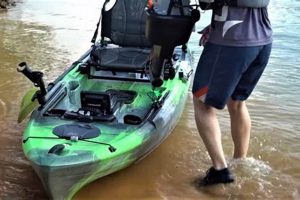
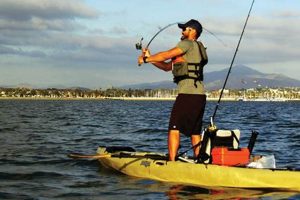
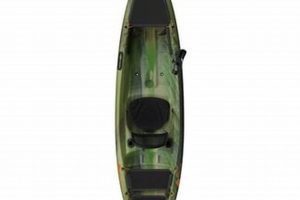
This specific model designates a type of recreational watercraft designed for angling. Such vessels are typically smaller and more maneuverable than traditional boats, offering anglers access to shallow waters and tighter fishing spots often inaccessible by larger craft. They frequently feature specialized equipment such as rod holders, tackle storage, and even livewells for keeping catches fresh. A typical example might be a sit-on-top design constructed of durable, lightweight polyethylene, equipped with adjustable seating and paddle holders.
The increasing popularity of these specialized watercraft stems from their portability, affordability, and adaptability to various fishing environments. They provide a stable platform for casting and retrieving lines, enhancing the angling experience. Historically, fishing from small, human-powered vessels has been a common practice across cultures. Modern advancements in materials and design have transformed this tradition, resulting in highly specialized and efficient vessels tailored for specific fishing needs.
Further exploration will delve into the specific features, advantages, and disadvantages of this particular model, comparing it to other similar options available on the market, along with guidance on selecting the right vessel for specific fishing needs and preferences.
Tips for Kayak Fishing
Effective kayak fishing requires preparation and adherence to safety guidelines. The following tips offer guidance for a successful and enjoyable experience.
Tip 1: Prioritize Safety Equipment. Always wear a personal flotation device (PFD). Carry a whistle for signaling, a first-aid kit for minor injuries, and a communication device in case of emergencies.
Tip 2: Plan the Trip Carefully. Check weather forecasts, water conditions, and local regulations before embarking. Inform someone of the intended fishing location and estimated return time.
Tip 3: Choose Appropriate Gear. Select fishing rods and tackle suitable for the target species and the environment. Consider using a kayak anchor to maintain position in desired fishing spots.
Tip 4: Organize and Secure Equipment. Store tackle, tools, and other essentials within easy reach but securely fastened to prevent loss or interference with paddling. Utilize waterproof bags and containers to protect sensitive items.
Tip 5: Practice Paddling and Maneuvering. Familiarize oneself with basic paddling strokes and maneuvering techniques before venturing into open water. This enhances control and stability while fishing.
Tip 6: Respect the Environment. Adhere to “leave no trace” principles by packing out all trash and avoiding disturbance of wildlife habitats. Follow local fishing regulations regarding catch limits and permitted fishing methods.
Tip 7: Dress Appropriately. Wear clothing suitable for the weather conditions, including protection from sun, wind, and rain. Quick-drying fabrics and layers are recommended.
By following these guidelines, anglers can maximize their enjoyment and success on the water while ensuring a safe and responsible fishing experience.
This information provides a foundation for successful kayak fishing. Further sections will delve into specific techniques, equipment recommendations, and advanced strategies for various fishing environments.
1. Stability

Stability forms a cornerstone of the Everest fishing kayak’s design, directly influencing its performance and user experience. A stable platform is paramount for casting accuracy, effectively fighting fish, and ensuring angler safety. Compromised stability can lead to capsizing, especially in challenging conditions like currents or choppy water. The Everest kayak’s design considerations, such as hull shape and width, contribute significantly to its stability profile. Wider hulls generally provide increased primary stability, resisting initial tipping, while specific hull designs enhance secondary stability, the ability to recover from larger disturbances. For example, a flatter hull bottom improves initial stability, useful for calm waters, while a more rounded or multi-chined hull provides better secondary stability, valuable in rougher conditions.
Practical implications of stability are numerous. Enhanced stability allows anglers to stand and cast, offering improved visibility and leverage. It also enables more aggressive fish fighting techniques without compromising balance. The psychological impact of a stable platform should not be overlooked; angler confidence increases with perceived stability, allowing for a more focused and enjoyable fishing experience. A stable kayak is particularly crucial when landing larger fish, as the sudden shifts in weight and movement can easily destabilize a less stable craft. Consider a scenario where an angler hooks a large fish in windy conditions; a stable kayak provides the necessary platform to manage the fight safely and effectively.
In summary, stability is not merely a desirable feature but a fundamental requirement for a successful fishing kayak. The Everest fishing kayak’s design prioritizes stability to enhance angler performance, safety, and overall experience. Understanding the nuances of stability, from its influence on casting accuracy to its role in managing challenging water conditions, is crucial for selecting and utilizing this specialized watercraft effectively. This understanding informs appropriate kayak selection for specific fishing environments and individual angler needs, optimizing both safety and fishing success.
2. Maneuverability

Maneuverability represents a critical performance attribute for fishing kayaks, directly impacting an angler’s ability to navigate diverse water environments and access prime fishing locations. The Everest fishing kayak’s maneuverability characteristics are shaped by design elements such as hull length, width, and profile. Shorter kayaks generally offer greater maneuverability, enabling quicker turns and easier navigation through tight spaces like narrow creeks or weed beds. Longer kayaks, while potentially faster in open water, can be less responsive in confined areas. Hull design also plays a crucial role; a kayak with a pronounced keel offers better tracking in a straight line but may sacrifice turning agility. Consider a shallow, winding river; a highly maneuverable kayak allows anglers to navigate effectively, reaching secluded pools and backwaters often inaccessible to less agile vessels. Conversely, in open lakes or coastal areas, moderate maneuverability combined with good tracking might be preferred.
The practical implications of maneuverability extend beyond simple navigation. Precise maneuvering facilitates accurate lure presentation, enabling anglers to target specific structures or fish-holding areas. Quick turns and responsive handling are essential when fighting strong fish, preventing line breakage and maintaining control. Consider a scenario where a fish dives beneath overhanging branches; a maneuverable kayak allows the angler to adjust position rapidly, preventing entanglement and maintaining pressure on the fish. Furthermore, efficient maneuvering conserves energy, particularly in challenging conditions like strong currents or wind, allowing anglers to focus on fishing rather than battling the elements. This efficiency translates to longer fishing trips and a more productive overall experience.
In summary, maneuverability is not a standalone feature but a critical component of effective kayak fishing. Understanding the interplay between hull design, length, and the resulting maneuverability characteristics allows for informed kayak selection based on intended fishing environments and angler preferences. The Everest fishing kayak’s maneuverability profile contributes directly to its effectiveness as a fishing platform, enabling access to diverse fishing locations, enhancing lure presentation, and contributing to a more successful and enjoyable angling experience. Balancing maneuverability with other key performance attributes like stability and speed is crucial for optimizing overall performance and achieving specific angling goals.
3. Storage Capacity

Storage capacity is a critical factor influencing the practicality and effectiveness of a fishing kayak, directly impacting an angler’s ability to carry essential gear and maintain an organized and efficient fishing platform. The Everest fishing kayak’s storage solutions are designed to accommodate the specific needs of anglers, maximizing onboard space utilization while maintaining overall vessel performance. Adequate storage facilitates longer trips, diverse fishing techniques, and preparedness for varying conditions, distinguishing a dedicated fishing kayak from recreational models.
- Dedicated Tackle Storage
Purpose-built compartments for tackle boxes, trays, and individual lures maintain organization and accessibility. This prevents gear from shifting during paddling or becoming entangled, ensuring quick retrieval and minimizing disruptions during critical fishing moments. Examples include recessed trays within the hull, waterproof hatches, and side-mounted pockets designed to hold specific tackle configurations. This dedicated storage contributes significantly to efficient fishing practices, allowing anglers to switch lures or rigs quickly, adapting to changing fish behavior or environmental conditions.
- Rod Holders and Management Systems
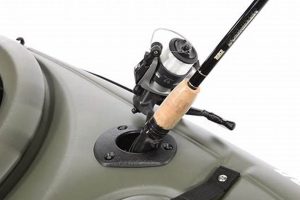
Securely mounted rod holders, often integrated into the kayak’s design, provide convenient storage for rods while paddling or when multiple rods are rigged for different techniques. These systems minimize the risk of rod damage or loss and free up the angler’s hands for paddling and other tasks. Examples include flush-mounted rod holders, adjustable angled rod holders, and specialized mounts for trolling or specific fishing styles. Efficient rod management directly impacts fishing effectiveness by enabling quick transitions between techniques and ensuring rods are readily available when needed.
- Dry Storage Compartments
Waterproof compartments protect sensitive items like electronics, wallets, and keys from water damage. These compartments provide peace of mind in challenging conditions or accidental capsizing, preserving essential gear. Examples include sealed hatches, waterproof bags integrated into the kayak’s structure, and dedicated dry storage areas within the hull. Protecting valuable items from water damage enhances the overall fishing experience by reducing anxiety about gear safety and ensuring functionality in all conditions.
- General Storage Capacity for Gear and Supplies
Larger storage wells or bungee systems accommodate additional gear such as coolers, dry bags, and safety equipment. This capacity enables anglers to carry extra clothing, food, water, and other supplies for longer trips or more remote locations. Ample storage capacity translates to greater self-sufficiency and preparedness for unforeseen circumstances, contributing to both safety and comfort. Consider a multi-day fishing expedition; sufficient storage capacity allows anglers to carry necessary provisions and equipment, ensuring a comfortable and successful trip.
The Everest fishing kayak’s storage capacity contributes significantly to its overall effectiveness as a specialized fishing platform. The strategic placement and design of storage solutions, from dedicated tackle compartments to dry storage areas, reflect a focus on angler needs and efficient space utilization. This thoughtful approach to storage enhances organization, accessibility, and preparedness, ultimately contributing to a more successful and enjoyable fishing experience. By understanding the various storage options and their practical implications, anglers can maximize their time on the water and optimize their fishing potential.
4. Comfort
Comfort plays a pivotal role in the overall fishing kayak experience, directly influencing angler endurance, focus, and enjoyment. Discomfort can curtail fishing trips, hinder performance, and detract from the overall experience. The Everest fishing kayak addresses comfort through several key design elements, recognizing its impact on angler effectiveness and well-being. These elements work in concert to create a supportive and adaptable environment tailored for extended periods on the water. Consider the impact of an uncomfortable seat on a multi-day fishing expedition; back pain and stiffness can severely limit fishing time and overall enjoyment. Conversely, a comfortable and supportive seating system allows anglers to remain focused and engaged throughout the day, maximizing their fishing potential.
The Everest kayak’s seating system typically incorporates adjustable features to accommodate individual preferences and body types. These adjustments might include backrest angle, seat height, and legroom configurations. Ergonomic design principles inform the seat’s shape and cushioning, providing support for the lower back and promoting proper posture. Breathable fabrics enhance ventilation, reducing heat buildup and moisture accumulation, particularly important in warmer climates. Furthermore, features like adjustable footrests contribute to overall comfort and stability, allowing anglers to maintain a balanced and relaxed position while paddling and fishing. For example, an angler with longer legs might require greater legroom and a higher seat position for optimal comfort, while someone with a sensitive back might prioritize lumbar support and adjustable backrest angles. The availability of these customizable features allows individuals to tailor the kayak to their specific needs, maximizing comfort and minimizing fatigue.
Beyond the seating system, other comfort-enhancing features often found in the Everest fishing kayak include padded armrests and strategically placed grab handles. Armrests provide support and reduce strain during long paddling sessions, while strategically placed grab handles facilitate easy entry and exit from the kayak. These seemingly minor details contribute significantly to overall comfort and convenience, enhancing the user experience and promoting safety. Understanding the interplay between these comfort-enhancing features and their impact on angler performance is crucial for selecting the right kayak and maximizing enjoyment on the water. A comfortable angler is a more focused and effective angler, capable of longer fishing sessions and greater overall success. By prioritizing comfort, the Everest fishing kayak aims to enhance not only the fishing experience but also angler well-being and long-term engagement with the sport.
5. Durability
Durability represents a critical factor in the overall value and longevity of a fishing kayak, particularly given the demanding environments these vessels often encounter. The Everest fishing kayak’s construction prioritizes durability to withstand the rigors of regular use, including impacts, abrasion, and exposure to various weather conditions. This robust construction translates to a longer lifespan, reduced maintenance requirements, and a higher resale value, contributing significantly to the kayak’s overall cost-effectiveness. Understanding the factors contributing to the Everest kayak’s durability is crucial for informed purchase decisions and appropriate maintenance practices.
Material selection plays a crucial role in the Everest kayak’s durability. High-density polyethylene (HDPE) is commonly employed due to its impact resistance, UV stability, and overall resilience. This material can withstand impacts from rocks, submerged logs, and other obstacles commonly encountered in fishing environments. Furthermore, HDPE resists cracking and fading from prolonged sun exposure, ensuring the kayak maintains its structural integrity and aesthetic appeal over time. The thickness of the HDPE also contributes to durability; thicker hulls offer greater resistance to punctures and impacts, although they may come at the cost of increased weight. Beyond the core material, reinforced areas, such as the keel and stern, further enhance durability in high-impact zones. Consider a rocky river environment; a durable kayak constructed from high-quality HDPE with reinforced areas can withstand scrapes and impacts, ensuring continued performance and longevity. Conversely, a less durable kayak might suffer cracks or punctures in such conditions, requiring costly repairs or even replacement.
The construction methods employed in manufacturing the Everest fishing kayak also contribute significantly to its durability. Rotational molding, a common process used for creating HDPE kayaks, produces a seamless, one-piece hull with uniform wall thickness. This eliminates potential weak points associated with joints or seams, enhancing overall structural integrity and resistance to leaks. Furthermore, quality control measures throughout the manufacturing process, including rigorous testing and inspection, ensure consistent construction and adherence to stringent quality standards. This commitment to quality translates to a reliable and durable product capable of withstanding the demands of regular fishing use. Ultimately, the Everest fishing kayak’s durability contributes not only to its longevity but also to angler confidence and peace of mind on the water. Knowing the kayak can withstand challenging conditions allows anglers to focus on fishing, maximizing their enjoyment and success on the water.
Frequently Asked Questions
This section addresses common inquiries regarding this specific kayak model, providing concise and informative responses to facilitate informed decision-making.
Question 1: What is the weight capacity of this particular model?
Weight capacity varies depending on the specific model within the product line. Consulting the manufacturer’s specifications provides precise figures for each variant.
Question 2: What materials are used in its construction?
High-density polyethylene (HDPE) is typically used for its durability and resistance to impact and UV degradation.
Question 3: Is it suitable for use in saltwater environments?
While designed for diverse water conditions, proper rinsing and maintenance are crucial after saltwater use to prevent corrosion of metal components.
Question 4: What are the available color options for this model?
Color options may vary depending on the specific model and retailer. Consulting manufacturer websites or authorized dealers provides the most accurate information.
Question 5: Does this model come with a warranty?
Warranty terms vary depending on the specific model and region. Checking with authorized retailers or consulting the manufacturer’s documentation clarifies the applicable warranty terms.
Question 6: What is the recommended maintenance schedule?
Regular rinsing, especially after exposure to saltwater, and periodic inspection of hardware and hull integrity are recommended. Consulting the owner’s manual provides detailed maintenance guidelines.
This FAQ section provides essential information for potential purchasers. Further inquiries should be directed to authorized retailers or the manufacturer’s customer service department for specific technical details or regional information.
The following sections will delve into specific model comparisons within the range, offering detailed analysis of features, performance characteristics, and pricing to assist in selecting the most suitable option for individual angler needs and preferences.
Conclusion
This exploration has provided a comprehensive overview of the Everest fishing kayak, encompassing key features such as stability, maneuverability, storage capacity, comfort, and durability. These attributes contribute significantly to the kayak’s effectiveness as a specialized fishing platform, enabling anglers to access diverse fishing locations, carry essential gear, and maintain comfort and stability during extended fishing trips. Understanding the interplay of these features empowers informed decision-making, aligning kayak selection with individual angler needs and preferences. Addressing frequently asked questions provides additional clarity regarding specific model characteristics, warranty terms, and recommended maintenance practices.
The Everest fishing kayak represents a notable option within the fishing kayak market. Careful consideration of individual fishing styles, target species, and preferred environments will guide the selection of the optimal kayak configuration. Continued exploration of available models, features, and user reviews further refines this selection process, leading to a fulfilling and productive fishing experience. Investing time in research and selection ultimately contributes to long-term satisfaction and enjoyment on the water.