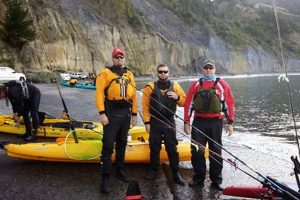
This pursuit combines the quiet, personal experience of paddling with the challenge and reward of angling. Imagine gliding across tranquil waters, surrounded by stunning scenery, while casting a line for a variety of fish species. This popular outdoor activity offers a unique perspective on California’s diverse aquatic ecosystems, from coastal bays and estuaries to inland lakes and reservoirs.
The low-impact nature of this activity allows access to shallow, secluded areas often inaccessible to larger motorized vessels. This advantage opens up opportunities to target specific species and experience the natural environment with minimal disturbance. Historically, small watercraft have been integral to fishing practices, and the modern adaptation with specialized kayaks builds upon this tradition, providing a sustainable and engaging way to connect with aquatic environments. The relatively low cost of entry compared to traditional boat-based angling, combined with the physical benefits of paddling, further enhances its appeal.
A deeper exploration of this subject will cover topics such as suitable locations, recommended equipment, species commonly targeted, necessary safety precautions, licensing and regulations, and the growing community surrounding this increasingly popular pastime.
Tips for Kayak Angling in California
Successful and enjoyable outings require preparation and awareness. The following tips offer guidance for maximizing the experience while prioritizing safety and responsibility.
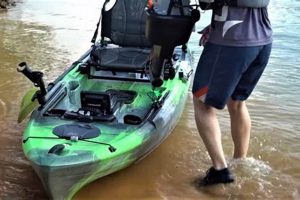
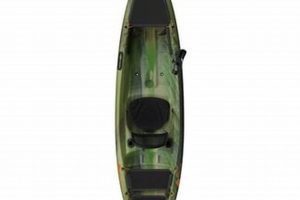
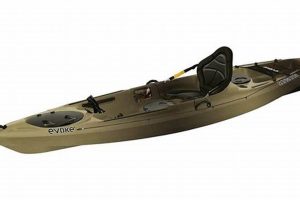
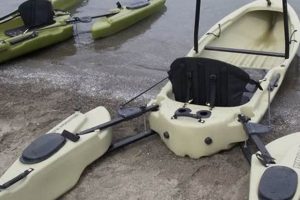
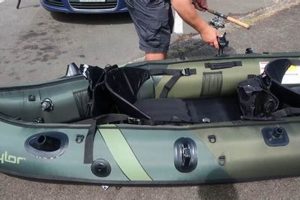
Tip 1: Choose the Right Kayak. Kayak selection depends on the intended fishing environment. Longer, narrower kayaks are suitable for open water and covering distances, while shorter, wider kayaks offer greater stability for calm waters and sight fishing.
Tip 2: Prioritize Safety Equipment. A personal flotation device (PFD) is essential. Other vital safety gear includes a whistle, visual distress signals, a first-aid kit, and a communication device.
Tip 3: Check Weather and Water Conditions. Before embarking, always check the weather forecast, tides, and water currents. Avoid venturing out in unfavorable or unpredictable conditions.
Tip 4: Plan and Share Your Trip Plan. Inform someone about your intended fishing location, launch time, and estimated return. This ensures someone is aware of your whereabouts in case of an emergency.
Tip 5: Respect Wildlife and the Environment. Practice catch-and-release whenever possible and handle fish with care. Adhere to Leave No Trace principles by packing out all trash and minimizing disturbance to natural habitats.
Tip 6: Understand Fishing Regulations. Obtain the necessary fishing licenses and familiarize oneself with state and local regulations, including size and bag limits for different species.
Tip 7: Learn Basic Kayak Handling Skills. Develop proficiency in paddling, maneuvering, and self-rescue techniques before venturing into challenging environments. Consider taking a kayaking course or practicing with experienced paddlers.
By adhering to these guidelines, anglers can contribute to a safe and sustainable environment while enjoying the unique experience offered by this activity.
With these foundational elements established, the next section will delve into specific locations and techniques to further enhance angling success in California’s diverse waters.
1. Safety
Safety is paramount in California kayak angling due to the dynamic nature of the state’s waterways. Cold water temperatures, strong currents, and changing weather patterns pose inherent risks. A lapse in safety protocols can lead to serious consequences, ranging from hypothermia and capsizing to encounters with hazardous marine life. For instance, paddling in the open ocean without proper safety gear and knowledge of prevailing conditions can expose anglers to unpredictable swells and strong currents. Understanding these environmental factors and taking appropriate precautions is crucial for mitigating potential dangers.
Practical safety measures include wearing a properly fitted personal flotation device (PFD), carrying a whistle or air horn, and having visual distress signals readily available. A reliable communication device, such as a VHF radio or waterproof cell phone, enables anglers to contact emergency services if needed. Checking weather forecasts and tide charts prior to launch is essential for avoiding hazardous conditions. Filing a float plan with a trusted individual ensures someone is aware of the angler’s intended location and return time. Carrying a first-aid kit and knowing basic first-aid procedures can prove invaluable in the event of an injury. Furthermore, understanding self-rescue techniques, such as re-entering a kayak after capsizing, is crucial for personal safety.
Prioritizing safety enhances enjoyment and minimizes risks inherent in this activity. Careful planning, appropriate equipment, and a thorough understanding of potential hazards contribute significantly to a positive and safe experience. This proactive approach ensures anglers can focus on the rewarding aspects of the sport while minimizing potential dangers associated with Californias diverse aquatic environments.
2. Location Selection

Strategic location selection is paramount for successful kayak angling in California. The state’s diverse coastline and inland waterways present a wide array of fishing opportunities, each with unique characteristics. Careful consideration of factors such as target species, water conditions, accessibility, and local regulations is crucial for maximizing angling success and ensuring a safe and enjoyable experience. Choosing the appropriate location sets the stage for a productive and rewarding outing.
- Target Species Considerations
Different fish species inhabit specific environments. Researching the preferred habitat of target species is essential for effective location selection. For example, targeting rockfish requires focusing on rocky reefs and kelp forests, while pursuing halibut necessitates exploring sandy flats and estuaries. Matching location to target species significantly increases the likelihood of a successful catch.
- Water Conditions and Accessibility
Water conditions, including currents, tides, and water clarity, play a crucial role in both fishing success and safety. Calm, sheltered bays and estuaries are ideal for beginners, while experienced anglers might seek out more challenging environments such as open ocean areas or fast-flowing rivers. Accessibility, including the availability of suitable launch points and parking facilities, is another practical consideration. Assessing these factors beforehand simplifies logistical planning and ensures a smooth and efficient outing.
- Local Regulations and Licensing
California has specific fishing regulations and licensing requirements that vary depending on location and target species. Researching and adhering to these regulations is crucial for legal compliance and resource conservation. For example, Marine Protected Areas (MPAs) have specific restrictions on fishing activities, and some species have size and bag limits. Understanding these regulations ensures ethical fishing practices and contributes to the long-term sustainability of California’s fisheries.
- Environmental Factors and Safety
Environmental factors, such as weather patterns and potential hazards, influence both safety and fishing success. Checking weather forecasts before heading out is crucial for avoiding hazardous conditions. Being aware of potential hazards, such as strong currents, submerged rocks, or marine life interactions, enhances safety and allows for proactive risk mitigation. For example, understanding the tidal currents in a specific bay or estuary is essential for safe navigation and effective fishing. Prioritizing environmental awareness contributes to a safe and rewarding experience.
By carefully evaluating these interconnected facets of location selection, anglers can significantly enhance their chances of a successful and enjoyable kayak fishing experience in California. This strategic approach allows for a more targeted and efficient approach to angling, maximizing the opportunities presented by the states diverse aquatic ecosystems. Combining location intelligence with species-specific knowledge and a commitment to safety ensures a rewarding and sustainable approach to this popular pastime.
3. Equipment Choice

Appropriate equipment selection significantly influences success and safety in California kayak angling. Matching gear to specific target species, fishing styles, and prevailing conditions optimizes performance and enhances the overall experience. Careful consideration of rod and reel combinations, tackle selection, kayak modifications, and essential safety gear is crucial for a productive and enjoyable outing.
- Rods and Reels
Rod and reel selection depends on the target species and fishing technique. Shorter rods offer greater maneuverability in a kayak’s confined space, while longer rods facilitate longer casts. Lighter rods and reels are suitable for smaller species like trout and panfish, whereas heavier gear is necessary for larger game fish like halibut or yellowtail. For example, a 7-foot medium-power spinning rod paired with a 2500-size reel is versatile for various inshore species, while a shorter, heavier baitcasting setup is better suited for targeting larger fish around structure.
- Tackle and Accessories
Tackle selection varies depending on the target species and fishing environment. Live bait, lures, and artificial flies are commonly used in California kayak angling. A well-organized tackle box with a variety of hooks, weights, swivels, and leader material allows anglers to adapt to changing conditions and target different species. Essential accessories include a fish finder, GPS unit, and pliers or multi-tool for hook removal and line cutting. For instance, fishing for rockfish often requires heavier weights and larger hooks compared to fishing for trout in a lake.
- Kayak Modifications and Gear
Modifying a kayak with specialized fishing accessories enhances functionality and convenience. Rod holders, anchor trolleys, and fish finders streamline angling operations. A comfortable seat and paddle improve ergonomics and reduce fatigue during long fishing trips. Storage solutions, such as dry bags and hatches, keep gear organized and protected from the elements. For example, installing a rudder system improves maneuverability in windy conditions or strong currents.
- Safety Equipment
Prioritizing safety requires carrying essential gear. A personal flotation device (PFD) is paramount. A whistle, visual distress signals, and a communication device, such as a VHF radio or waterproof cell phone, are essential for emergencies. A first-aid kit, knife, and headlamp or flashlight are also recommended. For example, a brightly colored PFD increases visibility in open water or foggy conditions.
The appropriate selection and utilization of equipment contribute significantly to a safe and successful kayak fishing experience in California. By carefully considering the interconnectedness of these elements, anglers can effectively target diverse species while minimizing risks and maximizing enjoyment. This comprehensive approach to equipment selection allows anglers to adapt to various fishing scenarios and environmental conditions encountered in California’s rich aquatic ecosystems.
4. Target Species

California’s diverse aquatic ecosystems support a wide array of fish species, making target species selection a crucial aspect of kayak fishing. Understanding the habitat preferences, feeding patterns, and seasonal availability of various species enhances angling success and promotes responsible fishing practices. This knowledge enables anglers to choose appropriate locations, tackle, and techniques, optimizing their chances of a rewarding experience while minimizing environmental impact.
- Coastal Species
California’s coastline offers opportunities to target various species, including rockfish, halibut, calico bass, and yellowtail. Rockfish inhabit rocky reefs and kelp forests, often requiring heavier tackle and bottom fishing techniques. Halibut prefer sandy flats and estuaries, where drifting live bait or lures along the bottom can be effective. Calico bass are commonly found around structure, such as kelp beds and jetties, and respond well to lures and live bait. Yellowtail, a pelagic species, are often targeted offshore near kelp paddies or floating debris. Understanding the specific habitats and feeding patterns of these coastal species is essential for successful kayak angling.
- Inland Species
Inland lakes and reservoirs throughout California hold populations of bass, trout, catfish, and panfish. Largemouth and smallmouth bass are popular targets, often found near submerged structure, weed beds, and drop-offs. Trout thrive in cooler, oxygenated waters, and various techniques, including fly fishing and trolling, can be effective. Catfish are bottom feeders, commonly caught using bait such as chicken liver or nightcrawlers. Panfish, including bluegill and crappie, are abundant in many lakes and provide excellent angling opportunities for beginners. Tailoring techniques to these specific inland species enhances catch rates and provides a diverse angling experience.
- Anadromous Species
Anadromous fish, such as salmon and steelhead, migrate from the ocean to freshwater rivers and streams to spawn. These species offer exciting angling opportunities in California’s rivers and estuaries. Understanding their migratory patterns and preferred spawning habitats is crucial for successful targeting. Regulations and seasons for anadromous fish are often specific and require careful attention. Employing appropriate techniques, such as trolling or drifting bait, enhances the chances of hooking these prized fish.
- Seasonal Considerations
The availability and behavior of different fish species vary throughout the year. Seasonal changes influence water temperature, baitfish migrations, and spawning patterns. Understanding these seasonal fluctuations is essential for effective target species selection. For example, halibut fishing is typically best during warmer months, while certain rockfish species are available year-round. Matching fishing strategies to the seasonal availability of target species maximizes angling success and ensures compliance with regulations.
By carefully considering the specific characteristics and habitat preferences of target species, kayak anglers in California can enhance their success and contribute to responsible fishing practices. Matching location, tackle, and techniques to the target species maximizes angling opportunities and promotes the long-term health of the state’s diverse aquatic ecosystems. This knowledge allows anglers to engage with the environment in a more informed and sustainable manner, ensuring a rewarding experience for both present and future generations of kayak anglers.
5. Regulations Awareness
Regulations awareness is essential for responsible and legal kayak fishing in California. Compliance with existing regulations ensures the sustainability of fish populations and protects the delicate balance of aquatic ecosystems. Ignoring these regulations can lead to fines, legal repercussions, and damage to the environment. Understanding and adhering to these rules is crucial for preserving California’s diverse aquatic resources for future generations.
- Fishing Licenses
A valid California fishing license is mandatory for anyone 16 years or older engaging in recreational fishing. Different license types exist, including annual, one-day, and short-term licenses. Anglers must possess the appropriate license for the type of fishing they intend to pursue. For example, a standard fishing license covers most freshwater and saltwater species, while additional endorsements or stamps may be required for specific species like steelhead or sturgeon. Carrying a valid license while fishing is essential for legal compliance and supports conservation efforts.
- Size and Bag Limits
Size and bag limits dictate the minimum and maximum size of fish that can be legally kept, as well as the number of each species an angler can possess. These regulations vary depending on the species, location, and time of year. Adhering to size and bag limits prevents overfishing and helps maintain healthy fish populations. For example, certain rockfish species have minimum size requirements and strict bag limits to protect their populations from overharvest. Consulting official resources, such as the California Department of Fish and Wildlife website, provides up-to-date information on current regulations.
- Marine Protected Areas (MPAs)
Marine Protected Areas (MPAs) are designated zones along the California coast that aim to conserve marine life and habitats. Different levels of protection exist within MPAs, ranging from no-take zones, where all fishing is prohibited, to areas with specific restrictions on gear or species. Understanding MPA boundaries and regulations is crucial for responsible kayak angling. Using resources like MPA maps and online guides helps anglers navigate these areas legally and avoid unintentional violations. Respecting MPA regulations contributes to the long-term health and resilience of California’s coastal ecosystems.
- Seasonal Closures and Restrictions
Specific fishing seasons and closures are in place to protect vulnerable fish populations during critical periods, such as spawning seasons. These regulations often target specific species or areas and may vary throughout the year. For example, certain rivers may be closed to fishing during salmon or steelhead spawning seasons to protect breeding adults and juvenile fish. Staying informed about seasonal closures and restrictions ensures compliance and avoids unintentional violations. Accessing official resources, such as the California Department of Fish and Wildlife website, provides up-to-date information on current regulations and ensures responsible fishing practices.
By understanding and adhering to these regulations, kayak anglers contribute to the long-term sustainability of California’s fisheries and the health of its aquatic ecosystems. Regulations awareness ensures a responsible and ethical approach to fishing, preserving these valuable resources for future generations. This commitment to compliance fosters a positive image of kayak angling and strengthens its role in the broader conservation community.
6. Kayak Control
Proficient kayak control is fundamental to successful and safe kayak fishing in California. The ability to maneuver effectively in various water conditions directly impacts angling success and personal safety. California’s diverse waterways present a range of challenges, from strong currents and tidal flows to wind and waves. Mastering fundamental paddling techniques, bracing maneuvers, and self-rescue skills is essential for navigating these conditions safely and efficiently while maintaining fishing focus. Without adequate control, anglers may struggle to position themselves effectively for casting, struggle to maintain position in desirable fishing locations, or find themselves at risk in challenging conditions. For example, precise boat control is crucial for presenting lures effectively along a rocky shoreline or maintaining position near a kelp bed while targeting calico bass. Similarly, proficient paddling and bracing techniques are essential for navigating through surf zones or strong tidal currents commonly encountered in California estuaries.
Several factors contribute to effective kayak control. Paddle selection and proper paddling technique maximize efficiency and minimize fatigue during long fishing outings. Understanding the impact of wind, currents, and tides on kayak movement allows anglers to anticipate and adjust their paddling accordingly. Mastering bracing and rolling techniques provides stability and prevents capsizing in unpredictable conditions. Regular practice in a controlled environment, such as a calm lake or bay, builds confidence and proficiency in these essential skills. Furthermore, understanding how to utilize a rudder or skeg system enhances directional control and minimizes the impact of wind and currents. For instance, utilizing a rudder allows anglers to maintain a desired course while trolling or drifting, optimizing lure presentation and coverage of productive fishing areas.
Effective kayak control directly translates to increased angling success and enhanced safety. The ability to position and maneuver a kayak precisely allows anglers to access prime fishing locations, present lures effectively, and fight fish efficiently. Moreover, proficient control minimizes the risk of capsizing or other accidents in challenging conditions. This mastery allows anglers to focus on the nuances of fishing, optimizing their chances of success while mitigating potential risks. Ultimately, proficient kayak control empowers anglers to explore California’s diverse waterways safely and confidently, maximizing enjoyment and angling opportunities.
7. Environmental Respect

Environmental respect is integral to sustainable kayak fishing in California. The practice inherently connects anglers with the natural environment, fostering a sense of responsibility for its preservation. Minimizing impact on aquatic ecosystems ensures the long-term health of these valuable resources and preserves the quality of the angling experience for future generations. This commitment to environmental stewardship distinguishes responsible kayak anglers and contributes to the overall conservation effort.
- Leave No Trace Principles
Adhering to Leave No Trace principles minimizes human impact on natural environments. In the context of kayak fishing, this involves packing out all trash, avoiding disturbing vegetation or wildlife, and minimizing noise pollution. For example, properly disposing of fishing line prevents entanglement of birds and marine animals, while avoiding anchoring on sensitive habitats protects fragile ecosystems. Practicing Leave No Trace ethics preserves the pristine beauty of California’s waterways and ensures their continued enjoyment by all.
- Catch-and-Release Practices
Catch-and-release fishing promotes the conservation of fish populations. Handling fish carefully, minimizing air exposure, and using appropriate hook removal tools reduces stress and mortality. Practicing catch-and-release, especially for sensitive species or during spawning seasons, helps maintain healthy fish stocks and preserves the quality of the angling experience for future generations. For instance, releasing undersized fish or those caught during spawning periods allows them to contribute to the reproductive success of their populations.
- Respect for Wildlife and Habitats
Respecting wildlife encounters is crucial for maintaining the ecological balance of aquatic environments. Observing marine mammals, seabirds, and other wildlife from a safe distance minimizes disturbance and avoids stressing these animals. Respecting their natural behaviors and avoiding interference contributes to a healthy ecosystem and enhances the overall kayaking experience. For example, paddling quietly near shorebirds allows them to forage undisturbed, while maintaining a respectful distance from seals or sea lions avoids disrupting their resting or breeding activities.
- Responsible Waste Disposal
Responsible waste disposal prevents pollution and protects water quality. Disposing of fishing line, plastic packaging, and other debris properly prevents harm to aquatic life and maintains the aesthetic integrity of California’s waterways. Utilizing reusable containers and minimizing single-use plastics further reduces environmental impact. For example, carrying a small mesh bag or dedicated container for collecting discarded fishing line and other trash ensures proper disposal and prevents pollution of waterways.
By embracing these principles of environmental respect, kayak anglers actively contribute to the preservation of Californias aquatic ecosystems. This mindful approach not only benefits the environment but also enhances the quality of the angling experience, ensuring its sustainability for generations to come. The integration of conservation ethics into kayak fishing practices fosters a deeper appreciation for the natural world and strengthens the angler’s role as a steward of these valuable resources.
Frequently Asked Questions about Kayak Fishing in California
This section addresses common inquiries regarding kayak fishing in California, providing concise and informative responses to facilitate informed decision-making and enhance the overall angling experience.
Question 1: What are the essential safety precautions for kayak fishing in California?
Essential safety precautions include wearing a personal flotation device (PFD), carrying a whistle or air horn, having visual distress signals, carrying a communication device (VHF radio or waterproof cell phone), checking weather forecasts and tide charts before launching, filing a float plan, and carrying a first-aid kit. Knowledge of self-rescue techniques, such as re-entering a kayak after capsizing, is also highly recommended.
Question 2: What are the licensing requirements for kayak fishing in California?
A valid California fishing license is required for anyone 16 years or older. Different license types exist, including annual, one-day, and short-term licenses. Anglers must possess the correct license type for their intended fishing activity. Specific endorsements or stamps may be required for certain species, such as steelhead or sturgeon.
Question 3: Where are suitable locations for kayak fishing in California?
Suitable locations vary depending on target species and angler experience. Calm bays, estuaries, and lakes are ideal for beginners. More experienced anglers may explore open ocean areas or rivers. Researching specific locations beforehand, considering factors like water conditions, accessibility, and target species presence, is recommended.
Question 4: What type of kayak is best suited for fishing in California?
Kayak selection depends on intended fishing environments and personal preferences. Longer kayaks are suitable for open water and covering distances. Shorter, wider kayaks offer greater stability for calm waters and sight fishing. Sit-on-top kayaks are generally preferred for fishing due to their stability and ease of re-entry after capsizing.
Question 5: What are the common target species for kayak anglers in California?
Common target species include rockfish, halibut, calico bass, yellowtail (coastal); bass, trout, catfish, panfish (inland); and salmon, steelhead (anadromous). Target species selection often dictates location choice, tackle, and fishing techniques.
Question 6: What is the importance of environmental awareness in kayak fishing?
Environmental awareness is crucial for preserving California’s aquatic ecosystems. Practicing catch-and-release, adhering to Leave No Trace principles, respecting wildlife and habitats, and responsible waste disposal contribute to the long-term health of these environments and ensure sustainable fishing practices.
Understanding these aspects contributes to a safer, more productive, and environmentally responsible kayak fishing experience. Informed preparation enhances enjoyment and promotes the long-term sustainability of this popular recreational activity.
This information provides a foundation for planning a successful kayak fishing trip. Further research into specific locations, target species, and techniques is encouraged to maximize angling opportunities in California’s diverse waters.
Kayak Fishing in California
This exploration of kayak fishing in California has highlighted key aspects of this increasingly popular pursuit. From safety considerations and equipment selection to location choices and species targeting, a comprehensive understanding of these elements is crucial for a successful and rewarding experience. Furthermore, adherence to regulations and a commitment to environmental stewardship are fundamental to the sustainability of this activity and the preservation of California’s valuable aquatic ecosystems. The interplay of these factors underscores the multifaceted nature of kayak fishing and its potential impact on both anglers and the environment.
The future of kayak fishing in California rests on the continued commitment to responsible practices and informed decision-making. By prioritizing safety, adhering to regulations, and embracing environmental stewardship, anglers contribute to the long-term health of these valuable resources. Continued exploration of techniques, locations, and species-specific knowledge will further enhance the angling experience while fostering a deeper appreciation for the diverse aquatic ecosystems that California offers. This pursuit provides a unique opportunity to connect with nature, offering both recreational enjoyment and a platform for responsible environmental engagement.