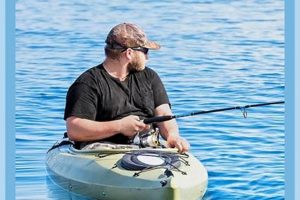
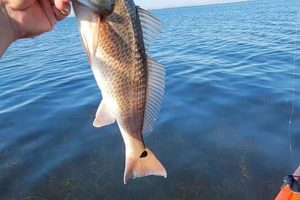
Competitive angling from small, human-powered vessels is a popular sport, combining the challenge of fishing with the accessibility and maneuverability of kayaks. These competitions typically involve anglers vying for prizes based on the size, weight, and sometimes species of fish caught within a specific timeframe and set of rules. Such events can range from small, local gatherings to large, professionally organized events with substantial prizes and sponsorships.
These events offer significant benefits to both participants and the local communities. For anglers, they provide opportunities to test their skills, learn new techniques, and socialize with fellow enthusiasts. For the host communities, tournaments can boost tourism, stimulate local economies, and raise awareness about conservation efforts and responsible fishing practices. The growing popularity of this sport highlights the increasing intersection of outdoor recreation and competitive angling. A deeper exploration of these competitions can reveal the nuances of tournament organization, the specific challenges and rewards of kayak angling, and the impact of these events on the broader fishing community.
This article will delve into the world of competitive kayak angling, exploring topics such as tournament formats, preparation strategies, essential gear, and the evolving landscape of this exciting sport.
Tips for Competitive Kayak Angling
Success in tournament kayak fishing requires careful planning and execution. These tips offer guidance for anglers seeking a competitive edge.
Tip 1: Pre-Fishing Scouting: Thorough knowledge of the target water body is crucial. Pre-fishing expeditions allow anglers to identify productive areas, optimal depths, and prevalent forage, increasing the likelihood of locating fish during the competition.
Tip 2: Efficient Gear Organization: A well-organized kayak is essential for quick access to tackle and equipment. Prioritize readily accessible rods, lures, and tools to minimize wasted time and maximize fishing opportunities.
Tip 3: Mastering Kayak Control: Precise boat control is essential for maintaining position in current or wind and for accurate lure presentation. Practice maneuvering the kayak effectively before the tournament.
Tip 4: Understanding Weather Conditions: Weather significantly impacts fish behavior. Monitor forecasts closely and adapt fishing strategies accordingly. Consider wind direction, temperature fluctuations, and cloud cover.
Tip 5: Species-Specific Techniques: Tailor fishing techniques to the target species. Research preferred baits, lures, and presentations to maximize catch rates.
Tip 6: Maintaining Focus and Endurance: Tournament fishing can be physically and mentally demanding. Proper hydration, nutrition, and rest are crucial for maintaining focus and stamina throughout the competition.
Tip 7: Adhering to Tournament Rules: Familiarize oneself with all tournament rules and regulations, including size limits, permitted fishing areas, and catch reporting procedures. Compliance ensures fair competition and upholds the integrity of the event.
Tip 8: Respecting Fellow Anglers and the Environment: Maintain ethical angling practices, demonstrate respect for fellow competitors, and prioritize environmental stewardship. Leave the fishing grounds cleaner than they were found.
By implementing these strategies, anglers can enhance their performance, increase their chances of success, and contribute to a positive tournament experience.
These preparations are essential foundations for a successful tournament experience, paving the way for anglers to test their skills against the challenges of competitive kayak fishing.
1. Competition

The competitive element is central to Georgia kayak fishing tournaments, driving participant behavior and shaping the overall event structure. Competition introduces a performance-based framework where anglers test their skills against one another, striving for recognition and prizes. Understanding the various facets of competition within these tournaments is crucial for both participants and observers.
- Tournament Formats:
Various tournament formats exist, each influencing competitive dynamics. Common formats include total weight, biggest fish, and species-specific categories. A total weight format encourages anglers to maximize their catch, while a biggest fish format prioritizes landing a trophy specimen. Species-specific categories focus competition on particular target fish. These formats influence angler strategies and contribute to the overall excitement and challenge of the tournament.
- Ranking and Scoring Systems:
Ranking and scoring systems determine how angler performance is evaluated. These systems can vary in complexity, considering factors such as fish weight, length, and species. Transparent and well-defined scoring systems are essential for fair competition and maintaining participant trust. Public leaderboards and real-time updates enhance engagement and add to the competitive atmosphere.
- Prizes and Recognition:
Prizes and recognition provide tangible rewards for competitive success. These can range from cash awards and sponsored gear to trophies and public acknowledgment. The allure of prizes incentivizes participation and drives anglers to perform at their best. Recognition ceremonies and media coverage further amplify the competitive element and contribute to the overall prestige of the tournament.
- Sportsmanship and Ethical Conduct:
While competition is a driving force, ethical conduct and sportsmanship remain paramount. Respect for fellow anglers, adherence to tournament rules, and conservation practices are essential for maintaining the integrity of the competition. Promoting fair play and ethical angling ensures a positive tournament environment and fosters camaraderie amongst participants.
These facets of competition collectively contribute to the unique experience of a Georgia kayak fishing tournament. The competitive drive, coupled with the challenging environment and camaraderie among anglers, creates a dynamic and rewarding event for all involved. By understanding the interplay of these competitive elements, participants can better prepare for the challenges and appreciate the rewards of these tournaments.
2. Kayak Angling
Kayak angling forms the core activity within Georgia kayak fishing tournaments. It distinguishes these events from traditional boat-based tournaments, presenting unique challenges and opportunities. Understanding the nuances of kayak angling is crucial for appreciating the specific skills and strategies employed by competitors in these tournaments.
- Stealth and Accessibility:
Kayaks offer a stealthy approach, allowing anglers to access shallow waters and navigate tight spaces often inaccessible to larger vessels. This advantage proves crucial in Georgia’s diverse waterways, from the shallow flats of coastal marshes to the winding creeks of inland rivers. Tournament participants leverage this maneuverability to reach prime fishing locations, gaining an edge over competitors restricted by larger boats.
- Equipment Specialization:
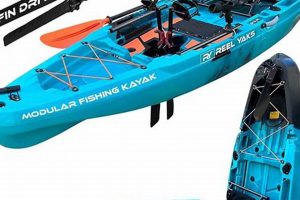
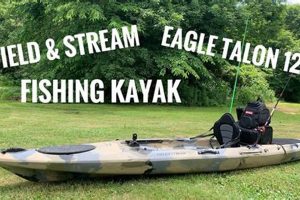
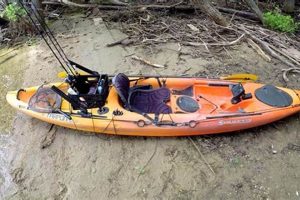
Kayak angling necessitates specialized equipment tailored to the limited space and unique demands of these small vessels. Rod holders, anchor systems, and tackle storage solutions designed specifically for kayaks are essential for efficient fishing. Tournament anglers often modify their kayaks with fish finders, GPS units, and other electronics to enhance their ability to locate and target fish. The choice and configuration of this specialized gear play a significant role in tournament success.
- Physical Demands and Techniques:
Kayak angling presents unique physical demands, requiring balance, coordination, and paddling skills. Casting and retrieving while maintaining kayak stability introduces a distinct challenge compared to fishing from a stable platform. Specific techniques, such as paddle casting and drift fishing, are often employed to maximize fishing efficiency. Tournament participants must be adept at these techniques to maintain control and effectively present lures while navigating the water.
- Safety Considerations:
Safety is paramount in kayak angling. Wearing a personal flotation device (PFD), carrying essential safety equipment, and understanding proper paddling techniques are crucial for mitigating risks. Weather conditions, water currents, and potential encounters with other vessels require careful consideration. Tournament organizers often mandate specific safety protocols to ensure participant well-being. These safety considerations are essential for responsible and successful tournament participation.
These facets of kayak angling contribute significantly to the distinct character of Georgia kayak fishing tournaments. The combination of stealth, specialized equipment, physical demands, and safety considerations creates a challenging and rewarding experience for competitors. Understanding these elements provides a deeper appreciation for the skill and preparation required to succeed in these tournaments, highlighting the unique aspects that set them apart from other competitive fishing events.
3. Georgia Fisheries

Georgia’s diverse aquatic ecosystems play a crucial role in the state’s kayak fishing tournaments. These fisheries provide the habitat and resources that support the target species pursued by tournament anglers. Understanding the characteristics and management of these fisheries is essential for both tournament organizers and participants.
- Diversity of Species:
Georgia’s waters boast a wide array of fish species, offering diverse angling opportunities. From largemouth bass in reservoirs to redfish in coastal marshes, tournament organizers can tailor events to specific target species, catering to angler preferences and skill levels. This diversity allows for specialized tournaments focused on popular game fish, attracting anglers with varying interests and expertise. The variety also presents challenges for anglers, requiring them to adapt their techniques and tackle to different species and habitats.
- Habitat Variety:
The state’s diverse habitats, including reservoirs, rivers, lakes, and coastal estuaries, influence tournament locations and strategies. Each habitat presents unique characteristics that affect fish behavior and angler approaches. Reservoirs offer deep-water structure and open areas conducive to trolling and deep-diving techniques. Rivers provide moving water and varied depths, favoring drift fishing and current breaks. Coastal estuaries present shallow flats and tidal influences, requiring specialized knowledge of tides and fish movement. Understanding these habitat variations is crucial for successful tournament participation.
- Fisheries Management:
Effective fisheries management practices, implemented by the Georgia Department of Natural Resources (DNR), ensure the sustainability of fish populations and the health of aquatic ecosystems. Regulations on size limits, catch limits, and fishing seasons directly impact tournament rules and angler behavior. Tournament organizers must adhere to these regulations to ensure legal compliance and promote responsible angling practices. Participants benefit from well-managed fisheries, which contribute to healthy fish populations and enhance the long-term viability of the sport.
- Accessibility and Public Access:
The accessibility of Georgia’s fisheries, with numerous public boat ramps and access points, facilitates tournament participation. Public access allows anglers to readily reach tournament waters, minimizing logistical barriers and encouraging participation. The availability of kayak-friendly launch sites is particularly important for these tournaments, as many traditional boat ramps may not be suitable for smaller vessels. This accessibility enhances the inclusivity of the tournaments and contributes to their popularity.
The characteristics of Georgia fisheries directly influence the planning, execution, and success of kayak fishing tournaments. The diversity of species, habitat variety, effective fisheries management, and public access collectively create a rich environment for competitive angling. Understanding these factors is essential for both organizers and participants to maximize the enjoyment and sustainability of these events.
4. Regulations and Permits

Regulations and permits are integral to the structure and operation of Georgia kayak fishing tournaments. These legal frameworks ensure responsible angling practices, protect fish populations, and maintain the integrity of competitive events. Understanding the relevant regulations and obtaining necessary permits is crucial for both tournament organizers and participants.
- Fishing Licenses:
All participants in Georgia kayak fishing tournaments must possess a valid Georgia fishing license. Different license types exist, catering to residents, non-residents, and specific durations of validity. Tournament organizers often verify license validity during registration. Possessing a valid fishing license ensures compliance with state law and supports conservation efforts funded through license fees. Anglers without valid licenses face penalties and disqualification from the tournament.
- Tournament Permits:
Organizing a fishing tournament in Georgia often requires obtaining specific permits from the Georgia Department of Natural Resources (DNR). These permits may stipulate allowable fishing locations, dates, and times, ensuring minimal disruption to aquatic ecosystems and other recreational activities. Tournament permits contribute to the organized management of fishing events and help prevent conflicts with other users of public waterways. Failure to obtain necessary permits can lead to tournament cancellation and legal repercussions for organizers.
- Size and Catch Limits:
Regulations dictate size and catch limits for various fish species. Tournament rules must adhere to these limits to ensure compliance with state law and promote conservation. These regulations protect fish populations by allowing younger fish to mature and reproduce, contributing to the long-term health of the fishery. Tournament weigh-ins often involve verifying fish sizes, and any violations can result in penalties for anglers and impact tournament rankings.
- Restricted Areas and Seasons:
Certain areas may be designated as restricted for fishing, either permanently or seasonally, to protect sensitive habitats or spawning fish. Tournament organizers must be aware of these restrictions and ensure tournament boundaries comply with regulations. Seasonal closures protect vulnerable fish populations during critical periods of their life cycle, contributing to their long-term sustainability. Ignoring these restrictions can result in fines and jeopardize the future of fishing access in affected areas.
Adherence to regulations and obtaining the necessary permits are fundamental aspects of responsible tournament organization and participation. These legal frameworks ensure the sustainability of Georgia’s fisheries and maintain the integrity of competitive kayak fishing. Understanding and complying with these requirements contribute to a positive tournament experience for all involved, protecting both the sport and the environment.
5. Safety Precautions
Safety precautions are paramount in Georgia kayak fishing tournaments, directly impacting participant well-being and the successful execution of events. The inherent risks associated with on-water activities, combined with the competitive nature of tournaments, necessitate a comprehensive approach to safety planning and implementation. Neglecting safety precautions can lead to accidents, injuries, and disruptions to the tournament, jeopardizing both individual well-being and the overall event.
Several factors contribute to the importance of safety in these tournaments. Kayaks, being smaller and less stable than traditional boats, are more susceptible to capsizing, especially in adverse weather conditions or strong currents. The competitive drive of participants can sometimes lead to risky maneuvers or neglecting proper safety protocols in pursuit of a winning catch. Furthermore, the remote locations of some fishing areas can complicate rescue efforts in case of emergencies. Real-life examples, such as anglers capsizing in rough waters or suffering from heat exhaustion during prolonged exposure to the sun, underscore the potential consequences of inadequate safety measures. These incidents highlight the need for proactive safety planning and adherence to established protocols. For example, a recent tournament saw a delay due to a participant requiring rescue after capsizing in unexpectedly strong currents, emphasizing the unpredictable nature of on-water conditions and the necessity of preparedness.
Effective safety precautions encompass various aspects, including mandatory personal flotation devices (PFDs), communication devices, and adherence to weather advisories. Tournament organizers often require participants to carry safety whistles, first-aid kits, and signaling devices. Pre-tournament safety briefings emphasize the importance of these measures and educate participants on emergency procedures. Understanding and adhering to these precautions minimizes risks, ensuring participant safety and contributing to a successful tournament. These preparations foster a culture of safety within the competitive environment, allowing anglers to focus on the challenge of fishing without compromising their well-being. The practical significance of prioritizing safety extends beyond individual well-being, contributing to the smooth operation and positive experience of all participants in Georgia kayak fishing tournaments. By addressing potential hazards proactively and fostering a culture of safety, organizers and participants collectively contribute to a safer and more enjoyable tournament environment for everyone involved.
6. Conservation Practices

Conservation practices are intrinsically linked to the sustainability of Georgia kayak fishing tournaments. These practices ensure the long-term health of aquatic ecosystems, supporting healthy fish populations and preserving the natural resources upon which these tournaments depend. Ignoring conservation principles jeopardizes the future of the sport, impacting both the environment and the recreational opportunities it provides.
- Catch and Release:
Promoting catch-and-release fishing minimizes the impact of tournaments on fish populations. Proper handling techniques, such as using barbless hooks and minimizing air exposure, increase the survival rate of released fish. Many tournaments mandate catch and release for certain species or size classes, contributing to the conservation of vulnerable populations. For example, tournaments targeting redfish, a popular game fish in Georgia’s coastal waters, often enforce strict catch-and-release protocols to protect breeding stocks. This practice ensures that future generations of anglers can enjoy the thrill of catching these prized fish.
- Habitat Preservation:
Protecting and restoring aquatic habitats is crucial for maintaining healthy fisheries. Tournament organizers and participants can contribute to habitat preservation by avoiding sensitive areas, minimizing disturbance to vegetation, and refraining from littering. Supporting organizations involved in habitat restoration projects, such as shoreline cleanups and riparian buffer planting, further strengthens conservation efforts. For instance, participating in or sponsoring initiatives to remove invasive aquatic plants helps maintain healthy native plant communities, providing crucial habitat for fish and other aquatic organisms. These efforts directly benefit the ecosystems that support tournament fishing.
- Responsible Waste Disposal:
Proper disposal of fishing line, hooks, and other tackle prevents pollution and protects wildlife. Discarded fishing line can entangle birds, turtles, and other aquatic animals, causing injury or death. Tournament organizers can provide designated disposal containers and educate participants on responsible waste management practices. Some tournaments incorporate shoreline cleanup activities as part of their event, actively contributing to the removal of debris from fishing areas. This collective effort minimizes the environmental impact of tournaments and fosters a sense of stewardship among participants.
- Invasive Species Awareness:
Educating anglers about invasive species and promoting practices that prevent their spread helps protect native ecosystems. Invasive species can outcompete native fish for resources, disrupt food webs, and introduce diseases. Tournament organizers can disseminate information about invasive species identification and encourage practices like cleaning kayaks and gear thoroughly to prevent their transport between different water bodies. Raising awareness among tournament participants helps prevent the unintentional introduction or spread of invasive species, safeguarding the integrity of Georgia’s aquatic ecosystems. For example, informing anglers about the dangers of zebra mussels, an invasive species that can clog water intake pipes and disrupt aquatic ecosystems, empowers them to take preventative measures and protect native habitats.
Integrating these conservation practices into Georgia kayak fishing tournaments contributes to the long-term health and sustainability of the sport. By prioritizing environmental stewardship, tournament organizers and participants ensure the continued enjoyment of these events for future generations. These practices extend beyond the immediate tournament setting, promoting a broader awareness of conservation issues and fostering responsible angling behavior throughout the fishing community. The continued success of kayak fishing tournaments in Georgia depends on the active participation of anglers in preserving the very resources that make the sport possible.
Frequently Asked Questions
This section addresses common inquiries regarding competitive kayak angling events in Georgia, providing concise and informative responses.
Question 1: What distinguishes a kayak fishing tournament from traditional boat-based tournaments?
Kayak fishing tournaments emphasize the angler’s skill in maneuvering and fishing from a small, human-powered vessel. These events often allow access to shallower waters and tighter spaces inaccessible to larger boats, influencing fishing strategies and target areas.
Question 2: How does one locate and register for kayak fishing tournaments in Georgia?
Information regarding upcoming tournaments can be found through online fishing forums, local kayak fishing clubs, and social media groups dedicated to the sport. Registration details are typically provided within event announcements.
Question 3: What specific gear or equipment is essential for competitive kayak fishing?
Essential equipment includes a fishing kayak equipped with rod holders, a paddle, appropriate fishing rods and reels, tackle suited to target species, a personal flotation device (PFD), and safety gear. A fish finder and GPS unit can be advantageous.
Question 4: Are there specific regulations or licensing requirements for participating in these tournaments?
A valid Georgia fishing license is mandatory for all participants. Specific tournament regulations, including size and catch limits, must be adhered to. Some events require additional permits or adherence to specific conservation practices.
Question 5: What safety precautions should one prioritize during a kayak fishing tournament?
Prioritizing safety involves wearing a PFD at all times, carrying essential safety equipment such as a whistle and first-aid kit, monitoring weather conditions, and adhering to tournament-specific safety guidelines. Informing someone of fishing plans and expected return time is also advisable.
Question 6: How can anglers contribute to conservation efforts during kayak fishing tournaments?
Anglers can practice catch and release, utilize barbless hooks, minimize fish handling time, properly dispose of fishing line and tackle, and respect designated no-fishing zones. Adhering to tournament-specific conservation guidelines further promotes responsible angling practices.
Understanding these aspects contributes to informed participation and responsible angling practices within Georgia kayak fishing tournaments.
For those seeking further information, the subsequent sections will delve into specific strategies for competitive kayak angling.
Conclusion
Competitive kayak angling events within Georgia offer a unique blend of sporting challenge and engagement with the natural environment. This article has explored the multifaceted nature of these tournaments, from the specific skills required for kayak angling to the importance of adhering to regulations and conservation practices. Understanding the competitive structure, the significance of Georgia’s diverse fisheries, and the paramount importance of safety precautions provides a comprehensive perspective on these increasingly popular events. The interplay of skill, strategy, and respect for the environment defines the essence of competitive kayak angling in Georgia.
The future of these tournaments rests upon the continued commitment to responsible angling practices and the collaborative efforts of organizers, participants, and regulatory bodies. Promoting ethical conduct, prioritizing conservation, and ensuring participant safety will contribute to the long-term sustainability and enjoyment of competitive kayak angling within Georgias rich aquatic ecosystems. Continued growth and development of this sport depend on fostering a culture of respect for both the competitive spirit and the natural resources that make it possible.