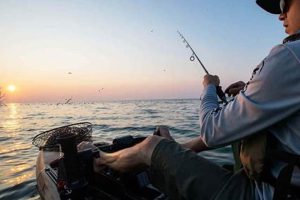
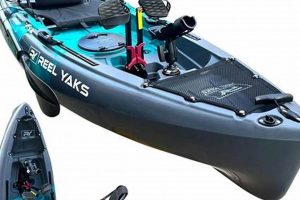
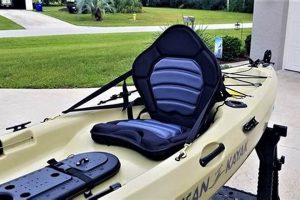
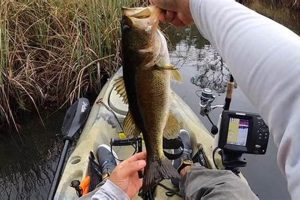
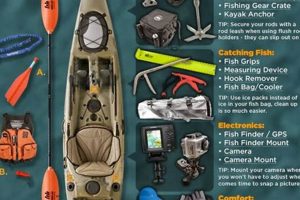
This activity involves angling from a small, non-specialized kayak. It provides a stable platform for casting lines and reeling in catches in calm or slow-moving waters. A typical setup might include rod holders, a tackle box, and an anchor.
The accessibility and affordability of this approach make it a popular choice. It offers a unique perspective on the water, allowing anglers to reach shallow areas and navigate quietly through diverse aquatic environments. This intimate connection with nature has drawn outdoor enthusiasts for generations, seeking both a recreational pastime and a means of harvesting food.
The subsequent sections will explore the necessary equipment, suitable locations, effective techniques, and essential safety precautions for a successful and enjoyable experience on the water.
Tips for Kayak Angling
Preparation and awareness are crucial for a safe and productive experience. The following tips offer valuable insights into maximizing success and minimizing risk.
Tip 1: Prioritize Stability: Choose a wider, flatter-hulled kayak for enhanced stability, especially for beginners. Consider adding outriggers for increased balance.
Tip 2: Distribute Weight Evenly: Proper weight distribution is essential for stability. Position heavier items low and centrally within the kayak.
Tip 3: Utilize a Kayak-Specific Paddle: Shorter, lighter paddles designed for kayak fishing offer greater maneuverability and control.
Tip 4: Secure Gear Appropriately: Employ rod holders, tackle boxes, and anchor systems designed for kayaks to keep equipment organized and accessible.
Tip 5: Dress for Immersion: Wear appropriate clothing and a personal flotation device (PFD) in case of capsizing.
Tip 6: Check Weather Conditions: Always monitor weather forecasts before embarking. Avoid strong winds, currents, and storms.
Tip 7: Inform Someone of Your Plans: Share your planned route and estimated return time with a friend or family member.
Tip 8: Practice Basic Kayak Maneuvers: Familiarize oneself with paddling techniques and self-rescue procedures before venturing out alone.
By adhering to these guidelines, anglers can significantly enhance their safety and enjoyment on the water, allowing for a more focused and rewarding angling experience.
These tips provide a foundation for safe and successful kayak angling. The next section will delve into specific techniques for different fish species.
1. Stable Kayak Selection

Kayak stability significantly impacts angling success and safety. A stable platform allows for comfortable casting, reeling, and landing fish, while minimizing the risk of capsizing, especially in challenging conditions or when handling active catches. Selecting an appropriate kayak is therefore paramount for a productive and enjoyable fishing experience.
- Hull Design:
Wider, flatter hulls generally offer greater initial stability, making them suitable for calmer waters and beginners. Pontoon-style hulls provide exceptional stability but may sacrifice maneuverability. Longer, narrower hulls, while less stable initially, offer better tracking and speed, advantageous in open water or when covering larger distances. “V” shaped hulls efficiently cut through waves but can feel less stable. Understanding the trade-offs between stability and performance is key to choosing the right hull design.
- Kayak Width and Length:
Wider kayaks (30+ inches) generally provide more stability than narrower models. Longer kayaks (12+ feet) tend to track straighter and offer more storage, but can be less maneuverable than shorter kayaks. The optimal dimensions depend on the intended fishing environment and angler preferences.
- Weight Capacity:
The kayak’s weight capacity should accommodate the angler’s weight, plus the combined weight of all gear, including rods, tackle, and any potential catch. Exceeding the weight capacity compromises stability and performance. Careful consideration of weight distribution within the kayak is crucial for maintaining balance and preventing tipping.
- Sit-on-Top vs. Sit-Inside:
Sit-on-top kayaks offer inherent stability due to their open design and self-bailing capabilities. They are easier to re-enter after a capsize, a significant safety advantage. Sit-inside kayaks, while offering better protection from the elements, require more skill to maintain balance and can be more challenging to recover from a capsize. Anglers should consider their experience level and the expected water conditions when choosing between these two types.
The choice of kayak directly influences the overall fishing experience. Prioritizing stability, considering individual needs and the intended fishing environment ensures a safe, comfortable, and ultimately more productive outing. A well-chosen kayak becomes an extension of the angler, facilitating a deeper connection with the water and enhancing the pursuit of the catch.
2. Essential Gear

Appropriate gear is fundamental to a successful and safe kayak fishing excursion. The following items are considered essential for maximizing efficiency on the water while ensuring angler comfort and preparedness for various situations.
- Paddle/PFD:
A kayak-specific paddle, shorter and lighter than standard canoe paddles, is crucial for efficient maneuvering and control. A properly fitted personal flotation device (PFD) is non-negotiable for safety and should be worn at all times. Paddle leashes prevent loss in the event of a capsize. Choosing a brightly colored PFD increases visibility in emergencies.
- Rods and Reels:
Shorter rods (6-7 feet) are generally preferred for kayak fishing due to space constraints and ease of handling within the confined cockpit. Rod holders securely mount rods to the kayak, freeing hands for paddling and other tasks. Reels spooled with appropriate line weight and type, matched to the target species, are essential. Consider spinning or baitcasting reels depending on personal preference and fishing style.
- Tackle and Storage:
A well-organized tackle box or bag is essential for storing lures, hooks, weights, and other fishing accessories. Waterproof containers protect sensitive items from moisture. A dry bag safeguards electronic devices and personal belongings. Consider a small first-aid kit for minor injuries.
- Anchor and Drift Chute:
An anchor allows anglers to maintain position in desired fishing spots, especially in current or wind. A drift chute controls the kayak’s drift speed, presenting lures or bait naturally. These tools enhance fishing effectiveness by allowing precise positioning and presentation.
These essential gear components form the foundation for a productive and safe kayak fishing experience. Careful selection and proper utilization of these items contribute significantly to angler comfort, efficiency, and preparedness on the water, ultimately enhancing the overall enjoyment and success of the fishing trip.
3. Safety Precautions

Safety is paramount when fishing from a regular kayak. The inherent risks associated with on-water activities are amplified by the smaller size and lower profile of a kayak, necessitating careful planning and diligent execution of safety measures. Ignoring these precautions can lead to dangerous situations, jeopardizing angler well-being and potentially resulting in serious incidents.
- Personal Flotation Device (PFD):
A PFD is the single most important piece of safety equipment. It provides essential buoyancy in the event of a capsize, preventing drowning even if the angler is unconscious or injured. All kayak anglers should wear a properly fitted, U.S. Coast Guard-approved PFD at all times, regardless of perceived swimming ability or water conditions. Inflatable PFDs offer greater comfort for extended wear but require regular inspection and maintenance.
- Weather Awareness:
Checking weather forecasts before and during any kayak fishing trip is crucial. Sudden changes in wind speed, direction, or precipitation can create hazardous conditions on the water. Strong winds can make paddling difficult and increase the risk of capsizing. Lightning storms pose a severe threat to anyone on the water. Postponing or curtailing a trip due to adverse weather is always the safest course of action.
- Float Plan:
Informing someone on shore of the intended fishing location, planned route, and expected return time is a critical safety measure. This information allows for a timely response in case of an emergency or overdue return. A float plan should include details about the kayak, the angler’s contact information, and any relevant medical conditions.
- Communication Devices:
Carrying a waterproof cell phone or VHF radio enables communication in case of emergencies. A whistle can be used to signal for help if other vessels are within earshot. Satellite communication devices offer reliable coverage even in remote areas beyond cellular range. Ensuring a means of communication is essential for summoning assistance if needed.
These safety precautions are integral to responsible kayak fishing. Diligent adherence to these practices significantly mitigates inherent risks, allowing anglers to focus on enjoying the experience while minimizing potential dangers. A proactive approach to safety promotes a positive and sustainable angling environment, preserving both individual well-being and the long-term enjoyment of the sport.
4. Effective Techniques

Effective techniques are essential for successful fishing from a regular kayak. The confined space and unique challenges presented by this platform necessitate specialized approaches distinct from shore or larger vessel fishing. Casting techniques must adapt to the lower casting position and potential for restricted backcasts. Accuracy and controlled delivery become paramount due to the kayak’s mobility and the need to avoid snags or entanglements. For example, sidearm or underhand casts are often employed to prevent interference with the kayak’s structure or surrounding vegetation. Precision in lure placement is amplified in importance due to the ability to position the kayak closer to target areas like weed beds or submerged structures. Adapting retrieval techniques to account for the kayak’s drift and the potential for changing currents is also critical. These specialized techniques directly influence catch rates and overall fishing success from a kayak.
Further enhancing effectiveness involves understanding fish behavior and adapting techniques accordingly. Quiet propulsion and the low profile of a kayak allow for stealthy approaches to wary fish. This advantage is maximized by employing finesse techniques, such as subtle lure presentations and precise line control. Reading water conditions, identifying likely holding spots, and adjusting retrieval speeds to match prevailing currents or the target species’ feeding habits contribute significantly to success. For instance, slow-rolling spinnerbaits near submerged logs or twitching jigs along drop-offs are examples of technique adjustments that can yield positive results. The ability to maneuver the kayak quietly and precisely allows for exploration of diverse habitats, maximizing opportunities for encountering different species and adapting techniques to exploit their specific behaviors.
Mastering effective techniques specific to kayak fishing significantly enhances angling success. Adapting casting and retrieval methods to the unique constraints and advantages of a kayak platform, combined with an understanding of fish behavior and habitat, allows anglers to maximize their catch potential. This proficiency translates to a more rewarding and efficient fishing experience, fostering a deeper connection with the aquatic environment and increasing the likelihood of achieving desired angling outcomes.
5. Suitable Locations
Suitable location selection is a critical factor influencing the success and enjoyment of kayak fishing. The inherent limitations and advantages of a regular kayak directly impact location suitability. Kayaks, unlike motorized boats, excel in calmer waters, offering superior access to shallow, protected areas often inaccessible to larger vessels. These locations, such as sheltered coves, estuaries, slow-moving rivers, ponds, and small lakes, frequently harbor diverse fish populations and provide optimal conditions for kayak angling. For instance, the shallow flats of a coastal estuary, teeming with juvenile fish and crustaceans, become readily accessible and effectively fished from a kayak. Conversely, large, open bodies of water exposed to strong winds, currents, or significant boat traffic pose safety and logistical challenges for kayak anglers, making them less suitable.
The connection between location characteristics and kayak fishing efficacy extends beyond mere accessibility. Water clarity, depth, vegetation, and structure all influence fish behavior and, consequently, angling success. Kayaks, with their quiet operation and low profile, allow for stealthy approaches in clear, shallow waters, maximizing opportunities to sight fish or target structure-oriented species. For example, targeting bass hiding amidst submerged logs in a clear, slow-moving river becomes a highly effective tactic from a kayak. Moreover, understanding the impact of tides, currents, and water temperature on fish distribution within a given location further refines location suitability. Choosing a location based on these factors, combined with knowledge of target species’ preferences, significantly increases the probability of a productive fishing experience. Failing to consider these elements can lead to unproductive outings, highlighting the practical significance of location selection in kayak fishing.
Careful evaluation of potential fishing locations based on the specific characteristics and limitations of a regular kayak is essential for a successful outing. Prioritizing calm, accessible waters, considering factors influencing fish behavior, and understanding the interplay of environmental conditions allow anglers to select locations that maximize their chances of success. This informed approach optimizes fishing time, enhances the overall experience, and promotes a deeper understanding of the aquatic environment and its inhabitants. Choosing suitable locations thus becomes a cornerstone of effective and enjoyable kayak fishing.
6. Respectful Practices
Respectful practices are integral to sustainable and ethical kayak fishing. The low-impact nature of kayak angling offers a unique opportunity to minimize disturbance to aquatic ecosystems and wildlife. Respectful practices encompass a range of considerations, including minimizing noise and physical disturbance, proper waste disposal, and adherence to catch and release guidelines. These practices directly impact the long-term health and viability of fish populations and the overall quality of the angling environment. For example, avoiding excessive paddling near nesting areas or spawning beds minimizes stress on fish during critical life stages. Similarly, retrieving snagged lures carefully reduces damage to submerged vegetation and habitats. Disregarding these practices can lead to habitat degradation, decreased fish populations, and ultimately diminish the quality of future fishing opportunities.
The practical application of respectful practices in kayak fishing extends beyond individual actions to encompass a broader stewardship ethic. Kayak anglers, due to their close proximity to the water and often remote access to pristine environments, bear a particular responsibility for environmental protection. Proper disposal of fishing line and tackle prevents entanglement of wildlife and minimizes plastic pollution. Respecting private property and adhering to access restrictions ensures continued access to fishing locations. Promoting Leave No Trace principles by packing out all trash and minimizing campsite impact further contributes to preserving the natural beauty and ecological integrity of fishing areas. Adopting this stewardship mindset fosters a sense of responsibility and shared ownership for the health of aquatic ecosystems, ensuring their long-term viability for both fish populations and future generations of anglers.
Respectful practices in kayak fishing are essential for maintaining healthy aquatic environments and ensuring the sustainability of the sport. Minimizing disturbance to wildlife and habitats, practicing proper waste disposal, and adhering to ethical angling guidelines directly contribute to the preservation of these valuable resources. Embracing a stewardship ethic and promoting responsible kayak angling practices ensures the long-term enjoyment of this rewarding recreational activity while safeguarding the ecological integrity of our waterways.
7. Catch and Release
Catch and release is a crucial conservation practice particularly relevant to kayak fishing. The low-impact nature of kayak angling often allows access to fragile or less-pressured fish populations, making responsible handling through catch and release essential for preserving these resources. Minimizing fish stress and mortality through proper handling techniques, such as using wet hands or rubber-coated nets, and minimizing air exposure directly contributes to maintaining healthy fish populations and the long-term sustainability of the fishery. For example, in a remote mountain lake accessible primarily by kayak, catch and release practices become paramount for preserving the unique genetic diversity and delicate balance of the resident fish population. Failure to implement these practices can result in localized depletion or even extirpation of vulnerable species, highlighting the direct impact of catch and release on fish populations in such environments.
The practical application of catch and release in kayak fishing involves specific techniques adapted to the unique challenges and opportunities presented by this platform. The confined space of a kayak necessitates efficient and careful handling of fish during the release process. Using appropriate tools, such as dehookers and pliers designed for quick and safe hook removal, minimizes handling time and reduces stress on the fish. Reviving exhausted fish alongside the kayak in calm water before release ensures their ability to recover and return to their natural behavior. For instance, when fishing for deep-water species in a kayak, allowing the fish to acclimate to shallower depths before release minimizes barotrauma-related mortality, demonstrating the practical application of catch and release principles in specific fishing scenarios. This understanding and implementation of adapted catch and release techniques directly contribute to the long-term health and abundance of fish populations accessed by kayak anglers.
Effective catch and release practices are essential for responsible kayak fishing and long-term fishery sustainability. Minimizing fish stress and mortality through proper handling, utilizing appropriate tools, and adapting release techniques to the kayak environment directly impacts the health and viability of fish populations, particularly in less-pressured or fragile ecosystems often accessed by kayak anglers. Understanding and implementing these practices are crucial components of ethical kayak angling, ensuring the continued enjoyment of this activity for future generations while preserving the ecological integrity of our waterways.
Frequently Asked Questions
This section addresses common inquiries regarding angling from non-specialized kayaks, providing concise and informative responses to clarify potential uncertainties.
Question 1: What type of regular kayak is best suited for fishing?
Wider, stable kayaks, particularly sit-on-top models, are generally recommended for enhanced stability and ease of access. Specific design features, such as rod holders and storage compartments, further enhance suitability.
Question 2: Is specialized fishing gear required?
While specialized gear can enhance the experience, standard fishing equipment can be adapted for kayak use. Shorter rods and appropriate tackle storage solutions are often beneficial.
Question 3: Are there specific safety considerations for kayak angling?
Wearing a personal flotation device (PFD) is paramount. Checking weather conditions, informing someone of trip plans, and carrying communication devices are essential safety precautions.
Question 4: What are the advantages of fishing from a regular kayak?
Kayaks offer access to shallow or protected waters often inaccessible to larger boats. Their quiet operation allows for stealthy approaches, maximizing fishing opportunities.
Question 5: What are the limitations of fishing from a non-specialized kayak?
Regular kayaks may lack specific features found in dedicated fishing kayaks, such as built-in rod holders or specialized seating. Stability can be a concern in rough water conditions.
Question 6: How does one choose an appropriate fishing location when using a regular kayak?
Calm, protected waters, such as ponds, small lakes, and slow-moving rivers, are generally ideal. Considering factors such as water clarity, depth, and the presence of structure can enhance fishing success.
Careful consideration of kayak selection, gear, safety precautions, and location suitability contributes significantly to a successful and enjoyable kayak angling experience. Prioritizing safety and responsible practices ensures the preservation of these valuable resources for future enjoyment.
The following section provides further resources and information for those interested in exploring the world of kayak angling.
Conclusion
Fishing from a regular kayak offers a unique and rewarding approach to angling, providing access to diverse aquatic environments while fostering a close connection with nature. Successful implementation requires careful consideration of kayak selection, essential gear, safety precautions, effective techniques, and suitable locations. Respectful practices and adherence to catch and release principles are crucial for ensuring the sustainability of this activity and the preservation of aquatic ecosystems.
The accessibility and adaptability of this angling method offer significant potential for both novice and experienced anglers. Continued exploration of techniques and responsible engagement with the environment will further enhance the enjoyment and long-term viability of fishing from a regular kayak, fostering a deeper appreciation for the sport and the natural world it encompasses.