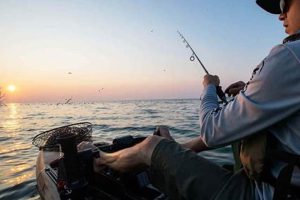
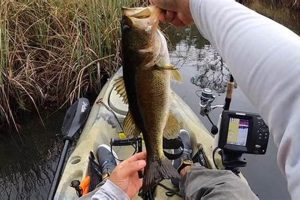
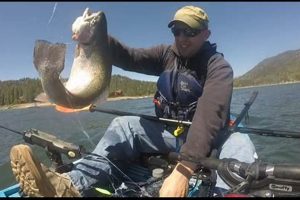
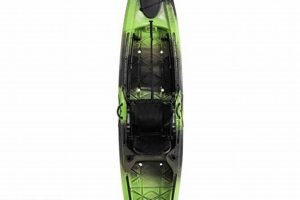
A specialized vessel designed for angling, this type of watercraft typically features a sit-on-top or sit-in design optimized for stability, maneuverability, and the integration of fishing-specific accessories. Common features include rod holders, tackle storage compartments, and often anchor trolleys or mounting points for fish finders. These crafts provide anglers with access to shallow waters and secluded fishing spots often inaccessible by larger boats.
The advantages of this specialized watercraft extend beyond mere access. Enhanced stability and a lower center of gravity compared to traditional recreational kayaks offer a secure platform for casting and reeling. Furthermore, the quiet propulsion system allows anglers to approach fish stealthily, increasing the chances of a successful catch. The evolution of these vessels reflects the growing popularity of kayak fishing, a sport that blends the tranquility of paddling with the excitement of angling.
The following sections delve deeper into various aspects of selecting and using this equipment, including choosing the right hull design, essential accessories, and safety considerations for a successful fishing experience.
Tips for Selecting and Using a Fishing Kayak
Choosing and utilizing a specialized fishing watercraft requires careful consideration of various factors to ensure a safe and productive angling experience. The following tips offer guidance for both novice and experienced anglers.
Tip 1: Consider Hull Design: Different hull designs offer varying levels of stability and maneuverability. A wider, flatter hull provides greater stability, ideal for calmer waters and stand-up fishing, while a longer, narrower hull offers better tracking and speed in open water.
Tip 2: Prioritize Comfort and Ergonomics: A comfortable seat and adjustable footrests are crucial for longer fishing trips. Ensure adequate space and accessibility for essential gear.
Tip 3: Evaluate Storage Capacity: Ample storage for tackle, rods, and safety equipment is essential. Consider dry storage compartments for electronics and personal items.
Tip 4: Choose Appropriate Propulsion: Paddle kayaks offer a quiet and eco-friendly approach, while pedal-powered versions allow hands-free fishing and increased speed. Motorized options provide greater range but may be restricted in certain areas.
Tip 5: Invest in Essential Accessories: Rod holders, anchor trolleys, and fish finders enhance fishing functionality. Safety equipment such as a personal flotation device (PFD), whistle, and navigation lights are paramount.
Tip 6: Practice Paddling and Maneuvering: Familiarize oneself with the kayak’s handling characteristics before venturing into open water. Practice launching, landing, and basic paddling techniques in a controlled environment.
Tip 7: Check Local Regulations: Research and adhere to local fishing regulations and waterway restrictions. Obtain necessary permits and licenses before embarking on a fishing trip.
By adhering to these guidelines, anglers can enhance their fishing experience, improve safety, and minimize environmental impact.
This information empowers informed decisions regarding selecting and effectively utilizing a fishing kayak, contributing to a more rewarding angling pursuit.
1. Watercraft

The term “watercraft” serves as a foundational element in understanding specialized fishing vessels. It denotes any vessel designed for navigation on water, encompassing a wide range of craft from small canoes to large ships. Within this broad category, the fishing kayak distinguishes itself through specific design adaptations catering to angling requirements.
- Hull Design and Stability
Hull design significantly influences a watercraft’s performance and stability. Fishing kayaks typically feature wider, flatter hulls compared to recreational kayaks, providing enhanced stability crucial for casting, reeling, and potentially standing while fishing. This design prioritizes stability over speed, contributing to a secure angling platform.
- Propulsion Systems
Watercraft employ diverse propulsion methods. Fishing kayaks offer options ranging from traditional paddles to pedal-driven systems and even small electric motors. The choice of propulsion depends on factors like fishing environment, desired speed, and hands-free fishing requirements. Paddle propulsion provides a quiet, non-intrusive approach, while pedal drives offer increased speed and allow anglers to keep their hands free for fishing.
- Size and Maneuverability
Size and maneuverability directly impact a watercraft’s suitability for specific environments. Fishing kayaks are typically smaller and more maneuverable than larger motorized boats, enabling access to shallow waters, narrow creeks, and other areas inaccessible to larger vessels. This maneuverability allows anglers to explore diverse fishing locations and target specific fish habitats.
- Material and Construction
The materials used in watercraft construction affect durability, weight, and performance. Fishing kayaks are commonly constructed from durable plastics like polyethylene or composites offering a balance between weight, strength, and affordability. The material choice influences the kayak’s overall weight, affecting portability and ease of transport.
These facets of watercraft design directly influence the fishing kayak’s form and function. The specific design adaptations cater to the demands of angling, creating a specialized vessel optimized for stability, maneuverability, and access to diverse fishing environments. Understanding these core elements provides a comprehensive understanding of the fishing kayak as a distinct type of watercraft.
2. Angling Platform

The concept of an “angling platform” is central to understanding the nature of a fishing kayak. It signifies more than just a vessel; it represents a dedicated workspace optimized for the specific demands of fishing. This perspective emphasizes the integration of design elements that facilitate effective and comfortable angling. A stable hull, for example, provides a secure base for casting and retrieving, minimizing the risk of capsizing. Integrated rod holders offer convenient storage and quick access to fishing rods, while strategically placed storage compartments keep tackle and other equipment organized and within reach. These features, collectively, transform a simple kayak into a dedicated angling platform.
Consider the example of sight fishing in shallow water. A fishing kayak’s low profile and quiet operation allow anglers to approach fish without disturbing them. The stable platform enables anglers to stand and cast with greater accuracy and visibility. Similarly, in river fishing, the maneuverability of a fishing kayak allows anglers to navigate tight corners and access secluded pockets where fish may congregate. The integrated features of the angling platform contribute directly to the angler’s success in these diverse environments. Without these specialized considerations, the angling experience would be significantly compromised.
In essence, understanding a fishing kayak as an angling platform highlights its functional design. It emphasizes the thoughtful integration of features that cater specifically to the needs of anglers. This perspective is crucial for selecting and effectively utilizing this specialized equipment. Recognizing the interplay between design and function empowers anglers to choose the right kayak for their specific needs and maximize their chances of a successful fishing trip. This knowledge contributes to a more rewarding and ultimately, more productive angling experience.
3. Stability
Stability forms a cornerstone of fishing kayak design, directly influencing performance and safety. A stable platform provides a secure base for casting, reeling, and other fishing activities, minimizing the risk of capsizing and maximizing angler comfort. Understanding the factors contributing to stability is crucial for selecting and effectively utilizing a fishing kayak.
- Hull Design
Hull design plays a pivotal role in determining stability. Wider, flatter hulls offer greater initial stability, making them ideal for calmer waters and activities like stand-up fishing. Conversely, narrower hulls, while offering greater speed and maneuverability, sacrifice some initial stability. Specialized hull designs, such as pontoon-style hulls, maximize stability but may compromise performance in other areas, such as tracking and speed. The specific hull design chosen depends on the intended fishing environment and angler preferences.
- Center of Gravity
A lower center of gravity contributes significantly to overall stability. Sitting lower in the kayak and distributing weight evenly enhances stability, reducing the likelihood of tipping. Adding weight to the bottom of the kayak, such as through integrated ballast systems, further lowers the center of gravity. Anglers also influence the center of gravity through their body position and movements, highlighting the importance of maintaining a balanced posture while fishing.
- Water Conditions
Environmental factors like wind, waves, and currents directly impact stability. Calm water conditions generally contribute to greater stability, while rough conditions present greater challenges. Kayak anglers must adapt their techniques and positioning to maintain balance in varying water conditions. Understanding the impact of these external forces is crucial for safe and effective kayak fishing.
- Kayak Features Contributing to Stability
Specific kayak features can enhance stability. Outriggers, for instance, provide additional lateral stability, particularly beneficial in rough waters or when standing. Wider seats and adjustable footrests contribute to a more secure and comfortable seating position, promoting balance and stability. These design elements complement the hull design and contribute to overall stability.
These interconnected factors demonstrate the multifaceted nature of stability in a fishing kayak. Careful consideration of hull design, center of gravity, water conditions, and specific kayak features empowers anglers to select the most appropriate craft for their needs and ensures a safe and productive fishing experience. Prioritizing stability enhances not only safety but also the overall fishing experience, allowing for greater focus on angling techniques and maximizing the chances of a successful catch.
4. Maneuverability
Maneuverability represents a critical aspect of fishing kayak design, directly influencing its effectiveness in various fishing environments. The ability to navigate tight spaces, swiftly change direction, and efficiently position the kayak for optimal casting angles contributes significantly to angling success. This characteristic distinguishes fishing kayaks from other watercraft and highlights their specialized nature.
- Hull Design and Length
Hull design significantly impacts maneuverability. Shorter kayaks with a more rockered (curved) hull tend to turn more easily, making them ideal for navigating tight creeks, rivers, and mangrove forests. Longer kayaks with less rocker track straighter and offer greater speed in open water but sacrifice some turning agility. Choosing the appropriate hull design depends on the intended fishing environment and the need for quick maneuvering versus straight-line tracking.
- Width and Stability
Kayak width influences both stability and maneuverability. Narrower kayaks generally offer greater maneuverability and speed, allowing for quick turns and efficient paddling. Wider kayaks, while providing enhanced stability, may require more effort to turn and maneuver in tight spaces. Balancing stability and maneuverability is essential for selecting a fishing kayak suitable for specific fishing conditions and angler preferences.
- Water Conditions
Water conditions, including current, wind, and waves, significantly affect maneuverability. Strong currents can challenge maneuverability, requiring greater paddling effort and precise boat control. Wind and waves can also impact tracking and turning, necessitating adjustments in paddling technique and kayak positioning. Understanding the influence of these environmental factors is crucial for maintaining control and effectively maneuvering the kayak in varying conditions.
- Propulsion System
The propulsion system impacts maneuverability. Paddle kayaks offer precise control and allow for quick changes in direction, ideal for navigating complex environments. Pedal-driven kayaks provide hands-free fishing but may have a slightly larger turning radius. Motorized kayaks offer greater speed and range but may be less maneuverable in tight spaces. The choice of propulsion depends on individual preferences, fishing style, and the characteristics of the fishing environment.
These interconnected factors illustrate the importance of maneuverability in defining a fishing kayak. The ability to precisely control and position the kayak in diverse environments enhances angling effectiveness and allows anglers to access prime fishing locations. Careful consideration of hull design, width, water conditions, and propulsion system empowers anglers to choose the most suitable craft for their specific needs and maximize their fishing success.
5. Specialized Features

Specialized features distinguish fishing kayaks from recreational kayaks, transforming them into dedicated angling platforms. These purpose-built additions enhance functionality, improve angler efficiency, and contribute significantly to a successful fishing experience. Understanding these features is crucial for discerning the essence of a fishing kayak and selecting the right equipment for individual needs.
- Rod Holders
Integrated rod holders are a defining feature, providing secure storage and quick access to fishing rods. Flush-mounted rod holders offer a streamlined profile, minimizing line entanglement, while adjustable rod holders allow for customized positioning. These features free anglers’ hands for paddling, landing fish, and other essential tasks. The number and placement of rod holders vary based on fishing style and angler preference.
- Tackle Storage
Dedicated tackle storage compartments keep essential gear organized and readily accessible. Waterproof hatches protect sensitive electronics and personal items, while open storage areas provide quick access to frequently used tackle. Specialized compartments for lures, hooks, and other small items contribute to efficient organization and prevent gear loss. The type and capacity of tackle storage vary depending on the fishing kayak model and intended use.
- Mounting Points and Accessory Tracks
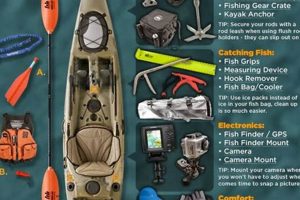
Mounting points and accessory tracks allow for the integration of various fishing accessories, such as fish finders, GPS units, anchor trolleys, and camera mounts. These customizable options enable anglers to tailor their kayaks to specific fishing styles and preferences. The availability and placement of mounting points influence the versatility and adaptability of the fishing kayak.
- Specialized Seating and Footrests
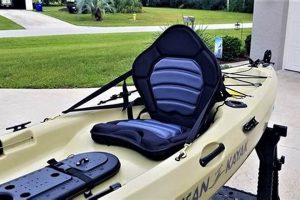
Elevated seating positions and adjustable footrests provide comfort and stability, especially for longer fishing trips. Ergonomic designs promote proper posture and reduce fatigue, allowing anglers to focus on fishing. Some models offer standing platforms, further enhancing sight fishing and casting capabilities. Seating comfort and adjustability significantly impact the overall fishing experience.
These specialized features transform a standard kayak into a dedicated fishing platform, optimized for efficiency, comfort, and angling success. The integration of these features directly addresses the unique needs of anglers, highlighting the specialized nature of the fishing kayak. Careful consideration of these features is essential for selecting a kayak that aligns with individual fishing styles, target species, and environmental conditions. This informed approach empowers anglers to maximize their time on the water and enhance the overall fishing experience.
6. Storage Solutions

Storage solutions constitute an integral component of a fishing kayak, directly impacting its functionality and the angler’s overall experience. Efficient storage facilitates organization, accessibility, and the safekeeping of essential equipment. The connection between storage solutions and the definition of a fishing kayak lies in the latter’s purpose as a specialized angling platform. Without adequate and appropriate storage, the kayak’s effectiveness as a fishing vessel is significantly compromised.
Consider the scenario of a multi-day fishing expedition. A kayak equipped with ample dry storage protects sensitive electronics, clothing, and food from water damage. Dedicated tackle storage keeps lures, hooks, and lines organized and readily accessible, minimizing time spent searching for gear and maximizing fishing time. Rod holders secure fishing rods, preventing loss or damage during transport and allowing for quick deployment when fish are spotted. In contrast, a kayak lacking sufficient or specialized storage presents challenges. Gear becomes disorganized, increasing the risk of tangles, loss, and damage. Time is wasted searching for misplaced items, detracting from the fishing experience. Wet gear compromises comfort and safety. These practical examples illustrate the direct impact of storage solutions on the overall effectiveness and enjoyment of kayak fishing.
In summary, storage solutions represent more than mere conveniences; they are essential components defining the functionality and practicality of a fishing kayak. The availability, type, and placement of storage directly influence the angler’s ability to organize, access, and protect essential gear. Understanding the importance of storage solutions empowers informed decisions regarding kayak selection and contributes to a more efficient, organized, and ultimately, more successful fishing experience.
7. Propulsion Options

Propulsion options represent a defining characteristic of fishing kayaks, directly impacting their versatility and suitability for specific fishing environments. The choice of propulsion system influences speed, maneuverability, stealth, and the overall fishing experience. This connection between propulsion and the essence of a fishing kayak lies in the latter’s role as a specialized angling platform. The propulsion system dictates how effectively anglers can access and navigate diverse fishing locations, impacting their ability to target specific species and maximize fishing success.
Consider the implications of different propulsion methods. Paddle kayaks offer a quiet, non-intrusive approach, ideal for stalking fish in shallow waters or navigating narrow creeks. The absence of motor noise minimizes disturbance, increasing the likelihood of a successful catch. Pedal-driven kayaks provide hands-free fishing, allowing anglers to focus on casting and retrieving while maintaining position or covering water efficiently. This advantage proves particularly beneficial in open water or when trolling. Motorized kayaks offer greater speed and range, enabling anglers to cover larger distances and access remote fishing spots. This capability expands fishing opportunities but may introduce noise and potentially restrict access to certain environmentally sensitive areas. These practical examples illustrate the direct impact of propulsion options on fishing strategies and overall effectiveness.
In summary, propulsion options constitute a critical element in defining a fishing kayak. They represent more than mere methods of movement; they are integral components shaping the kayak’s functionality and suitability for specific fishing scenarios. Understanding the nuances of each propulsion system empowers informed decisions, allowing anglers to select the most appropriate kayak for their individual needs and target fishing environments. This understanding contributes significantly to maximizing fishing efficiency, expanding access to diverse fishing locations, and ultimately, enhancing the overall angling experience.
Frequently Asked Questions
This section addresses common inquiries regarding fishing kayaks, providing concise and informative responses to clarify potential uncertainties and misconceptions.
Question 1: How does a fishing kayak differ from a recreational kayak?
Fishing kayaks feature specialized design elements, including rod holders, tackle storage, and enhanced stability, catering specifically to the needs of anglers. Recreational kayaks prioritize comfort and ease of paddling for general-purpose use.
Question 2: What are the primary advantages of using a fishing kayak?
Key advantages include access to shallow or otherwise inaccessible waters, quiet propulsion for stealthy approach, stability for casting and reeling, and dedicated features for efficient gear management.
Question 3: Which hull design is most suitable for various fishing environments?
Wider, flatter hulls offer superior stability in calm waters, while longer, narrower hulls excel in open water or rivers. Specialized hull designs, such as pontoon hulls, maximize stability for stand-up fishing but may sacrifice speed.
Question 4: What safety precautions should be taken when using a fishing kayak?
Essential safety measures include wearing a personal flotation device (PFD), carrying a whistle, informing someone of the fishing plan, checking weather conditions, and adhering to local waterway regulations.
Question 5: What essential accessories enhance the fishing kayak experience?
Recommended accessories include rod holders, anchor trolleys, fish finders, dry bags for electronics, and appropriate safety gear like a first-aid kit and navigation lights.
Question 6: How does one choose the appropriate propulsion system for a fishing kayak?
Propulsion choices include paddles for a quiet, traditional approach, pedal drives for hands-free fishing and increased speed, and motors for covering larger distances. Selection depends on individual preferences, fishing style, and target environment.
Understanding these key aspects facilitates informed decision-making when selecting and utilizing a fishing kayak, leading to a safer and more rewarding angling experience.
The following section explores advanced techniques for maximizing fishing success from a kayak.
What is a Fishing Kayak
A fishing kayak represents a specialized vessel designed for angling, incorporating features like rod holders, tackle storage, and a stable hull for enhanced fishing performance. This overview explored various aspects of these specialized watercraft, from hull design and propulsion options to essential accessories and safety considerations. The discussion highlighted the distinct characteristics that differentiate fishing kayaks from recreational kayaks and emphasized the importance of selecting the appropriate craft based on individual needs and fishing environments.
The evolution of fishing kayaks reflects the growing popularity of this specialized angling approach, offering a unique blend of accessibility, stealth, and connection with nature. Careful consideration of the features and functionalities discussed herein empowers informed decisions, enabling anglers to maximize their time on the water and enhance their overall fishing experience. The future of fishing kayaks promises continued innovation, driven by the pursuit of improved performance, enhanced comfort, and a deeper integration with the angler’s pursuit of a successful catch.