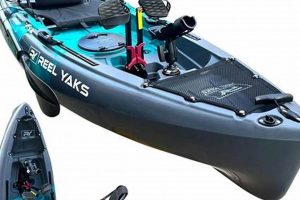
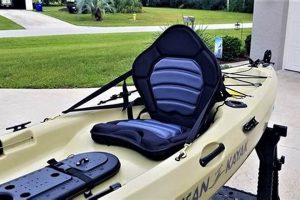
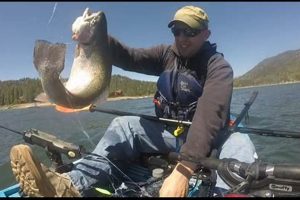
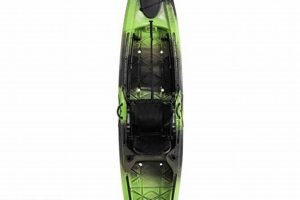
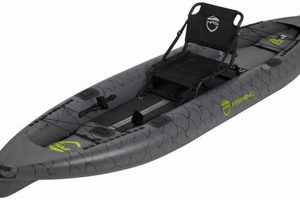
Angling from small, human-powered vessels in the sheltered estuarine environment of Choctawhatchee Bay offers a unique sporting experience. This approach allows access to shallow-water habitats often unreachable by larger boats, providing opportunities to target species such as redfish, speckled trout, and flounder. The calm, protected waters also make it an accessible activity for anglers of varying skill levels.
This style of fishing provides a low-impact way to experience the natural beauty and biodiversity of the bay. Its popularity stems from the combination of tranquility, physical challenge, and the potential for rewarding catches. Historically, small boats have been used for fishing in these waters, evolving from traditional methods to the modern, specialized kayaks equipped for the sport. This evolution reflects the enduring appeal of a close connection with the aquatic environment.
Further exploration will cover topics such as tackle and techniques, optimal locations and seasonal considerations, as well as the importance of conservation and responsible angling practices within this valuable ecosystem.
Tips for Angling in Choctawhatchee Bay from a Kayak
Successful kayak angling in Choctawhatchee Bay requires preparation and awareness of specific conditions. The following tips enhance safety and improve the likelihood of a productive experience.
Tip 1: Prioritize Safety Equipment: Always wear a personal flotation device. Carry a whistle, signaling mirror, and a waterproof communication device for emergencies. Inform someone of planned launch and return times.
Tip 2: Understand Tidal Influences: Choctawhatchee Bay experiences tidal fluctuations that impact fish behavior and navigable areas. Consult tide charts before launching and plan accordingly.
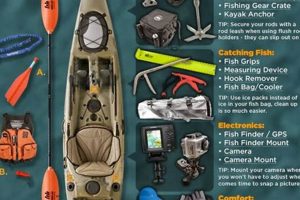
Tip 3: Choose Appropriate Tackle and Gear: Opt for lighter tackle suited to the target species and shallow water conditions. Rod holders and a well-organized tackle system contribute to efficiency on the water.
Tip 4: Respect Wildlife and Habitat: Practice catch-and-release whenever possible. Adhere to local fishing regulations and avoid disturbing nesting birds or other wildlife.
Tip 5: Utilize Stealth and Observation: Kayaks offer a quiet approach. Observe the water for signs of fish activity, such as baitfish or subtle surface disturbances.
Tip 6: Be Weather Aware: Check weather forecasts before embarking. Avoid venturing out in thunderstorms or high winds. Be prepared for changing conditions.
Tip 7: Employ Effective Paddling Techniques: Efficient paddling conserves energy and allows for greater coverage of the bay. Consider using an anchor or drift sock to maintain position in target areas.
Adherence to these guidelines promotes a safe and rewarding experience. Preparation and a mindful approach contribute significantly to success and the preservation of the bay’s ecosystem.
By incorporating these strategies, anglers can maximize their chances of a productive and enjoyable experience while contributing to the long-term health and sustainability of Choctawhatchee Bay.
1. Species Variety
Choctawhatchee Bay supports a diverse fish population, creating a dynamic angling environment. This variety significantly influences kayak fishing strategies and provides opportunities for targeting specific species based on angler preference and seasonal availability.
- Redfish (Sciaenops ocellatus)
Redfish are a popular target due to their fighting spirit and prevalence in the bay. They can be found in various habitats, from shallow grass flats to deeper channels, offering diverse angling experiences. Kayak anglers often employ sight-fishing techniques in shallow water or use bottom-fishing rigs in deeper areas.
- Speckled Trout (Cynoscion nebulosus)
Speckled trout, another sought-after species, prefer grassy areas and oyster bars. Kayak anglers target them using topwater lures, jigs, and live bait. Their sensitivity to water temperature and clarity makes understanding local conditions essential.
- Flounder (Paralichthys lethostigma)
Flounder, known for their camouflage and ambush predation, inhabit sandy or muddy bottoms. Kayak anglers often target them using jigs or live bait presented near the bottom. The quiet approach of a kayak can be particularly advantageous for flounder fishing.
- Other Notable Species
Beyond the primary targets, Choctawhatchee Bay also hosts species such as black drum, sheepshead, and various panfish. This diverse ecosystem provides ample opportunities for exploration and experimentation with different angling techniques.
The variety of species within Choctawhatchee Bay contributes significantly to the appeal of kayak fishing. Understanding the habits and preferred habitats of these species allows anglers to tailor their approach, maximizing their chances of success and contributing to a more enriching experience on the water. This diversity underscores the importance of conservation efforts to maintain a healthy and balanced ecosystem within the bay.
2. Shallow Water Access

Shallow water access represents a significant advantage of kayak fishing in Choctawhatchee Bay. The bay’s extensive shallow flats, grass beds, and oyster bars hold a rich diversity of fish species, often inaccessible to larger, motorized vessels. Kayaks, with their minimal draft, allow anglers to navigate these productive areas effectively. This capability significantly expands fishing opportunities and contributes to the overall appeal of this approach.
- Targeting Shallow-Water Species
Numerous game fish, including redfish, speckled trout, and flounder, favor shallow habitats. Kayak anglers can exploit this preference by positioning themselves within casting distance of these areas, increasing their chances of success. This targeted approach enhances the overall fishing experience and allows for specialized techniques tailored to these environments.
- Stealth and Approach
Kayaks provide a quiet, non-intrusive method for accessing shallow water. This stealthy approach minimizes disturbance to fish, making them less likely to spook and more receptive to presented lures or bait. Compared to the noise and commotion generated by larger boats, kayaks offer a significant advantage in these sensitive environments.
- Navigating Complex Terrain
Choctawhatchee Bay features a complex network of shallow creeks, channels, and submerged structures. Kayaks offer the maneuverability needed to navigate these intricate areas, opening up fishing grounds that remain inaccessible to other watercraft. This freedom of movement contributes to the explorative and adventurous aspect of kayak fishing.
- Reduced Environmental Impact
Kayaks have a minimal impact on the sensitive shallow-water ecosystems. Their lack of a motor prevents propeller scarring of seagrass beds and minimizes disturbance to the benthic environment. This low-impact approach aligns with conservation principles and contributes to the long-term health of the bay’s delicate habitats.
The ability to access shallow water environments within Choctawhatchee Bay is a defining feature of kayak fishing. This access not only expands fishing opportunities but also enhances the angler’s connection with the natural environment. By understanding the benefits and employing appropriate techniques, kayak anglers can maximize their experience while contributing to the preservation of this valuable ecosystem.
3. Kayak Stability
Kayak stability plays a crucial role in successful angling within Choctawhatchee Bay. A stable platform is essential for casting, landing fish, and ensuring angler safety, particularly in the varying conditions encountered within the bay environment. Understanding the factors that influence stability and selecting an appropriate kayak significantly impacts the overall fishing experience.
- Hull Design and Stability
Hull design directly influences kayak stability. Wider, flatter hulls generally offer greater primary stability (resistance to initial tipping), making them suitable for calmer waters and activities like sight-fishing. Longer, narrower hulls, while less stable initially, provide greater secondary stability (resistance to capsizing once tipped), beneficial in choppier conditions. Kayak anglers in Choctawhatchee Bay often favor designs that balance initial stability with maneuverability in shallow water.
- Impact of Water Conditions
Choctawhatchee Bay experiences variable water conditions, from calm, protected areas to open stretches subject to wind and waves. Kayak stability becomes increasingly important as conditions deteriorate. Anglers should choose a kayak with sufficient stability for the anticipated conditions and adjust their fishing techniques accordingly in rougher water.
- Angler Movement and Balance
Angler movements, such as casting, retrieving fish, and shifting body weight, influence kayak stability. Maintaining a low center of gravity and practicing smooth, deliberate motions enhance stability. Experience and familiarity with a particular kayak improve an angler’s ability to maintain balance in various situations.
- Gear and Equipment Considerations
The distribution of gear and equipment within the kayak affects its stability. Evenly distributing weight and securing loose items minimizes the risk of tipping. Specialized kayak fishing accessories, such as rod holders and anchor trolleys, contribute to both organization and stability on the water.
Consideration of these factors contributes significantly to a safe and productive kayak fishing experience in Choctawhatchee Bay. Selecting a kayak with appropriate stability characteristics for the anticipated conditions, combined with mindful angler behavior, enhances safety and allows for a greater focus on the enjoyment of the sport. This careful approach underscores the importance of preparation and awareness in maximizing the rewards of kayak fishing within this dynamic estuarine environment.
4. Launch Site Selection
Launch site selection significantly influences the overall kayak fishing experience in Choctawhatchee Bay. Careful consideration of access points, proximity to target fishing areas, and prevailing conditions contributes to a more efficient and enjoyable outing. A well-chosen launch site maximizes fishing time and minimizes transit challenges, enhancing the overall experience.
- Public Access Points
Choctawhatchee Bay offers numerous public access points, including boat ramps, parks, and designated kayak launch areas. Utilizing established access points ensures legal and convenient entry to the water. Researching available options and selecting a site appropriate for kayak launching simplifies the process. Examples include the Valparaiso Bayside Park and the Destin Public Boat Ramp.
- Proximity to Target Fishing Areas
Choosing a launch site near desired fishing grounds reduces paddling time and conserves energy. Identifying target species and their associated habitats informs launch site selection. Launching near shallow grass flats, oyster bars, or other productive areas maximizes fishing time. Online maps and local fishing reports can assist in identifying suitable locations near productive areas.
- Parking and Facilities
Considering available parking and facilities enhances convenience and safety. Launch sites with ample parking accommodate vehicles and trailers, reducing logistical challenges. Access to restrooms, fish cleaning stations, and other amenities further enhances the overall experience. Evaluating these logistical aspects contributes to a smoother and more enjoyable outing, particularly for longer trips. For instance, the Point Washington State Forest offers convenient parking near kayak-accessible fishing spots.
- Water and Weather Conditions
Prevailing water and weather conditions impact launch site suitability. Wind direction, tide levels, and current flow influence launch ease and navigation. Checking weather forecasts and tide charts before heading out ensures safe and efficient launching and retrieval. Avoiding areas exposed to strong winds or currents minimizes potential hazards. For example, strong northwesterly winds can create challenging conditions near the Destin Bridge, making alternative launch sites preferable.
Strategic launch site selection contributes significantly to a successful kayak fishing trip in Choctawhatchee Bay. Careful consideration of these factors streamlines the process, maximizes fishing time, and ensures a safe and rewarding experience. By understanding the interplay between launch location, target fishing areas, and environmental conditions, kayak anglers optimize their time on the water and enhance their connection with this diverse ecosystem. This thoughtful approach ensures a more enjoyable and productive fishing experience while minimizing potential challenges.
5. Tidal Currents

Tidal currents exert a significant influence on kayak fishing within Choctawhatchee Bay. These currents, driven by the gravitational forces of the moon and sun, create predictable yet dynamic water movement throughout the bay’s complex network of channels, flats, and inlets. Understanding the interplay between tidal currents and fish behavior is crucial for successful angling. Incoming tides often bring cooler, oxygenated water and an influx of baitfish, attracting predatory species like redfish and speckled trout to shallower areas. Conversely, outgoing tides concentrate fish in deeper channels and along drop-offs as water recedes from the flats. For example, fishing the edges of grass flats during a falling tide can be highly productive as baitfish and predators are funneled into these constricted areas. Conversely, fishing deeper holes and channels during a rising tide can be effective as fish move in with the incoming water.
Effective kayak anglers utilize tidal current knowledge to optimize fishing strategies. Paddling with the current during longer transits conserves energy and allows for efficient exploration of new areas. Conversely, anchoring or positioning the kayak against the current provides a stable platform for fishing specific locations. Knowledge of current direction and speed also influences lure selection and presentation. Faster currents necessitate heavier lures or rigs to maintain bottom contact, while slower currents allow for the use of lighter presentations. Furthermore, understanding how tides affect water clarity helps anglers choose appropriate fishing locations and techniques. For instance, sight-fishing for redfish is more effective in clear water associated with incoming tides. Conversely, murky water during outgoing tides may necessitate a shift to scent-based or tactile fishing methods. Utilizing a drift sock to control kayak speed and maintain position relative to the current further enhances fishing effectiveness.
Successful kayak fishing in Choctawhatchee Bay requires an understanding of tidal currents and their influence on the bay’s ecosystem. This knowledge allows anglers to anticipate fish movement, optimize fishing strategies, and ultimately enhance their chances of success. Neglecting tidal influences can lead to inefficient paddling, missed opportunities, and a less productive fishing experience. Integrating tidal current information with knowledge of fish behavior and habitat preference provides a comprehensive approach to angling within this dynamic estuarine environment. By acknowledging the significant role of tidal currents, kayak anglers can enhance their skills and cultivate a deeper appreciation for the intricate workings of Choctawhatchee Bay.
Frequently Asked Questions about Kayak Fishing in Choctawhatchee Bay
This section addresses common inquiries regarding kayak fishing in Choctawhatchee Bay, providing concise and informative responses to assist anglers in planning and executing successful outings.
Question 1: What are the most common fish species targeted by kayak anglers in Choctawhatchee Bay?
Redfish, speckled trout, and flounder represent the most frequently targeted species. Other notable catches include black drum, sheepshead, and various panfish.
Question 2: Are fishing licenses required for kayak fishing in Choctawhatchee Bay?
Valid Florida fishing licenses are required for anglers over the age of 16, unless exempt. Regulations and licensing information can be found through the Florida Fish and Wildlife Conservation Commission (FWC).
Question 3: What are the recommended safety precautions for kayak fishing in Choctawhatchee Bay?
Wearing a personal flotation device (PFD) is paramount. Carrying a whistle, signaling device, and communication device is also recommended. Informing someone of planned launch and return times enhances safety.
Question 4: Where can suitable kayak launch sites be found around Choctawhatchee Bay?
Numerous public access points, including boat ramps, parks, and designated kayak launch areas, exist around the bay. Researching available options and selecting a site suitable for kayak launching is essential.
Question 5: What impact do tides have on kayak fishing in Choctawhatchee Bay?
Tidal currents influence fish behavior and movement. Understanding tidal patterns allows anglers to predict fish location and optimize fishing strategies. Consulting tide charts before heading out is recommended.
Question 6: What are the essential pieces of equipment for kayak fishing in Choctawhatchee Bay?
Essential equipment includes a kayak appropriate for the conditions, a paddle, a PFD, fishing rods and reels, tackle appropriate for target species, and safety gear (whistle, signaling device, communication device). Additional accessories, such as rod holders, anchor trolleys, and fish finders, enhance the experience.
Careful consideration of these frequently asked questions prepares anglers for a safer and more productive kayak fishing experience within the unique ecosystem of Choctawhatchee Bay.
The next section provides further resources and links to relevant information, allowing for continued exploration of this exciting angling opportunity.
Kayak Fishing Choctawhatchee Bay
Exploration of this unique angling experience reveals the convergence of sporting pursuit and natural appreciation. Access to shallow-water habitats, combined with the quiet approach offered by kayaks, presents distinct advantages for targeting the bay’s diverse fish populations. Understanding tidal influences, selecting appropriate launch sites, and prioritizing safety considerations contribute significantly to a successful and rewarding outing. The delicate balance of this ecosystem underscores the importance of responsible angling practices and conservation efforts.
Choctawhatchee Bay offers a compelling destination for those seeking an immersive and sustainable fishing experience. Continued exploration of this valuable resource promises both rewarding catches and a deeper understanding of the intricate interplay between human interaction and the natural world. Preservation of this environment ensures future generations can enjoy the unique opportunities afforded by kayak fishing within this dynamic estuarine system.