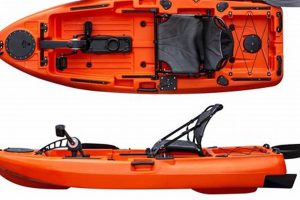
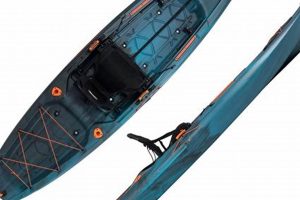
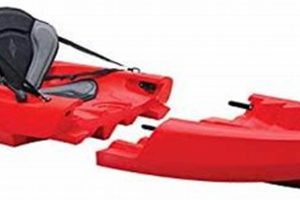
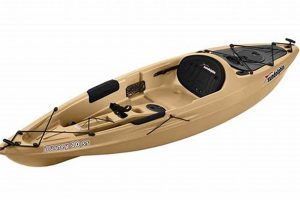
A collection of specialized equipment designed for angling from a small, human-powered watercraft typically includes essential gear like rods, reels, lures, tackle boxes, and safety devices such as a personal flotation device (PFD). Often, specialized accessories like rod holders, fish finders, and anchors tailored for kayak use are also included. A well-chosen setup can significantly enhance the angler’s experience and success.
This specialized equipment allows anglers to access shallow or hard-to-reach waters often teeming with fish, providing a unique and rewarding fishing experience. The ability to quietly maneuver through these environments increases the likelihood of successful catches. Historically, angling from small boats has been a common practice, but the development of modern, stable, and purpose-built kayaks combined with specialized fishing gear has elevated this pursuit to a new level of popularity and effectiveness. Improved technology in fish finders, GPS systems, and lighter yet stronger materials has broadened the horizons of kayak angling.
Further exploration will delve into specific equipment recommendations, safety considerations, and techniques for maximizing success on the water. This will provide a comprehensive understanding of the essential elements for a safe and productive experience.
Tips for Effective Kayak Fishing
Careful selection and organization of equipment contribute significantly to a successful and enjoyable kayak fishing experience. The following tips offer guidance for optimizing one’s approach.
Tip 1: Prioritize Safety Equipment. A personal flotation device (PFD) is paramount. A whistle, signaling mirror, and basic first-aid kit are also crucial for safe outings. Check local regulations for additional requirements.
Tip 2: Choose Appropriate Rods and Reels. Shorter rods, typically between 6 and 7 feet, are ideal for kayak fishing. Spinning or baitcasting reels paired with lines appropriate for the target species provide effective casting and retrieval.
Tip 3: Organize Tackle Efficiently. A well-organized tackle box or bag allows for quick access to lures and terminal tackle, minimizing disruptions during the fishing experience. Waterproof containers safeguard against water damage.
Tip 4: Select Kayak-Specific Accessories. Rod holders, anchor trolleys, and fish finders designed specifically for kayaks enhance stability and convenience. A paddle leash prevents accidental loss of the paddle.
Tip 5: Plan for Proper Fish Handling. A landing net or lip grippers facilitate safe and efficient handling of caught fish. Appropriate tools, such as pliers and dehookers, minimize stress on the fish during release.
Tip 6: Consider Comfort and Ergonomics. A comfortable seat and adjustable footrests improve stability and endurance during long hours on the water. Appropriate clothing and sun protection are also essential.
Tip 7: Practice Proper Kayak Etiquette. Respect other anglers and boaters by maintaining a safe distance. Adhere to local fishing regulations and minimize environmental impact.
Implementing these tips enhances safety, efficiency, and overall enjoyment on the water. A well-planned and organized approach maximizes the potential for a successful and fulfilling fishing experience.
By understanding these considerations, anglers can fully appreciate the advantages offered by specialized kayak fishing equipment and achieve optimal results.
1. Safety Gear

Safety gear represents a critical component of any kayak fishing kit, directly impacting angler well-being and successful trip completion. A properly equipped kit mitigates risks inherent in the on-water environment. Cause and effect relationships between safety gear and positive outcomes are readily apparent. For example, a properly fitted personal flotation device (PFD) can prevent drowning in the event of capsizing, while a whistle enables signaling for assistance in emergencies. Visual distress signals, such as a mirror or flares, increase visibility to rescuers, particularly in low-light or foggy conditions. A first-aid kit allows for immediate treatment of minor injuries, preventing escalation and ensuring continued fishing enjoyment.
Integrating essential safety equipment into the kayak fishing kit demonstrates a proactive approach to risk management. Beyond the core essentials of a PFD, whistle, and visual distress signals, additional safety considerations warrant attention. Carrying a communication device, such as a VHF radio or waterproof cell phone, provides a crucial link to emergency services. A knife, readily accessible on the PFD, aids in cutting fishing lines or other entanglements. Regularly inspecting and maintaining safety equipment ensures optimal functionality when needed. Understanding local weather conditions and water currents before embarking on a fishing trip further enhances safety and preparedness.
Prioritizing safety gear within the kayak fishing kit fosters a culture of responsible angling. Investing in high-quality equipment and adhering to established safety practices minimizes potential hazards and contributes to positive on-water experiences. This commitment to safety not only benefits individual anglers but also promotes a positive image for the sport. Integrating safety consciousness into every aspect of kayak fishing ensures long-term enjoyment and sustainability.
2. Fishing Tackle

Fishing tackle represents a crucial component within a kayak fishing kit, directly influencing angling success and overall experience. The careful selection and organization of tackle contribute significantly to efficient fishing and maximize catch potential. Specific tackle choices depend on targeted species, fishing environment, and angler preferences. For example, targeting bass in a freshwater lake necessitates different rods, reels, lines, and lures compared to pursuing saltwater species in an ocean environment. A well-organized tackle system within the kayak facilitates quick access to necessary items, minimizing disruptions during fishing and optimizing time spent actively angling.
Understanding the cause-and-effect relationship between tackle selection and fishing outcomes is crucial. Using heavier lines and larger hooks improves the chances of landing larger fish, but may deter smaller species. Lure selection plays a critical role in attracting target species; brightly colored lures often prove effective in murky waters, while more natural-looking lures may be preferred in clear conditions. The practical application of this understanding allows anglers to adapt their tackle to specific situations, increasing the likelihood of success. Carrying a variety of lures and terminal tackle addresses diverse fishing scenarios encountered during a kayak fishing trip. Proper storage of tackle, utilizing waterproof containers and compartments, safeguards against damage and ensures longevity.
Effective tackle organization within a kayak fishing kit directly impacts efficiency and enjoyment on the water. Dedicated tackle boxes or bags designed for kayak use provide secure storage and easy access. Labeling compartments and utilizing clear containers allows for quick identification of specific items, minimizing time spent searching for needed tackle. Streamlining the tackle system within the kayak contributes to a more focused and enjoyable fishing experience, allowing anglers to concentrate on the activity itself rather than managing equipment. This practical approach maximizes fishing time and contributes to a more rewarding experience overall.
3. Kayak Modifications

Kayak modifications play a crucial role in optimizing a kayak fishing kit for enhanced performance and angler convenience. Modifications directly influence stability, maneuverability, and overall fishing effectiveness. Cause and effect relationships are evident; for example, installing rod holders allows hands-free operation while paddling or landing fish, directly increasing safety and efficiency. Adding an anchor trolley system provides precise anchor control, enabling anglers to maintain position in desired fishing locations, thus maximizing fishing time and potentially increasing catch rates. Integrating these modifications transforms a standard kayak into a specialized fishing platform.
Consider a scenario where an angler targets fish near a structure like a submerged log. Without an anchor trolley system, maintaining position near the structure becomes challenging, particularly in windy conditions. The angler might drift away from the target area, reducing fishing effectiveness. However, with an anchor trolley, the angler precisely controls the anchor position, maintaining optimal proximity to the structure and maximizing fishing opportunities. Similarly, incorporating rod holders frees the angler’s hands for paddling, landing fish, or adjusting tackle. This enhances safety by preventing dropped rods and facilitates efficient multitasking, improving the overall fishing experience.
Understanding the practical significance of these modifications underscores their importance within a kayak fishing kit. Modifications enhance functionality, improve safety, and contribute directly to a more productive and enjoyable fishing experience. While the specific modifications chosen depend on individual fishing styles and target species, recognizing the impact of these enhancements allows anglers to tailor their kayak setups to achieve optimal results. Addressing potential challenges, such as weight distribution and stability changes resulting from modifications, ensures a safe and balanced kayak setup. This understanding empowers anglers to maximize the potential of their kayak fishing kit and elevate their on-water angling experience.

Navigation tools constitute a critical element within a kayak fishing kit, directly impacting angler safety and fishing success. These tools facilitate efficient movement on the water, location identification, and strategic positioning for optimal fishing. Cause-and-effect relationships are clearly evident. For example, utilizing a GPS device enables precise navigation to pre-determined fishing spots, increasing efficiency and minimizing time spent searching. A fish finder assists in locating fish concentrations, directly impacting catch rates. Accurate weather forecasting tools provide crucial information for planning safe and productive trips, mitigating risks associated with adverse weather conditions. Integration of these tools enhances both safety and fishing outcomes.
Consider a scenario where an angler seeks specific underwater structures known to hold fish. Without a fish finder, locating these structures relies on guesswork and less efficient methods. However, with a fish finder, the angler visually identifies the structures, precisely positions the kayak for optimal casting, and significantly increases the likelihood of success. Similarly, GPS facilitates navigation in unfamiliar waters or low-visibility conditions, ensuring anglers can return safely to their launch point. Access to real-time weather information allows anglers to make informed decisions regarding trip timing and duration, minimizing exposure to hazardous conditions. Practical application of these navigation tools empowers anglers to make informed decisions, maximizing both safety and fishing effectiveness.
Understanding the practical significance of navigation tools underscores their value within a kayak fishing kit. These tools provide essential information for safe and efficient navigation, contributing directly to a more successful and enjoyable fishing experience. While the specific tools selected depend on individual needs and fishing environments, recognizing the impact of effective navigation enhances preparedness and mitigates potential risks. Regularly updating and maintaining navigation tools ensures accurate information and reliable performance. Integrating these tools into a kayak fishing kit demonstrates a proactive approach to safety and fishing success, contributing to a more informed and rewarding on-water experience.
5. Comfort and Utility

Comfort and utility items within a kayak fishing kit significantly influence the overall angling experience. These seemingly secondary components play a crucial role in angler endurance, focus, and enjoyment, directly impacting the duration and effectiveness of fishing trips. Addressing comfort and utility needs allows anglers to concentrate on fishing rather than contending with preventable discomforts or equipment limitations. This focus enhances overall satisfaction and contributes to a more positive and productive experience on the water.
- Seating and Positioning
Proper seating and positioning directly affect angler comfort and endurance. Kayak seats with adjustable backrests and supportive cushioning mitigate fatigue during long hours on the water. Adjustable footrests provide crucial leverage for paddling and stability while fishing. Proper posture and ergonomic considerations minimize strain and contribute to sustained comfort, allowing anglers to fish effectively for extended periods. The impact of these elements becomes readily apparent during long fishing trips, where proper support translates directly to increased fishing time and reduced physical strain.
- Clothing and Sun Protection
Appropriate clothing and sun protection are essential for comfort and safety during kayak fishing excursions. Moisture-wicking fabrics and layered clothing regulate body temperature in varying weather conditions. Waterproof outerwear provides protection from rain and spray. Wide-brimmed hats, polarized sunglasses, and sunscreen shield anglers from harmful UV radiation, preventing sunburn and long-term skin damage. These elements contribute not only to comfort but also to overall health and well-being, ensuring anglers can enjoy the sport safely and comfortably.
- Hydration and Nutrition
Maintaining proper hydration and nutrition is crucial for sustained energy and focus during kayak fishing trips. Carrying ample water or other hydrating beverages prevents dehydration, especially in hot weather. Nutrient-rich snacks provide sustained energy and prevent fatigue. Proper hydration and nutrition directly impact physical and mental performance, allowing anglers to remain alert and focused throughout their fishing session. A dedicated cooler bag or insulated container within the kayak facilitates storage and access to food and beverages, ensuring readily available sustenance throughout the day.
- Dry Storage and Organization
Dry storage and organization within the kayak fishing kit safeguard essential items and contribute to efficient operation. Waterproof bags and containers protect electronics, personal belongings, and fishing gear from water damage. Organized storage compartments facilitate quick access to necessary items, minimizing time spent searching and maximizing fishing time. Effective organization reduces clutter and streamlines the fishing experience, allowing anglers to concentrate on the activity itself rather than managing equipment. This practical approach enhances both efficiency and enjoyment on the water.
These comfort and utility considerations, while sometimes overlooked, contribute significantly to a positive and productive kayak fishing experience. Addressing these needs allows anglers to focus on the activity itself, maximizing enjoyment and minimizing distractions. Investing in quality comfort and utility items enhances overall satisfaction and ensures long-term engagement with the sport. A well-equipped kayak fishing kit, encompassing both essential fishing gear and these crucial comfort and utility components, contributes directly to a more rewarding and fulfilling on-water experience.
Frequently Asked Questions
This section addresses common inquiries regarding kayak fishing kits, providing concise and informative responses to facilitate informed decision-making and enhance understanding.
Question 1: What essential safety equipment should every kayak fishing kit include?
Essential safety equipment includes a properly fitted personal flotation device (PFD), a whistle, visual distress signals (mirror or flares), and a basic first-aid kit. Additional safety considerations include a communication device (VHF radio or waterproof cell phone) and a knife readily accessible on the PFD.
Question 2: How does one choose appropriate fishing rods and reels for kayak fishing?
Shorter rods, typically between 6 and 7 feet, are generally preferred for kayak fishing due to limited space. Spinning or baitcasting reels paired with lines appropriate for the target species provide effective casting and retrieval in a kayak environment. Rod and reel selection should align with target species and fishing style.
Question 3: What are the key benefits of using kayak-specific accessories?
Kayak-specific accessories, such as rod holders, anchor trolleys, and fish finders, enhance stability, convenience, and fishing effectiveness. Rod holders secure rods while paddling or landing fish, anchor trolleys provide precise anchor control, and fish finders assist in locating fish concentrations. These specialized accessories optimize kayak functionality for fishing purposes.
Question 4: How should fishing tackle be organized within a kayak fishing kit?
A well-organized tackle system within a kayak facilitates efficient access to necessary items. Waterproof containers and compartments safeguard tackle against water damage. Labeling compartments and utilizing clear containers allows for quick identification of specific items, optimizing time spent fishing and minimizing disruptions.
Question 5: What navigation tools are recommended for kayak fishing?
Recommended navigation tools include a GPS device for precise positioning and route tracking, a fish finder for locating fish and underwater structures, and access to reliable weather forecasting information. These tools contribute to both safety and fishing effectiveness by providing crucial environmental awareness and navigational support.
Question 6: Why are comfort and utility considerations important in a kayak fishing kit?
Comfort and utility items, such as a comfortable seat, appropriate clothing, sun protection, hydration and nutrition supplies, and dry storage, significantly impact angler endurance, focus, and overall enjoyment. Addressing these needs allows for longer, more productive, and more enjoyable fishing trips.
Careful consideration of these frequently asked questions ensures a well-informed approach to assembling and utilizing a kayak fishing kit. Addressing these common concerns enhances safety, efficiency, and overall enjoyment on the water.
Further exploration of specific techniques and strategies for kayak fishing will be presented in the following sections.
Kayak Fishing Kit
Effective utilization of a dedicated collection of equipment designed for angling from a kayak hinges on a comprehensive understanding of its components and their synergistic function. Safety equipment, specialized fishing tackle, kayak modifications, navigation tools, and comfort/utility items contribute collectively to a safe, efficient, and rewarding experience. Careful selection and organization of these components, informed by knowledge of target species and fishing environments, maximize angling potential from a kayak platform. Understanding the cause-and-effect relationships between equipment choices and fishing outcomes empowers anglers to make informed decisions and optimize their approach.
Mastery of the specialized equipment and techniques associated with this pursuit unlocks unique angling opportunities. The ability to access shallow or otherwise inaccessible waters expands fishing horizons, while a well-planned and organized approach ensures preparedness and maximizes potential. Continued exploration of advanced techniques and specialized equipment will further refine skills and contribute to greater success on the water. This pursuit offers a rewarding blend of outdoor recreation and angling skill, providing ample opportunities for continuous learning and refinement.