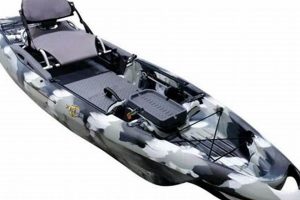
Angling from small, human-powered vessels in Western New York offers a unique approach to the sport. This method allows access to shallow waters and secluded areas often unreachable by larger motorized boats, providing opportunities to target diverse fish species within the region’s varied freshwater ecosystems. It combines the tranquility of paddling with the excitement of angling, offering a close-to-nature experience.
This activity has gained popularity due to its affordability, accessibility, and the growing interest in outdoor recreation. It provides a low-impact way to explore the natural environment while engaging in a challenging and rewarding pastime. The historical context intertwines with the region’s rich angling heritage, adapting traditional fishing methods to modern equipment and techniques. This evolution reflects the changing landscape of outdoor pursuits and a renewed appreciation for sustainable recreational activities.
The following sections will explore various aspects of this practice, covering suitable locations, essential equipment, recommended techniques, and relevant regulations. This information will provide a comprehensive guide for both novice and experienced anglers seeking to explore the diverse fishing opportunities available in Western New York waterways.
Tips for Kayak Fishing in Western New York
Successful angling from a kayak in Western New York requires careful planning and preparation. The following tips offer guidance for a safe and productive experience.
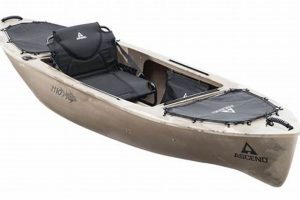
Tip 1: Choose the Right Kayak: Kayak selection depends on the intended fishing environment. Longer, narrower kayaks are better suited for open water and covering distances, while shorter, wider kayaks offer greater stability in calmer waters and are ideal for sight fishing or frequent casting.
Tip 2: Prioritize Safety Equipment: A personal flotation device (PFD) is essential and should be worn at all times. A whistle, signaling device, and first-aid kit are also crucial safety items.
Tip 3: Plan and Research Fishing Locations: Thoroughly research potential fishing spots, considering water conditions, access points, and species targeted. Consult local resources for up-to-date information on regulations and restrictions.
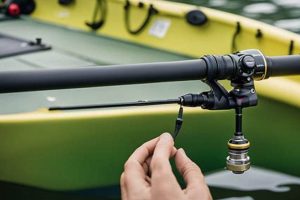
Tip 4: Organize and Secure Fishing Gear: Utilize tackle boxes and storage solutions designed for kayaks to keep equipment organized, accessible, and secure. Rod leashes prevent loss of valuable equipment in case of capsizing.
Tip 5: Practice Kayak Handling Skills: Develop proficiency in paddling, maneuvering, and launching/landing before venturing into challenging conditions. Practice casting and retrieving from a seated position to maintain balance and stability.
Tip 6: Be Mindful of Weather Conditions: Check weather forecasts before heading out and avoid fishing in adverse conditions such as strong winds, thunderstorms, or extreme temperatures. Be prepared for changing conditions and have an exit strategy.
Tip 7: Respect the Environment and Wildlife: Practice catch-and-release whenever possible. Pack out all trash and fishing line. Maintain a safe distance from wildlife and avoid disturbing natural habitats.
By adhering to these guidelines, anglers can enhance their safety, improve fishing success, and contribute to the preservation of Western New York’s natural resources.
These preparatory steps contribute significantly to a positive and successful fishing experience. The following section will delve into specific techniques and strategies for targeting various fish species commonly found in Western New York waters.
1. Safety Gear

Safeguarding against potential hazards inherent in the Western New York aquatic environment is paramount for kayak anglers. Appropriate safety equipment is crucial for mitigating risks and ensuring a positive experience. The following facets highlight essential safety considerations.
- Personal Flotation Device (PFD)
A properly fitted PFD is the most critical piece of safety equipment. It provides buoyancy and increases survivability in the event of capsizing or accidental immersion. Selecting a PFD designed for paddling and fishing allows for comfortable movement and access to fishing gear. New York State law mandates PFD usage for all individuals aboard kayaks.
- Signaling Devices
Carrying signaling devices, such as a whistle, air horn, or waterproof flashlight, enables communication in emergencies. These tools can attract attention and facilitate rescue operations in situations where verbal communication may be difficult or impossible due to distance or environmental conditions. Regularly testing these devices ensures functionality when needed.
- First-Aid Kit and Emergency Supplies
A well-stocked first-aid kit addresses minor injuries that may occur while fishing. Including essential items such as bandages, antiseptic wipes, pain relievers, and sunscreen protects against common ailments. Supplementing the kit with emergency supplies, like a waterproof fire starter and a multi-tool, further enhances preparedness for unforeseen circumstances.
- Proper Attire and Sun Protection
Dressing appropriately for prevailing weather conditions contributes significantly to angler safety and comfort. Wearing quick-drying clothing and layers allows for adaptability to changing temperatures. Utilizing sun protection measures, such as wide-brimmed hats, polarized sunglasses, and sunscreen, minimizes the risk of sunburn and long-term sun damage.
Implementing these safety precautions allows anglers to enjoy the diverse fishing opportunities available in Western New York while mitigating potential risks. Prioritizing safety enhances the overall experience and promotes responsible engagement with the aquatic environment.
2. Kayak Selection

Appropriate kayak selection significantly impacts fishing success and overall enjoyment within the diverse waterways of Western New York. The relationship between vessel choice and angling efficacy hinges upon several factors, including water conditions, target species, and fishing style. Choosing the correct kayak enhances stability, maneuverability, and access to desired fishing locations, thereby optimizing angling potential.
Western New York offers various aquatic environments, from the open waters of Lake Erie and Lake Ontario to the calmer currents of inland rivers and smaller lakes. A longer, narrower kayak, such as a touring or sea kayak, provides efficient paddling and tracking across larger bodies of water, benefiting anglers targeting pelagic species. Conversely, a shorter, wider kayak, like a sit-on-top or recreational kayak, offers enhanced stability and maneuverability within shallow waters and tighter confines, proving advantageous for anglers pursuing species inhabiting vegetated areas or rocky shorelines. For instance, anglers targeting smallmouth bass in the Niagara River might prefer a shorter, more maneuverable kayak to navigate the river’s currents and access rocky structures, while those trolling for lake trout on Lake Ontario would benefit from the speed and tracking of a longer sea kayak.
Ultimately, thoughtful kayak selection, informed by the specific conditions and objectives of a fishing excursion in Western New York, proves essential for a productive and enjoyable experience. Balancing stability, maneuverability, and storage capacity with the anticipated fishing environment directly influences angler success and overall satisfaction. Understanding this dynamic allows anglers to make informed decisions, optimize their approach, and fully appreciate the diverse angling opportunities available throughout the region’s waterways.
3. Location Scouting
Effective location scouting is paramount for successful kayak fishing in Western New York. Identifying suitable fishing spots requires careful consideration of various factors, including target species, water conditions, accessibility, and prevailing regulations. Thorough pre-fishing reconnaissance maximizes angling opportunities and enhances the overall experience.
- Target Species Considerations
Different fish species inhabit specific habitats within Western New York’s diverse waterways. Understanding the preferred environment of target species dictates location choice. For example, anglers seeking muskellunge might focus on weed beds and shallow bays, while those targeting trout might explore deeper, colder waters. Prior research into species-specific habitat preferences informs effective location scouting and increases the likelihood of encountering desired fish.
- Water Access and Conditions
Evaluating water access points and prevailing conditions is crucial for kayak anglers. Identifying suitable launch sites with ample parking and navigable entry points simplifies logistical challenges. Assessing water conditions, such as current flow, wind speed, and water clarity, impacts both safety and fishing effectiveness. Choosing locations with manageable conditions and accessible launch points ensures a safe and productive fishing experience.
- Regulatory Awareness
Adhering to fishing regulations specific to chosen locations is essential for responsible angling. Regulations may dictate catch limits, size restrictions, and permitted fishing methods. Consulting the New York State Department of Environmental Conservation website or local resources provides up-to-date information regarding licensing requirements and area-specific regulations. Respecting these regulations contributes to sustainable fisheries management and ensures legal compliance.
- Utilizing Mapping and Technology
Leveraging modern mapping tools and technology enhances location scouting efficiency. Online maps, satellite imagery, and bathymetric charts provide valuable insights into water depth, bottom structure, and potential fishing hotspots. Mobile applications offering real-time weather updates and fishing reports further assist in informed decision-making. Utilizing these technological resources streamlines location scouting efforts and increases the probability of successful fishing outcomes.
By integrating these facets into the location scouting process, kayak anglers in Western New York can significantly improve their chances of a productive and rewarding fishing experience. Thorough planning and informed decision-making contribute to both angling success and the responsible enjoyment of the region’s diverse aquatic resources.
4. Fishing Regulations
Adherence to fishing regulations is integral to responsible kayak fishing within Western New York. These regulations, established by the New York State Department of Environmental Conservation (NYSDEC), govern various aspects of angling activity, including licensing, seasons, catch limits, size restrictions, and permitted fishing methods. Their purpose lies in maintaining healthy fish populations, protecting sensitive aquatic ecosystems, and ensuring equitable access to resources for all anglers. Ignoring these regulations can lead to fines, suspension of fishing privileges, and detrimental impacts on the long-term sustainability of Western New York’s fisheries.
Regulations often vary based on specific water bodies and targeted species. For example, Lake Erie may have different size limits for smallmouth bass compared to the Niagara River. Similarly, open seasons for trout fishing may differ between inland streams and Lake Ontario tributaries. Understanding these nuances is crucial for kayak anglers. Resources such as the NYSDEC website and local bait and tackle shops provide detailed information on current regulations. Checking these resources prior to each fishing trip ensures compliance and contributes to responsible angling practices. For instance, an angler targeting walleye on Lake Erie must be aware of the open season dates, daily catch limits, and minimum size requirements. Failure to adhere to these specific regulations could result in penalties and negatively impact walleye populations.
In conclusion, understanding and adhering to fishing regulations is not merely a legal obligation but a critical component of ethical kayak fishing in Western New York. This awareness contributes to the preservation of healthy fish populations and the long-term sustainability of the region’s aquatic ecosystems. By staying informed and complying with regulations, kayak anglers participate in responsible resource management and ensure the continued enjoyment of angling opportunities for future generations. Ignoring these regulations undermines conservation efforts and jeopardizes the future of fishing in the region.
5. Species Knowledge
Possessing comprehensive knowledge of target species significantly enhances kayak fishing success in Western New York. This understanding encompasses various aspects of fish behavior, including preferred habitats, feeding patterns, and seasonal movements. Such knowledge informs strategic decisions regarding lure selection, fishing location, and presentation techniques, thereby maximizing angling opportunities. For example, knowing that smallmouth bass often inhabit rocky structures and aggressively pursue crayfish imitations allows anglers to select appropriate lures and target areas likely to hold these fish. Conversely, understanding that walleye exhibit crepuscular feeding habits and prefer deeper, cooler water prompts anglers to adjust fishing times and target depths accordingly. This targeted approach, based on species-specific knowledge, significantly increases the probability of successful hookups.
Practical application of species knowledge extends beyond simply choosing the right lure or location. Understanding seasonal spawning behaviors and migratory patterns influences fishing strategies throughout the year. For instance, targeting pre-spawn smallmouth bass near shallow, rocky areas with crankbaits or jigs can prove highly effective. Similarly, focusing on deeper water drop-offs during summer months can yield better results when pursuing lake trout. Furthermore, knowledge of fish feeding habits directly impacts lure selection. Using minnow imitations during periods of baitfish activity or employing insect-like lures during a hatch can significantly increase catch rates. Adapting techniques based on seasonal variations and specific species behavior is a hallmark of successful kayak anglers in Western New York.
In essence, comprehensive species knowledge serves as a cornerstone of successful kayak fishing in Western New York. This understanding allows anglers to adapt their strategies dynamically, maximizing their chances of success while minimizing environmental impact. By aligning fishing techniques with species-specific behaviors and habitat preferences, anglers enhance their angling prowess and contribute to the sustainable enjoyment of the region’s diverse fishery resources. This informed approach fosters a deeper appreciation for the intricate interplay between angler, target species, and the aquatic environment. Neglecting this crucial aspect limits fishing success and potentially disrupts the delicate balance of the ecosystem.
6. Weather Awareness
Weather awareness is paramount for safe and successful kayak fishing in Western New York. The region’s variable weather patterns, including rapid shifts in wind speed and direction, temperature fluctuations, and sudden precipitation, necessitate careful monitoring and informed decision-making. Neglecting weather considerations can expose anglers to hazardous conditions, jeopardizing safety and negatively impacting the overall fishing experience. A comprehensive understanding of weather dynamics and their impact on water conditions allows for proactive planning and adaptation, promoting both angler safety and fishing efficacy.
- Wind Conditions
Wind significantly impacts kayak control and maneuverability, particularly on larger bodies of water like Lake Erie and Lake Ontario. Strong winds can create challenging paddling conditions, making it difficult to maintain position or return to shore. Checking wind forecasts before embarking on a fishing trip and continuously monitoring wind speed and direction while on the water are crucial safety practices. Strong gusts can capsize kayaks, especially those with higher profiles. Adapting fishing locations based on wind direction, seeking sheltered coves or shorelines, and utilizing drift socks to control kayak movement are essential strategies for mitigating wind-related risks. For example, strong westerly winds on Lake Erie may necessitate fishing closer to the eastern shoreline or seeking the protection of a breakwall.
- Temperature Fluctuations
Western New York experiences significant temperature variations throughout the year, impacting both angler comfort and fish behavior. Dressing in layers allows for adaptability to changing temperatures throughout the day. Extreme cold can lead to hypothermia, while excessive heat can cause heatstroke or exhaustion. Understanding how temperature influences fish activity informs angling strategies. Cold water temperatures can slow fish metabolism, requiring slower retrieval techniques, while warmer water can stimulate increased activity and aggressive feeding behavior. For example, targeting trout during early spring requires understanding their preference for colder water temperatures, directing anglers to deeper sections of lakes or streams.
- Precipitation and Storms
Sudden rain showers and thunderstorms pose significant safety risks to kayak anglers. Lightning strikes are a serious hazard on open water. Monitoring weather forecasts for potential precipitation allows for proactive adjustments to fishing plans. Carrying a waterproof bag for electronic devices and essential gear safeguards against water damage. Seeking immediate shelter on shore during thunderstorms is crucial for lightning safety. Understanding how rain impacts water clarity and fish behavior informs post-precipitation fishing strategies. For instance, increased runoff after heavy rain can make rivers and streams turbid, influencing lure choice and fishing location.
- Water Temperature
Water temperature influences fish behavior and dictates appropriate angling techniques. Cold water temperatures decrease fish metabolism, influencing feeding patterns and requiring slower lure presentations. Conversely, warmer water temperatures increase fish activity, often leading to more aggressive feeding. Understanding the relationship between water temperature and target species behavior informs lure selection, fishing depth, and retrieval speed. Utilizing a thermometer to gauge water temperature provides valuable data for optimizing fishing strategies. For example, targeting smallmouth bass in cold water may require using slower-moving jigs or bottom-bouncing rigs, while warmer water temperatures may warrant faster-moving crankbaits or topwater lures.
By integrating these facets of weather awareness into pre-fishing planning and on-the-water decision-making, kayak anglers in Western New York enhance both safety and fishing success. Proactive monitoring and informed adaptation to prevailing weather conditions contribute significantly to a positive and productive angling experience while mitigating potential risks associated with the region’s dynamic weather patterns. Failing to account for these factors can lead to dangerous situations and diminish the overall enjoyment of kayak fishing in Western New York.
7. Ethical Practices

Ethical practices constitute a cornerstone of responsible kayak fishing in Western New York, directly impacting the long-term health and sustainability of the region’s aquatic ecosystems. These practices extend beyond mere adherence to fishing regulations, encompassing a deeper respect for the environment and a commitment to minimizing angling’s ecological footprint. Embracing ethical considerations ensures the preservation of these valuable resources for future generations of anglers and safeguards the delicate balance of the natural world.
Several key ethical practices hold particular relevance for kayak fishing in Western New York. Catch-and-release fishing, when practiced responsibly, minimizes stress on fish populations and contributes to their long-term viability. Proper handling techniques, including minimizing air exposure and using appropriate de-hooking tools, increase the likelihood of successful fish releases. Avoiding fishing in spawning areas protects vulnerable breeding populations and safeguards future generations of fish. Minimizing disturbance to wildlife, such as nesting birds or basking turtles, demonstrates respect for the broader ecosystem and reduces unintended negative impacts. Retrieving lost fishing line and properly disposing of all trash preserves the aesthetic integrity of the environment and prevents entanglement hazards for both wildlife and fellow anglers. For instance, discarding monofilament fishing line can lead to entanglement of waterfowl, turtles, and other aquatic creatures, while leaving trash along shorelines detracts from the natural beauty of the area. Furthermore, respecting private property rights and accessing fishing locations only through designated public access points demonstrates responsible community engagement and avoids potential conflicts.
In conclusion, ethical practices form an inseparable component of responsible kayak fishing in Western New York. These actions reflect a commitment to environmental stewardship and ensure the long-term sustainability of the region’s aquatic resources. Embracing ethical considerations fosters a deeper appreciation for the natural world and promotes a culture of respect among anglers. Failure to prioritize ethical practices risks jeopardizing the delicate balance of these ecosystems and threatens the future of kayak fishing in the region. The continued enjoyment of this recreational pursuit hinges upon the collective responsibility of anglers to prioritize ethical considerations in every aspect of their fishing experience.
Frequently Asked Questions
This section addresses common inquiries regarding angling from kayaks in Western New York. The responses provide concise yet comprehensive information pertinent to prospective and experienced anglers alike.
Question 1: What are the essential safety precautions for kayak fishing in Western New York?
Essential safety measures include wearing a personal flotation device (PFD), carrying signaling devices (whistle, air horn), having a first-aid kit, checking weather forecasts, and informing someone of fishing plans. These precautions mitigate potential risks associated with the aquatic environment.
Question 2: Which kayak type is best suited for fishing in Western New York waters?
Kayak selection depends on the specific fishing location and target species. Longer kayaks are suitable for open water and traversing distances, while shorter, wider kayaks offer greater stability in calmer waters and tighter spaces. Researching various kayak types helps determine the most appropriate vessel for individual needs and fishing styles.
Question 3: Where can suitable kayak fishing locations be found in Western New York?
Western New York offers diverse fishing opportunities, from the Great Lakes to inland rivers and smaller lakes. Resources such as online maps, local bait and tackle shops, and the NYSDEC website provide information on public access points and suitable fishing locations.
Question 4: What fishing regulations apply to kayak anglers in Western New York?
Regulations govern licensing requirements, open seasons, catch limits, size restrictions, and permitted fishing methods. Consulting the NYSDEC website ensures compliance with current regulations, which vary depending on location and target species.
Question 5: What essential gear is recommended for kayak fishing in the region?
Essential gear includes appropriate fishing rods and reels, tackle suited to target species, landing net, pliers, fishing line cutters, and storage solutions for tackle and equipment. Kayak-specific accessories, such as rod holders and anchor trolleys, enhance fishing efficiency and safety.
Question 6: How does weather affect kayak fishing in Western New York, and how can anglers prepare?
Weather conditions, particularly wind, temperature, and precipitation, significantly impact kayak fishing safety and success. Checking weather forecasts before heading out, dressing in layers, having rain gear, and being prepared to adjust plans based on changing conditions are crucial for a safe and enjoyable experience. Monitoring weather conditions while on the water allows for timely adjustments to fishing locations and strategies.
Understanding these commonly addressed topics provides a foundational understanding of kayak fishing in Western New York. Further exploration of specific techniques and location-based information enhances angling success and promotes responsible engagement with the aquatic environment.
For additional resources and information, please consult the resources listed at the end of this article.
Conclusion
Exploration of this popular Western New York pursuit reveals a multifaceted activity requiring careful consideration of various factors. Safe and successful participation hinges upon appropriate equipment selection, diligent location scouting, adherence to fishing regulations, comprehensive species knowledge, astute weather awareness, and unwavering commitment to ethical practices. Each element contributes significantly to both angler success and the long-term sustainability of the region’s valuable aquatic resources.
The information presented serves as a foundation for informed participation in this rewarding outdoor activity. Continued learning, responsible angling practices, and respect for the natural environment will ensure the preservation of these unique fishing opportunities for future generations. Western New York’s diverse waterways offer a compelling invitation to experience the tranquility and excitement inherent in this distinctive angling pursuit. Careful preparation and mindful engagement enhance not only personal enjoyment but also contribute to the ongoing health and vitality of the region’s aquatic ecosystems.