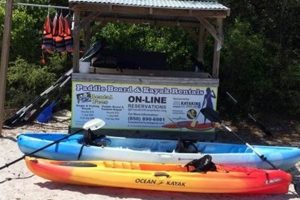
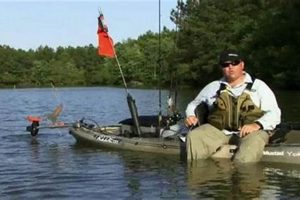
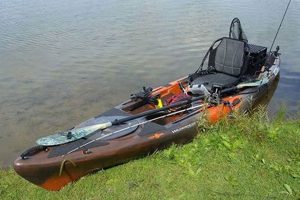
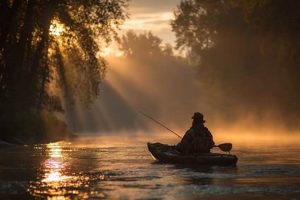
This activity involves angling from a small, human-powered watercraft in the coastal waters surrounding Corpus Christi, Texas. The region’s diverse ecosystems, including bays, estuaries, and the Gulf of Mexico, provide anglers access to a wide variety of fish species. This method offers a unique blend of sport, recreation, and connection with nature.
The shallow-water access afforded by these small vessels allows exploration of areas often unreachable by larger boats, leading to potentially greater fishing success. The quiet, non-motorized approach minimizes disturbance to fish and the surrounding environment, enhancing the angling experience. Historically, small boats have played a crucial role in fishing practices worldwide; this modern iteration combines traditional methods with contemporary equipment and a focus on sustainable interaction with the marine environment. The relatively low cost of entry compared to motorized boating makes it an accessible recreational pursuit.
The following sections will explore specific aspects of this pursuit, including preferred locations, targeted species, necessary equipment, safety considerations, and the area’s conservation efforts.
Tips for Kayak Fishing in Corpus Christi
Careful planning and preparation contribute significantly to a successful and enjoyable fishing experience. The following tips provide valuable guidance for anglers.
Tip 1: Check Weather and Tide Charts: Wind, tides, and currents significantly impact navigation and fishing conditions. Consulting forecasts before departure is crucial for safety and optimizing fishing success.
Tip 2: Choose Appropriate Gear: Selecting the right kayak, paddle, fishing rods, reels, and tackle appropriate for the target species and fishing location enhances efficiency and enjoyment.
Tip 3: Prioritize Safety Equipment: Carrying essential safety gear, including a personal flotation device (PFD), a whistle, a first-aid kit, and a communication device, is paramount. Informing someone of the planned fishing location and estimated return time is also highly recommended.
Tip 4: Understand Local Regulations: Familiarization with Texas Parks and Wildlife Department regulations concerning fishing licenses, catch limits, and permitted fishing areas is essential for legal and ethical angling.
Tip 5: Practice Kayak Handling: Developing proficiency in maneuvering and controlling a kayak, especially in varying wind and water conditions, improves safety and fishing effectiveness.
Tip 6: Employ Proper Fishing Techniques: Utilizing appropriate fishing techniques, including lure selection, casting methods, and fish handling practices, increases the likelihood of success and minimizes environmental impact.
Tip 7: Respect the Environment: Practicing Leave No Trace principles by packing out all trash, minimizing disturbance to wildlife, and respecting sensitive habitats ensures the preservation of these valuable resources.
Tip 8: Engage with Local Resources: Local bait and tackle shops, fishing guides, and online forums offer valuable insights into current fishing conditions, effective techniques, and preferred locations.
Adherence to these tips promotes a safe, productive, and environmentally responsible experience. These practices contribute to both individual enjoyment and the long-term health of the Corpus Christi fishery.
By combining these practical tips with careful planning, anglers can maximize their chances of a rewarding experience on the waters of Corpus Christi.
1. Location Selection

Optimal location selection is paramount for successful kayak fishing in Corpus Christi. The diverse estuarine environment offers a range of habitats, each presenting unique opportunities and challenges. Strategic consideration of factors such as water depth, structure, proximity to channels, and prevailing currents significantly influences fishing outcomes. Choosing the right location dramatically increases the likelihood of encountering target species.
- Bays and Estuaries:
Corpus Christi Bay, Nueces Bay, and Oso Bay offer expansive shallow-water flats ideal for targeting species like redfish and speckled trout. These protected areas generally provide calmer conditions suitable for kayak fishing, although wind and tidal currents can still create challenges. Knowledge of specific bay systems, including channels, grass beds, and oyster reefs, enhances angling prospects.
- Mustang Island Paddling Trail:
This marked trail offers a designated route through the shallow waters surrounding Mustang Island, providing access to a variety of fishing spots. The trail’s defined path enhances safety and navigation, particularly for those unfamiliar with the area. It presents opportunities to explore diverse habitats, including seagrass beds and shallow-water flats.
- Nearshore Gulf of Mexico:
Venturing into the nearshore Gulf requires careful consideration of weather and sea conditions. Kayak anglers targeting pelagic species like kingfish or Spanish mackerel should possess experience navigating open water and handling potentially challenging conditions. Close attention to weather forecasts and adherence to safety protocols are essential for successful and safe offshore excursions.
- Local Fishing Piers and Jetties:
Fishing around piers and jetties often yields positive results, as these structures attract baitfish and subsequently larger predatory species. However, navigating these areas requires caution due to boat traffic and potential hazards associated with the structures themselves. Understanding current patterns and maintaining safe distances from other vessels is critical.
Effective location selection relies on matching the target species with the appropriate habitat and considering environmental conditions. Understanding the nuances of each location, including water depth, structure, and potential hazards, ensures a safer and more productive fishing experience in the Corpus Christi area. Combining careful planning with knowledge of local ecosystems significantly contributes to a rewarding kayak fishing trip.
2. Targeted Species
The diverse ecosystem surrounding Corpus Christi supports a wide array of fish species, making it a prime location for anglers. Selecting target species influences location choices, tackle selection, and fishing techniques. Understanding the habits and habitats of preferred species significantly enhances the likelihood of a successful fishing trip.
- Redfish (Red Drum):
Redfish are a popular target due to their fighting spirit and prevalence in the shallow flats of Corpus Christi Bay and surrounding areas. They are often found near oyster reefs, seagrass beds, and docks. Anglers frequently use lures that mimic shrimp, crabs, or small baitfish to attract redfish.
- Speckled Trout (Spotted Seatrout):
Speckled trout, another sought-after species, inhabit similar shallow-water environments as redfish. They are known for their aggressive strikes and excellent table fare. Effective lures for speckled trout often imitate small fish or shrimp. Knowledge of tidal movements and water clarity improves the chances of locating speckled trout.
- Flounder (Southern Flounder):
Flounder, masters of camouflage, lie in wait on the sandy bottom, ambushing unsuspecting prey. Anglers target flounder using live bait or lures presented near the seabed. Patience and keen observation are crucial for detecting these well-camouflaged fish.
- Black Drum:
Black drum, often found near structure and in deeper channels, present a challenging and rewarding target for kayak anglers. They are known for their powerful runs and size. Bait such as shrimp, crabs, or clams are effective in attracting black drum.
Matching fishing techniques and tackle to the specific target species significantly improves success rates. Consideration of preferred habitats, feeding patterns, and seasonal movements enhances angling effectiveness and contributes to a more fulfilling experience on the waters of Corpus Christi. Understanding these factors allows anglers to refine their approach and maximize their chances of landing their desired catch.
3. Equipment Essentials
Appropriate equipment is fundamental to a safe and productive kayak fishing experience in Corpus Christi. The selection of essential gear directly impacts angler comfort, fishing effectiveness, and overall safety. Careful consideration of these elements ensures preparedness for the unique challenges and opportunities presented by this coastal environment.
- Kayak Selection:
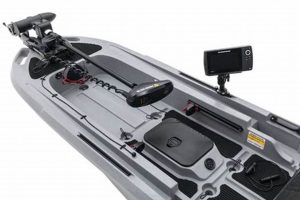
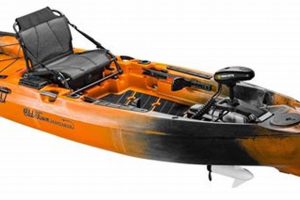
Kayak choice depends on individual needs and fishing style. Sit-on-top kayaks offer stability and ease of re-entry in the event of a capsize, making them popular for fishing. Sit-in kayaks provide greater protection from the elements and often have more storage space. Factors like length, width, and weight capacity influence maneuverability and stability. Specialized fishing kayaks often feature built-in rod holders, tackle storage, and anchor trolleys.
- Paddle and PFD:
A properly sized paddle is crucial for efficient propulsion and minimizing fatigue. A comfortable and properly fitted personal flotation device (PFD) is a non-negotiable safety essential. Wearing a PFD at all times is paramount for personal safety, especially in open water or challenging conditions. A brightly colored PFD enhances visibility in the event of an emergency.
- Fishing Gear:
Rods, reels, and tackle should be selected based on target species and fishing techniques. Medium-light to medium-heavy spinning or baitcasting combos are versatile choices for the variety of species found in Corpus Christi waters. A selection of lures, hooks, weights, and lines appropriate for the target species is essential. Tackle storage systems within the kayak maintain organization and accessibility.
- Safety and Navigation:
Essential safety equipment includes a whistle, a first-aid kit, a communication device (e.g., VHF radio or waterproof cell phone), and a signaling device like a mirror or flare. A GPS unit or chartplotter aids navigation, especially in unfamiliar areas or when venturing further offshore. A dry bag protects essential items from water damage. An anchor and anchor trolley system allows for stationary fishing in desired locations.
The careful selection and proper utilization of these equipment essentials contribute significantly to a successful and safe kayak fishing trip in Corpus Christi. Matching equipment to the specific fishing environment and target species enhances efficiency and enjoyment. Prioritizing safety considerations ensures preparedness for potential challenges, allowing anglers to focus on the rewarding experience of fishing in this diverse coastal ecosystem. Adequate preparation through appropriate equipment selection contributes to a positive and productive experience on the water.
4. Safety Precautions
Safe practices are paramount when kayak fishing in Corpus Christi. The open-water environment presents inherent risks, and proper preparation and adherence to safety guidelines are crucial for mitigating potential hazards. Neglecting safety precautions can lead to serious consequences, impacting not only the angler’s well-being but also potentially involving search and rescue operations.
- Personal Flotation Devices (PFDs):
Wearing a U.S. Coast Guard-approved PFD is non-negotiable. A PFD provides essential buoyancy in the event of a capsize or accidental immersion, significantly increasing the chances of survival. Selecting a comfortable and properly fitted PFD ensures unrestricted movement while paddling and fishing.
- Weather Awareness:
Checking marine weather forecasts before embarking on a fishing trip is critical. Sudden changes in wind speed, direction, or the onset of storms can create hazardous conditions on the water. Being aware of potential weather changes allows for informed decisions regarding trip timing and location selection, minimizing exposure to dangerous conditions.
- Communication Devices:
Carrying a reliable communication device, such as a VHF radio or a waterproof cell phone, enables contact with emergency services or shore-based support in case of an incident. A charged communication device provides a critical link for summoning assistance if needed. Informing someone on shore of the planned fishing location and estimated return time further enhances safety.
- Navigation and Awareness:
Understanding navigational markers, charts, and local water conditions is essential for safe passage. Awareness of potential hazards such as boat traffic, shallow areas, and changing tides minimizes the risk of accidents. Carrying a GPS unit or chartplotter, and knowing how to use them effectively, is highly recommended, especially when fishing in unfamiliar waters.
Prioritizing these safety precautions contributes significantly to a positive and incident-free experience. Careful planning, combined with a proactive approach to safety, ensures that anglers can enjoy the recreational and sporting aspects of kayak fishing in Corpus Christi while minimizing potential risks. These practices benefit not only individual anglers but also contribute to the overall safety of the waterways.
5. Tidal Influences

Tidal fluctuations exert a profound influence on fishing success in the Corpus Christi estuary system. Understanding tidal cycles, currents, and their impact on fish behavior is crucial for anglers. Incoming tides bring baitfish and cooler, oxygenated water into shallower areas, attracting predatory species like redfish and speckled trout. Conversely, outgoing tides concentrate fish in deeper channels and troughs as they follow receding waters and retreating baitfish. Planning fishing trips around tidal changes significantly impacts the likelihood of encountering target species. For example, fishing the flats during a rising tide can be highly productive as redfish move into the shallows to feed. Conversely, targeting deeper channels during a falling tide can yield better results for species like black drum. Neglecting tidal influences can lead to unproductive fishing trips, highlighting the practical significance of incorporating this knowledge into angling strategies.
Tidal currents generated by these fluctuations create optimal fishing conditions in specific locations. Areas with strong current flows, such as channels and inlets, often concentrate baitfish, attracting larger predatory species. Understanding these current patterns allows anglers to position themselves strategically to intercept feeding fish. Slack tides, periods between incoming and outgoing tides, present unique opportunities. While current flow is minimal, fish may become less active. However, slack tides can also be productive times for sight fishing in shallow, clear water. Furthermore, knowledge of tidal influences is essential for safe kayak navigation. Strong currents can make paddling challenging, particularly in narrow channels or against the wind. Planning kayak routes according to tidal predictions ensures efficient and safe navigation throughout the fishing trip.
Incorporating tidal knowledge into fishing plans significantly enhances angling success in Corpus Christi. Understanding the interplay between tides, currents, and fish behavior allows for strategic location selection, timing of fishing trips, and effective presentation of bait or lures. This awareness not only increases the likelihood of a successful catch but also contributes to a deeper appreciation of the dynamic coastal ecosystem. Tidal predictions, available through various sources, provide valuable tools for anglers seeking to maximize their fishing opportunities in the Corpus Christi area. By combining this information with practical experience and observation, kayak anglers can refine their techniques and consistently improve their results.
6. Local Regulations
Adherence to local regulations is essential for responsible and legal kayak fishing in Corpus Christi. These regulations, established by the Texas Parks and Wildlife Department (TPWD), aim to ensure the sustainability of fish populations and the preservation of the coastal ecosystem. Understanding and complying with these rules contributes to the long-term health of the fishery and ensures continued access to this valuable resource for future generations. Ignoring regulations can result in fines, legal penalties, and damage to the environment.
- Fishing Licenses and Endorsements:
A valid Texas fishing license with appropriate endorsements is required for all anglers engaging in this activity. Different license types exist, catering to residents, non-residents, and specific age groups. Ensuring possession of the correct license before embarking on a fishing trip is essential. Information on license requirements and purchasing options can be found on the TPWD website.
- Catch Limits and Size Restrictions:
Regulations stipulate catch limits and size restrictions for various species to prevent overfishing and protect breeding populations. Adhering to these limits ensures the sustainability of fish stocks. Specific regulations vary by species and may change seasonally. Consulting the TPWD Outdoor Annual provides up-to-date information on current regulations.
- Permitted Fishing Areas and Methods:
Certain areas may be designated as protected habitats or closed to fishing during specific periods. Understanding these restrictions is crucial for legal compliance. Regulations may also dictate permitted fishing methods, including gear restrictions or prohibitions on certain practices. Awareness of these specific rules ensures responsible angling within designated areas.
- Reporting Requirements:
Certain species, such as red drum over a specific size, require mandatory catch reporting to TPWD. This data collection aids in monitoring fish populations and informing management decisions. Understanding and fulfilling these reporting obligations contributes to the ongoing assessment and conservation of the fishery.
Compliance with local regulations demonstrates respect for the environment and contributes to the long-term health of the Corpus Christi fishery. Familiarization with and adherence to these rules ensures a legal and ethical fishing experience, allowing anglers to enjoy the sport while preserving this valuable resource for future generations. By understanding and respecting these regulations, kayak anglers contribute to the ongoing sustainability of this unique coastal ecosystem.
Frequently Asked Questions
This section addresses common inquiries regarding kayak fishing in the Corpus Christi area. The information provided aims to clarify potential uncertainties and provide practical guidance for anglers.
Question 1: What are the prime locations for kayak fishing in Corpus Christi?
Areas like Corpus Christi Bay, Nueces Bay, Oso Bay, the Mustang Island Paddling Trail, and nearshore Gulf waters offer diverse fishing opportunities. Selection depends on targeted species and angler experience.
Question 2: What essential safety precautions should kayak anglers observe?
Wearing a personal flotation device (PFD), checking weather forecasts, carrying a communication device, and understanding navigational markers are crucial safety practices.
Question 3: What fish species are commonly targeted by kayak anglers in Corpus Christi?
Redfish, speckled trout, flounder, and black drum are popular target species. Other species, including kingfish and Spanish mackerel, can be targeted in nearshore Gulf waters.
Question 4: What fishing equipment is recommended for kayak fishing in this area?
A suitable kayak, paddle, PFD, fishing rods and reels appropriate for target species, tackle, safety gear (whistle, first-aid kit, communication device), and navigation aids are recommended.
Question 5: How do tides and currents influence fishing success in Corpus Christi?
Tidal flows and currents affect fish behavior and location. Understanding tidal cycles helps anglers choose optimal fishing times and locations. Consulting tide charts is essential for planning successful outings.
Question 6: What are the fishing license requirements and regulations in Corpus Christi?
A valid Texas fishing license with appropriate endorsements is required. Regulations exist regarding catch limits, size restrictions, permitted fishing areas, and specific species. Consulting the Texas Parks and Wildlife Department resources provides detailed information.
Understanding these key aspects enhances the safety and enjoyment of kayak fishing in Corpus Christi. Thorough preparation and responsible angling contribute to the preservation of this valuable ecosystem.
For further information and resources, consult local bait and tackle shops, fishing guides, and the Texas Parks and Wildlife Department website.
Kayak Fishing in Corpus Christi
This exploration of kayak fishing in Corpus Christi has highlighted key aspects of this popular pursuit. From location selection and targeted species to essential equipment and safety precautions, the information presented provides a comprehensive overview for anglers. The significance of tidal influences and adherence to local regulations has been emphasized. Successful angling in this dynamic environment relies on a combination of skill, knowledge, and respect for the natural world.
The Corpus Christi area offers exceptional opportunities for kayak anglers. Careful preparation, informed decision-making, and responsible angling practices contribute to both individual enjoyment and the long-term health of this valuable ecosystem. Continued exploration of this unique coastal fishery promises rewarding experiences for those who embrace the challenges and rewards of kayak fishing.