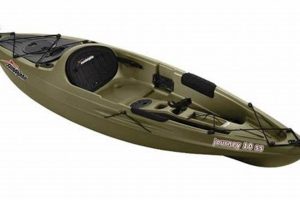
Fishing from kayaks in a commercial capacity involves using small, human-powered vessels to harvest seafood for sale. This practice often targets species like finfish, shellfish, and crustaceans in near-shore waters. A typical example might involve a fisher using specialized gear and techniques deployed from a kayak to harvest crabs or trap fish.
Small-scale, kayak-based fishing offers potential economic advantages by reducing the financial burdens associated with larger vessels and fuel costs. It also allows access to shallow or otherwise difficult-to-reach fishing grounds. Historically, small boats, including kayaks and canoes, have played a vital role in sustenance fishing in many cultures. Adapting these traditional practices to modern commercial fisheries can offer sustainable livelihood opportunities, particularly in developing regions. Further, this approach can potentially minimize environmental impact compared to large-scale industrial fishing.
The following sections explore key aspects of this fishing method in greater detail. These include gear selection, sustainable practices, regulatory considerations, target species, and market analysis.
Tips for Kayak Commercial Fishing
Success in commercial fishing using kayaks requires careful planning and execution. The following tips offer guidance for maximizing efficiency and ensuring safe, sustainable practices.
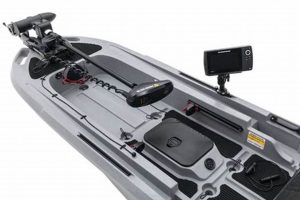
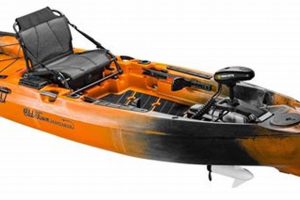
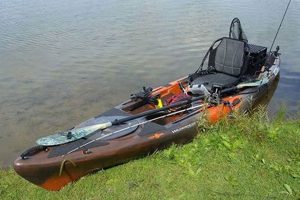
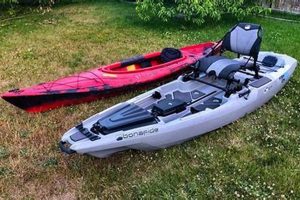
Tip 1: Select the Right Kayak. Stability and load capacity are paramount. Consider designs specifically built for fishing, featuring features like rod holders, storage compartments, and live wells.
Tip 2: Invest in Specialized Gear. Choose fishing gear appropriate for the target species and the kayak’s limitations. Compact, easily stowed gear is crucial. Consider specialized nets, traps, or fishing rods designed for kayak use.
Tip 3: Prioritize Safety. Always wear a personal flotation device and carry essential safety equipment, including a communication device, signaling tools, and a first-aid kit. Monitor weather conditions closely and avoid hazardous waters.
Tip 4: Understand Regulations. Thoroughly research and comply with all local and regional licensing and permitting requirements for commercial fishing. Adhere to catch limits and size restrictions for target species.
Tip 5: Target Sustainable Fisheries. Focus on species with healthy populations and employ fishing methods that minimize environmental impact. Avoid damaging habitats and practice catch-and-release where appropriate.
Tip 6: Develop Effective Marketing Strategies. Direct-to-consumer sales, farmers’ markets, and partnerships with local restaurants can provide profitable outlets for kayak-caught seafood. Emphasize the freshness and sustainability of the product.
Tip 7: Maintain Accurate Records. Detailed record-keeping of catch volumes, fishing locations, and expenses is essential for business management and demonstrating compliance with regulations.
By adhering to these guidelines, individuals can enhance their chances of building a successful and sustainable kayak commercial fishing enterprise.
These practical considerations contribute to the overall viability and long-term success of kayak-based commercial fishing operations.
1. Target Species Selection

Effective target species selection is fundamental to the viability of kayak commercial fishing operations. Choosing the right species influences catch value, fishing techniques, required gear, and regulatory compliance. Careful consideration of these factors is crucial for maximizing profitability and ensuring sustainable practices.
- Market Demand and Pricing
Species selection should align with market demand and pricing structures. High demand translates to better prices and faster sales. Researching local markets and understanding consumer preferences helps identify profitable target species. For example, locally sourced, sustainably caught seafood often commands premium prices. Understanding these market dynamics allows fishers to prioritize species with the greatest potential return.
- Accessibility from a Kayak
Kayak fishing limits access to certain species. Targeting species inhabiting shallower, nearshore waters is essential. Species like crabs, certain finfish found in estuaries, or nearshore shellfish are suitable choices. Pelagic fish requiring offshore excursions are less practical for kayak-based operations. Choosing accessible species optimizes fishing efficiency and safety.
- Gear and Technique Compatibility
Selected species must align with kayak-compatible gear and techniques. Bulky or complex equipment is impractical on a kayak. Targeting species amenable to handlines, smaller fishing rods, traps, or nets is crucial. For instance, trapping crustaceans requires different gear than trolling for pelagic fish. This factor significantly influences species selection.
- Regulations and Sustainability
Legal and sustainability considerations heavily influence target species selection. Adhering to catch limits, size restrictions, and seasonal closures for specific species is mandatory. Prioritizing species with healthy populations supports sustainable fishing practices. For example, targeting overfished species, even if profitable, is detrimental to long-term resource management and the viability of the fishery.
By carefully evaluating these facets, kayak fishers can make informed decisions regarding target species selection. Aligning these choices with market demand, accessibility, gear limitations, and regulatory frameworks contributes significantly to the overall success and sustainability of kayak-based commercial fishing ventures.
2. Sustainable Fishing Practices

Sustainable fishing practices are integral to the long-term viability of kayak commercial fishing. This approach minimizes environmental impact while ensuring the health and productivity of fish stocks for future generations. Kayak fishing, due to its smaller scale and selective nature, offers a unique opportunity to implement and promote sustainable harvesting methods. Cause-and-effect relationships between fishing practices and ecosystem health are direct and readily observable in this context. Destructive practices like overfishing or habitat damage directly impact future catch potential. Conversely, responsible fishing, adhering to catch limits and employing selective gear, contributes to healthy fish populations and a thriving ecosystem.
Practical examples illustrate this connection. Consider a kayak fisher targeting crabs. Using properly sized traps allows smaller crabs to escape, ensuring future population growth. Adhering to catch limits prevents overfishing, maintaining a healthy crab population. Similarly, avoiding sensitive habitats like seagrass beds, crucial for juvenile fish and crustaceans, safeguards the overall health of the ecosystem. These practices benefit not only the target species but also the interconnected web of marine life. Conversely, ignoring these principles leads to detrimental consequences. Overfishing depletes stocks, impacting the livelihoods of fishers and the availability of seafood. Habitat destruction disrupts breeding grounds and nursery areas, further exacerbating population declines. These examples demonstrate the practical significance of integrating sustainable practices into kayak commercial fishing.
Sustainable fishing practices are not merely a component of kayak commercial fishing; they are its foundation. They ensure the ecological and economic sustainability of this activity. Challenges remain, including enforcement of regulations and promoting widespread adoption of best practices. However, the inherent scalability and adaptability of kayak fishing offer a promising platform for demonstrating and disseminating sustainable fishing models. This understanding contributes significantly to the broader goal of responsible resource management and ensures the long-term health of marine ecosystems.
3. Efficient Gear and Equipment

Efficient gear and equipment are essential for maximizing productivity and minimizing physical strain in kayak commercial fishing. The limited space and weight capacity of a kayak necessitate careful selection of tools and equipment. Choosing gear specifically designed for kayak fishing and the target species significantly impacts catch efficiency and overall profitability. Cause-and-effect relationships are readily apparent. Appropriate gear, such as specialized nets or lightweight, easily deployed traps, directly increases catch potential. Conversely, cumbersome or ill-suited equipment hinders maneuverability and reduces fishing effectiveness.
Consider a kayak fisher targeting squid. Using a compact jigging setup with lightweight rods and reels allows efficient handling and rapid deployment, maximizing catch opportunities during peak activity periods. Similarly, a fisher targeting shellfish benefits from specialized traps designed for kayak deployment and retrieval. These examples highlight the practical significance of selecting gear tailored to both the vessel and the target species. Investing in high-quality, durable equipment also minimizes maintenance needs and ensures long-term reliability, further enhancing efficiency.
Efficient gear selection is not merely a component of kayak commercial fishing; it is a defining factor in its success. It allows fishers to operate effectively within the constraints of a small vessel while maximizing catch potential. While initial investment costs may be higher for specialized gear, the long-term benefits in terms of increased productivity and reduced physical strain outweigh the upfront expense. This understanding underscores the crucial link between appropriate gear selection and the overall economic and physical sustainability of kayak commercial fishing.
4. Market Access and Pricing

Market access and pricing are critical determinants of profitability in kayak commercial fishing. Understanding market dynamics, consumer preferences, and available sales channels allows fishers to optimize revenue streams and ensure sustainable business practices. Direct connections exist between market conditions and the economic viability of kayak-based fishing operations. Favorable market access, coupled with appropriate pricing strategies, directly influences income potential. Conversely, limited market access or inadequate pricing can undermine profitability, even with successful fishing efforts.
- Direct-to-Consumer Sales
Direct sales to consumers, such as through farmers’ markets or online platforms, offer fishers greater control over pricing and allow them to establish direct relationships with their customers. This approach often yields higher profit margins compared to selling through intermediaries. For instance, a kayak fisher selling fresh, sustainably caught seafood at a local farmers’ market can often command premium prices due to the product’s quality and the direct interaction with consumers. This direct connection also builds brand loyalty and enhances market visibility.
- Restaurant Partnerships
Establishing partnerships with local restaurants provides a consistent sales channel for kayak-caught seafood. Restaurants often prioritize locally sourced, fresh ingredients, offering a reliable market for kayak fishers. These partnerships can involve pre-arranged supply agreements or regular deliveries. For example, a kayak fisher specializing in a particular species, such as prawns, could establish a supply agreement with a local seafood restaurant, ensuring a stable market outlet for their catch.
- Wholesale Markets
Wholesale markets offer access to a larger customer base but typically involve lower profit margins due to the presence of intermediaries. This approach may be suitable for fishers with higher catch volumes or those targeting species with lower market value per unit. Navigating wholesale markets requires understanding pricing fluctuations and establishing strong relationships with buyers. Effective negotiation skills are essential for maximizing returns in this competitive environment.
- Value-Added Products
Developing value-added products, such as smoked fish, fish jerky, or prepared meals featuring kayak-caught seafood, can diversify revenue streams and increase profit margins. This approach requires additional processing and packaging but often commands higher prices due to the added value and convenience offered to consumers. For example, a kayak fisher could smoke a portion of their catch and sell it at a premium price, expanding their product offerings and attracting a wider customer base.
Effective market access and pricing strategies are integral to the economic sustainability of kayak commercial fishing. By understanding market dynamics and utilizing diverse sales channels, fishers can maximize their earning potential while promoting sustainable fishing practices. The interconnected nature of these elements underscores the need for a comprehensive approach that considers both fishing practices and market realities. Successfully navigating these interconnected elements is crucial for the long-term viability of kayak commercial fishing operations.
5. Regulatory Compliance

Regulatory compliance forms a critical cornerstone of sustainable and legally sound kayak commercial fishing practices. Adherence to established rules and regulations ensures responsible resource management, protects ecosystems, and maintains fair competition within the fishing industry. Ignoring these frameworks can lead to legal repercussions, environmental damage, and depletion of fish stocks. Understanding and complying with relevant regulations is therefore not merely a legal obligation but a fundamental prerequisite for responsible and successful kayak commercial fishing.
- Licensing and Permits
Commercial fishing, even from a kayak, typically requires specific licenses and permits. These legal authorizations vary by jurisdiction and often depend on the target species, fishing gear used, and the area of operation. Obtaining the necessary licenses and permits demonstrates legal compliance and allows authorities to monitor fishing activity, ensuring adherence to regulations. Failure to secure proper licensing can result in fines, confiscation of equipment, and even prosecution. For example, a kayak fisher targeting crabs might require a specific shellfish license in addition to a general commercial fishing permit. Understanding and securing these authorizations is paramount for legal operation.
- Catch Limits and Size Restrictions
Regulations often stipulate catch limits and size restrictions for specific species. These limitations aim to prevent overfishing and protect juvenile populations, ensuring the long-term health of fish stocks. Adhering to these restrictions is crucial for maintaining sustainable fishing practices. Exceeding catch limits or harvesting undersized individuals can lead to penalties and contribute to the depletion of fish populations. For instance, regulations might limit the daily catch of a particular fish species and specify a minimum size for harvested individuals. Respecting these limits is essential for sustainable resource management.
- Gear Restrictions and Fishing Methods
Certain types of fishing gear or fishing methods may be restricted or prohibited to minimize environmental impact or protect specific species. These restrictions might include limitations on net mesh size, trap design, or the use of certain fishing techniques. Complying with these regulations helps safeguard ecosystems and prevents unintended bycatch. Using prohibited gear or employing illegal fishing methods can result in penalties and damage to sensitive habitats. For example, using nets with excessively small mesh sizes can indiscriminately capture juvenile fish and other marine life, disrupting the ecosystem. Adhering to gear restrictions ensures responsible fishing practices.
- Closed Seasons and Areas
Designated closed seasons and areas protect vulnerable species during critical periods like spawning or migration. Fishing within these restricted timeframes or locations is prohibited. Respecting closed seasons and areas allows fish populations to recover and reproduce, contributing to their long-term health and abundance. Ignoring these closures disrupts breeding cycles and can lead to population declines. For example, fishing in a designated spawning area during a closed season can severely impact the reproductive success of a species. Observing these closures is essential for maintaining healthy fish stocks.
Regulatory compliance is not merely a set of constraints but a framework that supports the long-term sustainability of kayak commercial fishing. Understanding and adhering to these regulations ensures responsible resource management, protects marine ecosystems, and fosters a fair and sustainable fishing industry. By integrating regulatory compliance into their core operating principles, kayak fishers contribute to the health of fish populations and the overall viability of their profession.
Frequently Asked Questions
This section addresses common inquiries regarding commercial fishing from kayaks.
Question 1: What are the typical start-up costs associated with kayak commercial fishing?
Start-up costs vary depending on factors such as the type of kayak required, necessary fishing gear, licensing fees, and any required safety equipment. Thorough research and budgeting are essential.
Question 2: Is specialized training required for commercial fishing from a kayak?
While formal training programs specifically for kayak commercial fishing may be limited, possessing strong kayaking skills, fishing experience, and knowledge of relevant regulations is crucial. Seeking guidance from experienced fishers or local fishing associations is recommended.
Question 3: How does one identify suitable locations for kayak commercial fishing?
Suitable locations depend on the target species and local regulations. Researching local fishing grounds, consulting with experienced fishers, and contacting relevant fisheries management agencies can help identify productive and permissible areas.
Question 4: What are the primary challenges associated with kayak commercial fishing?
Challenges include weather dependency, physical demands, limited carrying capacity, market access, and navigating complex regulations. Careful planning, physical fitness, and thorough market research are crucial for mitigating these challenges.
Question 5: How can one ensure the sustainability of kayak commercial fishing practices?
Sustainability relies on adhering to catch limits, using selective fishing gear, avoiding sensitive habitats, and staying informed about best practices. Engaging with local conservation organizations and participating in sustainable fisheries initiatives can further enhance responsible fishing practices.
Question 6: What are the potential income prospects for kayak commercial fishing?
Income potential varies depending on factors such as target species, market conditions, fishing efficiency, and operating costs. Developing a sound business plan and understanding market dynamics is crucial for maximizing profitability.
Addressing these frequently asked questions provides a foundational understanding of the key considerations involved in kayak commercial fishing. Thorough research and careful planning are essential for success in this specialized field.
The subsequent sections delve into more specific aspects of kayak commercial fishing, offering further insights for those interested in pursuing this unique fishing method.
Conclusion
Kayak commercial fishing presents a unique intersection of traditional fishing methods and modern market demands. This overview explored key aspects of this specialized practice, encompassing gear selection, sustainable harvesting techniques, market access strategies, and the crucial role of regulatory compliance. Balancing economic viability with ecological responsibility remains paramount for long-term success in this field. The potential benefits, including reduced operational costs and access to niche markets, are significant, yet require careful consideration of the inherent challenges, such as weather dependency and limited carrying capacity.
Further investigation into regional regulations, target species selection, and market dynamics is essential for anyone considering kayak commercial fishing. The future of this practice relies on prioritizing sustainable methods that ensure the health of fish populations and the preservation of marine ecosystems. Ultimately, the success of kayak commercial fishing hinges on a commitment to responsible resource management and adapting to evolving market demands.