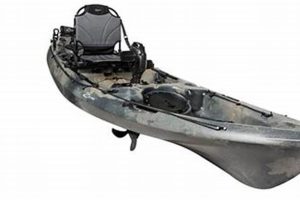
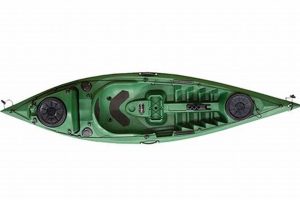
Designated areas specifically suited for fishing from small, human-powered vessels offer unique opportunities for anglers. These locations often provide sheltered waters, abundant fish populations, and access to shallow-water habitats inaccessible to larger boats. For example, a protected bay within a larger lake, or a designated stretch of calm river, could serve such a purpose. This focus on smaller craft fosters a quiet, low-impact approach, minimizing disturbance to aquatic ecosystems and wildlife.
Such designated areas contribute significantly to sustainable fishing practices by concentrating angling activities in appropriate locations. This can minimize environmental impact on sensitive habitats and facilitate easier monitoring and regulation of fishing activities. Historically, smaller vessels have played a crucial role in fishing traditions worldwide, highlighting the enduring relevance of these designated spaces. Moreover, these areas frequently support local economies by attracting tourism and recreational activities.
This article will delve into the various aspects of selecting, utilizing, and respecting these specialized fishing locations. Topics covered will include species commonly found in these areas, recommended equipment and techniques, safety considerations, and responsible fishing practices.
Tips for Successful Angling in Designated Small-Vessel Fishing Areas
Careful planning and preparation contribute significantly to a productive and enjoyable fishing experience in areas designated for small, human-powered watercraft. The following tips offer valuable guidance for anglers of all skill levels.
Tip 1: Research Regulations and Access Points. Regulations regarding permitted fishing methods, catch limits, and licensing requirements vary by location. Thorough research ensures compliance and avoids penalties. Identifying convenient access points simplifies launching and retrieval processes.
Tip 2: Prioritize Safety Equipment. Carrying essential safety gear, including a personal flotation device, a whistle, and a first-aid kit, is paramount. A communication device, such as a waterproof VHF radio or a mobile phone in a waterproof case, allows for emergency contact if needed.
Tip 3: Choose Appropriate Tackle and Gear. Selecting fishing rods, reels, and lures suited to the target species and the specific environment enhances fishing success. Compact and easily stowed equipment is ideal for smaller vessels.
Tip 4: Plan for Weather Conditions. Checking weather forecasts before embarking on a fishing trip helps ensure safe and comfortable conditions. Awareness of potential changes in wind, tide, or current allows for proactive adjustments to plans.
Tip 5: Practice Proper Kayak Handling. Understanding basic paddling techniques and maneuvering skills contributes to efficient navigation and safe handling of the vessel, especially in varying water conditions. Stability and balance are key considerations.
Tip 6: Respect Wildlife and the Environment. Adhering to leave-no-trace principles, properly disposing of fishing line and other waste, and avoiding disturbance to wildlife preserves the natural beauty of these areas for future generations.
Tip 7: Employ Stealth and Observation. Quiet movement and careful observation of the water’s surface increase the likelihood of spotting fish and understanding their behavior. Minimizing noise and disturbance improves chances of a successful catch.
By following these guidelines, anglers can maximize their enjoyment and success while contributing to the long-term preservation of these valuable fishing areas. Preparation, responsible behavior, and respect for the environment ensure a sustainable and rewarding experience.
This discussion of essential tips segues into a conclusion that emphasizes the importance of responsible angling practices and the overall benefits of utilizing designated small-vessel fishing areas.
1. Designated Area

The concept of a “designated area” forms the foundation of a productive and sustainable kayak fishing zone. Designation implies a deliberate selection process based on specific criteria, often related to ecological factors, fish populations, and accessibility for small, non-motorized vessels. This focused approach ensures that angling activities are concentrated in suitable locations, minimizing environmental impact on sensitive habitats and promoting responsible fishing practices. For instance, shallow-water estuaries, protected bays within larger lakes, or sections of rivers with calm currents may be designated as kayak fishing zones, offering both suitable fishing conditions and protection from motorized boat traffic. This separation enhances safety for kayak anglers and minimizes disturbance to aquatic life.
The practical significance of this designation is multifaceted. Clearly defined boundaries simplify regulation and monitoring of fishing activity, contributing to the enforcement of catch limits and other conservation measures. This, in turn, supports healthy fish populations and the long-term viability of the fishing zone. Moreover, designation often involves improvements to access points, such as dedicated kayak launches and improved shoreline facilities, enhancing the overall experience for anglers. Examples include designated areas within coastal parks, wildlife refuges, or sections of reservoirs specifically managed for non-motorized watercraft. These initiatives demonstrate the value of integrating recreational fishing with environmental protection.
In summary, the designation of specific areas for kayak fishing represents a strategic approach that balances recreational opportunities with environmental stewardship. By concentrating fishing activity in appropriate locations, minimizing conflicts with other water users, and facilitating responsible fishing practices, designated areas play a crucial role in ensuring the sustainability and enjoyment of this popular activity. Addressing potential challenges, such as ensuring adequate access and balancing the needs of various user groups, remains essential for the continued success of this management strategy.
2. Kayak Accessibility

Kayak accessibility plays a crucial role in the effectiveness and appeal of designated fishing zones. These zones often feature shallow-water environments, protected coves, and intricate waterways inaccessible to larger, motorized vessels. Kayaks, due to their smaller size and maneuverability, provide ideal access to these prime fishing locations. This accessibility translates directly into increased fishing opportunities, allowing anglers to target species inhabiting these otherwise difficult-to-reach habitats. For instance, shallow-water flats teeming with bonefish or narrow creeks harboring largemouth bass become readily accessible to kayak anglers. This unique access distinguishes kayak fishing zones from areas dominated by motorized boats, offering a more specialized and rewarding experience. Furthermore, the quiet nature of kayak propulsion minimizes disturbance to fish and the surrounding environment, enhancing the likelihood of successful angling.
The practical significance of kayak accessibility extends beyond mere access to fishing grounds. Dedicated launch points designed for kayaks, including ramps, docks, and even shoreline access points specifically tailored for smaller vessels, significantly enhance the ease and convenience of entering and exiting the water. This reduces the logistical challenges associated with transporting and launching kayaks, making these designated zones more appealing to a wider range of anglers. Moreover, the portability of kayaks allows for exploration of diverse water bodies, from small ponds and rivers to vast coastal estuaries. This versatility expands the range of fishing experiences available within designated kayak fishing zones, catering to diverse preferences and skill levels. Consider, for example, a designated zone encompassing both a sheltered bay and a network of tidal creeks. Kayak accessibility allows anglers to seamlessly transition between these distinct environments, targeting a variety of species and experiencing diverse fishing conditions.
In summary, kayak accessibility serves as a defining characteristic of designated fishing zones. It unlocks access to prime fishing habitats, facilitates ease of entry and exit from the water, and enhances the overall angling experience. Addressing potential limitations, such as the distance that can be comfortably paddled and the carrying capacity of kayaks for equipment and catch, remains important for maximizing the benefits of kayak accessibility within these designated zones. This focus on accessibility contributes directly to the growing popularity and sustainability of kayak fishing as a distinct and rewarding form of angling.
3. Fish Habitat

The quality and diversity of fish habitat within a kayak fishing zone directly influence the abundance, variety, and health of fish populations, making it a critical factor for successful and sustainable angling. Understanding the components of fish habitat within these designated areas allows anglers to target specific species effectively while minimizing disturbance to the ecosystem. This knowledge contributes to a more rewarding fishing experience and supports the long-term health of the fishery.
- Structure and Cover
Structure and cover, such as submerged vegetation, fallen logs, and rock formations, provide essential shelter, foraging areas, and spawning sites for various fish species. In kayak fishing zones, these features often occur in shallow, near-shore environments readily accessible to kayaks. For example, a submerged log in a shallow cove might attract bass seeking ambush points, while dense seagrass beds provide refuge for juvenile fish and smaller prey species. Anglers can target these areas with specific lures and techniques tailored to the species seeking shelter or foraging around such structures.
- Water Quality
Factors like water temperature, dissolved oxygen levels, and turbidity significantly impact fish health and distribution. Kayak fishing zones often encompass diverse water bodies, each with unique water quality characteristics. A cool, clear stream might support trout populations, while a warmer, more turbid estuary provides habitat for redfish or snook. Understanding these variations allows anglers to select appropriate locations and target species adapted to specific water conditions. Furthermore, respecting water quality by avoiding pollution and minimizing disturbance contributes to the long-term health of the fish habitat.
- Food Availability
The presence of a diverse and abundant food supply is crucial for sustaining healthy fish populations. Kayak fishing zones often feature productive ecosystems with rich food webs. For instance, a saltwater marsh provides a nursery for invertebrates and small fish, supporting larger predatory species like speckled trout. Similarly, a freshwater river with abundant insect life attracts various fish species. Anglers can leverage this knowledge by selecting lures that mimic the prevalent prey species in the area, increasing their chances of attracting target fish.
- Connectivity
Connectivity between different habitat types within a kayak fishing zone is essential for fish movement and life cycle completion. Kayaks, due to their maneuverability, allow anglers to explore these interconnected habitats, such as the transition zone between a river and an estuary, or the channels connecting a series of mangrove islands. These areas often serve as critical migration routes or spawning grounds. Understanding these connections helps anglers anticipate fish movement patterns and identify productive fishing locations. For example, during spawning season, certain fish species might migrate from deeper waters to shallow, vegetated areas accessible by kayak.
By considering these interconnected facets of fish habitat, anglers can make informed decisions about where to fish within a designated kayak fishing zone, maximizing their chances of success while minimizing their impact on the ecosystem. This understanding underscores the importance of habitat conservation and responsible angling practices in ensuring the long-term health and productivity of these valuable fishing areas. The specialized access provided by kayaks allows for a unique perspective on these habitats, fostering a deeper appreciation for the complex interplay between fish and their environment.
4. Safety Regulations

Safety regulations within designated kayak fishing zones are paramount for ensuring angler well-being and fostering responsible use of these specialized areas. These regulations, often tailored to the specific characteristics of kayak fishing, address key safety concerns related to navigation, equipment, environmental conditions, and emergency preparedness. Adherence to these regulations contributes significantly to a safe and enjoyable angling experience while promoting the sustainable use of these valuable resources.
- Personal Flotation Devices (PFDs)
Wearing a properly fitted and approved PFD is a fundamental safety requirement in most kayak fishing zones. PFDs provide essential buoyancy in the event of capsizing or accidental immersion, significantly reducing the risk of drowning. Regulations typically mandate that PFDs be worn at all times while on the water, regardless of swimming ability or perceived water conditions. This consistent approach reinforces the importance of PFDs as a primary safety precaution. For example, even in calm, shallow waters, unexpected events such as sudden changes in weather or encounters with submerged obstacles can lead to capsizing. In such situations, a PFD can be life-saving.
- Visual Distress Signals
Carrying visual distress signals, such as flares, whistles, or signal mirrors, enhances safety by providing a means of attracting attention in emergency situations. These signals can alert other boaters or rescue personnel to an angler’s location in case of distress, particularly in areas with limited visibility or communication access. Regulations often specify the types and quantities of visual distress signals required, depending on the characteristics of the fishing zone. For instance, coastal kayak fishing zones may require more comprehensive signaling equipment due to the potential for encountering larger vessels and varying weather conditions. Inland waters, while generally calmer, can still benefit from the presence of visual distress signals, particularly in areas with dense vegetation or limited shoreline access.
- Navigation Lights
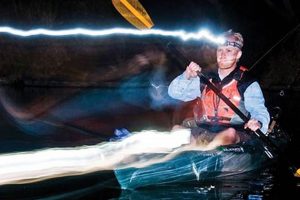
Kayak fishing often extends into low-light conditions, making navigation lights crucial for both visibility and collision avoidance. Regulations regarding navigation lights typically mandate the use of white lights visible from all directions when paddling after sunset or before sunrise. These lights increase a kayak’s visibility to other vessels, reducing the risk of collisions, especially in areas with shared use by motorized and non-motorized craft. Furthermore, navigation lights can assist in navigating channels, marking hazards, and maintaining safe distances from other water users. For example, in a busy harbor or waterway, navigation lights on a kayak provide crucial visibility to larger vessels, preventing potential accidents.
- Weather Awareness and Preparation
Monitoring weather forecasts and adapting to changing conditions is essential for safe kayak fishing. Sudden changes in wind speed, wave height, or temperature can create hazardous conditions for small vessels. Regulations often emphasize the importance of checking weather forecasts before embarking on a fishing trip and exercising caution when conditions deteriorate. This proactive approach minimizes the risk of encountering unexpected storms, strong currents, or other hazardous weather phenomena. For example, venturing out in a kayak during a small craft advisory significantly increases the risk of capsizing or encountering dangerous waves. Staying informed about weather conditions empowers anglers to make informed decisions about their safety on the water.
These safety regulations, when combined with responsible angling practices and an awareness of environmental conditions, contribute significantly to a safe and enjoyable kayak fishing experience. By adhering to these guidelines and promoting a culture of safety within designated kayak fishing zones, anglers can minimize risks, protect themselves and others, and ensure the sustainable use of these valuable recreational resources.
5. Environmental Impact

Minimizing environmental impact within designated kayak fishing zones is crucial for preserving the ecological integrity of these areas and ensuring their long-term sustainability as valuable recreational resources. Kayak fishing, by its nature, offers a relatively low-impact approach compared to motorized boating, but careful consideration of potential environmental impacts remains essential for responsible angling practices.
- Disturbance to Wildlife
Kayaks, while quieter than motorized vessels, can still cause disturbance to wildlife if not operated considerately. Approaching nesting birds or resting marine mammals too closely can cause stress and disrupt their natural behaviors. Minimizing speed and maintaining a safe distance from wildlife minimizes disturbance and helps preserve the natural balance of the ecosystem. For example, paddling slowly and quietly through a shallow estuary allows anglers to observe wading birds without causing them to flush, preserving their energy and minimizing stress.
- Habitat Degradation
Improper anchoring techniques or dragging kayaks across sensitive habitats, such as seagrass beds or coral reefs, can cause physical damage to these vital ecosystems. Utilizing designated anchoring areas or employing drift fishing techniques minimizes physical impacts on these fragile environments. For instance, anchoring in sandy areas rather than seagrass beds prevents damage to the seagrass, preserving its role as a nursery for juvenile fish and a habitat for other marine life. Similarly, avoiding dragging kayaks across shallow reefs protects the delicate coral structures.
- Pollution from Fishing Gear
Discarded fishing line, hooks, and other tackle can pose significant threats to aquatic life and water quality. Monofilament fishing line, in particular, can persist in the environment for hundreds of years, entangling wildlife and causing harm. Properly disposing of all fishing gear and participating in cleanup efforts minimizes pollution and protects the health of the ecosystem. For example, carrying a small container or bag to collect discarded line and other debris ensures proper disposal and prevents entanglement hazards for birds, turtles, and other aquatic animals.
- Introduction of Invasive Species
Kayaks, if not properly cleaned and drained, can inadvertently transport invasive species between different water bodies. These invasive species can outcompete native organisms, disrupt food webs, and alter habitat structure, causing significant ecological damage. Thoroughly cleaning kayaks and removing any attached vegetation or organisms before moving between different fishing zones prevents the spread of invasive species and protects the biodiversity of each unique ecosystem. For instance, carefully inspecting and cleaning a kayak after fishing in a lake known to contain invasive mussels prevents the introduction of these mussels to other lakes or rivers.
By understanding and mitigating these potential environmental impacts, kayak anglers contribute to the long-term health and sustainability of designated fishing zones. Responsible angling practices, combined with respect for the natural environment, ensure that these valuable resources remain available for future generations to enjoy. This mindful approach enhances the overall kayak fishing experience, fostering a deeper connection between anglers and the ecosystems they cherish. It also reinforces the importance of ongoing education and outreach efforts to promote environmental awareness within the kayak fishing community.
6. Sustainable Fishing
Sustainable fishing practices are intrinsically linked to the long-term health and viability of kayak fishing zones. These practices aim to minimize the environmental impact of angling while ensuring the continued abundance and diversity of fish populations. Within designated kayak fishing zones, sustainable fishing takes on added significance due to the often-sensitive nature of these environments and the close interaction between anglers and the ecosystem.
- Selective Harvesting
Targeting specific species and sizes of fish, while adhering to catch limits and regulations, forms the cornerstone of selective harvesting. This practice helps maintain balanced fish populations and prevents overfishing of vulnerable species. In a kayak fishing zone, selective harvesting might involve releasing undersized or oversized fish, targeting abundant species rather than those with declining populations, or practicing catch-and-release fishing for certain prized game fish. This approach ensures that future generations of anglers can enjoy the same fishing opportunities.
- Minimizing Bycatch
Bycatch, the unintentional capture of non-target species, can have significant ecological consequences. Employing fishing gear and techniques that minimize bycatch, such as using circle hooks to reduce fish injury or avoiding fishing in areas known to have high bycatch rates, contributes to a more sustainable fishery. In a kayak fishing zone, this might involve using barbless hooks to facilitate easy release of non-target species or choosing lures that selectively attract the target species. This reduces stress on non-target populations and minimizes disruption to the ecosystem.
- Habitat Protection
Protecting fish habitat through responsible anchoring practices, avoiding disturbance to sensitive areas like seagrass beds or spawning grounds, and participating in habitat restoration initiatives are crucial components of sustainable fishing. Kayak anglers, due to their close proximity to the water and their ability to access shallow, vulnerable areas, play a key role in habitat protection. For example, using a designated kayak launch minimizes erosion of shorelines, while carefully navigating through shallow areas prevents damage to submerged vegetation. These actions preserve the essential elements of fish habitat and support healthy fish populations.
- Responsible Gear Use and Disposal
Proper use and disposal of fishing gear contribute significantly to sustainable fishing practices. Avoiding the use of lead sinkers, which can contaminate sediments and harm wildlife, and retrieving lost or discarded fishing line prevents entanglement and pollution. Kayak anglers can promote responsible gear use by choosing environmentally friendly alternatives to lead sinkers, carrying a small container for discarded line and hooks, and participating in fishing line recycling programs. These actions minimize the impact of fishing gear on the aquatic environment and contribute to a cleaner, healthier ecosystem.
These interconnected facets of sustainable fishing, when practiced consistently within designated kayak fishing zones, create a positive feedback loop. Healthy habitats support thriving fish populations, leading to enhanced fishing opportunities and increased angler satisfaction. This, in turn, fosters a greater appreciation for the environment and encourages continued participation in sustainable fishing practices. The unique perspective and access provided by kayak fishing reinforces the connection between anglers and the ecosystems they rely on, creating a powerful incentive for responsible stewardship and long-term sustainability.
Frequently Asked Questions
Addressing common inquiries regarding designated areas for kayak fishing clarifies their purpose and promotes responsible use.
Question 1: What distinguishes a designated kayak fishing zone from other fishing areas?
Designated zones often feature calm waters, protected habitats, and improved access tailored to non-motorized vessels, enhancing angling opportunities and minimizing environmental impact.
Question 2: Are motorized vessels permitted within these specialized zones?
Restrictions on motorized vessels are common within these areas to minimize disturbance to wildlife, enhance angler safety, and preserve the tranquil nature of kayak fishing.
Question 3: What safety precautions are essential for kayak fishing within designated zones?
Wearing a personal flotation device, carrying visual distress signals, and monitoring weather conditions are crucial safety measures. Knowledge of paddling techniques and navigation rules further enhances safety.
Question 4: How do catch limits and other regulations apply within these areas?
Specific regulations, including catch limits, permitted fishing methods, and licensing requirements, often apply within designated zones. Consulting local authorities ensures compliance and supports sustainable fishing practices.
Question 5: What environmental considerations are relevant to kayak fishing in designated zones?
Minimizing disturbance to wildlife, avoiding damage to sensitive habitats, and properly disposing of fishing gear are essential for preserving the ecological integrity of these areas.
Question 6: How can one locate and access designated kayak fishing zones?
Information regarding the location and access points for designated zones is often available through local fisheries management agencies, park authorities, or online resources dedicated to kayak fishing.
Understanding these aspects of designated kayak fishing zones ensures both a rewarding angling experience and the long-term preservation of these valuable resources.
The subsequent section will provide detailed information on specific designated kayak fishing zones, including location details, access points, prevalent fish species, and recommended fishing techniques.
Kayak Fishing Zones
Designated kayak fishing zones represent a significant advancement in balancing recreational fishing with environmental stewardship. This article has explored the multifaceted nature of these specialized areas, emphasizing their role in providing enhanced angling opportunities while minimizing environmental impact. Key aspects discussed include the unique accessibility offered by kayaks, the importance of understanding fish habitat within these zones, the critical role of safety regulations, and the need for sustainable fishing practices. Furthermore, the potential environmental impacts of kayak fishing and the importance of minimizing disturbance to wildlife, preventing habitat degradation, and promoting responsible gear use have been highlighted.
The growing popularity of kayak fishing underscores the need for continued development and promotion of designated fishing zones. These areas offer a tangible solution to the increasing pressure on aquatic resources, providing a dedicated space for anglers to pursue their passion while contributing to the long-term health of aquatic ecosystems. Continued investment in infrastructure, education, and outreach programs will further enhance the value and sustainability of kayak fishing zones, ensuring their continued contribution to both recreational enjoyment and environmental conservation. Ultimately, the success of these designated areas hinges on the collective responsibility of anglers, resource managers, and the broader community to embrace sustainable practices and ensure the preservation of these valuable resources for generations to come.