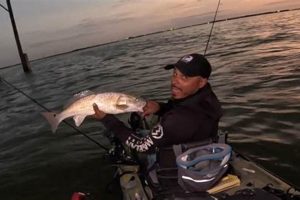
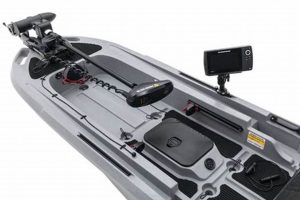
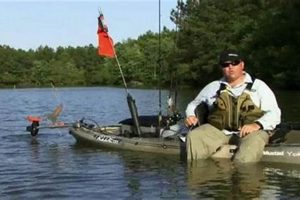
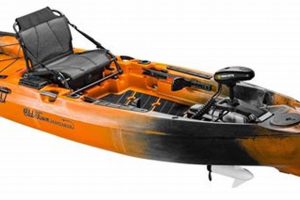
A retailer specializing in outdoor sporting goods might be described as a purveyor of equipment for water-based activities, including specialized small watercraft designed for angling. Such a retailer would likely offer a range of these vessels, varying in size, features, and price points, alongside related accessories like paddles, life vests, and fishing gear. For example, one might find lightweight, maneuverable boats designed for river fishing or larger, more stable models suitable for open water or ocean use.
Access to specialized equipment and expert advice plays a vital role in ensuring both safety and enjoyment in watersports. A dedicated retailer can provide valuable insights into selecting the appropriate vessel for individual needs and skill levels, as well as guidance on proper usage and safety procedures. Historically, the evolution of these small craft has seen significant advancements in materials and design, resulting in lighter, more durable, and feature-rich options for anglers. This evolution has, in turn, broadened the accessibility and popularity of the sport.
This discussion will further explore key aspects of selecting and using specialized small fishing boats, covering topics such as hull design, propulsion systems, essential safety gear, and popular fishing techniques.
Essential Tips for Kayak Fishing
Careful planning and preparation contribute significantly to successful and safe kayak angling excursions. The following recommendations offer valuable insights for both novice and experienced anglers.
Tip 1: Choose the Right Vessel: Kayak selection should consider factors such as fishing style, water conditions, and storage capacity. Ocean fishing necessitates a longer, more stable kayak, while river fishing benefits from shorter, more maneuverable designs. Consideration of available storage for tackle and gear is also paramount.
Tip 2: Prioritize Safety Equipment: A personal flotation device (PFD) is non-negotiable. Essential safety gear also includes a whistle, visual distress signals, and a first-aid kit. A reliable communication device, such as a VHF radio or waterproof cell phone, is highly recommended.
Tip 3: Plan Your Route and Check Weather Conditions: Pre-planning a route allows for efficient use of fishing time and ensures familiarity with potential hazards. Checking weather forecasts before departure is crucial for safety and comfort.
Tip 4: Master Basic Paddling Techniques: Efficient paddling conserves energy and allows for precise boat control. Learning fundamental paddle strokes improves maneuverability and reduces fatigue.
Tip 5: Organize and Secure Fishing Gear: Proper organization of tackle and gear within the kayak maximizes efficiency and prevents entanglement. Secure storage of rods, reels, and tackle boxes prevents loss or damage.
Tip 6: Practice Catch and Release Techniques: Responsible angling practices help preserve fish populations. Employing proper catch and release methods minimizes stress on the fish and increases their chances of survival.
Tip 7: Respect Wildlife and the Environment: Leave no trace behind. Proper disposal of fishing line and other refuse helps protect aquatic ecosystems and preserves natural beauty.
Adherence to these guidelines contributes significantly to a rewarding and safe experience on the water. Preparation and awareness enhance angling success while mitigating potential risks.
By implementing these strategies, anglers can confidently enjoy the sport while contributing to its long-term sustainability. This sets the stage for a concluding discussion of advanced techniques and emerging trends in kayak fishing.
1. Kayak Selection

Kayak selection represents a critical component of a fishing kayak sports authority’s expertise. A knowledgeable retailer understands the nuanced relationship between kayak design and intended fishing application. Factors such as hull shape, length, and stability significantly influence performance in different water conditions. For example, a shorter, wider kayak offers enhanced stability for still-water fishing, while a longer, narrower design provides better tracking and speed for traversing open water or rivers. Offering a diverse range of kayaks suited to various fishing styles and environments demonstrates a retailer’s commitment to serving diverse angling needs. This careful curation of inventory distinguishes a true authority from a general sporting goods provider.
The importance of proper kayak selection extends beyond mere comfort and performance; it directly impacts safety and fishing success. A stable, appropriately sized kayak instills confidence and allows anglers to focus on fishing rather than managing the vessel. Furthermore, specialized features such as rod holders, tackle storage, and anchor systems enhance fishing efficiency. A retailer’s ability to guide customers through these considerations, matching individual needs and skill levels to suitable kayak features, underscores their expertise. This personalized guidance builds trust and fosters long-term customer relationships. Consider a novice angler seeking a stable platform for lake fishing: A responsible retailer would recommend a sit-on-top kayak with a wide beam, emphasizing stability over speed or maneuverability. Conversely, an experienced angler targeting offshore species would benefit from a longer, faster sit-in kayak designed for open water conditions. The retailers ability to discern and address these varying requirements reinforces its authority.
In conclusion, kayak selection serves as a cornerstone of a reputable fishing kayak sports authority. A deep understanding of kayak design, fishing applications, and individual customer needs allows retailers to provide informed recommendations that enhance both safety and fishing success. This expertise builds customer trust, establishing the retailer as a valuable resource within the angling community. This specialized knowledge further positions the retailer to address emerging trends and innovations in kayak design, ensuring customers have access to the latest advancements in the sport.
2. Safety Gear

A strong connection exists between safety gear and the concept of a fishing kayak sports authority. A retailer specializing in this area demonstrates expertise not only through product knowledge but also through a commitment to customer safety. Stocking and recommending appropriate safety equipment is paramount. This includes personal flotation devices (PFDs), visual distress signals, whistles, first-aid kits, and communication devices. A failure to emphasize safety undermines a retailer’s credibility and trustworthiness. For instance, a retailer who prioritizes selling a high-performance kayak without equally emphasizing the necessity of a properly fitted PFD demonstrates a lack of commitment to customer well-being. This oversight can have serious consequences, particularly for novice kayakers unfamiliar with potential on-water hazards.
Furthermore, a true authority in fishing kayak sports understands the nuances of safety gear beyond simply stocking standard items. They can advise on specific safety considerations related to different fishing environments. For example, anglers venturing offshore require different safety equipment than those fishing inland lakes. Recommending a VHF radio for open water versus a whistle for calm, close-to-shore fishing demonstrates specialized knowledge. Similarly, understanding the importance of a bilge pump for sit-in kayaks versus a self-bailing scupper system for sit-on-tops highlights a nuanced understanding of safety requirements for different kayak types. Practical demonstrations and educational resources provided by the retailer further solidify their commitment to safety and reinforce their authority within the kayaking community. Imagine a retailer hosting a kayak safety workshop covering topics like self-rescue techniques and proper PFD usage; this proactive approach demonstrates a genuine concern for customer well-being.
In summary, a fishing kayak sports authority prioritizes safety alongside performance. Offering comprehensive safety guidance and appropriate equipment demonstrates expertise and builds trust. This commitment to customer well-being ultimately strengthens the retailer’s reputation and positions them as a responsible resource within the kayaking community. Neglecting safety, conversely, undermines credibility and jeopardizes customer trust. Ultimately, a responsible approach to safety distinguishes a true authority in the field.
3. Expert Advice

Expert advice forms a cornerstone of a legitimate fishing kayak sports authority. A deep understanding of kayak fishing necessitates more than simply stocking products; it requires informed guidance tailored to individual needs and skill levels. This expertise encompasses various aspects, from kayak selection and rigging to fishing techniques and safety procedures. A credible authority provides valuable insights based on experience and a thorough understanding of the sport. Consider a novice angler overwhelmed by the variety of kayak options: expert advice can simplify the selection process, matching the angler’s needs with the appropriate vessel and accessories. Conversely, experienced anglers benefit from expert insights into advanced techniques, optimizing their fishing approach and maximizing success. This tailored guidance distinguishes a true authority from a general retailer.
The practical significance of expert advice manifests in several ways. Proper kayak selection, influenced by expert guidance, enhances stability, maneuverability, and overall fishing performance. Informed advice on rigging and tackle optimization leads to increased fishing success. Furthermore, expert guidance on safety procedures mitigates risks and promotes responsible angling practices. For instance, an expert’s recommendation on proper paddling techniques can prevent fatigue and injuries, while advice on navigation and weather interpretation enhances safety on the water. This practical application of expert knowledge directly impacts the angler’s experience, promoting both enjoyment and safety. This translates into increased customer satisfaction and loyalty, reinforcing the retailer’s position as a trusted resource.
In conclusion, expert advice distinguishes a true fishing kayak sports authority. It bridges the gap between product knowledge and practical application, empowering anglers to make informed decisions and optimize their fishing experience. This personalized guidance fosters trust, enhances safety, and ultimately cultivates a thriving community of informed and responsible kayak anglers. The absence of expert advice, conversely, limits the customer experience to mere product acquisition, neglecting the essential element of informed participation. This distinction underscores the critical role of expert advice in defining a true authority within the fishing kayak sports domain.
4. Fishing Accessories

A comprehensive range of fishing accessories distinguishes a genuine fishing kayak sports authority from a general outdoor retailer. The connection lies in the understanding that kayak fishing necessitates specialized equipment beyond the vessel itself. A dedicated retailer recognizes this need, offering a curated selection of accessories designed to enhance both angler performance and safety. This includes rod holders, fish finders, anchor systems, tackle storage solutions, and specialized lighting. For example, offering a variety of rod holders designed for different fishing techniques demonstrates a nuanced understanding of angler requirements. Similarly, providing specialized kayak fishing lights, crucial for safe navigation in low-light conditions, reinforces the retailer’s commitment to safety and informed practice.
The practical significance of offering specialized fishing accessories extends beyond mere convenience. Properly chosen accessories directly impact fishing success and safety. A well-placed rod holder allows for efficient hands-free fishing, while a reliable anchor system provides stability in currents or wind. Furthermore, organized tackle storage optimizes space and reduces clutter, enhancing efficiency on the water. Consider the impact of a high-quality fish finder: This tool provides crucial information about water depth, structure, and fish location, significantly increasing the angler’s chances of success. Similarly, a well-designed kayak cart simplifies transport, reducing physical strain and facilitating access to diverse fishing locations. These practical applications underscore the importance of fishing accessories as integral components of the kayak fishing experience.
In summary, a fishing kayak sports authority understands the critical role of accessories in enhancing both performance and safety. Offering a diverse range of specialized equipment demonstrates expertise and caters to the specific needs of kayak anglers. This commitment to providing comprehensive solutions solidifies the retailer’s position as a trusted resource within the angling community. A lack of attention to these specialized needs, conversely, limits the retailer’s ability to serve the kayak fishing community effectively. This distinction reinforces the essential connection between fishing accessories and a true authority in the field.
5. Repair Services

The provision of repair services represents a significant factor in establishing a business as a true fishing kayak sports authority. Beyond sales and product knowledge, a commitment to maintaining and repairing kayaks demonstrates a deep understanding of the sport and a dedication to customer support. Offering repair services builds trust and fosters long-term relationships with customers, solidifying a retailer’s position as a reliable resource within the kayaking community. This commitment distinguishes a dedicated authority from businesses focused solely on sales transactions.
- Hull Damage Repair
Kayak hulls are susceptible to various forms of damage, including cracks, punctures, and abrasions. A fishing kayak sports authority offering expert hull repair, utilizing appropriate materials and techniques, ensures the longevity and continued performance of customers’ kayaks. For example, repairing a deep gouge incurred during a rocky landing restores the kayak’s structural integrity and prevents further damage. This specialized service preserves the investment value of the kayak and ensures continued safe usage.
- Outfitting and Hardware Replacement
Over time, kayak outfitting, such as seat straps, foot braces, and hatch covers, can wear or break. A reputable repair service addresses these issues, replacing worn components with quality parts. Similarly, damaged or corroded hardware, including rudder systems and carrying handles, requires professional attention. Replacing a faulty rudder cable, for example, restores crucial steering control, enhancing safety and maneuverability. These seemingly minor repairs significantly impact the overall performance and safety of the kayak.
- Leak Detection and Repair
Leaks, often resulting from hull damage or seal degradation, compromise buoyancy and can lead to dangerous situations. A fishing kayak sports authority offering leak detection and repair services provides essential maintenance. This expertise involves identifying the source of the leak and implementing appropriate sealing techniques. Repairing a leaky hatch seal, for example, prevents water intrusion and protects stored gear. This proactive approach to maintenance ensures the kayak remains seaworthy and safe for continued use.
- Routine Maintenance and Inspection
Beyond addressing specific damage, a comprehensive repair service offers routine maintenance and inspections. This preventative approach identifies potential issues before they escalate into major problems. For example, regular inspection and lubrication of moving parts, such as rudder cables and hatch hinges, prevents wear and tear and extends the life of the kayak. This proactive maintenance approach demonstrates a commitment to customer satisfaction and reinforces the retailer’s position as a trusted advisor.
In conclusion, the integration of repair services elevates a fishing kayak sports authority beyond mere product sales. It establishes the retailer as a comprehensive resource for kayak anglers, addressing not only equipment needs but also long-term maintenance and repair. This commitment to customer support builds trust and fosters a strong sense of community within the kayaking world. The absence of repair services, conversely, limits the retailer’s role to a transactional level, neglecting the ongoing needs of kayak anglers and potentially impacting customer satisfaction and safety. This distinction underscores the critical role of repair services in defining a true authority in the field.
6. Community Engagement

Community engagement serves as a vital component, solidifying a retailer’s status as a fishing kayak sports authority. The connection lies in the understanding that a true authority fosters a thriving community around the sport. Active participation in local events, sponsoring fishing tournaments, offering educational workshops, and supporting conservation efforts demonstrates a genuine commitment to the kayaking community. This engagement builds trust and loyalty, distinguishing a dedicated authority from businesses solely focused on sales transactions. For example, sponsoring a local kayak fishing club’s annual clean-up event demonstrates environmental responsibility and strengthens connections within the angling community. Similarly, hosting a beginner’s kayak fishing workshop provides valuable skills and fosters a welcoming environment for newcomers, expanding the sport’s reach and solidifying the retailer’s role as a community leader.
The practical significance of community engagement extends beyond mere marketing. It cultivates a sense of belonging and shared passion among kayak anglers. These connections provide valuable opportunities for skill development, information sharing, and collective advocacy for responsible fishing practices. Consider the impact of a retailer organizing a group fishing trip to a local waterway: This event fosters camaraderie, provides a platform for learning from experienced anglers, and promotes responsible use of natural resources. Similarly, partnering with local conservation organizations on habitat restoration projects demonstrates a commitment to environmental stewardship and strengthens the retailer’s reputation as a responsible community stakeholder. These actions translate into increased customer loyalty and positive brand perception within the broader community. They cultivate a sense of shared responsibility for the long-term health of the sport and the environment it depends on.
In conclusion, community engagement distinguishes a fishing kayak sports authority by fostering a vibrant and supportive network of kayak anglers. This involvement transcends commercial interests, demonstrating a genuine commitment to the sport’s growth and sustainability. Active participation in community events, educational initiatives, and conservation efforts strengthens the retailer’s reputation as a trusted resource and leader within the kayaking world. Conversely, a lack of community engagement isolates the retailer, limiting its influence and potentially hindering the growth of the sport. This distinction underscores the critical role of community engagement in establishing a true authority in the fishing kayak sports domain.
Frequently Asked Questions
This section addresses common inquiries regarding specialized fishing kayaks and related equipment, providing concise and informative responses.
Question 1: What are the primary differences between sit-on-top and sit-in kayaks for fishing?
Sit-on-top kayaks offer superior stability and ease of entry/exit, making them suitable for beginners and warmer climates. Sit-in kayaks provide better protection from the elements and greater storage capacity, making them suitable for colder conditions and longer expeditions. Hull design variations within each category further influence performance characteristics such as speed, maneuverability, and tracking.
Question 2: What essential safety gear should accompany every kayak fishing excursion?
Essential safety equipment includes a properly fitted personal flotation device (PFD), a whistle, visual distress signals, a first-aid kit, and a communication device (VHF radio or waterproof cell phone). Additional safety considerations include a bilge pump or self-bailing scupper plugs, a paddle leash, and appropriate navigation lights for low-light conditions.
Question 3: How does one choose the appropriate paddle length for a fishing kayak?
Paddle length selection depends on factors such as torso height, kayak width, and paddling style. Longer paddles generate more power but require greater effort, while shorter paddles offer increased cadence and control. Consulting retailer fit charts or seeking expert advice ensures optimal paddle selection.
Question 4: What are the key considerations when selecting a fish finder for kayak fishing?
Key considerations include screen size and resolution, transducer type and frequency, power output, and mounting options. Transducer selection depends on the target fishing environment, with different frequencies optimized for varying depths and water clarity. Screen size and resolution influence visibility and data interpretation.
Question 5: How can one effectively organize and store fishing tackle within a kayak?
Effective tackle organization maximizes efficiency and minimizes clutter. Utilizing specialized tackle boxes, trays, and bags designed for kayak fishing optimizes storage space. Securing these storage solutions within the kayak prevents shifting and potential entanglement during movement. Prioritizing frequently used items within easy reach further streamlines the fishing process.
Question 6: What are the recommended maintenance practices for extending the lifespan of a fishing kayak?
Recommended maintenance practices include regular cleaning with mild soap and water, thorough rinsing after saltwater exposure, proper storage out of direct sunlight and extreme temperatures, and periodic inspection for damage or wear. Addressing minor repairs promptly prevents escalation and prolongs the kayak’s lifespan.
Understanding these fundamental aspects enhances safety, efficiency, and enjoyment on the water. Proper equipment selection and maintenance contribute significantly to a positive kayak fishing experience.
Further exploration of advanced techniques and specialized equipment will be addressed in subsequent sections.
Conclusion
This exploration has delved into the multifaceted nature of a fishing kayak sports authority, emphasizing key elements that distinguish a true authority from a general retailer. Careful selection of kayaks tailored to individual angler needs, coupled with comprehensive safety guidance and a commitment to providing expert advice, establishes a foundation of trust and expertise. Furthermore, offering a wide array of specialized fishing accessories and providing reliable repair services demonstrates a deep understanding of the sport and a dedication to customer satisfaction. Finally, active engagement within the kayaking community fosters a sense of shared passion and promotes responsible angling practices.
The pursuit of kayak fishing requires more than simply acquiring equipment; it demands informed decision-making, continuous learning, and a commitment to safety and environmental stewardship. A true fishing kayak sports authority empowers anglers with the knowledge and resources necessary to navigate this evolving landscape successfully. This commitment to education and community building ensures the continued growth and sustainability of the sport for generations to come.