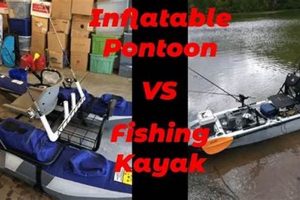
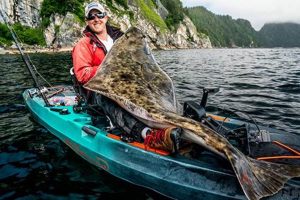
The pursuit of freshwater and saltwater fish species from small, human-powered vessels offers a unique blend of angling and outdoor recreation in the Granite State. This activity allows close contact with nature, providing access to shallow waters and secluded coves often inaccessible to larger boats. Examples include targeting striped bass along the coast, pursuing largemouth bass in inland lakes, or fly fishing for trout in pristine rivers. The variety of environments, from the tidal estuaries of Great Bay to the serene waters of Lake Winnipesaukee, provides ample opportunities for anglers of all skill levels.
This approach to angling offers several advantages, including affordability, portability, and minimal environmental impact. Historically, small boats have been utilized for fishing in New Hampshire’s waters, evolving from traditional canoes and dories to modern, specialized kayaks designed for stability and gear storage. This evolution reflects the growing popularity of the sport and its increasing contribution to the state’s recreational economy. The quiet operation of these vessels allows for stealthy approach to fishing grounds, enhancing the chances of a successful catch.
The following sections will explore key aspects of this popular pastime in New Hampshire, including recommended locations, essential gear and safety considerations, and regulations relevant to anglers.
Tips for Kayak Fishing in New Hampshire
Careful planning and preparation contribute significantly to a safe and productive fishing experience from a kayak. The following tips offer guidance for anglers of all experience levels.
Tip 1: Check Weather Conditions: Prior to embarking on any kayak fishing trip, consult marine forecasts and local weather reports. Wind speed, wave height, and water temperature can significantly impact safety and comfort. Postponing trips during inclement weather is advised.
Tip 2: Choose Appropriate Gear: Kayak selection should consider the intended fishing environment. Shorter kayaks offer maneuverability in rivers and streams, while longer, wider kayaks provide stability in open water. Essential safety gear includes a personal flotation device, a whistle, and a bilge pump.
Tip 3: Plan a Float Plan: Inform someone of the intended fishing location, launch time, and expected return. This ensures that assistance can be rendered if needed.
Tip 4: Practice Kayak Control: Familiarize oneself with basic paddling techniques and maneuvering skills before venturing into open water. Practicing self-rescue techniques is also recommended.
Tip 5: Respect Wildlife and the Environment: Observe local fishing regulations and practice catch-and-release principles when appropriate. Minimize disturbance to wildlife and avoid littering.
Tip 6: Stay Hydrated and Sun-Protected: Carry ample drinking water and apply sunscreen, even on cloudy days. Wearing a hat and polarized sunglasses further enhances protection from the elements.
Tip 7: Organize and Secure Gear: Utilize dry bags and waterproof containers to protect electronics and other valuables. Secure fishing rods and other equipment to the kayak to prevent loss in the event of a capsize.
Adhering to these guidelines will enhance safety, maximize enjoyment, and promote responsible angling practices. Preparation and awareness contribute significantly to a positive experience on the water.
By following these tips, anglers can increase their chances of a successful and enjoyable experience while preserving the natural beauty and resources of New Hampshire’s waterways.
1. Location Selection

Strategic location selection is paramount for successful kayak fishing in New Hampshire. The diverse range of aquatic environments, from coastal saltwater to inland freshwater, presents anglers with unique opportunities and challenges. Careful consideration of target species, water conditions, and accessibility is essential for maximizing fishing success and overall enjoyment.
- Target Species
Different fish species inhabit specific environments. Striped bass prefer the brackish waters of estuaries and coastal areas, while trout thrive in cold, clear rivers and streams. Lake Winnipesaukee offers opportunities for largemouth and smallmouth bass, along with various panfish. Identifying the desired target species significantly narrows down potential fishing locations.
- Water Conditions
Currents, tides, water clarity, and temperature influence fish behavior and impact kayak control. Strong currents and tidal flows require specialized paddling techniques and safety precautions. Clear water allows for sight fishing, while murky water may necessitate alternative angling methods. Understanding prevailing water conditions informs location decisions.
- Accessibility
Launch sites, parking availability, and access restrictions factor into location choice. Some areas require permits or adhere to specific launch times. Researching access points and any associated regulations streamlines the planning process and ensures smooth execution. Remote locations offer solitude but may pose logistical challenges.
- Safety Considerations
Wind exposure, boat traffic, and underwater hazards influence safety on the water. Sheltered coves and smaller ponds provide calmer conditions suitable for less experienced kayakers. Areas with heavy boat traffic require increased vigilance. Understanding potential hazards and choosing locations appropriate to one’s skill level contributes to a safe fishing experience.
By carefully evaluating these facets of location selection, anglers can increase their chances of a successful and enjoyable kayak fishing experience in New Hampshire. The interplay of these elements shapes the overall trip, highlighting the crucial role of informed decision-making in optimizing fishing outcomes and ensuring safety on the water.
2. Kayak Choice
Kayak selection significantly impacts the experience of kayak fishing in New Hampshire. The diverse water bodies, ranging from tranquil lakes to swift rivers and coastal estuaries, necessitate careful consideration of kayak characteristics. Stability, maneuverability, and storage capacity directly influence angling success and overall safety. Choosing the right kayak for the specific environment and target species enhances performance and enjoyment.
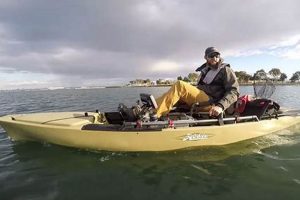
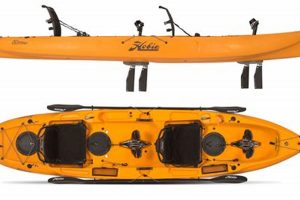
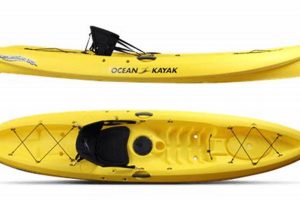
For example, a sit-on-top kayak offers enhanced stability and self-bailing capabilities, proving advantageous in the variable conditions of coastal areas. Its open design allows for easy entry and exit, accommodating anglers who prefer casting while standing. Conversely, a sit-inside kayak offers greater protection from the elements and increased storage space, ideal for longer trips on larger lakes or colder waters. Smaller, lighter kayaks offer superior maneuverability in rivers and streams, enabling access to shallow areas and tighter fishing spots. Pedal-driven kayaks allow anglers to maintain position and cover water more efficiently, particularly in windy conditions. The choice between these options hinges on the specific fishing environment and individual preferences.
Understanding the relationship between kayak choice and the intended fishing location is crucial for a successful and enjoyable experience. An inappropriate kayak can hinder performance, limit access to desirable fishing grounds, and even compromise safety. Choosing a kayak tailored to the specific conditions of New Hampshire’s waterways ensures optimal stability, maneuverability, and access, ultimately maximizing angling potential and promoting a positive experience on the water. Careful consideration of these factors contributes significantly to a rewarding and safe kayak fishing adventure.
3. Essential Gear

Appropriate gear is essential for safe and successful kayak fishing in New Hampshire. Specific equipment addresses the challenges and opportunities presented by the diverse environments, from the rocky coastline to inland lakes and rivers. Proper gear selection directly influences angler safety, comfort, and fishing effectiveness. The unique demands of this activity necessitate specialized equipment beyond standard fishing tackle.
Personal flotation devices (PFDs) are paramount for safety. New Hampshire law mandates PFD availability, and consistent wear is strongly recommended. Selecting a comfortable, well-fitting PFD designed for paddling enhances both safety and mobility. A paddle leash prevents loss in the event of a capsize, a crucial consideration in cold water or strong currents. Dry bags or waterproof containers protect essential items like phones, wallets, and extra clothing from water damage. A first-aid kit equipped for common outdoor injuries is a crucial safety precaution. Navigation tools, such as GPS devices or charts, ensure accurate positioning, particularly in unfamiliar waters or foggy conditions. Appropriate clothing, including layers for changing weather conditions and sun protection, enhances comfort and prevents exposure-related risks.
Specialized fishing gear enhances angling success. Rod holders integrated into the kayak structure free hands for paddling and maneuvering. Anchor trolleys maintain position in current or wind. A fish finder helps locate productive fishing areas, particularly in larger bodies of water. Tackle choices tailored to target species increase the likelihood of successful catches. For example, targeting striped bass in coastal areas requires heavier tackle than pursuing trout in mountain streams. Understanding these gear requirements and adapting them to the specific conditions of kayak fishing in New Hampshire directly contributes to a safer and more rewarding experience. Failure to equip appropriately can compromise safety, hinder fishing effectiveness, and diminish the overall enjoyment of this challenging and rewarding pursuit.
4. Safety Procedures

Safety procedures are integral to responsible kayak fishing in New Hampshire, directly impacting angler well-being and successful outings. The inherent risks associated with on-water activities, compounded by the specific challenges of fishing from a small vessel, necessitate meticulous attention to safety protocols. Ignoring these procedures can lead to accidents, injuries, or even fatalities. Understanding and implementing appropriate safety measures mitigates these risks, fostering a secure and enjoyable experience.
Cold water immersion presents a significant hazard, particularly during the shoulder seasons. New Hampshire’s waters can remain cold even during warmer months, increasing the risk of hypothermia if an angler capsizes. Wearing appropriate personal flotation devices (PFDs) and utilizing dry suits or wetsuits during colder conditions significantly mitigates this risk. Carrying a communication device, such as a VHF radio or a waterproof cell phone, allows for rapid communication with emergency services in case of an accident. Filing a float plan with a trusted individual, detailing planned routes and estimated return times, ensures a timely response in case of an overdue return. Weather conditions also play a crucial role; checking forecasts before embarking and avoiding outings during adverse weather minimizes exposure to hazardous situations. Strong winds, sudden storms, and fog can quickly create dangerous conditions on the water, particularly for kayakers.
Practicing self-rescue techniques, such as re-entering a kayak after a capsize, equips anglers with essential skills for managing emergencies. Prior experience and familiarity with these procedures are crucial for effective execution under duress. Regularly inspecting kayak equipment, including PFDs, paddles, and hull integrity, ensures optimal performance and minimizes the risk of equipment failure. Carrying essential safety gear, such as a whistle, a bilge pump, and a first-aid kit, enhances preparedness for unforeseen circumstances. Adhering to established boating regulations, including navigation rules and speed limits, further contributes to overall safety on the water. These combined procedures establish a framework for responsible kayak fishing practices, significantly reducing risks and fostering a culture of safety within the angling community. Consistent implementation of these safety procedures is paramount for ensuring the well-being of anglers and promoting responsible enjoyment of New Hampshire’s waterways.
5. Fishing Regulations
Adherence to fishing regulations is essential for the sustainability of aquatic resources and the preservation of recreational fishing opportunities in New Hampshire. These regulations, enforced by the New Hampshire Fish and Game Department, govern aspects such as licensing requirements, catch limits, size restrictions, and permitted fishing methods. Understanding and complying with these rules is crucial for all anglers, including those engaging in kayak fishing. Ignoring these regulations can result in fines, suspension of fishing privileges, and negative impacts on fish populations.
- Licensing Requirements
Obtaining the appropriate fishing license is mandatory for all anglers in New Hampshire. Different license types exist, including resident, non-resident, and short-term options. Specific licenses may be required for certain species or water bodies. Anglers fishing from kayaks must possess a valid fishing license, readily available online, at license agents throughout the state, or directly from the New Hampshire Fish and Game Department. Carrying the license while fishing is essential for compliance.
- Catch Limits and Size Restrictions
Regulations stipulate catch limits and size restrictions for various fish species. These limitations aim to maintain healthy fish populations and prevent overfishing. For example, certain species may have daily catch limits or minimum size requirements. Anglers must accurately identify caught fish and immediately release any that are undersized or exceed the daily limit. Familiarization with species-specific regulations is essential before fishing.
- Permitted Fishing Methods and Gear
Regulations dictate permitted fishing methods and gear types. Certain lures, baits, or fishing techniques may be restricted or prohibited in specific areas or for particular species. For instance, the use of live bait may be restricted in some trout streams. Some areas may prohibit the use of certain types of fishing nets. Anglers utilizing kayaks must adhere to these regulations and ensure their fishing methods and gear comply with existing rules. Using illegal fishing methods can negatively impact fish populations and disrupt the ecological balance.
- Closed Seasons and Restricted Areas
Specific seasons and areas may be closed to fishing to protect spawning fish or vulnerable habitats. These closures typically occur during specific times of the year or in designated areas within water bodies. Understanding these closures is crucial for planning fishing trips. Ignorance of closed seasons or restricted areas can lead to unintentional violations. Consulting the New Hampshire Fish and Game Department’s regulations or contacting local authorities ensures awareness of any closures in effect.
Compliance with fishing regulations is not merely a legal obligation but also a demonstration of responsible angling practices. By adhering to these rules, kayak anglers contribute to the long-term health of New Hampshire’s fisheries and ensure the continued enjoyment of this recreational activity for future generations. Knowledge and observance of these regulations enhance the sustainability of fish populations and foster a culture of respect for the environment. This responsible approach safeguards the delicate balance of aquatic ecosystems and ensures the future of kayak fishing in New Hampshire.
6. Environmental Impact
Minimizing environmental impact is a crucial aspect of responsible kayak fishing in New Hampshire. The increasing popularity of this activity necessitates careful consideration of its potential effects on the delicate balance of aquatic ecosystems. Understanding and mitigating these impacts ensures the long-term health of these environments and the sustainability of recreational fishing opportunities.
- Disturbance to Wildlife
Kayaks, while generally less disruptive than motorized boats, can still disturb wildlife if operated carelessly. Approaching nesting areas too closely or creating excessive noise can stress birds and other animals. Paddling through shallow spawning beds can damage fish eggs and disrupt breeding cycles. Maintaining a respectful distance from wildlife and minimizing noise contribute significantly to reducing disturbance. For example, avoiding sudden movements and loud conversations near sensitive habitats helps preserve the natural behavior of resident species.
- Habitat Degradation
Improper anchoring practices can damage sensitive habitats like seagrass beds and coral reefs, which provide essential shelter and food for numerous aquatic species. Dragging anchors across these areas uproots vegetation and disrupts the delicate ecological balance. Utilizing appropriate anchoring techniques, such as drift fishing or using environmentally friendly anchors, minimizes habitat destruction. Similarly, improper disposal of fishing line can entangle wildlife and pollute waterways. Discarded fishing line poses a significant threat to birds, turtles, and other aquatic creatures, often leading to injury or death. Retrieving and properly disposing of all fishing line, including broken pieces, helps prevent entanglement and pollution.
- Water Pollution
Fuel leaks and spills, though less common with kayaks than motorized vessels, can still contaminate water bodies. Even small amounts of fuel can have detrimental effects on water quality and aquatic life. Ensuring kayaks are properly maintained and free of leaks helps prevent fuel spills. Disposing of waste properly is equally important. Littering, even with seemingly biodegradable items like fruit peels, can pollute waterways and negatively impact aquatic ecosystems. Packing out all trash and disposing of it responsibly minimizes pollution and preserves the natural beauty of the environment.
- Invasive Species Introduction
Kayaks can inadvertently transport invasive species, such as aquatic plants and invertebrates, between different water bodies. These invasive species can outcompete native organisms, disrupt food webs, and degrade water quality. Thoroughly cleaning kayaks, paddles, and other equipment after each use, especially when moving between different water bodies, helps prevent the spread of invasive species. Inspecting equipment for attached vegetation or organisms and removing them before launching into a new location further reduces the risk of introduction.
Minimizing these environmental impacts ensures the long-term sustainability of kayak fishing in New Hampshire. Responsible angling practices preserve the natural beauty and ecological integrity of the states waterways, allowing future generations to enjoy the same recreational opportunities. Through mindful interaction with the environment, kayak anglers contribute to the conservation of these valuable resources. Sustainable practices not only protect the environment but also enhance the overall fishing experience, fostering a deeper appreciation for the natural world and the importance of its preservation.
7. Trip Planning
Thorough trip planning is essential for safe and successful kayak fishing excursions in New Hampshire. The diverse environments, ranging from the open waters of the Atlantic coast to the intricate network of inland rivers and lakes, present distinct challenges and opportunities. Effective trip planning considers these variables, mitigating potential risks and maximizing the chances of a productive and enjoyable fishing experience. Ignoring this crucial preparatory step can lead to hazardous situations, wasted time, and diminished fishing success.
A comprehensive trip plan incorporates several key elements. Identifying target species influences location selection and required gear. For example, pursuing striped bass in coastal estuaries necessitates different equipment and location considerations compared to targeting trout in a mountain stream. Researching potential fishing locations reveals access points, parking availability, and any site-specific regulations. Consulting nautical charts or online mapping tools provides crucial information about water depths, currents, and potential hazards. Checking weather forecasts is paramount, as weather conditions can change rapidly in New Hampshire, particularly in mountainous regions and along the coast. Wind speed, wave height, and precipitation significantly impact kayak stability and angler safety. Postponing a trip due to adverse weather is often the most prudent decision. Informing someone of the intended fishing location, planned route, and estimated return time ensures a timely response in case of an emergency. This communication protocol is especially crucial for solo trips.
Effective trip planning directly translates to enhanced safety and increased fishing success. Understanding tidal patterns in coastal areas optimizes fishing times and reduces the risk of being stranded by receding tides. Awareness of river currents and potential hazards, such as rapids or submerged obstacles, enhances navigational safety in inland waterways. Carrying appropriate safety gear, including a personal flotation device, a whistle, and a first-aid kit, further mitigates risks. Packing essential fishing equipment, such as rods, reels, lures, and bait appropriate for the target species, maximizes fishing opportunities. A well-planned trip fosters a sense of preparedness and confidence, allowing anglers to focus on the enjoyment of the sport and minimize unforeseen challenges. This proactive approach ultimately distinguishes a successful and rewarding kayak fishing experience from a potentially hazardous or unproductive one.
Frequently Asked Questions about Kayak Fishing in New Hampshire
This section addresses common inquiries regarding kayak fishing within New Hampshire, providing concise and informative responses to assist anglers in planning safe and productive outings.
Question 1: What are the licensing requirements for kayak fishing in New Hampshire?
A valid New Hampshire fishing license is required for all individuals engaging in recreational fishing, including those fishing from kayaks. Licenses can be obtained online, from authorized license agents, or directly from the New Hampshire Fish and Game Department.
Question 2: Where are recommended locations for kayak fishing in New Hampshire?
Recommended locations vary based on target species and angler experience. Popular options include the Great Bay estuary for striped bass, Lake Winnipesaukee for bass and panfish, and the numerous rivers and streams throughout the state for trout. Researching access points and local regulations is advised before selecting a location.
Question 3: What type of kayak is best suited for fishing in New Hampshire?
Kayak selection depends on the intended fishing environment. Sit-on-top kayaks offer stability and ease of entry/exit, making them suitable for coastal areas and calmer waters. Sit-inside kayaks provide greater protection from the elements and increased storage, ideal for larger lakes or colder conditions. Smaller, maneuverable kayaks are preferable for rivers and streams.
Question 4: What essential safety gear should be carried while kayak fishing?
Essential safety gear includes a properly fitted personal flotation device (PFD), a whistle, a bilge pump, a paddle leash, a communication device (VHF radio or waterproof cell phone), and a first-aid kit. Navigation tools, such as a GPS device or charts, are recommended, particularly in unfamiliar waters.
Question 5: What are the specific fishing regulations that apply to kayak anglers in New Hampshire?
Kayak anglers must adhere to all state fishing regulations, including catch limits, size restrictions, permitted fishing methods, and closed seasons or areas. Consulting the New Hampshire Fish and Game Department’s regulations provides comprehensive information.
Question 6: How can kayak anglers minimize their environmental impact?
Minimizing environmental impact involves practicing Leave No Trace principles. Avoiding disturbance to wildlife, utilizing proper anchoring techniques, properly disposing of fishing line and other waste, and preventing the spread of invasive species are crucial considerations for responsible kayak fishing.
Careful consideration of these frequently asked questions contributes to safer and more productive kayak fishing experiences while promoting environmental stewardship and adherence to regulations.
For further exploration of kayak fishing in New Hampshire, consult the resources provided below.
Kayak Fishing NH
This exploration of kayak fishing in New Hampshire has highlighted the unique blend of angling skill and appreciation for the natural environment that defines this increasingly popular pursuit. From the selection of appropriate kayaks and gear to the crucial considerations of safety procedures and regulatory compliance, the multifaceted nature of this activity necessitates careful planning and informed decision-making. The diverse aquatic ecosystems within the state, ranging from coastal saltwater environments to inland freshwater lakes and rivers, offer a wide array of fishing opportunities, each presenting unique challenges and rewards. An understanding of these environments, coupled with responsible angling practices, ensures the sustainability of these valuable resources and the preservation of recreational fishing opportunities for future generations.
The future of kayak fishing in New Hampshire rests upon the continued commitment to responsible angling practices and environmental stewardship. By prioritizing safety, respecting regulations, and minimizing environmental impact, anglers contribute to the long-term health of these ecosystems and ensure the continued enjoyment of this rewarding pursuit. The potential for growth and development within this specialized angling community hinges upon the collective adoption of these principles, fostering a culture of respect for both the sport and the natural resources upon which it depends. This dedication to responsible angling practices ultimately secures the future of kayak fishing in New Hampshire and preserves its unique appeal for generations to come.