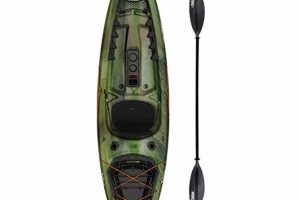
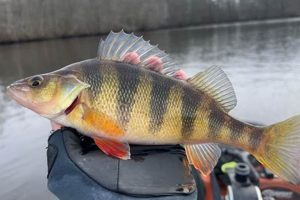
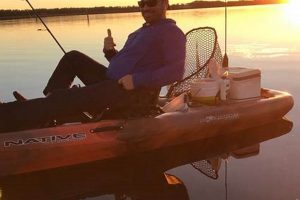
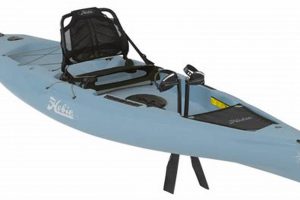
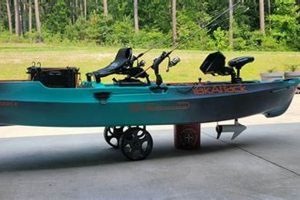
Small, maneuverable watercraft designed for angling in narrow waterways offer distinct advantages. These vessels are typically lightweight, allowing for easy transport and navigation through shallow, winding streams. Their compact design facilitates access to secluded fishing spots often inaccessible to larger boats. Specialized features like rod holders, anchor trolleys, and ample storage for tackle enhance the angling experience.
The increasing popularity of this specialized fishing approach reflects a growing appreciation for intimate, close-to-nature angling experiences. Smaller watercraft permit access to pristine environments teeming with fish species like trout, smallmouth bass, and panfish. The quiet approach afforded by these vessels minimizes disturbance, increasing the likelihood of successful catches. This style of fishing also promotes conservation by limiting environmental impact compared to motorized approaches.
Further exploration will detail essential features to consider when selecting such a watercraft, including hull design, propulsion systems, and essential accessories. Safety guidelines for navigating narrow waterways and responsible fishing practices will also be addressed.
Tips for Creek Fishing
Successful creek fishing expeditions require careful planning and specialized techniques. The following tips offer guidance for a safe and productive experience.
Tip 1: Prioritize Stability and Maneuverability: A shorter, wider hull design provides enhanced stability in shallow, moving water, allowing for easier casting and fish fighting. Excellent maneuverability is crucial for navigating tight turns and obstacles common in creeks.
Tip 2: Choose Appropriate Propulsion: Paddle propulsion offers a stealthy approach, minimizing disturbance to fish. Pedal-driven kayaks allow hands-free fishing and faster travel over longer distances.
Tip 3: Pack Light and Efficiently: Limited storage space necessitates careful gear selection. Prioritize essential tackle and safety equipment, minimizing unnecessary weight.
Tip 4: Utilize a Creek-Specific Anchor System: A deployable anchor trolley allows for precise boat positioning in current, maximizing fishing effectiveness and minimizing drift.
Tip 5: Understand Creek Etiquette: Respect private property and access points. Practice catch-and-release principles to preserve fish populations and maintain the creek’s ecosystem.
Tip 6: Prioritize Safety: Wear a personal flotation device and carry essential safety gear, including a whistle, first-aid kit, and communication device. Inform someone of the fishing location and expected return time.
Tip 7: Study Water Conditions: Research current flow, water levels, and potential hazards before embarking on a creek fishing trip. Adapt techniques and tackle choices to the specific conditions.
Careful preparation and adherence to these guidelines significantly enhance fishing success and safety in creek environments. These practices contribute to a rewarding and environmentally responsible angling experience.
The following section will offer further insights into selecting appropriate fishing gear and techniques tailored for creek fishing.
1. Stability

Stability forms a cornerstone of successful creek fishing kayak selection. Creeks present unique challenges: shallow water, fluctuating currents, submerged obstacles, and overhanging vegetation. A stable platform is essential for casting accurately, fighting fish effectively, and maintaining comfort throughout the fishing experience. Compromised stability can lead to capsizing, gear loss, and potentially dangerous situations, especially in remote locations. Consider the scenario of hooking a strong fish in fast-moving water; a stable kayak allows the angler to focus on the fight without the added concern of maintaining balance. Similarly, navigating through narrow passages with overhanging branches requires a stable hull to resist tipping.
Kayak stability is influenced by several factors, including hull design, width, and length. Wider, flatter hulls generally offer greater primary stabilityresistance to initial tipping. Longer kayaks tend to track straighter, while shorter kayaks offer enhanced maneuverability, though potentially at the expense of some stability. Understanding the interplay of these design elements allows anglers to select a kayak appropriate for their intended creek fishing environment. For example, a wider, shorter kayak might be ideal for a small, slow-moving creek, while a slightly longer, narrower kayak with a shallow-V hull might be better suited for a larger creek with faster currents. Adding weight, such as an angler and gear, also impacts stability. Proper weight distribution within the kayak is crucial for maximizing stability on the water.
Prioritizing stability in a creek fishing kayak significantly enhances safety and fishing effectiveness. Considering hull design characteristics in relation to the anticipated creek environment allows anglers to choose a kayak that provides a secure and comfortable platform, ultimately leading to a more enjoyable and successful fishing experience. Evaluating stability requirements alongside other essential features, such as maneuverability and storage capacity, will result in a well-informed decision tailored to the specific demands of creek fishing.
2. Maneuverability
Maneuverability represents a critical performance attribute in creek fishing kayaks. Creeks, characterized by their narrow, winding waterways, often present obstacles such as fallen trees, submerged logs, and protruding rocks. Effective navigation requires a kayak capable of precise turning, quick adjustments in direction, and efficient maneuvering in tight spaces. A highly maneuverable kayak enables anglers to access secluded fishing holes, navigate complex obstacles, and position themselves strategically for optimal casting. Without sufficient maneuverability, anglers may find themselves struggling to control their kayak’s trajectory, potentially leading to grounding, collisions, or missed fishing opportunities. Consider, for example, a scenario where an angler encounters a fallen tree blocking the main channel. A highly maneuverable kayak allows the angler to easily navigate around the obstruction, while a less maneuverable kayak might require laborious backtracking or portaging.
Several factors contribute to kayak maneuverability, including hull design, length, and the presence of features like rudders or skegs. Shorter kayaks generally offer greater maneuverability due to their reduced length and turning radius. Rockerthe curvature of the hull from bow to sternalso plays a role; higher rocker profiles enhance maneuverability, particularly in shallow water and tight turns. Rudders and skegs, while potentially impacting tracking in open water, can provide valuable directional control in challenging creek environments. A kayak equipped with a rudder, for instance, allows for precise adjustments in heading, facilitating navigation through narrow passages or swift currents. The relationship between these design elements is complex and often involves trade-offs; a shorter, highly rockered kayak may sacrifice some tracking performance for increased maneuverability, while a longer kayak with a rudder may offer a balance between tracking and turning capability.
Understanding the factors influencing kayak maneuverability empowers anglers to select a vessel appropriate for the specific demands of creek fishing. Prioritizing maneuverability alongside other essential characteristics, such as stability and storage capacity, ensures a well-rounded, purpose-built kayak. Matching maneuverability to the anticipated creek environmentnarrow, technical creeks versus wider, more open waterwaysdirectly impacts fishing effectiveness and overall enjoyment on the water. Selecting a maneuverable kayak contributes significantly to successful navigation, efficient obstacle avoidance, and ultimately, access to prime fishing locations within the creek system.
3. Portability
Portability represents a crucial factor in creek fishing kayak selection, directly influencing accessibility to remote fishing locations. Many creeks lack established launch sites, requiring anglers to transport their kayaks across uneven terrain, potentially over considerable distances. A portable kayak simplifies this process, expanding fishing opportunities and minimizing the physical strain associated with transporting heavier, bulkier vessels. Without sufficient portability, access to prime creek fishing spots may be significantly limited.
- Weight and Dimensions
Kayak weight and dimensions directly correlate with portability. Lighter kayaks are easier to carry, load, and unload, especially across challenging terrain. Compact dimensions simplify maneuvering the kayak through dense vegetation or narrow paths. Consider, for example, the difference between transporting a 40-pound kayak versus an 80-pound kayak over a quarter-mile portage. The lighter kayak significantly reduces physical exertion and makes accessing remote fishing spots more feasible. Similarly, a shorter kayak is easier to manage on narrow trails and during loading/unloading.
- Hull Material
Hull material influences both weight and durability. Thermoformed plastics offer a balance of lightweight construction and robust durability, well-suited for the rigors of creek fishing. While composite materials like fiberglass or carbon fiber can create lighter kayaks, they often come at a higher price point and may be more susceptible to damage from impacts with rocks or submerged obstacles common in creeks.
- Transportation Methods
Various transportation methods exist for kayaks, including roof racks, trailers, and even kayak carts. Selecting a transportation method compatible with the kayak’s dimensions and weight is crucial for safe and efficient transport. A lightweight kayak might be easily transported on a roof rack, while a heavier kayak might necessitate a trailer or kayak cart. The availability of appropriate transportation methods influences the practicality of accessing specific creek fishing locations.
- Storage Considerations
Storage space availability at home or during transport also influences portability. Compact, modular kayaks or inflatable kayaks offer convenient storage solutions for those with limited space. These options often simplify transport and storage compared to larger, rigid kayaks.
Prioritizing portability in a creek fishing kayak expands fishing opportunities by simplifying access to remote locations. Carefully considering weight, dimensions, hull material, and transportation methods allows anglers to choose a kayak that aligns with their individual needs and the specific demands of creek fishing. Balancing portability with other critical factors, such as stability and maneuverability, will result in a well-rounded kayak selection optimized for creek fishing adventures.
4. Storage Capacity
Storage capacity represents a critical consideration in creek fishing kayak selection. The limited space inherent in kayaks necessitates careful gear management, particularly in creek environments where bringing excess equipment can be impractical or even hazardous. Adequate storage facilitates organized tackle access, safekeeping of essential gear, and overall fishing efficiency. Insufficient storage can lead to clutter, lost gear, and a compromised fishing experience.
- Tackle Organization
Dedicated storage compartments for tackle boxes, lures, and other fishing accessories promote efficient organization and quick access to essential gear. A well-organized tackle system minimizes time spent searching for specific items, allowing anglers to focus on fishing. Consider, for example, the advantage of having readily accessible compartments for different lure types, allowing for quick changes based on water conditions or fish behavior. Conversely, rummaging through a cluttered storage area can disrupt fishing flow and lead to missed opportunities.
- Essential Gear Storage
Safe and dry storage for essential gear, such as safety equipment, electronics, and personal items, is paramount. Protecting these items from water damage and loss is crucial for both safety and preserving valuable equipment. Dry storage compartments or waterproof bags within the kayak provide secure storage for items like cell phones, first-aid kits, and spare clothing. The ability to keep these items dry and accessible contributes significantly to a safe and comfortable creek fishing experience.
- Rod and Paddle Storage
Secure storage solutions for rods and paddles prevent loss and damage during transport and fishing. Dedicated rod holders and paddle clips keep these essential items within easy reach while minimizing the risk of entanglement or accidental overboard loss. Imagine navigating a narrow creek with an unsecured paddle; the risk of losing the paddle or having it interfere with casting is significant. Secure rod storage ensures rods remain readily available for use and protected from damage.
- Catch Management
While less crucial in catch-and-release fishing, storage for caught fish may be relevant in certain situations. A designated area or cooler within the kayak can keep caught fish fresh and secure until they can be properly handled. This is particularly relevant for anglers targeting species intended for consumption. Proper catch management contributes to responsible fishing practices and minimizes the impact on fish populations.
Optimizing storage capacity in a creek fishing kayak contributes directly to fishing efficiency, safety, and overall enjoyment on the water. Prioritizing storage solutions alongside other key factors such as stability and maneuverability ensures a well-rounded kayak selection tailored to the specific demands of creek fishing. A kayak equipped with ample and well-organized storage allows anglers to focus on the fishing experience itself, maximizing both productivity and enjoyment within the creek environment.
5. Sit-on-top Design

Sit-on-top kayak designs offer distinct advantages in creek fishing scenarios. Their open deck structure facilitates easy entry and exit, a crucial feature in shallow water and during unexpected situations like navigating around obstacles or recovering from a submerged log. This design inherently addresses water accumulation; any water entering the cockpit drains quickly through scupper holes, eliminating the need for bilge pumps and reducing the risk of swamping. This self-bailing characteristic enhances safety and simplifies the fishing experience, particularly in dynamic creek environments. Consider a scenario where an angler encounters a submerged obstacle and the kayak takes on water; a sit-on-top design ensures rapid drainage, maintaining stability and preventing a potentially dangerous situation. Furthermore, the open deck allows for greater freedom of movement, facilitating casting, fish retrieval, and adjustments in seating position throughout the fishing trip.
The elevated seating position in sit-on-top kayaks provides improved visibility, beneficial for spotting fish, identifying potential hazards, and navigating shallow, complex waterways. This enhanced vantage point allows anglers to observe subtle changes in water flow, identify likely fish holding areas, and avoid submerged obstacles that might otherwise go unnoticed. Improved visibility translates to increased fishing effectiveness and enhanced safety in challenging creek environments. Imagine an angler attempting to navigate a shallow, rock-strewn creek; the elevated perspective of a sit-on-top kayak provides a clearer view of the waterway, facilitating safer passage and enhancing the ability to spot fish in the clear water.
The inherent simplicity and stability of sit-on-top kayaks make them an ideal choice for creek fishing. Their self-bailing design, ease of entry and exit, and enhanced visibility contribute significantly to safety and fishing effectiveness in dynamic creek environments. These practical advantages, coupled with the design’s adaptability to various creek conditions, solidify the sit-on-top kayak’s position as a preferred choice for anglers seeking a versatile and reliable creek fishing platform. Selecting a sit-on-top design simplifies the creek fishing experience, allowing anglers to focus on the pursuit of fish rather than managing the complexities of a traditional sit-inside kayak.
Frequently Asked Questions
Addressing common inquiries regarding specialized small watercraft for angling provides clarity for informed decision-making.
Question 1: What key features distinguish a creek fishing kayak from recreational models?
Creek fishing kayaks prioritize stability, maneuverability, and portability, often featuring shorter lengths, wider beams, and lighter construction compared to recreational kayaks. Specialized features like rod holders, anchor trolleys, and ample storage for tackle further differentiate these vessels.
Question 2: Are specialized kayaks necessary for creek fishing, or can recreational kayaks suffice?
While recreational kayaks might function in wider, slower-moving creeks, specialized designs offer significant advantages in narrower, faster-flowing waterways. Their enhanced maneuverability, stability, and specialized features significantly improve the fishing experience and access to prime locations.
Question 3: How does one select the appropriate size and type of creek fishing kayak?
Kayak selection depends on individual angler size, anticipated creek conditions, and desired fishing style. Shorter kayaks offer enhanced maneuverability, while longer kayaks provide better tracking. Wider kayaks enhance stability, particularly valuable in shallow, moving water. Consider anticipated gear storage needs and preferred propulsion method (paddle, pedal) when making a selection.
Question 4: What safety precautions are essential for creek fishing?
Wearing a personal flotation device is paramount. Informing someone of the fishing location and expected return time, carrying a first-aid kit and communication device, and understanding water conditions and potential hazards are crucial safety practices.
Question 5: What essential gear enhances creek fishing success?
Essential gear includes a creek-specific anchor system, appropriate fishing rods and reels, a selection of lures tailored to target species, and appropriate clothing and footwear for varying weather conditions. A well-organized tackle system and appropriate storage solutions further enhance efficiency.
Question 6: What environmental considerations should creek anglers prioritize?
Minimizing environmental impact through practices like catch-and-release fishing, proper waste disposal, and respect for riparian habitats preserves creek ecosystems for future generations. Avoiding disturbing vegetation and wildlife contributes to responsible creek stewardship.
Careful consideration of these factors contributes to a safe, productive, and environmentally responsible creek fishing experience. Informed decision-making enhances both angler enjoyment and the long-term health of these valuable aquatic ecosystems.
The following section will provide in-depth guidance on selecting appropriate fishing techniques and tackle specific to creek environments.
Conclusion
Optimal use of specialized small watercraft designed for angling in narrow waterways necessitates careful consideration of vessel characteristics, appropriate gear selection, and responsible environmental practices. Matching watercraft design to the specific demands of creek environmentsnarrow channels, shallow depths, and potential obstaclesmaximizes both fishing effectiveness and overall safety. Prioritizing stability, maneuverability, and portability in vessel selection ensures access to prime fishing locations and efficient navigation within these unique ecosystems. Furthermore, informed decision-making regarding appropriate fishing techniques and tackle selection, coupled with a commitment to conservation principles, contributes to a sustainable and rewarding creek fishing experience.
Successful creek fishing transcends mere equipment acquisition; it represents a mindful integration of angler knowledge, skillful technique, and respect for the natural environment. Continued exploration of advanced techniques, refined understanding of fish behavior within creek ecosystems, and unwavering commitment to conservation principles will further enhance the enjoyment and long-term sustainability of this specialized angling pursuit.