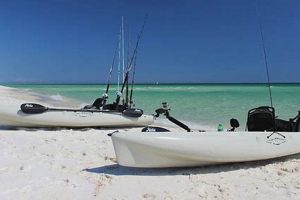
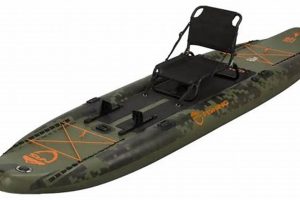
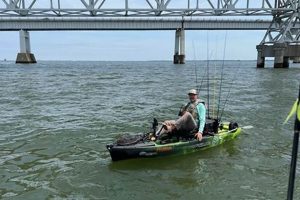
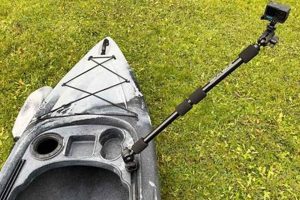
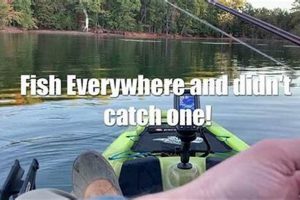
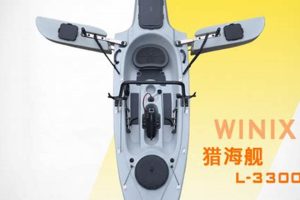
Specialized vessels designed for angling in Canadian waters represent a growing segment of the recreational market. These watercraft are typically smaller and more maneuverable than traditional boats, offering advantages in accessing shallow waters and navigating diverse environments from lakes and rivers to coastal areas. They are often equipped with features like rod holders, storage compartments for tackle, and even anchor trolleys to optimize the fishing experience.
The popularity of this specialized equipment stems from the accessibility it provides to Canada’s vast network of waterways. Anglers can explore remote fishing spots and enjoy closer contact with nature. This mode of fishing offers a sustainable and eco-friendly approach to angling, often requiring less fuel and minimizing environmental impact compared to motorized boats. The rise of this activity also reflects a broader trend towards outdoor recreation and experiencing the natural beauty Canada offers.
Further exploration of this topic will cover key considerations such as selecting the right vessel for specific needs, essential safety equipment, popular fishing locations across the country, and the regulations governing angling in Canadian waters.
Tips for Kayak Fishing in Canada
Successful angling from a kayak requires careful planning and preparation. The following tips offer guidance for a safe and productive experience on Canadian waters.
Tip 1: Choose the Right Kayak: Kayak selection should consider the intended fishing environment (calm lakes, rivers, or coastal waters) and individual needs. Longer kayaks offer better tracking for open water, while shorter models provide maneuverability in tight spaces. Sit-on-top kayaks are generally preferred for fishing due to their stability and ease of entry and exit.
Tip 2: Prioritize Safety Equipment: A properly fitted personal flotation device (PFD) is paramount. Essential safety gear also includes a whistle, signaling devices, a first-aid kit, and a communication device such as a VHF radio or waterproof cell phone.
Tip 3: Understand Local Regulations: Anglers must possess valid fishing licenses and adhere to all provincial and territorial regulations concerning catch limits, permitted species, and fishing seasons. Awareness of local boating regulations is also crucial.
Tip 4: Plan Your Trip Carefully: Check weather forecasts before embarking on any fishing trip. Inform someone of your intended location and estimated return time. Carry a map and compass or GPS device, particularly when exploring unfamiliar waters.
Tip 5: Practice Essential Kayak Skills: Develop proficiency in paddling, maneuvering, and self-rescue techniques before venturing out alone. Consider taking a kayaking course to improve skills and enhance safety.
Tip 6: Pack Appropriately: Bring essential fishing gear, including rods, reels, tackle, and bait. Pack adequate food and water, sun protection, and insect repellent. Dry bags or waterproof containers will safeguard essential items from moisture.
Tip 7: Respect the Environment: Practice Leave No Trace principles by packing out all trash and minimizing disturbance to wildlife and their habitats. Adhere to responsible anchoring practices to avoid damage to aquatic ecosystems.
By following these guidelines, anglers can enhance their safety, maximize their fishing success, and contribute to the preservation of Canada’s natural aquatic resources.
This information serves as a starting point for planning a kayak fishing adventure. Further research and preparation are recommended to ensure a rewarding and safe experience.
1. Kayak Stability

Kayak stability is a critical factor for anglers in Canada, impacting safety and fishing effectiveness. Canadian waters present diverse conditions, from calm lakes to challenging coastal areas, necessitating careful consideration of stability when selecting a fishing kayak.
- Primary Stability
Primary stability refers to a kayak’s initial resistance to tipping. A wider, flatter hull provides higher primary stability, making it ideal for calm waters and stationary fishing. This is beneficial in sheltered bays and lakes across Canada where anglers might be casting frequently or reeling in fish. However, higher primary stability can compromise maneuverability.
- Secondary Stability
Secondary stability describes a kayak’s resistance to tipping at greater angles of lean. Kayaks with rounded or flared hulls offer higher secondary stability, performing well in rougher conditions like those found in coastal British Columbia or the Great Lakes. This stability is crucial when battling larger fish or paddling through choppy water.
- Factors Affecting Stability
Kayak stability is influenced by hull design, width, length, and the angler’s weight and distribution within the vessel. Adding gear, such as fishing rods and tackle boxes, further impacts stability. Understanding these factors is crucial for selecting a suitable kayak for diverse Canadian fishing environments, from the shallow rivers of Manitoba to the open waters of the Atlantic.
- Stability and Fishing Performance
A stable kayak provides a secure platform for casting, reeling, and landing fish. It allows anglers to focus on fishing rather than constantly correcting balance, particularly in challenging conditions. The appropriate level of stability enhances safety and comfort, contributing to a more enjoyable and productive fishing experience in Canada’s varied waters.
Selecting a fishing kayak with appropriate stability for intended Canadian fishing locations and conditions is essential for safety and fishing success. Considering both primary and secondary stability, along with other influencing factors, ensures anglers can confidently navigate and enjoy the diverse fishing opportunities Canada offers.
2. Storage Capacity
Ample storage capacity is a crucial factor when selecting a fishing kayak for use in Canada’s diverse waterways. The ability to carry essential gear, safety equipment, and personal items directly impacts the duration and success of fishing trips. Understanding storage options and their implications is essential for anglers seeking to maximize their experience on the water.
- Types of Storage
Fishing kayaks offer various storage solutions, including hatches, tank wells, and bungee systems. Hatches provide secure, waterproof storage for sensitive items like electronics and extra clothing. Tank wells, typically located behind the seat, accommodate larger items like tackle boxes and coolers. Bungee systems secure items on the deck for quick access.
- Capacity Needs
Storage needs vary depending on the type of fishing, trip duration, and personal preferences. Anglers targeting larger species in remote locations, such as those found in northern Canada, require more storage for specialized gear. Multi-day expeditions necessitate space for camping equipment and provisions. Day trips on smaller lakes or rivers may require less storage.
- Weight Distribution
Proper weight distribution is essential for kayak performance and stability. Distributing gear evenly throughout the kayak prevents imbalance and improves tracking. Overloading the kayak can compromise stability and maneuverability, posing safety risks, particularly in challenging conditions often encountered in coastal regions or larger lakes.
- Accessibility
Easy access to essential gear is vital during a fishing trip. Well-designed storage compartments allow anglers to retrieve items quickly and efficiently without compromising balance or disrupting the fishing process. Convenient access to safety equipment, such as first-aid kits and communication devices, is paramount in emergency situations.
Careful consideration of storage capacity is paramount when selecting a fishing kayak for use in Canada. Evaluating the types of storage, assessing individual capacity needs, prioritizing proper weight distribution, and ensuring easy access to essential gear contribute to a safe, comfortable, and productive fishing experience on Canada’s diverse waterways. Appropriate storage solutions allow anglers to focus on their passion while ensuring they have the necessary equipment and supplies readily available.
3. Canadian Waters

The diverse nature of Canadian waters significantly influences the selection and utilization of fishing kayaks. From vast ocean coastlines to intricate inland waterways, understanding the characteristics of these environments is crucial for safe and successful angling experiences. The following facets highlight the interplay between Canadian waters and the specialized kayaks designed to navigate them.
- Ocean Environments
Canada’s extensive coastlines, encompassing the Atlantic, Pacific, and Arctic oceans, present unique challenges and opportunities for kayak anglers. Tidal currents, strong winds, and varying wave conditions demand seaworthy kayaks with enhanced stability and tracking capabilities. Specialized designs, like sit-on-top kayaks with high-volume hulls, are favored for their seaworthiness in these demanding environments. Anglers targeting saltwater species like cod or halibut off Newfoundland, for example, require kayaks capable of handling rougher seas.
- Lakes and Rivers
Canada’s numerous lakes and rivers offer diverse freshwater fishing opportunities. Calm lakes, such as those found in Ontario’s cottage country, permit the use of a wider range of kayak designs, including recreational sit-in and sit-on-top models. Rivers, with their currents and potential obstacles, require maneuverable kayaks with responsive handling. Shorter kayaks or those with a shallow draft are often preferred for navigating shallow rivers and streams prevalent in regions like Alberta or the interior of British Columbia.
- Protected Bays and Estuaries
Sheltered bays and estuaries provide calmer waters often rich in marine life, making them ideal for kayak fishing. These environments, found across Canada’s coastlines, allow for the use of less specialized kayaks while still offering access to diverse species. Stable platforms, often found in wider sit-on-top kayaks, are beneficial for casting and landing fish in these relatively calmer waters, popular for species like bass or trout in regions like the Maritimes.
- Cold Water Considerations
The predominantly cold water temperatures across much of Canada necessitate specific safety precautions and gear considerations for kayak anglers. Proper insulation, including drysuits or wetsuits, is crucial for maintaining body temperature in case of immersion. Kayaks designed for cold water conditions may incorporate features like sealed bulkheads for enhanced buoyancy and safety. Understanding cold water risks and preparing accordingly is paramount for safe kayaking experiences, especially in northern regions or during shoulder seasons.
The characteristics of Canadian waters play a defining role in the selection, use, and adaptation of fishing kayaks. Understanding the nuances of each environment, from open ocean to inland waterways, empowers anglers to choose appropriate vessels and equipment, enhancing both safety and the overall fishing experience. The connection between kayak design and the specific challenges and opportunities presented by Canadian waters underscores the importance of informed decision-making for successful and safe kayak angling across the country.
4. Fishing Regulations

Adherence to fishing regulations is paramount for responsible and legal kayak angling across Canada. Regulations vary by province and territory, impacting permitted species, catch limits, seasons, and specific gear restrictions. Understanding these regulations is essential for preserving fish populations, protecting ecosystems, and ensuring the sustainability of recreational fishing from kayaks.
- Licensing Requirements
Fishing licenses are mandatory for angling in most Canadian waters. Regulations stipulate license types, fees, and eligibility criteria, often varying based on residency and age. Acquiring the appropriate license before embarking on a kayak fishing trip is crucial for compliance. Information on licensing requirements can be obtained from provincial or territorial government websites or authorized vendors. Failure to possess a valid license can result in fines and penalties.
- Species-Specific Regulations
Regulations often dictate specific catch limits, size restrictions, and permitted fishing methods for individual fish species. These regulations aim to manage fish populations and prevent overfishing. For example, regulations may stipulate the minimum size for keeping a walleye or the number of trout an angler can harvest. Awareness of these species-specific regulations is essential for responsible angling practices from a kayak.
- Seasonal Restrictions
Fishing seasons, determined by provincial and territorial authorities, define the permitted timeframe for targeting specific species. These seasons align with fish spawning periods and other ecological factors to minimize disruption and ensure sustainable populations. Kayak anglers must adhere to these seasonal closures, even if inadvertently encountering a closed-season species while targeting other fish. Checking local regulations before heading out is crucial.
- Gear Restrictions
Regulations may restrict certain fishing gear types or methods in specific areas or for particular species. For example, limitations on hook sizes or the prohibition of certain lures may apply. Kayak anglers must be aware of and comply with these gear restrictions. Using permitted gear ensures ethical fishing practices and contributes to resource conservation efforts.
Compliance with fishing regulations is an integral aspect of responsible kayak angling in Canada. Understanding licensing requirements, species-specific regulations, seasonal closures, and gear restrictions ensures legal and ethical fishing practices. By adhering to these regulations, kayak anglers contribute to the long-term health of Canadian fish populations and the preservation of aquatic ecosystems for future generations.
5. Safety Equipment

Safety equipment is paramount for kayak angling in Canada, given the diverse water conditions and potential hazards. Prioritizing safety ensures enjoyable and incident-free fishing experiences. The following facets highlight essential safety considerations specific to kayak fishing in Canadian waters.
- Personal Flotation Devices (PFDs)
A properly fitted and Transport Canada-approved PFD is non-negotiable. Canadian regulations mandate PFDs for all watercraft users, including kayak anglers. Selecting a comfortable, fishing-specific PFD with ample pockets for small gear enhances both safety and practicality. Regularly inspecting PFDs for wear and tear ensures their effectiveness in emergency situations.
- Signaling Devices
Carrying signaling devices, such as a whistle, flares, or a mirror, is crucial for attracting attention in distress situations. A waterproof VHF radio enables direct communication with emergency services and other boaters. These devices are particularly important in remote areas with limited cellular coverage, common in many Canadian fishing locations. Understanding how to use signaling devices effectively is essential.
- Navigation and Communication
Navigational aids like a compass, GPS device, and nautical charts are vital, particularly when exploring unfamiliar waters or during periods of reduced visibility. A waterproof cell phone or satellite communication device provides a backup communication option. Informing someone of the intended fishing location and estimated return time enhances safety.
- Cold Water Safety Gear
Given the prevalence of cold water across many Canadian regions, appropriate cold-water gear is essential for mitigating risks associated with immersion. Drysuits or wetsuits provide insulation, while waterproof bags protect essential items like extra clothing and emergency supplies from moisture. Understanding the effects of cold water shock and hypothermia is crucial for safe kayak angling in Canada.
Prioritizing safety equipment ensures preparedness for unforeseen circumstances while kayak fishing in Canada. From mandatory PFDs to essential signaling and communication devices, investing in and understanding the use of safety gear contributes significantly to angler well-being. The specific challenges posed by Canadian waters, including cold temperatures and remote locations, underscore the importance of comprehensive safety measures for enjoyable and incident-free kayak fishing experiences.
Frequently Asked Questions
This section addresses common inquiries regarding kayak fishing in Canada, providing concise and informative responses to assist anglers in making informed decisions and enhancing their on-water experiences.
Question 1: What type of kayak is best suited for fishing in Canadian waters?
Kayak selection depends on the specific fishing environment. Sit-on-top kayaks are generally preferred for their stability and ease of entry/exit. Longer kayaks offer better tracking in open water, while shorter models excel in maneuverability within confined spaces like rivers and streams. Ocean kayaking demands specialized designs with enhanced stability for challenging conditions.
Question 2: What essential safety equipment is required for kayak fishing in Canada?
Essential safety gear includes a Transport Canada-approved personal flotation device (PFD), signaling devices (whistle, flares, mirror), a first-aid kit, and communication devices (VHF radio, waterproof cell phone/satellite communicator). Navigation aids (compass, GPS, charts) are also crucial, especially in unfamiliar waters.
Question 3: Are there specific fishing regulations for kayaks in Canada?
While general fishing regulations apply, some regions may have specific rules for kayaks. Always check provincial/territorial regulations regarding licensing, catch limits, seasons, and permitted gear before embarking on a fishing trip. These regulations help ensure sustainable fishing practices and protect aquatic ecosystems.
Question 4: Where can one find information on fishing licenses and regulations specific to each province/territory?
Provincial and territorial government websites provide comprehensive information on fishing licenses, regulations, and specific area closures. Authorized vendors, such as sporting goods stores, can also provide licensing information and assistance.
Question 5: What are the primary safety considerations for cold-water kayak fishing in Canada?
Cold-water safety necessitates appropriate protective clothing (drysuits/wetsuits) and awareness of cold-water shock and hypothermia risks. Carrying extra clothing in waterproof bags and informing someone of trip plans enhances safety. Proper preparation and understanding of cold-water risks are crucial.
Question 6: What resources are available for learning more about kayak fishing techniques and safety practices?
Numerous online resources, instructional videos, and local kayaking clubs offer valuable information on kayak fishing techniques and safety best practices. Consider taking a certified kayaking course to enhance skills and improve on-water safety and confidence.
Careful consideration of these frequently asked questions contributes significantly to safe and enjoyable kayak fishing experiences in Canada. Understanding equipment needs, safety regulations, and environmental factors allows anglers to fully appreciate the diverse fishing opportunities available across the country.
This concludes the frequently asked questions section. The following sections will delve into specific aspects of kayak fishing in Canada, including recommended fishing locations, species-specific tactics, and gear reviews.
Fishing Kayaks Canada
This exploration of specialized fishing kayaks within the Canadian context has highlighted key factors influencing their selection and utilization. From the diverse characteristics of Canadian waters to the importance of safety equipment and adherence to fishing regulations, informed decision-making is crucial for successful and responsible angling experiences. Kayak stability, storage capacity, and an understanding of the specific challenges and opportunities presented by different aquatic environments contribute significantly to angler preparedness and overall enjoyment.
The growing popularity of this specialized pursuit underscores a deeper connection with Canada’s natural heritage. As more individuals embrace this rewarding activity, continued emphasis on responsible angling practices and environmental stewardship will ensure the preservation of these valuable resources for future generations. Further exploration of specific regional considerations, species-specific techniques, and evolving kayak technologies will undoubtedly enrich the experiences of those seeking to connect with Canada’s aquatic landscapes through the unique lens of kayak fishing.