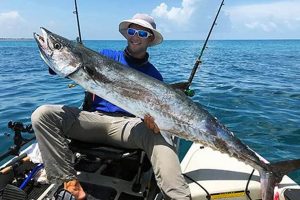
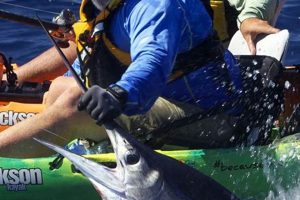
The Chesapeake Bay and its tributaries, along with Maryland’s Atlantic coastline and numerous inland lakes and rivers, provide diverse environments for small-vessel angling. This activity allows anglers to access shallow-water areas often unreachable by larger boats, offering opportunities to target various species like striped bass, speckled trout, and largemouth bass.
The quiet, non-motorized approach of this type of fishing minimizes disturbance to aquatic life, resulting in a potentially more productive and environmentally friendly angling experience. Its growing popularity stems from factors such as affordability, accessibility, and the unique connection with nature it provides. Historically, smaller watercraft have played a role in the region’s fishing traditions, evolving from utilitarian vessels to the specialized kayaks used today.
The following sections will explore specific locations, essential equipment, recommended techniques, and relevant regulations for this rewarding pastime in the state.
Tips for Kayak Angling in Maryland
Careful planning and preparation contribute significantly to a successful and enjoyable fishing experience from a kayak. The following tips offer guidance for anglers of all skill levels.
Tip 1: Check Weather and Water Conditions: Prior to departure, consult marine forecasts for wind speed, wave height, and tidal currents. Postponing trips during inclement weather ensures safety and improves fishing success.
Tip 2: Choose Appropriate Gear: Select a kayak designed for stability and fishing functionality. Essential equipment includes a paddle, personal flotation device (PFD), appropriate fishing rods and reels, tackle, and a landing net.
Tip 3: Plan a Float Plan: Inform someone about the intended fishing location, launch time, and expected return. This precaution ensures assistance can be rendered if necessary.
Tip 4: Practice Kayak Control: Familiarize oneself with basic paddling strokes and maneuvering techniques before venturing into open water. This promotes confidence and safe navigation.
Tip 5: Respect Wildlife and the Environment: Observe proper catch-and-release practices to conserve fish populations. Dispose of fishing line and other waste responsibly to protect the aquatic ecosystem.
Tip 6: Be Aware of Regulations: Obtain the necessary fishing licenses and familiarize oneself with state regulations regarding size and catch limits for different species.
Tip 7: Pack Essential Safety Gear: Carry a whistle, signaling device, first-aid kit, and a bilge pump or sponge. These items can prove invaluable in emergencies.
By adhering to these guidelines, anglers can maximize their chances of a safe and productive outing while contributing to the preservation of Marylands aquatic resources.
Considering these tips, the next section will discuss popular fishing locations throughout Maryland, highlighting their unique characteristics and target species.
1. Location Selection

Strategic location selection is paramount for successful kayak fishing in Maryland. The diverse aquatic environments, ranging from the brackish Chesapeake Bay to freshwater rivers and lakes, offer unique opportunities and challenges. A well-chosen location aligns with target species, angler skill level, and desired fishing experience.
- Tidal Rivers and Creeks:
Tidal waterways offer dynamic fishing environments influenced by fluctuating water levels and currents. These areas are prime habitats for species like striped bass, white perch, and speckled trout. Anglers should consider tide charts and current flows when selecting fishing spots within these systems. For example, fishing near structure during a moving tide can concentrate fish and improve catch rates.
- Chesapeake Bay:
The Chesapeake Bay presents vast open-water opportunities for experienced kayak anglers. Targeting species like striped bass, bluefish, and flounder often involves trolling or drifting techniques. Careful consideration of wind, waves, and boat traffic is crucial for safety and effective fishing. Shallow-water areas within the Bay, such as grass beds and oyster reefs, can also be productive fishing grounds.
- Lakes and Ponds:
Maryland’s numerous lakes and ponds offer calmer waters suitable for various kayak fishing styles. Species like largemouth bass, crappie, and chain pickerel inhabit these environments. Anglers can utilize techniques like casting, jigging, or still-fishing depending on the target species and habitat. Deepwater access allows kayaks to reach areas inaccessible from shore.
- Atlantic Ocean:
For experienced kayak anglers equipped for offshore conditions, the Atlantic Ocean provides opportunities for nearshore fishing. Targeting species like flounder, sea bass, and tautog requires specialized kayaks and safety equipment. Thorough knowledge of weather patterns, navigation, and self-rescue techniques is essential.
By carefully evaluating the characteristics of each location, anglers can select the most suitable environment based on their target species, experience level, and desired fishing style. Understanding the nuances of each location contributes significantly to a successful and rewarding kayak fishing experience in Maryland.
2. Species Targeted

The diverse array of fish species inhabiting Maryland waters directly influences the strategies and equipment employed in kayak fishing. Target species selection dictates fishing location, tackle choices, and even the type of kayak preferred. Understanding the habits and habitats of desired fish is crucial for a productive outing. For example, anglers pursuing striped bass in the Chesapeake Bay might opt for a longer, more stable kayak designed for open water, equipped with heavier tackle suitable for trolling or casting larger lures. Conversely, those targeting largemouth bass in a smaller pond might choose a shorter, more maneuverable kayak and lighter tackle for casting in tighter spaces.
The relationship between target species and location is intertwined. Striped bass are commonly sought in the brackish waters of the Chesapeake Bay and its tributaries, while largemouth bass thrive in freshwater lakes and ponds. Speckled trout favor shallow grass flats, and chain pickerel inhabit weedy areas of slower-moving rivers. Matching the target species to the appropriate environment increases the likelihood of a successful fishing trip. This understanding also informs tackle choices, with lighter lures and lines preferred for species like crappie and perch, while heavier gear is necessary for larger, more powerful fish such as striped bass and catfish.
Effective kayak fishing in Maryland requires careful consideration of the target species and its associated habitat. This knowledge informs decisions regarding location, kayak selection, and tackle, ultimately enhancing the angler’s chances of success. Recognizing the specific regulations governing each species, such as size and catch limits, is also essential for responsible angling practices. This targeted approach not only increases fishing success but also contributes to the long-term health and sustainability of Maryland’s fisheries.
3. Kayak Choice
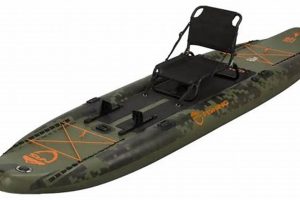
Kayak selection significantly impacts the effectiveness and enjoyment of Maryland kayak fishing excursions. The chosen vessel must align with the intended fishing environment, target species, and individual angler needs. A stable, appropriately equipped kayak enhances safety, maneuverability, and overall fishing performance. For instance, navigating the open waters of the Chesapeake Bay requires a longer, more stable kayak with ample storage for gear and a higher weight capacity. Conversely, fishing in smaller, calmer rivers or creeks may benefit from a shorter, lighter kayak offering increased agility and easier navigation through narrow passages. Sit-on-top kayaks are generally preferred for fishing due to their self-bailing design and ease of re-entry after an accidental capsize, a crucial safety consideration, particularly in colder waters.
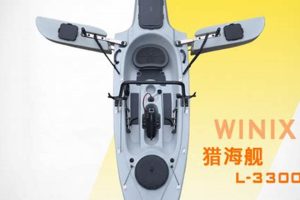
Specific features further influence kayak suitability for fishing. Rod holders, paddle leashes, and integrated storage compartments enhance convenience and efficiency on the water. Kayaks designed for fishing often incorporate features like anchor trolleys and rudder systems, enabling precise positioning and control in various fishing scenarios. For example, an angler targeting striped bass in tidal currents might prioritize a kayak with a rudder system for maintaining position and direction, while someone fishing for largemouth bass in a calm pond might prioritize maneuverability and a shallow draft. The weight capacity of the kayak must also accommodate the angler’s weight, fishing gear, and potential catch.
Careful kayak selection directly contributes to a successful and enjoyable fishing experience in Maryland. Matching the kayak’s features and capabilities to the specific fishing environment and target species enhances both safety and effectiveness. Investing time in researching and selecting the appropriate kayak empowers anglers to make informed decisions, optimizing their time on the water and contributing to a positive overall experience. Consideration of factors like stability, maneuverability, storage capacity, and specialized features contributes significantly to a successful and rewarding Maryland kayak fishing adventure.
4. Essential Gear

Effective Maryland kayak fishing necessitates specific gear crucial for safety, efficient angling, and a positive overall experience. This equipment goes beyond standard fishing tackle and addresses the unique challenges and opportunities presented by this specialized angling method. A properly outfitted kayak ensures angler safety and preparedness while maximizing fishing effectiveness. For instance, a reliable personal flotation device (PFD) is paramount, providing essential buoyancy in case of capsize. A paddle leash prevents loss of the primary means of propulsion, a critical safety precaution, especially in moving water or open areas of the Chesapeake Bay. Navigation tools, including a compass, GPS device, and charts, are essential for safe navigation, particularly in tidal waters or during periods of reduced visibility. These tools aid in precise location determination, route planning, and avoiding hazards.
Specialized fishing gear further enhances kayak angling effectiveness. Rod holders secure rods while paddling or tending to other tasks, preventing loss or damage. A well-stocked tackle box, containing lures, hooks, lines, and weights appropriate for target species, maximizes fishing opportunities. A landing net aids in safely securing caught fish, minimizing handling time and stress on the fish. Additional equipment like an anchor and anchor trolley system provides precise positioning control, crucial for maintaining location in current or wind. These specialized tools allow anglers to focus on fishing rather than constantly adjusting their kayak’s position. Furthermore, appropriate clothing and sun protection are essential for angler comfort and well-being. Layering clothing allows for adjustments to changing weather conditions, while a wide-brimmed hat and sunscreen protect against prolonged sun exposure.
Proper gear selection directly influences success and safety in Maryland kayak fishing. The unique demands of this activity require specialized equipment that goes beyond traditional fishing gear. Careful consideration of safety essentials, fishing-specific tools, and personal comfort items contributes significantly to a productive and enjoyable experience. Investing in quality gear enhances angler preparedness and promotes responsible angling practices, leading to a more rewarding time on the water. Understanding the function and importance of each piece of equipment allows anglers to make informed decisions tailored to their specific fishing needs and the challenges of the Maryland environment.
5. Safety Precautions
Safe practices are paramount in Maryland kayak fishing, given the dynamic nature of the state’s waterways and the inherent risks associated with on-the-water activities. Prioritizing safety ensures angler well-being and fosters responsible enjoyment of the sport. Understanding and implementing appropriate safety measures mitigates potential hazards and contributes to a positive overall experience.
- Personal Flotation Devices (PFDs):
Wearing a properly fitted PFD is non-negotiable. PFDs provide essential buoyancy in case of capsize, significantly increasing survival chances in cold water or strong currents. Selecting a PFD designed for paddling and fishing ensures comfort and freedom of movement while providing adequate flotation. Regularly inspecting PFDs for wear and tear ensures their effectiveness in emergencies. For example, a Type III PFD, designed for calm, inland waters where rapid rescue is likely, is suitable for many kayak fishing scenarios in Maryland. However, anglers venturing into more challenging conditions, like the open Chesapeake Bay, may consider a Type I or Type V PFD for enhanced buoyancy and specific safety features.
- Weather Awareness:
Checking weather forecasts before embarking on a kayak fishing trip is crucial. Wind speed, wave height, and potential storms significantly impact safety and fishing conditions. Postponing trips during inclement weather demonstrates prudent decision-making and prioritizes angler safety. Resources like the National Weather Service provide detailed marine forecasts specific to Maryland waters. Being aware of changing weather conditions during the trip allows for timely adjustments to plans and ensures safe return to shore. For example, strong winds can create challenging paddling conditions and increase the risk of capsize, while sudden thunderstorms pose lightning hazards.
- Navigation and Communication:
Carrying navigation tools like a compass, GPS device, and waterproof charts enhances safety on the water. These tools aid in maintaining orientation, especially in areas with limited visibility or complex shorelines. Informing someone of the planned fishing location, launch time, and expected return time establishes a critical communication link in case of emergencies. Carrying a fully charged cell phone in a waterproof case provides a means of communication in case of unexpected delays or emergencies. VHF radios offer additional communication capabilities, particularly in open water or areas with limited cell phone coverage. Knowledge of basic boating navigation rules and aids further enhances safety, especially when sharing waterways with larger vessels. These precautions contribute significantly to angler safety by providing means of location determination, communication, and emergency response.
- Kayak Handling and Self-Rescue:
Practicing basic kayak handling skills and self-rescue techniques prepares anglers for unexpected situations. Knowing how to recover from a capsize and re-enter the kayak builds confidence and enhances safety. Practicing these techniques in calm, shallow water before venturing into more challenging conditions allows for skill development in a controlled environment. Understanding how wind, currents, and tides affect kayak handling helps anticipate and respond to changing conditions. Furthermore, maintaining a low center of gravity in the kayak improves stability and reduces the likelihood of capsize. These proactive measures contribute to a safer and more enjoyable kayak fishing experience by equipping anglers with the skills and knowledge to handle various on-the-water scenarios.
Implementing these safety precautions contributes significantly to responsible and enjoyable Maryland kayak fishing. Prioritizing safety enhances angler well-being and fosters respect for the dynamic aquatic environment. By integrating these practices into every fishing trip, anglers contribute to a culture of safety and responsible enjoyment of Maryland’s waterways.
6. Regulations Awareness
Regulations awareness is essential for responsible and legal kayak fishing in Maryland. Compliance with established rules ensures the sustainability of fish populations and preserves the integrity of the aquatic environment. Ignoring regulations can result in fines, legal repercussions, and negatively impact the overall health of Maryland’s waterways. Understanding and adhering to these guidelines contributes to a culture of ethical angling and long-term resource conservation.
- Licensing Requirements:
Obtaining the correct fishing license is a fundamental requirement for legal kayak fishing in Maryland. Different licenses exist for tidal and non-tidal waters, reflecting the distinct regulations governing these environments. Anglers must possess the appropriate license for the specific location and target species. For example, fishing in the Chesapeake Bay requires a tidal fishing license, while fishing in a freshwater lake requires a non-tidal license. These licenses can be obtained online, through licensed vendors, or at Maryland Department of Natural Resources offices. Failure to possess a valid license can lead to penalties and fines.
- Size and Creel Limits:
Regulations dictate size and creel limits for various fish species, ensuring the protection of breeding populations and preventing overfishing. These limits specify the minimum and maximum size of fish that can be legally kept, as well as the daily catch limit for each species. For example, striped bass caught in the Chesapeake Bay must adhere to specific size restrictions that vary throughout the year, and anglers are limited to a certain number of striped bass per day. Adhering to these limits contributes directly to the long-term health and sustainability of fish populations. Information on current size and creel limits is available through the Maryland Department of Natural Resources website and publications.
- Seasonal Closures:
Seasonal closures protect vulnerable fish populations during spawning periods or other critical life stages. These closures prohibit fishing for specific species during defined periods, allowing populations to reproduce and recover. For example, certain areas of the Chesapeake Bay may be closed to striped bass fishing during the spring spawning season. Understanding and respecting these closures is crucial for responsible angling and the long-term health of the fishery. Consulting the Maryland Department of Natural Resources regulations provides specific information on seasonal closures and restricted areas.
- Gear Restrictions:
Regulations may restrict certain fishing gear types or methods to protect fish populations or minimize environmental impact. For example, the use of treble hooks may be prohibited in certain areas, while specific bait restrictions might apply in others. Understanding these gear restrictions ensures legal compliance and promotes ethical angling practices. For example, using circle hooks when targeting striped bass reduces the incidence of deep hooking and improves survival rates during catch-and-release. Adhering to gear restrictions demonstrates responsible angling and contributes to the sustainability of Maryland’s fisheries.
Regulations awareness is integral to responsible kayak fishing in Maryland. Understanding and adhering to licensing requirements, size and creel limits, seasonal closures, and gear restrictions ensures compliance with the law and promotes the long-term health of Maryland’s fisheries. This awareness not only protects the environment but also fosters a culture of ethical angling, contributing to the continued enjoyment of kayak fishing for future generations. By integrating regulations awareness into every fishing trip, kayak anglers become active participants in conservation efforts, ensuring the sustainability and health of Maryland’s aquatic resources.
Frequently Asked Questions
This section addresses common inquiries regarding kayak fishing in Maryland, providing concise and informative responses to assist anglers in planning successful and compliant outings.
Question 1: What type of kayak is best suited for fishing in Maryland?
Kayak choice depends on the intended fishing location and target species. Sit-on-top kayaks are generally preferred for their stability and self-bailing design. Longer kayaks offer advantages in open water, while shorter, more maneuverable kayaks are better suited for navigating creeks and rivers. Specialized fishing kayaks often include features like rod holders, anchor trolleys, and rudder systems.
Question 2: Are there specific license requirements for kayak fishing?
A valid Maryland fishing license is required for all anglers, including those fishing from kayaks. Different licenses exist for tidal and non-tidal waters, so anglers must obtain the appropriate license based on their chosen fishing location. Licenses are available online, through licensed vendors, and at Maryland Department of Natural Resources offices.
Question 3: What safety precautions should be taken when kayak fishing?
Wearing a properly fitted personal flotation device (PFD) is essential. Checking weather forecasts before departure and being aware of changing conditions during the trip is crucial. Informing someone of the planned fishing location and expected return time enhances safety. Carrying essential safety gear, such as a whistle, signaling device, and first-aid kit, is recommended.
Question 4: Where are some popular kayak fishing locations in Maryland?
The Chesapeake Bay and its tributaries offer diverse fishing opportunities. Popular locations include the Potomac River, Susquehanna Flats, and the Eastern Shore marshes. Numerous inland lakes, ponds, and rivers also provide excellent kayak fishing experiences. Selecting a location should consider target species, water conditions, and angler experience.
Question 5: What fish species can be targeted from a kayak in Maryland?
Maryland waters offer a variety of species accessible to kayak anglers. Popular targets include striped bass, largemouth bass, smallmouth bass, speckled trout, white perch, crappie, and catfish. The chosen fishing location and season influence the prevalence of specific species.
Question 6: Are there any specific regulations regarding fishing from a kayak?
Kayak anglers must adhere to all state fishing regulations, including size and creel limits, seasonal closures, and gear restrictions. Regulations vary depending on the target species and fishing location. Consulting the Maryland Department of Natural Resources website or publications provides detailed information on current regulations.
Understanding these frequently asked questions and the provided answers equips anglers with essential knowledge for planning safe, legal, and successful kayak fishing trips in Maryland. Careful preparation enhances the overall fishing experience and contributes to the responsible enjoyment of the states aquatic resources.
The following section provides further details on specific fishing techniques and recommended gear for various target species in Maryland.
Conclusion
This exploration has highlighted the diverse opportunities available within this popular pastime. From selecting the appropriate kayak and essential gear to understanding safety precautions and regulations, careful planning and preparation are crucial for a successful and rewarding experience. The diverse aquatic environments throughout the state offer a wide range of target species, each requiring specific techniques and considerations. Understanding the interplay between location, species, and regulations ensures both angler satisfaction and the preservation of Maryland’s valuable aquatic resources.
The continued growth and enjoyment of this activity rely on responsible angling practices and a commitment to conservation. By embracing sustainable fishing methods, respecting established regulations, and promoting ethical behavior on the water, anglers contribute to the long-term health and vitality of Maryland’s fisheries. This commitment ensures future generations can continue to experience the unique rewards and challenges offered by this engaging pursuit within the state’s diverse waterways.