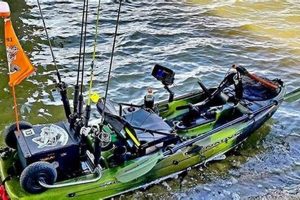
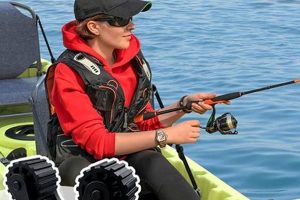
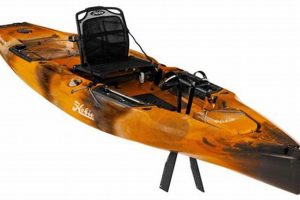
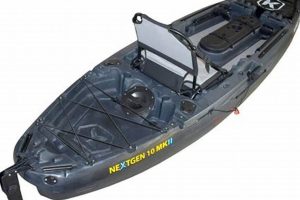
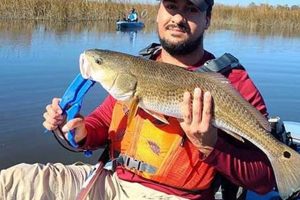
Specialized kayaks designed for angling offer various features catering to different fishing styles and environments. These features may include rod holders, tackle storage, anchor trolleys, and even livewells. Sit-on-top models prioritize stability and ease of access, while sit-inside designs provide better protection from the elements and a drier ride. Pedal-powered versions free up hands for fishing, and inflatable kayaks offer portability and convenient storage. Each design presents advantages and disadvantages depending on individual angler needs and preferences.
The development of specialized watercraft for angling reflects the increasing popularity and specialization within the sport. Purpose-built vessels enhance fishing success by providing anglers with stability, efficient movement, and convenient access to gear. This allows for a more comfortable and productive experience, whether fishing in calm lakes, swift rivers, or open ocean waters. Choosing the correct vessel contributes significantly to an angler’s overall effectiveness and enjoyment.
The following sections will explore the diverse range of available kayak designs, outlining the distinctive features and benefits of each category. Considerations for selecting the appropriate kayak based on fishing style, water conditions, and individual needs will also be addressed.
Tips for Selecting a Fishing Kayak
Choosing the right kayak for fishing requires careful consideration of several factors. Matching the vessel’s characteristics to individual needs and the intended fishing environment ensures a safe and productive experience. The following tips provide guidance in this selection process.
Tip 1: Consider Stability. Wider kayaks offer greater initial stability, crucial for anglers standing to cast or reel. However, narrower hulls provide better tracking and efficiency over longer distances.
Tip 2: Evaluate Storage Capacity. Ample storage space for tackle, rods, and other equipment is essential. Assess available compartments and their accessibility.
Tip 3: Prioritize Comfort. A comfortable seat and ample legroom are crucial, especially for longer trips. Consider adjustable seating and footrests for optimal ergonomics.
Tip 4: Choose the Right Propulsion. Paddle kayaks offer excellent exercise and maneuverability. Pedal drives free up hands for fishing, while motor-powered kayaks cover greater distances quickly.
Tip 5: Assess Portability. Weight and size impact transportation and storage. Inflatable kayaks offer portability, while rigid kayaks offer better performance.
Tip 6: Factor in Water Conditions. Ocean kayaks need to handle rougher water, while river kayaks require maneuverability. Lake kayaks prioritize stability for calmer waters.
Tip 7: Match Features to Fishing Style. Dedicated rod holders, anchor trolleys, and livewells enhance fishing effectiveness depending on the target species and angling techniques employed.
By carefully considering these factors, anglers can select a kayak that optimizes their fishing experience, enhancing both comfort and success on the water.
These considerations guide the informed angler toward the ideal vessel, enabling confident exploration of the specialized world of fishing kayaks and leading to more rewarding fishing adventures.
1. Sit-on-top Kayaks

Sit-on-top kayaks represent a prominent category within fishing kayaks, favored for their stability, ease of use, and self-bailing design. Their open deck contributes significantly to their popularity among anglers, particularly in warmer climates and calmer waters. Understanding their key characteristics provides insight into their suitability for various fishing applications.
- Stability and Design
The wide, flat hull design inherent to most sit-on-top kayaks provides exceptional initial stability. This characteristic allows anglers to stand and cast with confidence, a significant advantage in certain fishing styles. Their open deck facilitates easy entry and exit, proving beneficial for maneuvering in shallow water or recovering from an accidental capsize. The self-bailing scupper holes drain water effectively, maintaining buoyancy and preventing the kayak from swamping.
- Fishing Features
Sit-on-top kayaks are often equipped with specialized features catering to anglers. Integrated rod holders, flush-mounted rod holders, tackle storage compartments, and anchor trolley systems enhance fishing functionality. Some models even incorporate livewells for keeping bait or catch fresh. These features contribute to a more organized and efficient fishing experience.
- Suitability and Limitations
While offering advantages in stability and accessibility, sit-on-top kayaks may not be ideal for all fishing environments. Their open design exposes anglers to the elements, making them less suitable for cold weather or rough conditions. They generally offer less storage space compared to sit-inside kayaks, potentially limiting gear capacity for longer expeditions. Understanding these limitations allows anglers to make informed decisions based on their specific needs.
- Popular Applications
Sit-on-top kayaks find popularity in various fishing disciplines. Their stability makes them well-suited for inshore saltwater fishing, particularly in sheltered bays and estuaries. They excel in calm lakes and slow-moving rivers, where their ease of use and maneuverability prove advantageous. Fly fishing enthusiasts also appreciate the stability they offer for standing and casting. These examples illustrate the versatility of sit-on-top kayaks across different fishing styles.
The features and characteristics of sit-on-top kayaks contribute significantly to their position as a popular choice within the broader category of fishing kayaks. Their specialized design caters to specific angling needs, offering advantages in stability and accessibility while presenting limitations in terms of weather protection and storage capacity. Considering these aspects allows anglers to select the most appropriate kayak type for their individual fishing preferences and target environments.
2. Sit-inside Kayaks

Sit-inside kayaks represent a distinct category within fishing kayaks, offering a different set of advantages and disadvantages compared to their sit-on-top counterparts. Their enclosed cockpit design influences performance characteristics and suitability for specific fishing environments. Understanding this design’s impact on functionality is crucial for informed kayak selection.
The enclosed cockpit of a sit-inside kayak provides protection from the elements, making them suitable for colder water and harsher conditions. This design also offers a drier ride compared to sit-on-tops, reducing exposure to water and spray. The lower center of gravity inherent in sit-inside kayaks contributes to increased stability, particularly in rougher water or when paddling against strong currents. Additionally, the cockpit allows for integration of features like spray skirts, further enhancing protection from water ingress. Examples include models designed specifically for cold-water angling, incorporating features like insulated seating and increased storage for extra clothing. Conversely, sit-inside kayaks can be more challenging to enter and exit, and self-rescue can be more difficult if capsized. These kayaks tend to be less maneuverable in tight spaces compared to sit-on-tops, potentially impacting their suitability for certain fishing environments like shallow, vegetated waters.
The choice between a sit-inside and a sit-on-top kayak hinges on a variety of factors including the intended fishing environment, personal preferences, and the angler’s skill level. Anglers fishing in colder climates or rougher waters often favor the increased protection and stability of sit-inside kayaks. Those prioritizing ease of access and maneuverability may prefer sit-on-tops. Understanding the inherent trade-offs associated with each design empowers anglers to make informed decisions aligned with their specific needs and fishing goals. Ultimately, selecting the appropriate kayak contributes significantly to both safety and enjoyment on the water.
3. Inflatable Kayaks

Inflatable kayaks present a unique solution for anglers seeking portability and convenient storage, expanding access to fishing locations previously difficult to reach with traditional rigid kayaks. Their compact packed size allows transport in vehicles with limited space and eliminates the need for specialized roof racks or trailers. This category, however, requires careful consideration of specific characteristics to ensure suitability for individual angling needs.
- Portability and Storage
The primary advantage of inflatable kayaks lies in their portability. Deflated, they pack down to a compact size, facilitating easy transport and storage. This feature proves particularly advantageous for anglers with limited storage space or those who frequently travel to different fishing locations. The reduced size and weight eliminate the logistical challenges associated with transporting and storing rigid kayaks.
- Durability and Construction
Modern inflatable kayaks utilize durable materials like PVC and reinforced fabrics, designed to withstand punctures and abrasion. Drop-stitch construction enhances rigidity and performance, mimicking the characteristics of hard-shell kayaks. While advancements in materials and construction have significantly improved durability, inflatable kayaks remain susceptible to damage from sharp objects and require careful handling. Understanding the construction and limitations informs appropriate usage and prolongs the lifespan of the kayak.
- Performance and Stability
While not as inherently stable as wider, rigid kayaks, inflatable fishing kayaks have improved considerably in terms of performance. High-pressure inflation creates a rigid structure that tracks well and maintains reasonable speed. Wider beam designs enhance stability, allowing anglers to stand and cast in certain models. However, they may be more susceptible to wind drift compared to rigid kayaks due to their higher profile above the waterline.
- Setup and Maintenance
Inflating and deflating these kayaks typically requires a hand or electric pump. While the setup process is relatively straightforward, it adds time compared to simply launching a rigid kayak. Proper maintenance includes cleaning and drying the kayak thoroughly after each use to prevent mildew and extend the lifespan of the materials. Storage considerations involve protecting the deflated kayak from extreme temperatures and sharp objects.
Inflatable fishing kayaks offer a viable alternative for anglers prioritizing portability and convenient storage. While performance characteristics may differ from rigid kayaks, advancements in design and construction have significantly narrowed the gap. Careful consideration of durability, stability, and maintenance requirements ensures informed selection and optimal utilization of these versatile vessels, expanding fishing opportunities and enhancing overall angling experience.
4. Pedal-Powered Kayaks
Pedal-powered kayaks represent a significant advancement in fishing kayak design, offering hands-free propulsion that allows anglers to focus on fishing rather than paddling. This propulsion system distinguishes them within the broader category of fishing kayaks, impacting maneuverability, speed, and overall fishing effectiveness. Understanding the nuances of pedal-drive systems is crucial for evaluating their suitability for various fishing styles and environments.
- Propulsion Systems
Pedal-powered kayaks utilize either propeller-based or fin-based drive systems. Propeller systems offer speed and efficiency in open water, while fin systems excel in shallow water and environments with submerged obstacles, reducing the risk of entanglement or damage. The choice between these systems depends on the intended fishing environment and angler preferences. For example, a propeller system might be favored for trolling in open lakes, while a fin system is better suited for navigating shallow rivers or flats.
- Hands-Free Fishing
The most significant advantage of pedal-powered kayaks is the ability to fish hands-free. This allows anglers to maintain precise boat control while simultaneously casting, retrieving lures, or fighting fish. This feature is particularly beneficial for techniques requiring constant line management, such as fly fishing or jigging. It also provides an advantage when dealing with larger fish, allowing the angler to maintain control of the kayak while managing the rod and reel.
- Speed and Maneuverability
Pedal drives often offer superior speed and maneuverability compared to traditional paddling, particularly over longer distances. The consistent propulsion allows anglers to cover more water efficiently, reaching distant fishing spots with less effort. Maneuverability varies depending on the drive system and hull design. Fin-based systems generally offer better maneuverability in tight spaces compared to propeller-based systems.
- Maintenance and Complexity
Pedal-drive systems are mechanically more complex than paddles, requiring regular maintenance to ensure optimal performance and longevity. This may include cleaning, lubricating moving parts, and occasional repairs or replacements. While generally reliable, the increased complexity introduces a potential point of failure and requires anglers to be familiar with the maintenance requirements of their specific drive system. This factor should be considered when evaluating the overall cost and convenience of pedal-powered kayaks.
The integration of pedal-drive systems has significantly enhanced the capabilities of fishing kayaks, offering hands-free propulsion and increased efficiency on the water. However, the choice between a pedal-powered kayak and a traditional paddle kayak depends on individual fishing styles, target environments, and the angler’s willingness to invest in and maintain a more complex system. Understanding the advantages and disadvantages of each system empowers anglers to make informed decisions that optimize their fishing experience.
5. Motorized

Motorized kayaks represent a distinct segment within fishing kayaks, characterized by the integration of an outboard motor for propulsion. This integration significantly impacts range, speed, and overall fishing experience, offering advantages in specific fishing scenarios. Understanding the implications of motorization is crucial for evaluating its suitability within the broader context of fishing kayak types.
- Power and Range
Outboard motors provide significantly greater power and range compared to paddling or pedal drives. This expanded range allows anglers to access distant fishing grounds and explore larger bodies of water efficiently. Motors eliminate the physical exertion of paddling, reducing fatigue and enabling longer fishing trips. However, motors add weight and complexity, potentially impacting portability and maneuverability in tight spaces. For example, anglers targeting offshore fishing grounds or large reservoirs benefit significantly from the extended range offered by motorized kayaks.
- Types of Motors
Motorized fishing kayaks typically utilize either electric trolling motors or small gasoline outboards. Electric motors offer quiet operation and environmental friendliness, while gasoline outboards provide greater power and range. Selection depends on factors such as fishing environment, desired speed, and environmental regulations. Electric motors are often preferred in areas with noise restrictions or where gasoline engines are prohibited. Gasoline outboards are more suitable for applications requiring higher speeds or extended range, such as traversing large lakes or coastal areas.
- Integration and Design
Integration of a motor influences kayak design. Transom mounts are common for smaller outboards, while dedicated motor wells are incorporated in some designs for larger motors or enhanced integration. Motor placement impacts weight distribution and balance, affecting handling characteristics. Kayaks designed specifically for motorization prioritize stability and incorporate features like reinforced transoms to handle the stresses of motor operation. Understanding these design considerations ensures safe and efficient operation of the motorized kayak.
- Regulations and Safety
Operation of motorized kayaks may be subject to specific regulations depending on local laws and waterway restrictions. Registration requirements, speed limits, and permitted operating areas vary. Adhering to these regulations is crucial for safe and legal operation. Additionally, safety considerations include carrying appropriate safety gear, understanding navigation rules, and operating the motor responsibly. Familiarization with local regulations and adherence to safe boating practices ensure a responsible and enjoyable experience with motorized fishing kayaks.
Motorization expands the capabilities of fishing kayaks, offering significant advantages in terms of range and accessibility. However, the added complexity, cost, and potential regulatory considerations necessitate careful evaluation of its suitability for individual angling needs and target environments. Choosing the appropriate propulsion system, whether paddle, pedal, or motor, depends on a balanced assessment of these factors in relation to the overall fishing experience.
6. Ocean Kayaks

Ocean kayaks represent a specialized subset within the broader category of fishing kayaks, specifically designed to handle the demanding conditions of open water environments. This specialization manifests in key design features that distinguish them from kayaks intended for calmer waters. Understanding these distinctions is crucial for anglers seeking to safely and effectively pursue offshore fishing opportunities. The connection between ocean kayaks and the broader category of fishing kayaks lies in their shared purpose: to provide a stable and efficient platform for angling. However, the specific demands of the ocean environment necessitate specialized designs and construction to ensure safety and performance in challenging conditions.
Several factors contribute to the unique characteristics of ocean kayaks. Longer hulls provide improved tracking and speed in open water, crucial for covering greater distances and navigating currents. Increased width and volume enhance stability, reducing the risk of capsize in rough seas or when battling large fish. Features like rudders or skegs improve directional control in windy conditions, essential for maintaining course and maneuvering effectively. Specialized storage compartments and rigging systems accommodate essential safety gear and fishing equipment required for offshore excursions. Real-world examples include kayaks designed specifically for targeting pelagic species like tuna or marlin, incorporating features like outriggers and heavy-duty rod holders. These specialized designs highlight the practical significance of understanding the relationship between ocean kayaks and the broader spectrum of fishing kayak types, allowing anglers to select the most appropriate vessel for their specific needs and target environments. The choice of an ocean kayak must consider factors such as targeted species, prevailing weather conditions, and the angler’s experience level.
The relationship between ocean kayaks and fishing kayaks is one of specialization within a broader category. Ocean kayaks address the specific challenges of open-water fishing through specialized design and features. Recognizing these distinctions enables informed decision-making, enhancing both safety and effectiveness in offshore angling pursuits. Failure to appreciate these nuances can lead to equipment mismatches, potentially compromising safety and diminishing the overall fishing experience. The informed selection of an appropriate ocean kayak empowers anglers to confidently explore offshore fishing opportunities, maximizing both enjoyment and success on the water. Further research into specific ocean kayak features and construction materials can further refine this understanding and contribute to a more informed purchasing decision.
7. Lake and River Kayaks
Lake and river kayaks represent a significant portion of the fishing kayak market, catering to anglers who frequent calmer, inland waters. These kayaks prioritize stability, maneuverability, and often shallower draft designs compared to their ocean-going counterparts. Their relevance within the broader category of “types of fishing kayaks” stems from their adaptation to specific environmental demands and fishing styles prevalent in these environments.
- Stability and Hull Design
Lake and river kayaks frequently feature wider, flatter hulls designed for enhanced stability. This design characteristic allows anglers to stand and cast with confidence in calmer waters, a significant advantage for techniques like fly fishing or sight casting. Wider hulls also contribute to increased initial stability, reducing the likelihood of tipping, particularly for less experienced paddlers. Examples include popular sit-on-top models designed for recreational fishing on lakes and ponds, prioritizing stability over speed.
- Maneuverability and Draft
River kayaks, in particular, prioritize maneuverability in currents and around obstacles. Shorter lengths and rockered hulls facilitate turning and navigating tight bends or shallow, rocky sections. A shallower draft allows access to shallow water and protects the hull from damage in rocky riverbeds. Specific examples include whitewater kayaks adapted for fishing, incorporating features like rod holders and storage compartments while maintaining the agility required for navigating challenging river environments.
- Fishing-Specific Features
Lake and river kayaks often incorporate features tailored to specific fishing techniques employed in these environments. These features can include flush-mounted rod holders for trolling or still fishing, anchor trolleys for maintaining position in current, and readily accessible storage compartments for tackle and gear. Some models integrate livewells for keeping bait or catch fresh, particularly relevant for anglers targeting species like bass or panfish. These features exemplify the integration of kayak design with the specific needs of anglers operating in lake and river environments.
- Material and Construction
Material selection for lake and river kayaks often balances durability with weight considerations. Polyethylene kayaks offer excellent impact resistance, crucial for navigating rocky rivers or shallow areas with submerged obstacles. Lighter-weight composites offer improved performance and efficiency, particularly relevant for longer paddling distances on larger lakes. Inflatable kayaks provide a portable option for accessing remote locations, and their durability has improved significantly with advancements in materials and construction techniques. The choice of material and construction reflects the diverse range of fishing styles and environments encountered in lakes and rivers.
The defining characteristics of lake and river kayaks demonstrate their specialized adaptation within the “types of fishing kayaks” category. Their design and features prioritize stability, maneuverability, and functionality in calmer inland waters, catering to diverse fishing styles and angler preferences. Choosing the appropriate kayak within this subcategory depends on factors such as the specific target environment, intended fishing techniques, and individual priorities regarding portability, performance, and overall fishing experience.
Frequently Asked Questions
This section addresses common inquiries regarding the selection and use of fishing kayaks, providing concise and informative responses to facilitate informed decision-making.
Question 1: What is the most stable type of fishing kayak?
Wider kayaks, particularly sit-on-top models with a flatter hull design, generally offer greater initial stability. However, stability is also influenced by factors such as kayak length, weight capacity, and the angler’s center of gravity.
Question 2: What are the advantages of a pedal-powered fishing kayak?
Pedal kayaks offer hands-free propulsion, enabling anglers to focus on fishing while maintaining boat control and position. This is particularly advantageous for techniques requiring constant line management or when fighting larger fish.
Question 3: Are inflatable fishing kayaks durable enough for regular use?
Modern inflatable kayaks constructed from durable materials like PVC or reinforced fabrics, often incorporating drop-stitch technology, offer surprising durability and rigidity. However, care should be taken to avoid sharp objects and abrasive surfaces.
Question 4: What type of fishing kayak is best for beginners?
Stable, sit-on-top kayaks are generally recommended for beginners due to their ease of use, self-bailing design, and relatively simple handling characteristics. Shorter lengths also contribute to increased maneuverability.
Question 5: How much storage space do fishing kayaks typically offer?
Storage capacity varies significantly depending on kayak type and size. Sit-on-top kayaks typically offer less internal storage but may include features like tank wells and deck rigging. Sit-inside kayaks often provide more internal storage space.
Question 6: What safety precautions should be taken when using a fishing kayak?
Essential safety precautions include wearing a personal flotation device, carrying a whistle or other signaling device, informing someone of your fishing plans, and being aware of weather conditions and water hazards.
Careful consideration of these frequently asked questions contributes to informed decision-making regarding fishing kayak selection and safe operation. Prioritizing safety and understanding the specific features and limitations of each kayak type enhance overall fishing enjoyment and success on the water.
Further research into specific models and brands, combined with hands-on experience through demos or rentals, empowers anglers to make confident purchasing decisions aligned with their individual needs and fishing aspirations.
Conclusion
Careful selection from the diverse range of fishing kayaks availablesit-on-top, sit-inside, inflatable, pedal-powered, motorized, ocean, and lake/river kayaksrequires a thorough assessment of individual needs, fishing styles, and target environments. Each category presents unique advantages and disadvantages regarding stability, maneuverability, storage capacity, propulsion systems, and specialized features. Understanding these distinctions ensures appropriate equipment selection, directly impacting both safety and fishing success.
The evolution of fishing kayak design reflects a growing appreciation for specialized watercraft tailored to enhance angling experiences. Continued innovation promises further refinement of these vessels, offering increased functionality, improved performance, and expanded access to diverse aquatic environments. Ultimately, the informed angler benefits from this evolution, gaining access to specialized tools that elevate fishing pursuits and foster deeper connections with the natural world.