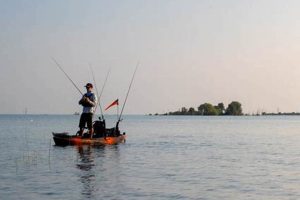
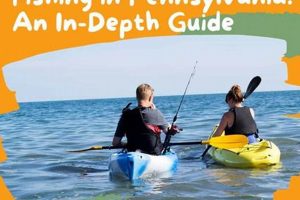
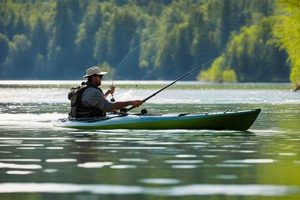
This activity involves angling from a small, human-powered watercraft specifically designed for stability and maneuverability in flowing waters. It offers a unique blend of outdoor recreation and sport fishing, allowing access to shallows, backwaters, and other areas often unreachable by larger boats. For instance, a common scenario involves an angler casting a line for trout or bass while navigating a gentle current.
The low-impact nature of this approach minimizes disturbance to aquatic ecosystems, making it a preferred choice for environmentally conscious anglers. It also provides a close-to-nature experience, enhancing enjoyment of the surrounding environment. Historically, smaller boats have been used for fishing in rivers, showcasing the enduring practicality of this method. This approach continues to gain popularity due to increasing accessibility of specialized equipment and growing interest in outdoor activities.
This article will delve deeper into various facets of this pursuit, including essential equipment, effective techniques, suitable locations, and important safety considerations.
Tips for River Kayak Fishing
Careful planning and execution are crucial for a successful and safe river fishing experience from a kayak. The following tips offer valuable insights for anglers of all skill levels.
Tip 1: Understand River Dynamics: Current speed, depth fluctuations, and potential hazards like submerged rocks or debris require careful assessment before entering a river. Consulting river maps and flow rate information is essential.
Tip 2: Choose Appropriate Gear: A stable kayak designed for river conditions is paramount. Essential equipment includes a properly fitted personal flotation device, appropriate paddles, and fishing gear suited to the target species.
Tip 3: Prioritize Safety: Informing someone about the fishing plan, including location and expected return time, is a fundamental safety precaution. Carrying a communication device and a first-aid kit is also recommended.
Tip 4: Master Basic Paddling Techniques: Effective maneuvering in currents necessitates proficiency in basic paddling strokes. Practicing these techniques in calm water before venturing into a river is advisable.
Tip 5: Employ Effective Anchoring Strategies: Maintaining position in a current often requires employing anchoring techniques. Using a river anchor or stake-out pole can be highly effective in specific locations.
Tip 6: Respect Wildlife and the Environment: Minimizing disturbance to the natural habitat is crucial. Practicing catch-and-release fishing, properly disposing of waste, and avoiding sensitive areas contribute to responsible angling.
Tip 7: Check Regulations and Licensing: Adhering to local fishing regulations and obtaining necessary licenses ensures a legal and ethical fishing experience. Regulations vary by location and target species.
By adhering to these guidelines, anglers can enhance their chances of a productive and enjoyable river kayak fishing experience while prioritizing safety and environmental responsibility.
This information provides a foundation for a successful outing. The following sections will further explore specific techniques and considerations to enhance river kayak fishing proficiency.
1. River Selection

River selection represents a critical factor in successful kayak fishing. The characteristics of a river significantly influence not only the species available but also the angler’s safety and overall experience. Choosing an appropriate river involves careful consideration of several key factors, including flow rate, water depth, presence of obstacles, and accessibility.
Flow rate dictates the level of challenge and the techniques required. Slow-moving rivers allow for easier maneuvering and precise lure presentation, making them suitable for less experienced anglers. Faster currents demand more advanced paddling skills and specialized anchoring techniques. For example, fishing for smallmouth bass in a gently flowing river might involve drifting and casting, while targeting trout in a swift current requires strategic positioning and heavier tackle. Water depth impacts accessibility and fish habitat. Shallow areas may hold different species than deeper pools, necessitating adjustments in fishing approach. Obstacles such as rocks, logs, and rapids present both opportunities and hazards. They can create prime fishing spots but also pose risks to navigation. Careful scouting and route planning are essential.
Access points play a logistical role. Convenient launch and landing sites simplify the process and contribute to a smoother experience. Understanding these factors and their interplay contributes significantly to a successful and enjoyable outing. Neglecting river selection can lead to challenging or even dangerous situations, highlighting the importance of this crucial step in planning a kayak fishing trip.
2. Kayak Choice
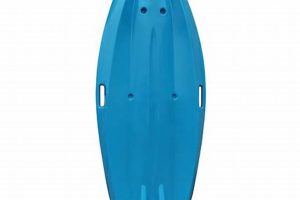
Kayak selection significantly impacts the effectiveness and enjoyment of river fishing. The chosen vessel must balance stability, maneuverability, and storage capacity to suit the specific demands of river environments. A stable kayak provides a secure platform for casting and reeling, crucial in currents and challenging conditions. Maneuverability allows anglers to navigate tight spots, access shallow areas, and position themselves effectively for optimal presentations. Ample storage accommodates essential gear, including tackle boxes, rods, and safety equipment.
For instance, a sit-on-top kayak offers inherent stability and self-bailing capabilities, advantageous in moving water. A sit-inside kayak, while potentially offering greater speed and protection from the elements, may require more experience to manage in currents. Inflatable kayaks offer portability and ease of storage, making them suitable for anglers with limited transport options. Specific design features, such as rod holders, anchor trolleys, and gear tracks, further enhance fishing functionality. Choosing a kayak without considering these aspects can lead to instability, difficulty in navigating currents, inadequate storage, and a compromised fishing experience.
Appropriate kayak selection, therefore, represents a fundamental aspect of successful river fishing. Matching the kayak’s characteristics to the specific demands of the river environment optimizes performance, safety, and overall fishing success. This informed choice translates to a more efficient, productive, and enjoyable angling experience.
3. Essential Gear

Appropriate gear selection significantly impacts safety and success in river kayak fishing. Specialized equipment enhances angler performance while mitigating risks associated with the dynamic river environment. The following essential gear components contribute directly to a productive and secure fishing experience.
- Personal Flotation Device (PFD)
A properly fitted PFD is paramount for safety. It provides buoyancy in case of capsizing, a crucial safeguard in moving water. Choosing a PFD specifically designed for paddling allows for comfortable movement and casting. Neglecting this essential piece of equipment can have life-threatening consequences.
- Paddle
A high-quality paddle designed for kayaking ensures efficient propulsion and maneuverability. Lightweight yet durable materials, such as fiberglass or carbon fiber, reduce fatigue during long paddling sessions. An appropriately sized paddle, matched to the angler’s height and kayak width, optimizes stroke efficiency. A spare paddle is also recommended in case of breakage or loss.
- Fishing Tackle
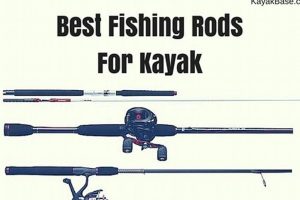
Selecting appropriate fishing tackle depends on the target species and river conditions. Lighter tackle suits smaller fish and slower currents, while heavier gear handles larger species and faster flows. Rods and reels designed for kayak fishing offer compact size and specialized features. Appropriate lures, lines, and hooks further enhance fishing effectiveness. Carrying a variety of tackle options allows anglers to adapt to changing conditions.
- Safety Equipment
Essential safety equipment extends beyond the PFD. A whistle signals for help in emergencies. A dry bag protects essential items like phones and wallets from water damage. A first-aid kit addresses minor injuries. A knife can be invaluable for cutting lines or dealing with entanglement. Carrying these items enhances preparedness for unforeseen circumstances.
Careful consideration of these essential gear components contributes significantly to both safety and fishing success in river environments. Appropriate gear empowers anglers to navigate currents effectively, present lures precisely, and manage unexpected situations, resulting in a more productive and secure angling experience. Investing in high-quality gear and understanding its proper use represents a crucial step in responsible and effective river kayak fishing.
4. Safety Procedures
Safety procedures are paramount in river kayak fishing due to the inherent risks associated with moving water environments. Currents, obstacles, and changing weather conditions can create hazardous situations, emphasizing the need for meticulous planning and adherence to safety protocols. Implementing appropriate safety measures significantly mitigates these risks, ensuring a more secure and enjoyable fishing experience.
A comprehensive float plan, communicated to a trusted individual, details the intended fishing location, planned return time, and emergency contacts. This allows for prompt assistance in case of unforeseen circumstances, such as capsizing or becoming stranded. Regularly checking weather forecasts helps anglers avoid potentially dangerous conditions, like thunderstorms or strong winds. Carrying essential safety equipment, including a whistle, signaling mirror, and first-aid kit, further enhances preparedness. Wearing a properly fitted personal flotation device (PFD) remains the single most crucial safety precaution. A PFD provides essential buoyancy in case of capsizing, significantly increasing the chances of survival in moving water. For instance, an angler encountering unexpected rapids without a PFD faces a considerably higher risk of drowning compared to an angler wearing one.
Understanding and respecting river dynamics are critical aspects of safe kayak fishing. Scouting the river beforehand, identifying potential hazards like strainers or submerged obstacles, and assessing current speed minimize risks. Carrying a throw rope allows for assisting others in need. Practicing self-rescue techniques, such as re-entering a capsized kayak, enhances preparedness for challenging situations. Ultimately, prioritizing safety procedures ensures a more enjoyable and responsible approach to river kayak fishing. These precautions not only protect anglers from potential harm but also foster a greater appreciation for the river environment and the importance of responsible outdoor recreation.
5. Fishing Techniques

Effective fishing techniques in river environments necessitate adaptation to the unique challenges and opportunities presented by moving water. Current speed, water depth, and the presence of obstacles influence lure selection, presentation, and retrieval methods. Casting techniques must account for drift and maintain lure control in flowing water. For instance, upstream casts allow lures to drift naturally through likely holding areas, while downstream presentations require faster retrieves to maintain contact and impart action. Understanding how current affects lure behavior is crucial for successful hookups.
Specific techniques, such as drift fishing, allow anglers to cover water effectively while presenting lures naturally. Anchoring in strategic locations provides stability and allows for focused fishing in promising areas. Trolling from a kayak, utilizing the current for lure movement, presents another effective approach. These techniques often require specialized equipment, such as drift socks or river anchors, to maintain position and control in moving water. Matching these techniques to target species and river conditions maximizes fishing success. For example, targeting trout in a fast-flowing river might involve drifting nymphs or streamers, while fishing for bass in slower pools might require casting crankbaits or jigs. Adaptability is key in river fishing.
Mastery of these techniques significantly enhances angling success in river environments. Understanding how current affects lure presentation, employing appropriate retrieval methods, and utilizing specialized equipment contribute directly to increased catch rates. Furthermore, adapting techniques to specific species and river conditions demonstrates a deeper understanding of the interplay between angler, environment, and target fish. This expertise not only improves fishing outcomes but also fosters a greater appreciation for the complexities of river ecosystems and the importance of responsible angling practices.
6. Etiquette & Regulations
Responsible angling practices, encompassing both etiquette and adherence to regulations, are essential for maintaining the integrity of river ecosystems and ensuring the sustainability of kayak fishing. These practices demonstrate respect for fellow anglers, the environment, and the resource itself. Understanding and adhering to these guidelines contributes to a positive and sustainable angling experience for all.
- Respecting Other Anglers
Maintaining a respectful distance from other anglers, avoiding encroaching on their fishing spots, and minimizing noise pollution contribute to a positive experience for everyone. For example, paddling quietly past another angler rather than disrupting their fishing demonstrates courtesy and fosters a sense of shared responsibility for the river environment. Such considerations promote camaraderie among anglers and contribute to a more enjoyable experience for all.
- Adhering to Fishing Regulations
Compliance with local fishing regulations, including licensing requirements, catch limits, and size restrictions, ensures the long-term health of fish populations. Obtaining the necessary licenses and familiarizing oneself with specific regulations for the target species and river system demonstrates responsible angling. For example, adhering to catch-and-release practices for specific species or during certain seasons helps protect vulnerable populations and maintain a balanced ecosystem. Ignoring these regulations can result in fines and contribute to the depletion of fish stocks.
- Minimizing Environmental Impact
Practicing Leave No Trace principles, including proper waste disposal and avoiding disturbance to riparian habitats, minimizes the impact of kayak fishing on the environment. Packing out all trash, avoiding trampling vegetation along riverbanks, and refraining from disturbing wildlife contribute to the preservation of the natural environment. For example, using reusable containers and properly disposing of fishing line prevents pollution and protects aquatic life. These practices reflect a commitment to environmental stewardship and ensure the long-term health of the river ecosystem.
- Proper Boat Ramp Etiquette
Practicing proper boat ramp etiquette, including efficient launching and retrieval practices and avoiding blocking access for others, ensures smooth and courteous interactions among anglers. Preparing gear beforehand, launching quickly, and moving vehicles away from the ramp area minimize congestion and facilitate access for other boaters. For example, staging kayaks and gear away from the ramp before launching allows for a quicker and more efficient process, preventing delays and frustration for others. This courteous behavior contributes to a positive and efficient experience for all users of the boat ramp facility.
By integrating these principles into kayak fishing practices, anglers contribute to the overall health of river ecosystems and the sustainability of the sport. Etiquette and regulations, though seemingly separate aspects, work in tandem to create a more positive, responsible, and sustainable angling experience for all. These considerations ultimately benefit not only the environment but also the future of kayak fishing itself.
7. Environmental Awareness

Environmental awareness plays a crucial role in responsible kayak fishing practices within river ecosystems. Minimizing impact on these delicate environments ensures their health and preserves the opportunity for future generations to enjoy the sport. This awareness translates into practical actions that mitigate disturbance to aquatic life, maintain water quality, and preserve the natural beauty of river habitats.
- Leave No Trace Principles
Adhering to Leave No Trace principles minimizes human impact on the environment. This involves packing out all trash, avoiding disturbing vegetation, and minimizing campfire impacts. In the context of kayak fishing, this translates to carrying reusable containers, properly disposing of fishing line, and refraining from trampling riverbanks. For example, discarded fishing line can entangle wildlife, while trampled vegetation contributes to erosion and habitat degradation. Practicing Leave No Trace ethics preserves the natural integrity of river ecosystems.
- Respecting Aquatic Life
Respecting aquatic life encompasses careful handling of fish, minimizing stress during catch-and-release practices, and avoiding disturbance to spawning areas. Supporting catch-and-release fisheries helps maintain healthy fish populations and preserves the biodiversity of river ecosystems. For example, using barbless hooks reduces injury to fish, while keeping fish in the water as much as possible during hook removal minimizes stress. These practices demonstrate respect for the resource and contribute to its long-term sustainability.
- Water Quality Preservation
Maintaining water quality involves preventing pollution from sources such as fuel spills, sunscreen chemicals, and improper waste disposal. Using biodegradable soaps and avoiding the discharge of pollutants into the river protects aquatic life and maintains the health of the ecosystem. For example, even small amounts of fuel or oil can contaminate a significant volume of water, harming fish and other aquatic organisms. Diligence in preventing pollution safeguards water quality and preserves the ecological balance of the river.
- Habitat Conservation
Protecting riparian habitats, the vegetated areas along riverbanks, plays a critical role in maintaining water quality and providing essential habitat for various species. Avoiding disturbance to these areas, such as anchoring in sensitive vegetation or disturbing nesting sites, preserves the ecological integrity of the river corridor. Riparian vegetation filters pollutants, stabilizes riverbanks, and provides shade and cover for fish and other wildlife. Protecting these habitats contributes to the overall health and resilience of the river ecosystem.
By integrating these environmentally conscious practices into kayak fishing routines, anglers contribute significantly to the long-term health and sustainability of river ecosystems. Environmental awareness translates into tangible actions that minimize human impact, preserve biodiversity, and maintain the natural beauty of these valuable resources. This commitment to responsible angling ensures that future generations can continue to enjoy the recreational and ecological benefits of healthy rivers.
Frequently Asked Questions
This section addresses common inquiries regarding river kayak fishing, providing concise and informative responses to enhance understanding and promote safe and responsible angling practices.
Question 1: What are the essential safety precautions for river kayak fishing?
Essential safety precautions include wearing a personal flotation device (PFD), informing someone of the fishing plan, checking weather forecasts, and carrying essential safety equipment like a whistle and first-aid kit. Understanding river dynamics and potential hazards is also crucial.
Question 2: What type of kayak is best suited for river fishing?
Kayak choice depends on river conditions and angler experience. Sit-on-top kayaks offer stability and self-bailing capabilities, while sit-inside kayaks may provide greater speed. Inflatable kayaks offer portability. Stability, maneuverability, and storage capacity are key considerations.
Question 3: What fishing gear is recommended for river kayak fishing?
Recommended gear includes rods and reels designed for kayak fishing, appropriate lines and lures for target species, and specialized equipment like drift socks or river anchors. A variety of tackle options allows adaptation to changing conditions.
Question 4: How does current affect fishing techniques in a river?
Current influences lure presentation and retrieval methods. Upstream casts allow natural drift, while downstream presentations require faster retrieves. Understanding current impact on lure behavior is crucial for successful hookups.
Question 5: What are the important regulations to consider for river kayak fishing?
Regulations vary by location and species. Obtaining necessary fishing licenses, adhering to catch limits and size restrictions, and respecting closed seasons are essential for legal and responsible angling.
Question 6: How can anglers minimize their environmental impact while kayak fishing in rivers?
Minimizing environmental impact involves adhering to Leave No Trace principles, practicing catch-and-release fishing, properly disposing of waste, avoiding disturbance to riparian habitats, and respecting wildlife. These practices contribute to the preservation of river ecosystems.
Careful consideration of these frequently asked questions enhances preparedness, promotes safety, and fosters responsible angling practices, contributing to a positive and sustainable river kayak fishing experience.
For further information and resources, consult local fishing regulations and reputable angling organizations. Continued learning and adherence to best practices ensure the enjoyment and preservation of this unique angling experience.
Kayak Fishing in River
This exploration of kayak fishing in river environments has highlighted key aspects of this increasingly popular pursuit. From equipment selection and safety procedures to fishing techniques and environmental considerations, the intricacies of this activity demand careful attention. The dynamic nature of rivers presents unique challenges and opportunities for anglers, requiring adaptability and a deep understanding of both the sport and the environment. The importance of responsible angling practices, encompassing ethical considerations and environmental stewardship, has been underscored throughout.
Kayak fishing in rivers offers a unique connection with nature and the thrill of angling in dynamic environments. However, the pursuit’s future relies on the collective commitment of anglers to prioritize safety, adhere to regulations, and minimize environmental impact. Continued education, responsible practices, and a shared commitment to conservation will ensure the sustainability of this rewarding activity and the preservation of river ecosystems for generations to come.