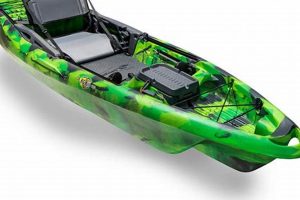
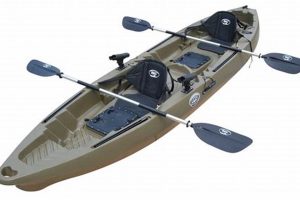
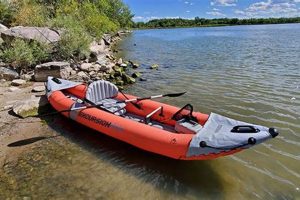
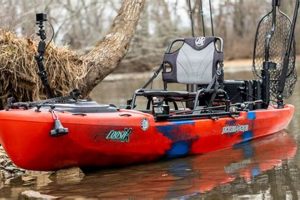
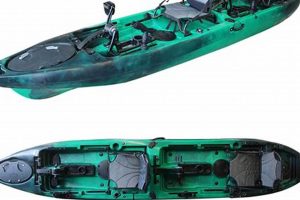
The pursuit of finned quarry from small, human-powered vessels in the coastal waters adjacent to Long Beach offers a unique blend of angling and watersports. This activity allows anglers to access shallow-water habitats often inaccessible to larger boats, targeting species such as halibut, calico bass, and various surfperch. It combines the tranquility of paddling with the excitement of sport fishing.
This method provides several advantages, including affordability compared to motorized boating, environmentally friendly access, and the potential for a more intimate connection with the marine environment. Historically, small boats and canoes have been utilized for fishing in coastal areas worldwide for centuries. The modern iteration, using specialized kayaks designed for stability and equipped with fishing accessories, has grown in popularity in recent decades, reflecting a broader trend towards accessible and eco-conscious outdoor recreation.
Further exploration of this topic will encompass practical considerations such as suitable kayak selection, essential safety gear, licensing requirements, and ethical fishing practices. It will also delve into specifics regarding local regulations, popular fishing spots within the Long Beach area, and the diverse range of target species available to the local angler.
Tips for Coastal Kayak Angling
Successful kayak fishing in coastal environments requires careful planning and adherence to safety protocols. The following tips offer guidance for a productive and enjoyable experience.
Tip 1: Choose the Right Kayak: Selecting a kayak appropriate for local conditions and target species is paramount. Longer, sit-on-top kayaks offer stability and ample storage for gear when targeting larger gamefish offshore. Shorter, sit-in kayaks are maneuverable and suitable for navigating calmer, shallower waters.
Tip 2: Prioritize Safety: Always wear a personal flotation device (PFD). Carry a whistle, signaling mirror, and VHF radio for emergencies. Check weather forecasts and tidal charts before embarking. Inform someone of planned launch and return times.
Tip 3: Equip Properly: Essential equipment includes appropriate fishing rods, reels, tackle, and a landing net. A fish finder and GPS unit can enhance angling success and navigation. Rod holders and tackle storage solutions help maintain organization within the limited space of a kayak.
Tip 4: Practice Paddle Strokes: Mastering efficient paddling techniques conserves energy and allows for precise boat control. Learning to maneuver effectively in wind and current is essential for safe and successful angling.
Tip 5: Respect Local Regulations: Obtain necessary fishing licenses and familiarize oneself with local regulations regarding catch limits, size restrictions, and permitted fishing areas. Adhering to these regulations ensures the sustainability of local fish populations.
Tip 6: Employ Proper Anchoring Techniques: Utilize a dedicated anchor trolley system to maintain boat position effectively and avoid capsizing, especially in current or wind. Choose an anchor suited to the bottom composition of the fishing area.
Tip 7: Practice Catch and Release: Proper handling and release techniques minimize stress on released fish, contributing to the long-term health of the fishery. Utilize appropriate hooks and de-hooking tools for efficient and humane release practices.
By adhering to these guidelines, anglers can maximize both their safety and their chances of success, contributing to a positive and sustainable experience on the water.
This information serves as a starting point for planning a coastal kayak fishing excursion. Consulting local resources and experienced anglers can provide further insight specific to the Long Beach area.
1. Launch Locations

Launch locations play a critical role in kayak fishing success within the Long Beach area. Appropriate launch site selection impacts accessibility, target species, and overall safety. Factors such as parking availability, prevailing conditions, and proximity to desired fishing grounds should inform the decision-making process. Launching from a protected bay like Alamitos Bay offers calmer waters suitable for beginners and provides access to sheltered habitats. Conversely, launching directly from the beach, as feasible from portions of Long Beach, allows quicker access to nearshore reefs and kelp forests, but demands greater experience handling surf zone conditions.
The chosen launch location influences the types of fish encountered. Launching near the mouth of the Los Angeles River may provide opportunities for croaker and other species that tolerate brackish water. Launching from a location near rocky reefs, such as those accessible from the Peninsula neighborhood, increases the likelihood of encountering calico bass and other rockfish species. Understanding these relationships allows anglers to tailor their launch point to their targeted species. For example, anglers pursuing halibut might choose a launch location offering access to sandy flats, while those seeking pelagic species might opt for a location closer to deeper offshore waters.
Careful consideration of launch locations, coupled with an understanding of local conditions and target species behavior, maximizes fishing success and enhances safety. Challenges such as limited parking or restricted access at certain locations necessitate pre-trip planning and adherence to local regulations. Effectively integrating launch location selection within a comprehensive fishing strategy is crucial for a productive and rewarding kayak angling experience within the Long Beach area.
2. Target Species

Target species selection significantly influences the overall experience of kayak fishing near Long Beach. The diverse marine ecosystem supports a variety of game fish, each with unique behavioral patterns and habitat preferences. Understanding these nuances allows anglers to refine their approach, maximizing their chances of success while promoting ethical fishing practices. For instance, targeting halibut necessitates focusing on sandy bottom areas and employing specific retrieval techniques, while pursuing calico bass requires exploring rocky reefs and kelp forests with different tackle and presentations. Matching fishing techniques to the target species ensures a more engaging and rewarding experience. Furthermore, awareness of seasonal variations in species presence and behavior allows anglers to optimize trip planning and target selection. For example, white seabass are more prevalent during warmer months, while halibut fishing improves during spring and fall.
The connection between target species and kayak fishing in Long Beach extends beyond simple catch rates. Choosing specific target species can guide decisions regarding launch locations, kayak selection, and required gear. Anglers targeting larger gamefish offshore may prefer longer, more stable kayaks equipped with specialized rod holders and outriggers. Conversely, those pursuing species in calmer, inshore waters might opt for shorter, more maneuverable kayaks. Additionally, understanding the feeding habits of target species informs bait and lure selection. Matching bait or lure profiles to the prevalent forage in the area significantly increases the likelihood of attracting the desired species. For example, using live squid or swimbaits that mimic the appearance and movement of local baitfish can be highly effective when targeting calico bass.
Successful kayak angling near Long Beach relies heavily on informed target species selection. This understanding not only increases the likelihood of a successful catch but also promotes responsible fishing practices. By tailoring their approach to specific target species, anglers can minimize environmental impact by avoiding unintended bycatch and reducing stress on non-target species. This approach, combined with adherence to local regulations and ethical catch-and-release practices, ensures the sustainability of the local fishery and preserves the enjoyment of kayak fishing for future generations.
3. Kayak Selection

Kayak selection significantly impacts the effectiveness and enjoyment of kayak fishing within the Long Beach area. The diverse coastal environment, ranging from calm bays to open ocean waters, necessitates careful consideration of kayak characteristics to match specific fishing styles and target species. Stability, maneuverability, storage capacity, and propulsion systems are critical factors influencing kayak suitability. Selecting an inappropriate kayak can compromise safety, limit access to desired fishing grounds, and hinder overall angling success. For instance, a short, recreational kayak lacks the stability and storage capacity required for offshore fishing expeditions targeting larger pelagic species. Conversely, a long, specialized fishing kayak may prove cumbersome and difficult to maneuver within the confines of shallow-water estuaries or back bays. Matching kayak characteristics to the intended fishing environment and target species is paramount.
Several real-world examples illustrate the importance of appropriate kayak selection. Anglers targeting halibut in the shallow, sandy flats near Long Beach often prefer wider, sit-on-top kayaks offering enhanced stability for sight casting and fighting fish. These kayaks typically feature ample storage for tackle and equipment, along with specialized features such as rod holders and anchor trolleys. Conversely, anglers pursuing calico bass within the rocky reefs and kelp forests along the Long Beach Peninsula might opt for shorter, more nimble sit-in kayaks that facilitate maneuvering through complex underwater structures. These kayaks prioritize agility over storage capacity, allowing anglers to navigate tight spaces and access productive fishing zones. Furthermore, anglers venturing further offshore in pursuit of pelagic species such as yellowtail or tuna require longer, faster kayaks designed for open-water paddling and equipped with features like rudders or pedal-powered propulsion systems. These examples demonstrate the direct relationship between kayak selection and fishing success in the Long Beach area.
Understanding the nuances of kayak selection empowers anglers to optimize their experience and prioritize safety on the water. Careful consideration of factors such as hull design, length, width, and propulsion systems, in conjunction with an assessment of target species and intended fishing locations, ensures compatibility and maximizes angling potential. Selecting the appropriate kayak not only enhances fishing effectiveness but also contributes to a safer and more enjoyable experience. Failure to consider these factors can lead to instability, reduced maneuverability, and compromised safety in challenging conditions. Therefore, a comprehensive understanding of kayak selection is integral to successful and safe kayak fishing within the diverse coastal waters of Long Beach. This understanding allows anglers to adapt to varying conditions, target specific species effectively, and ultimately, cultivate a more enriching and rewarding experience on the water.
4. Safety Gear
Safety gear stands as a critical component of kayak fishing in the Long Beach area. The coastal environment presents inherent risks, including changing weather conditions, vessel traffic, and potential interactions with marine life. Neglecting appropriate safety precautions can lead to serious consequences, ranging from minor injuries to life-threatening situations. A comprehensive understanding of necessary safety equipment and its proper usage is paramount for mitigating these risks and ensuring a safe and enjoyable fishing experience. This understanding encompasses not only possessing the required gear but also knowing how to deploy it effectively in an emergency. For instance, owning a personal flotation device (PFD) offers little protection if it is not worn correctly or is inaccessible during a capsize event. Similarly, carrying a signaling device like a whistle or VHF radio proves ineffective if the operator lacks the knowledge or training to use it properly. Therefore, safety gear preparedness extends beyond mere possession to encompass practical knowledge and regular practice.
Several real-world scenarios underscore the vital role of safety gear in Long Beach kayak fishing. Sudden shifts in weather patterns, such as unexpected fog or strong winds, can disorient anglers and create hazardous navigation conditions. In such instances, a reliable compass, GPS unit, and VHF radio become essential for maintaining bearings, contacting emergency services, and ensuring a safe return to shore. Furthermore, encountering other vessels, including larger boats with limited visibility of smaller kayaks, necessitates the use of high-visibility clothing and navigation lights to enhance visibility and avoid collisions. Similarly, interactions with marine life, such as seals or sea lions, can pose risks if not handled cautiously. Carrying a signaling device and maintaining a safe distance minimizes the potential for negative interactions. These examples highlight the practical significance of properly utilizing safety gear in various situations that can arise while kayak fishing in Long Beach.
Prioritizing safety gear preparedness significantly mitigates potential risks inherent to kayak fishing in the Long Beach area. A comprehensive safety approach encompasses carrying essential equipment like PFDs, signaling devices, navigation tools, and first-aid kits, coupled with the knowledge and training to utilize these resources effectively. Understanding local regulations regarding safety equipment requirements is equally crucial. This proactive approach reduces the likelihood of incidents and fosters a safer and more enjoyable experience on the water. Furthermore, promoting a culture of safety within the kayak fishing community encourages responsible behavior and enhances overall safety awareness, benefiting both individual anglers and the broader coastal environment. Recognizing the direct correlation between safety preparedness and a positive fishing experience underscores the critical role of safety gear in kayak fishing within the Long Beach area.
5. Fishing Regulations

Adherence to fishing regulations is essential for the sustainability of marine resources and the ethical enjoyment of kayak fishing near Long Beach. Regulations govern aspects such as catch limits, size restrictions, permitted fishing methods, and seasonal closures. Ignoring these regulations can lead to penalties and negatively impact fish populations, compromising the future of the sport. Understanding and complying with these rules ensures a responsible and sustainable approach to kayak fishing.
- Licenses and Permits
Possessing a valid California fishing license is mandatory for anyone engaging in recreational fishing, including kayak angling near Long Beach. Different license types exist depending on residency, age, and fishing duration. Specific permits may be required for certain species or fishing methods. Obtaining the correct license and any necessary permits ensures legal compliance and supports conservation efforts funded through license fees. Anglers should consult the California Department of Fish and Wildlife (CDFW) website for detailed information regarding license requirements and permit regulations specific to the Long Beach area.
- Size and Bag Limits
Size and bag limits dictate the minimum size and maximum number of each species that an angler can legally retain. These limits vary by species and are designed to protect breeding populations and ensure sustainable fish stocks. For example, regulations may stipulate a minimum size limit for calico bass to allow younger fish to reach maturity and reproduce before being harvested. Bag limits restrict the total number of a specific species an angler can keep, preventing overfishing. Adhering to size and bag limits contributes directly to the long-term health of local fish populations and the continued viability of kayak fishing in Long Beach.
- Seasonal Closures
Seasonal closures prohibit fishing for specific species during certain times of the year, often coinciding with breeding seasons. These closures protect vulnerable populations during critical life stages, ensuring reproductive success and population replenishment. For instance, seasonal closures might apply to white seabass during their spawning period, safeguarding the future generation of this popular gamefish. Respecting seasonal closures demonstrates a commitment to responsible fishing practices and contributes to the long-term sustainability of the fishery. Anglers should consult the CDFW website or local bait and tackle shops for up-to-date information on seasonal closures applicable to the Long Beach area.
- Restricted Methods
Fishing regulations may restrict certain fishing methods to protect specific species or habitats. For example, using certain types of nets or fishing in designated marine protected areas might be prohibited. These restrictions aim to minimize bycatch, reduce habitat disturbance, and protect vulnerable species. Understanding and adhering to restrictions on fishing methods promotes ethical angling practices and contributes to the overall health of the marine ecosystem. Ignoring these regulations can lead to fines and damage sensitive habitats, negatively impacting the Long Beach kayak fishing experience for everyone.
Complying with fishing regulations is integral to responsible kayak fishing in Long Beach. Understanding and adhering to these rules ensures the sustainability of local fish populations, protects sensitive marine habitats, and contributes to the continued enjoyment of the sport for future generations. By prioritizing ethical fishing practices, kayak anglers can actively participate in preserving the diverse marine ecosystem of the Long Beach area.
6. Tidal Influences
Tidal influences exert a significant impact on kayak fishing success within the Long Beach area. Tidal currents, water depth fluctuations, and changing access to feeding grounds directly affect fish behavior and angling opportunities. Understanding tidal patterns and their correlation with fish activity allows anglers to optimize fishing strategies, target specific locations effectively, and enhance overall catch rates. Ignoring tidal influences can lead to unproductive fishing trips and missed opportunities. For instance, fishing during slack tide, when water movement is minimal, often proves less productive than fishing during moving tides when baitfish and predators are actively feeding. Conversely, strong currents during peak tidal flows can create challenging paddling conditions, particularly for less experienced kayakers. Therefore, integrating tidal predictions into pre-fishing planning is essential for maximizing efficiency and safety on the water.
Real-world examples illustrate the practical implications of tidal influences on kayak fishing near Long Beach. Halibut, a popular target species in the area, often move into shallow flats during rising tides to ambush prey. Kayak anglers aware of this behavior can position themselves strategically near channels and drop-offs during incoming tides, increasing their chances of encountering halibut. Similarly, strong outgoing tides create currents that concentrate baitfish and predators near inlets and bridges, presenting prime fishing opportunities for species such as calico bass and white seabass. Understanding these tidal patterns enables anglers to predict fish movement and concentrate efforts in productive areas. Furthermore, tidal fluctuations influence access to certain fishing grounds. Shallow areas accessible during high tide become inaccessible during low tide, requiring anglers to adjust their launch locations and target different areas based on tidal conditions. This dynamic interplay between tides and accessibility underscores the importance of consulting tide charts before embarking on a kayak fishing trip in Long Beach.
Integrating tidal knowledge into kayak fishing strategies significantly enhances angling success within the Long Beach area. Understanding tidal patterns, current speeds, and water depth fluctuations allows anglers to predict fish behavior, identify productive fishing zones, and optimize lure presentation techniques. Challenges such as strong currents or limited access during certain tidal stages can be effectively addressed through careful planning and alternative location selection. This proactive approach, combined with local knowledge of specific fishing spots and target species behavior, maximizes the potential for a rewarding kayak fishing experience in Long Beach. Ultimately, recognizing the profound influence of tides on the local marine ecosystem empowers anglers to make informed decisions, enhance their fishing success, and contribute to a safer and more enjoyable experience on the water.
Frequently Asked Questions
This section addresses common inquiries regarding kayak fishing within the Long Beach area, providing concise and informative responses to facilitate a safe and productive angling experience.
Question 1: What are the most productive kayak fishing locations near Long Beach?
Productive locations vary depending on target species. Alamitos Bay, Belmont Shore, and the Naples canals offer sheltered fishing opportunities. Nearshore reefs accessible from the Peninsula neighborhood provide habitat for various rockfish. Open-water areas beyond the breakwater offer pelagic fishing opportunities.
Question 2: What essential safety equipment is required for kayak fishing in Long Beach?
Essential safety gear includes a properly fitted personal flotation device (PFD), a whistle, a visual signaling device (mirror or flares), a VHF radio, and a basic first-aid kit. Navigation lights are required for night fishing. A leash connecting the paddle to the kayak is recommended.
Question 3: What are the primary target species for kayak anglers in Long Beach?
Popular target species include halibut, calico bass, white seabass, barred sand bass, spotted bay bass, and various species of croaker and surfperch. Pelagic species such as yellowtail and tuna are targeted further offshore.
Question 4: What type of kayak is best suited for fishing in Long Beach?
Sit-on-top kayaks are generally preferred for their stability and ease of re-entry in case of capsize. Longer kayaks offer increased storage capacity and tracking for open-water fishing, while shorter kayaks provide maneuverability in confined areas.
Question 5: Where can one obtain information regarding fishing regulations and licensing requirements for Long Beach?
Comprehensive information regarding fishing regulations, licensing requirements, and seasonal closures can be found on the California Department of Fish and Wildlife (CDFW) website or obtained from local bait and tackle shops.
Question 6: How do tidal currents and water depth fluctuations affect kayak fishing in Long Beach?
Tidal currents influence fish movement and feeding patterns. Incoming tides often bring fish into shallower areas, while outgoing tides concentrate them near channels and inlets. Understanding tidal patterns is crucial for optimizing fishing locations and techniques.
Careful consideration of these frequently asked questions contributes to a safer, more informed, and ultimately more successful kayak fishing experience within the diverse waters of Long Beach. Prioritizing safety and adhering to local regulations ensures the sustainability of the fishery and enhances enjoyment of the sport.
Further exploration of this topic can involve researching specific fishing techniques, learning about local bait and tackle options, and connecting with experienced kayak anglers in the Long Beach community. Building upon this foundational knowledge contributes to a more rewarding and sustainable angling experience.
Kayak Fishing Long Beach
This exploration of kayak fishing near Long Beach has highlighted key elements essential for a successful and sustainable experience. From launch site selection and species targeting to safety gear preparedness and regulatory adherence, each facet contributes to a rewarding interaction with the coastal environment. Effective kayak selection, informed by target species and local conditions, maximizes both angling success and on-the-water safety. Understanding tidal influences and their impact on fish behavior further refines angling strategies, enhancing the potential for productive fishing trips. Respecting established fishing regulations ensures the long-term health of the local fishery, preserving this valuable resource for future generations.
Kayak fishing near Long Beach offers a unique opportunity to connect with the marine environment while enjoying the challenges and rewards of sport fishing. Continued learning, responsible practices, and respect for the coastal ecosystem will ensure the enduring appeal and sustainability of this dynamic recreational pursuit.