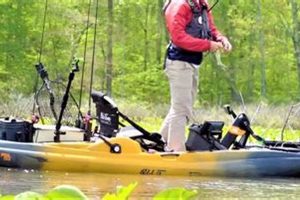
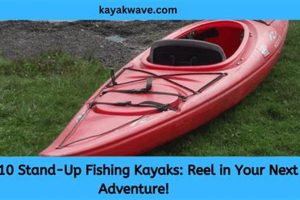
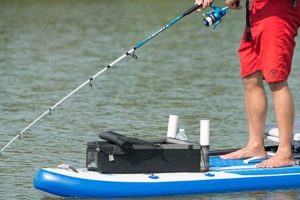
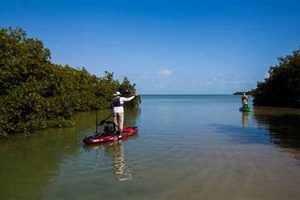
A kayak designed specifically for angling, built with durable materials intended for extended use, represents a significant investment for serious anglers. These specialized vessels often feature integrated rod holders, storage compartments for tackle and gear, and comfortable seating designed for long hours on the water. An example would be a rotomolded polyethylene kayak with reinforced gunwales and a built-in fish finder mount.
Durable, angler-focused watercraft offer significant advantages. Their robust construction promises years of service, minimizing replacement costs. Specialized features enhance fishing efficiency, providing anglers with a dedicated platform for their pursuit. Historically, fishing from small, human-powered vessels has been a common practice across cultures. Modern designs leverage advanced materials and manufacturing techniques to create highly specialized and durable options, improving both comfort and effectiveness on the water.
This discussion will further explore the key factors to consider when selecting a long-lasting fishing kayak, including hull design, materials, features, and maintenance requirements, to ensure a wise investment and years of enjoyable angling.
Essential Considerations for Choosing a Durable Fishing Kayak
Selecting a fishing kayak built for extended use requires careful evaluation of several key factors. These tips offer guidance for making an informed decision.
Tip 1: Prioritize Hull Material. Rotomolded polyethylene offers excellent durability and impact resistance, making it a preferred choice for long-lasting kayaks. Consider the thickness and density of the polyethylene for enhanced ruggedness.
Tip 2: Evaluate Seating Comfort and Adjustability. Long hours on the water demand a comfortable and supportive seat. Look for adjustable features that provide optimal back support and accommodate individual preferences.
Tip 3: Assess Storage Capacity and Accessibility. Ample storage is crucial for carrying fishing gear, tackle boxes, and safety equipment. Evaluate the size, location, and accessibility of storage compartments.
Tip 4: Inspect Rod Holders and Mounting Options. Dedicated rod holders and mounting options enhance fishing efficiency. Consider the number, placement, and type of rod holders to match specific angling styles.
Tip 5: Examine Stability and Maneuverability. Stability is paramount for safe and comfortable fishing. Consider the kayak’s width and hull design to ensure stability while casting and reeling. Maneuverability is also important for navigating various water conditions.
Tip 6: Factor in Weight Capacity and Size. Select a kayak with sufficient weight capacity to accommodate the angler, gear, and potential catch. Consider the overall length and width of the kayak for ease of transport and storage.
Tip 7: Research Warranty and Manufacturer Reputation. A comprehensive warranty signifies the manufacturer’s confidence in the product’s durability. Research the manufacturer’s reputation for quality and customer service.
Careful consideration of these factors will contribute to a satisfying and productive long-term fishing experience. A durable, well-equipped kayak becomes a reliable partner on the water, enhancing angling success and enjoyment for years to come.
By understanding the importance of each of these elements, anglers can make an informed choice, leading to a fulfilling and lasting relationship with their chosen vessel.
1. Durable Materials

Material selection significantly impacts the longevity and performance of a fishing kayak intended for extensive use. Durable materials resist impacts, abrasion, and UV degradation, contributing to a longer lifespan. This resilience is critical for navigating diverse water environments, including rocky shorelines, shallow rivers, and open ocean conditions. A kayak constructed from inferior materials may crack, puncture, or become brittle over time, compromising safety and necessitating costly repairs or replacement. For example, rotomolded high-density polyethylene (HDPE) offers exceptional durability and impact resistance, making it a popular choice for kayaks designed for rigorous use. Similarly, UV-resistant coatings protect against sun damage, preserving the structural integrity and aesthetics of the kayak over extended periods.
The relationship between durable materials and a kayak’s lifespan is directly proportional. Investing in a kayak constructed with robust materials translates to reduced maintenance and replacement costs over the long term. While the initial investment may be higher, the extended lifespan and enhanced performance outweigh the upfront expense. Consider a kayak used frequently in harsh saltwater environments. A robust material like HDPE will withstand the corrosive effects of saltwater and resist barnacle growth, maintaining its structural integrity and performance characteristics for years. Conversely, a kayak made from a less durable material may quickly deteriorate under the same conditions, requiring frequent repairs or premature replacement.
Ultimately, prioritizing durable materials is a crucial consideration for anglers seeking a kayak built for a lifetime of fishing. This careful selection ensures not only longevity but also safety and consistent performance in diverse environments. By understanding the direct correlation between material durability and long-term value, anglers can make informed decisions, leading to a satisfying and rewarding experience on the water for years to come. Choosing a kayak constructed with robust, high-quality materials represents a sound investment that pays dividends in terms of longevity, performance, and overall enjoyment of the sport.
2. Stable Hull Design

Hull design significantly influences the performance and suitability of a fishing kayak, particularly for long-term use. Stability is paramount for angling activities, enabling anglers to cast, reel, and land fish effectively while minimizing the risk of capsizing. A stable platform is essential for maintaining balance in various conditions, including choppy water or when battling strong currents. This inherent stability contributes to both safety and fishing success.
- Primary Stability:
Primary stability refers to the initial resistance a kayak offers to tipping. A wider, flatter hull provides higher primary stability, making it ideal for calmer waters and activities like still fishing or photography. This stability instills confidence and comfort, especially for novice anglers or those fishing in sheltered environments. For example, a wide, flat-bottomed hull remains stable even with slight shifts in weight, making it suitable for stand-up fishing. This stability is crucial in a lifetime kayak as it supports anglers of varying skill levels and fishing styles over extended periods.
- Secondary Stability:
Secondary stability describes the kayak’s ability to resist capsizing when leaned. Kayaks with rounded or flared hulls exhibit greater secondary stability, allowing them to handle rougher water conditions. This stability allows anglers to lean into turns and navigate challenging environments with confidence. For instance, a kayak with a flared hull provides reassuring stability even when tilted, enabling anglers to maneuver through waves or currents without fear of tipping. This feature is critical for a long-lasting fishing kayak as it extends the range of usable conditions and contributes to long-term safety and enjoyment.
- Hull Length and Shape:
Length and shape influence both speed and stability. Longer kayaks generally track straighter and glide more efficiently, while shorter kayaks are more maneuverable. A longer, narrower hull design, suitable for open water fishing, requires more experience to maintain balance. Conversely, a shorter, wider hull design provides enhanced stability for river fishing or navigating tight spaces. Choosing the appropriate length and shape for intended fishing environments ensures efficient movement and safe handling over the kayak’s lifetime.
- Impact of Hull Design on Long-Term Use:
A well-designed hull contributes significantly to a kayak’s long-term performance and overall user experience. Proper stability reduces fatigue and increases angler comfort, particularly during extended trips. Moreover, it allows for confident handling in varied water conditions, maximizing fishing opportunities. A stable, well-designed hull contributes directly to a lifetime of enjoyable and productive fishing experiences.
Ultimately, the ideal hull design depends on the angler’s specific needs and intended fishing environments. A thorough understanding of stability characteristics, coupled with consideration of factors like length and shape, ensures selection of a fishing kayak suitable for long-term use, maximizing both safety and angling effectiveness. Investing time in evaluating hull design is paramount for any angler seeking a reliable and enjoyable fishing platform for years to come.
3. Comfortable Seating

Comfortable seating forms an integral component of a fishing kayak designed for extended use. The connection between seating comfort and long-term angling enjoyment is undeniable. Extended periods on the water, often in challenging conditions, necessitate a supportive and adjustable seating system. An uncomfortable seat can lead to fatigue, back pain, and decreased concentration, hindering fishing performance and overall enjoyment. Conversely, a comfortable seat promotes better posture, reduces physical strain, and allows anglers to focus on fishing, even during long hours on the water. This translates to increased endurance, enhanced focus, and a more satisfying angling experience.
Consider a scenario where an angler spends an entire day on the water. A poorly designed seat, lacking adequate back support and cushioning, can lead to significant discomfort and even pain, impacting fishing effectiveness and potentially shortening the trip. Alternatively, an ergonomically designed seat with adjustable features allows the angler to maintain a comfortable posture, minimizing physical strain and maximizing fishing time. Features like adjustable backrests, padded seats, and breathable fabrics contribute significantly to long-term comfort and support. For instance, a kayak equipped with a high-back seat offering lumbar support can significantly reduce fatigue and back strain during prolonged fishing sessions. This investment in comfort directly enhances the long-term usability and enjoyment of the fishing kayak.
In conclusion, prioritizing comfortable seating is essential when selecting a fishing kayak intended for a lifetime of use. The direct correlation between seating comfort and sustained angling enjoyment is clear. Investing in a kayak with an ergonomically designed, adjustable seating system enhances long-term comfort, reduces physical strain, and ultimately contributes to a more fulfilling and productive fishing experience. Disregarding the importance of comfortable seating can negatively impact long-term enjoyment and even discourage regular use. A well-designed seat ensures anglers can focus on their passion, maximizing their time on the water and creating lasting memories for years to come.
4. Ample Storage

Ample storage is a critical feature in a fishing kayak designed for extended use. Effective organization and accessibility of essential gear directly influence fishing success and overall enjoyment. A well-designed storage system allows anglers to carry a variety of tackle, tools, safety equipment, and personal items, enhancing preparedness and efficiency on the water. Insufficient storage can lead to frustration, compromised safety, and a limited ability to adapt to changing fishing conditions. A lifetime fishing kayak requires sufficient storage to accommodate diverse fishing styles and evolving needs over time.
- Storage Capacity and Compartmentalization:
Sufficient storage capacity is essential for carrying various fishing essentials. Dedicated compartments for tackle boxes, rods, reels, and other gear maintain organization and prevent tangling. Consider an angler preparing for a multi-day fishing trip. Ample storage allows for the transport of necessary supplies, including food, water, and camping gear, in addition to fishing equipment. Multiple compartments keep items organized and easily accessible, maximizing efficiency and minimizing time spent searching for specific items. This organized approach is crucial for a lifetime kayak as it accommodates diverse fishing scenarios and extended trips.
- Accessibility and Security:
Easy access to stored items is vital for efficient fishing. Well-placed hatches, drawers, and compartments allow anglers to retrieve gear quickly and safely without compromising balance. Secure closures prevent water intrusion and protect valuable equipment. For example, readily accessible storage for frequently used lures or tools allows for quick adjustments without disrupting the fishing flow. Secure compartments protect sensitive electronics and other valuables from water damage. This accessibility and security are crucial in a lifetime fishing kayak, ensuring efficient operation and protecting investments over time.
- Types of Storage Solutions:
Different storage solutions cater to specific needs. Tank wells accommodate larger items like coolers or crates. Dry storage compartments protect sensitive electronics and personal items from water damage. Rod holders secure fishing rods while paddling or when not in use. For instance, a dedicated dry storage compartment protects essential electronics like fish finders and GPS devices, crucial investments for a lifetime kayak. Similarly, built-in rod holders safeguard fishing rods, preventing damage and maximizing deck space. The variety of storage solutions allows anglers to customize their setup, optimizing organization and efficiency for their specific fishing style.
- Impact on Long-Term Use:
Ample and well-designed storage contributes significantly to the long-term usability of a fishing kayak. Efficient organization reduces stress and maximizes fishing time. Secure storage protects valuable equipment, minimizing replacement costs. The ability to adapt to changing fishing styles and carry necessary gear enhances versatility and extends the kayak’s useful life. Investing in adequate storage solutions ensures a lifetime of enjoyable and productive fishing experiences.
In summary, ample storage is a fundamental element in a fishing kayak intended for long-term use. The ability to carry, organize, and access essential gear directly impacts fishing success, safety, and overall enjoyment. By carefully evaluating storage capacity, accessibility, and available solutions, anglers can select a kayak that meets their present and future needs, ensuring a lifetime of fulfilling experiences on the water. A well-equipped kayak with ample storage becomes a reliable and versatile platform, adaptable to various fishing scenarios and evolving angling preferences over time.
5. Smart Fishing Features
Smart fishing features represent a significant advancement in kayak design, enhancing angling efficiency and overall experience. These integrated features transform a standard kayak into a specialized fishing platform, optimizing functionality and long-term usability. In the context of a fishing lifetime kayak, these features contribute significantly to sustained enjoyment and productivity on the water. Their presence streamlines essential tasks, improves catch rates, and enhances overall angling success, making them a crucial consideration for serious anglers seeking a long-lasting and high-performing vessel.
- Integrated Electronics:
Modern fishing kayaks often incorporate integrated electronics such as fish finders, GPS units, and trolling motor mounts. These tools provide crucial information about water depth, fish location, and navigation, significantly improving angling success. For example, a built-in fish finder allows anglers to identify underwater structures and locate fish concentrations, increasing the likelihood of a successful catch. Similarly, GPS units aid in navigation, marking productive fishing spots and ensuring safe return trips. These integrated electronics enhance the long-term value of a fishing kayak by maximizing fishing efficiency and expanding angling opportunities.
- Rod Holders and Management Systems:
Dedicated rod holders and management systems are essential for serious anglers. Multiple rod holders allow anglers to carry various rods rigged for different fishing techniques, while management systems keep rods secure and organized, preventing tangling and damage. Flush-mounted rod holders minimize line interference and optimize deck space. Adjustable rod holders accommodate different rod lengths and fishing styles. These features enhance fishing versatility and efficiency, crucial aspects of a lifetime fishing kayak.
- Specialized Storage and Tackle Management:
Purpose-built storage compartments designed for tackle boxes, tools, and other fishing essentials keep gear organized and readily accessible. Tackle management systems within these compartments prevent tangling and ensure efficient lure retrieval. Dry storage compartments protect sensitive electronics and personal items from water damage. These features optimize storage space, enhance organization, and protect valuable equipment, contributing to the long-term usability and enjoyment of a fishing kayak.
- Hands-Free Operation and Control:
Features like rudder systems and foot-controlled steering provide hands-free operation, allowing anglers to maintain precise control while fishing. Anchor trolleys enable efficient drift fishing by controlling anchor deployment and retrieval. These features enhance maneuverability and control, freeing up hands for casting and reeling, critical elements in maximizing fishing success and overall experience with a lifetime fishing kayak.
The inclusion of smart fishing features significantly elevates the performance and long-term value of a fishing kayak. These features streamline essential tasks, enhance angling efficiency, and contribute to a more productive and enjoyable fishing experience. When considering a fishing kayak for a lifetime of use, the presence of these smart features represents a significant investment in long-term angling success and satisfaction. By carefully evaluating and selecting kayaks equipped with these features, anglers equip themselves with versatile and high-performing vessels that enhance their fishing experience for years to come.
6. Proper Maintenance
Proper maintenance forms an integral component of maximizing the lifespan and performance of a fishing lifetime kayak. A well-maintained kayak provides reliable service for years, ensuring consistent performance and safety on the water. Neglecting routine maintenance can lead to premature wear, structural damage, and compromised safety, ultimately shortening the kayak’s usable life. This connection between proper maintenance and longevity is crucial for anglers seeking a dependable fishing platform for years to come. For instance, regular cleaning prevents the buildup of grime, salt, and algae, which can degrade the kayak’s hull material over time. Similarly, UV protection, applied through specialized sprays or covers, safeguards against sun damage, preventing cracking and discoloration. These preventative measures, though seemingly simple, significantly extend the kayak’s lifespan and maintain its aesthetic appeal.
Consider a kayak frequently used in saltwater environments. Without regular rinsing and cleaning, salt crystals can accumulate in crevices, causing corrosion and weakening the hull material. Over time, this can lead to cracks and leaks, compromising the kayak’s structural integrity and requiring costly repairs. Similarly, prolonged exposure to sunlight without UV protection can cause the hull to become brittle and fade, diminishing its aesthetic appeal and structural strength. Conversely, a kayak diligently maintained through regular cleaning, UV protection, and proper storage retains its performance characteristics and appearance for an extended period. This proactive approach not only preserves the kayak’s value but also ensures continued safety and enjoyment on the water.
In conclusion, proper maintenance is essential for maximizing the lifespan and performance of a fishing lifetime kayak. Regular cleaning, UV protection, and proper storage are crucial preventative measures that protect the kayak from environmental damage and maintain its structural integrity. Neglecting these practices can lead to costly repairs, diminished performance, and a shortened lifespan. By understanding the direct correlation between proper maintenance and longevity, anglers can protect their investment and ensure a reliable and enjoyable fishing platform for years to come. This proactive approach not only preserves the kayak’s value but also contributes significantly to long-term safety and satisfaction on the water.
7. Respected Manufacturer
A respected manufacturer plays a crucial role in the context of a fishing lifetime kayak. Reputation reflects a history of quality, innovation, and customer service, signifying a commitment to producing durable and reliable products. This connection between manufacturer reputation and long-term kayak performance is essential for anglers seeking a dependable and high-performing vessel for years to come. A respected manufacturer utilizes high-quality materials, employs rigorous manufacturing processes, and invests in research and development, resulting in kayaks built to withstand the rigors of extended use. For example, a manufacturer known for using rotomolded high-density polyethylene (HDPE) in its kayak construction demonstrates a commitment to durability and impact resistance. Similarly, a company with a history of innovation in hull design and features signals a dedication to performance and angler satisfaction. Choosing a kayak from a respected manufacturer offers peace of mind, knowing that the product is backed by a legacy of quality and a commitment to customer support.
Consider a scenario where an angler purchases a kayak from a lesser-known manufacturer with a questionable reputation. The kayak may initially appear functional, but over time, manufacturing defects or the use of inferior materials could lead to structural issues, leaks, or premature wear. This not only compromises the kayak’s performance and lifespan but also creates safety concerns. Conversely, a kayak from a respected manufacturer, known for its robust construction and commitment to quality control, is more likely to withstand years of use and provide a consistently reliable and safe fishing platform. Furthermore, respected manufacturers typically offer comprehensive warranties and readily available replacement parts, further safeguarding the investment and ensuring long-term usability. This commitment to customer support reinforces the value proposition and builds trust between the angler and the brand.
In conclusion, selecting a fishing lifetime kayak from a respected manufacturer represents a critical decision, directly impacting long-term performance, durability, and overall satisfaction. A manufacturer’s reputation reflects its commitment to quality, innovation, and customer support. Choosing a reputable brand provides peace of mind, knowing that the kayak is built to last and backed by a company invested in customer satisfaction. This understanding empowers anglers to make informed decisions, leading to a more rewarding and dependable long-term fishing experience. The relationship between a respected manufacturer and a lifetime fishing kayak is one of shared values, emphasizing durability, performance, and the pursuit of angling excellence for years to come.
Frequently Asked Questions
This FAQ section addresses common inquiries regarding selecting and maintaining a fishing kayak intended for long-term use. The information provided aims to clarify key considerations and guide informed decision-making.
Question 1: What hull material is best suited for a fishing kayak intended for extended use?
Rotomolded high-density polyethylene (HDPE) offers exceptional durability, impact resistance, and UV resistance, making it an ideal choice for long-lasting fishing kayaks. Other durable options include cross-linked polyethylene and thermoformed ABS.
Question 2: How does seating comfort impact long-term fishing enjoyment?
A comfortable and adjustable seat is essential for long hours on the water. Proper back support and cushioning minimize fatigue and enhance focus, allowing for extended fishing sessions without discomfort. Look for adjustable features like lumbar support and breathable fabrics.
Question 3: What storage features are important in a lifetime fishing kayak?
Ample and accessible storage is crucial for carrying essential gear. Look for dedicated compartments for tackle boxes, rods, and other equipment, as well as dry storage for electronics and valuables. Consider the placement and accessibility of hatches and compartments.
Question 4: Which smart fishing features enhance angling efficiency?
Integrated electronics, such as fish finders and GPS units, improve fishing success. Rod holders and management systems keep rods organized and secure. Hands-free operation features, like rudder systems, enhance maneuverability and control.
Question 5: What maintenance practices extend the life of a fishing kayak?
Regular cleaning removes dirt, salt, and algae, preventing material degradation. UV protection, applied through sprays or covers, safeguards against sun damage. Proper storage, away from direct sunlight and extreme temperatures, further extends lifespan.
Question 6: Why is choosing a reputable manufacturer important?
A respected manufacturer signifies a commitment to quality, durability, and customer service. Reputable brands often offer comprehensive warranties and readily available replacement parts, ensuring long-term support and peace of mind.
Careful consideration of these frequently asked questions empowers informed decisions regarding the selection and maintenance of a fishing kayak intended for a lifetime of use. Prioritizing durability, comfort, and functionality ensures a rewarding and sustainable fishing experience.
The next section will delve into specific kayak models and brands known for their durability and suitability for long-term use.
Investing in a Fishing Lifetime Kayak
Selecting a fishing kayak designed for extended use requires careful consideration of several key factors. Durable materials, a stable hull design, comfortable seating, ample storage, and smart fishing features contribute significantly to long-term performance and enjoyment. Proper maintenance, including regular cleaning and UV protection, is essential for preserving the kayak’s structural integrity and extending its lifespan. Choosing a kayak from a respected manufacturer ensures quality construction, reliable performance, and access to customer support. Each of these elements plays a crucial role in maximizing the value and longevity of a fishing kayak, transforming it from a simple vessel into a dependable and high-performing fishing platform.
A thoughtfully chosen fishing kayak becomes more than just equipment; it becomes a trusted companion on countless angling adventures. An investment in a durable, well-equipped kayak yields dividends in the form of lasting memories, successful fishing trips, and a deep connection with the water. Prioritizing quality and functionality ensures not just a lifetime of fishing, but a lifetime of fulfilling experiences on the water.