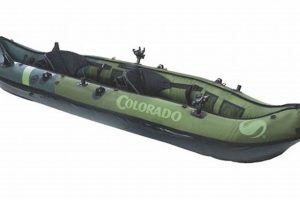
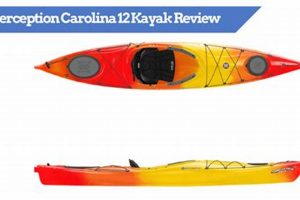
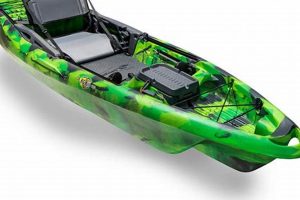
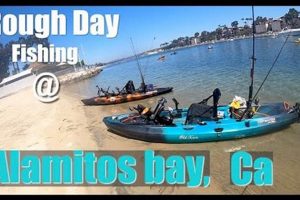
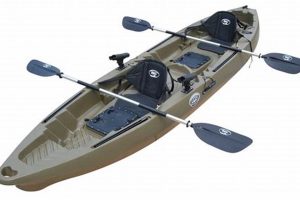
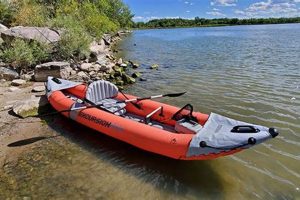
Combining the thrill of angling with the tranquility of paddling, this activity involves pursuing fish from a kayak using a fishing rod and reel. It offers a unique blend of sport and leisure, allowing anglers to access shallow waters, navigate tight spots, and experience a closer connection with nature. Imagine casting a line amidst serene surroundings, the only sounds the gentle lapping of water against the hull and the chirping of birds overhead. This form of fishing provides an intimate perspective, immersing the angler in the aquatic environment.
This pursuit offers numerous advantages over shore-based or motorized boat fishing. Its low environmental impact, affordability, and accessibility to diverse waterways contribute to its growing popularity. Kayaks provide stealthy access to shallow-water habitats teeming with fish, often inaccessible to larger vessels. Furthermore, the physical challenge of paddling provides a healthy dose of exercise. Historically, kayaks were utilized by indigenous peoples for hunting and fishing. The modern adaptation of this traditional vessel for recreational fishing has transformed it into a popular and dynamic pastime.
The following sections will delve deeper into specific aspects of this engaging pursuit, covering essential equipment, effective techniques, suitable locations, and responsible practices. Whether one is a seasoned angler or a novice exploring new outdoor experiences, the information presented will provide valuable insights into this exciting and rewarding activity.
Tips for Kayak Fishing Success
Proper preparation and adherence to best practices contribute significantly to a safe and productive fishing experience from a kayak.
Tip 1: Prioritize Safety: Always wear a personal flotation device (PFD). Check weather forecasts before embarking and inform someone of the intended fishing location and return time. Carry a signaling device such as a whistle or flare.
Tip 2: Select Appropriate Gear: Choose a kayak designed for stability and fishing functionality. Rods and reels should be suited to the target species. Essential gear includes a paddle leash, anchor, and dry bag for electronics and valuables.
Tip 3: Master Kayak Control: Practice paddling and maneuvering in calm waters before venturing into more challenging conditions. Understanding basic kayak control techniques enhances safety and fishing effectiveness.
Tip 4: Employ Effective Fishing Techniques: Adapt fishing techniques to the specific environment and target species. Consider using downriggers or drift socks to control lure depth. Learn to cast effectively from a seated position.
Tip 5: Respect the Environment: Adhere to “catch and release” practices whenever possible. Properly dispose of fishing line and other waste. Minimize disturbance to wildlife and their habitats.
Tip 6: Plan and Organize: Pre-trip planning is crucial. Research potential fishing spots, identify target species, and organize tackle and equipment accordingly. A well-structured plan maximizes fishing time and efficiency.
Tip 7: Stay Aware of Surroundings: Continuously monitor water conditions, boat traffic, and potential hazards. Maintain a safe distance from other vessels and obstacles.
By following these guidelines, anglers can enhance safety, improve fishing success, and foster a deeper appreciation for the sport and the environment.
Equipped with these insights, anglers can embark on their fishing adventures with confidence and preparedness, ensuring a rewarding and sustainable experience on the water.
1. Kayak Selection

Appropriate kayak selection is fundamental to a successful and enjoyable fishing experience. The vessel serves as the angler’s primary platform, influencing stability, mobility, and access to fishing grounds. Choosing the right kayak significantly impacts overall performance and safety on the water.
- Hull Design:
Hull design directly affects stability and maneuverability. Sit-on-top kayaks offer inherent stability and self-bailing capabilities, making them suitable for beginners and rougher waters. Sit-inside kayaks provide better protection from the elements and enhanced paddling efficiency, but require more skill to manage in challenging conditions. A shorter, wider hull offers greater stability, while a longer, narrower hull provides increased speed and tracking. Selecting the appropriate hull design depends on individual needs and anticipated water conditions.
- Length and Width:
Kayak dimensions play a crucial role in performance. Longer kayaks track straighter and glide more efficiently, while shorter kayaks offer greater maneuverability in tight spaces. Wider kayaks provide enhanced stability, while narrower kayaks are faster and more responsive. A 10-foot kayak might suit smaller, calmer waters, whereas a 14-foot kayak offers advantages in larger lakes or coastal areas. The optimal length and width depend on the intended fishing environment and the angler’s physical stature.
- Storage Capacity:
Ample storage is essential for carrying fishing gear, safety equipment, and personal belongings. Dedicated rod holders, tackle compartments, and dry storage areas are crucial features to consider. Sufficient storage space allows for organized and efficient access to essential items, minimizing clutter and maximizing fishing time. Some kayaks offer specialized compartments for live bait or battery storage for fish finders, catering to specific fishing styles.
- Propulsion System:
Kayaks utilize various propulsion systems, including paddles, pedals, and motors. Paddle kayaks offer simplicity and affordability, while pedal kayaks provide hands-free fishing and increased speed. Motorized kayaks offer the greatest range and power, allowing access to distant fishing spots. The choice of propulsion depends on individual preferences, physical capabilities, and the characteristics of the fishing environment. A pedal-driven kayak might be advantageous for covering larger distances or trolling, while a paddle kayak offers a quieter and more immersive experience.
Careful consideration of these factors ensures a kayak optimally suited to individual needs and fishing style. The right kayak enhances stability, mobility, and access to fishing grounds, contributing significantly to a safe, efficient, and rewarding fishing experience. Matching the kayak’s characteristics to the intended environment and fishing style maximizes performance and enjoyment on the water.
2. Essential Gear

Appropriate gear is paramount for a safe and successful kayak fishing excursion. Equipment selection directly impacts angler safety, fishing effectiveness, and overall enjoyment on the water. From fundamental safety devices to specialized fishing tools, each item plays a vital role in a productive and rewarding experience.
- Personal Flotation Device (PFD):
A PFD is a non-negotiable piece of safety equipment. It provides buoyancy and essential protection in the event of capsizing or accidental immersion. Selecting a comfortable, well-fitting PFD designed for paddling and fishing ensures unrestricted movement and provides crucial flotation assistance. A Type III PFD, designed for calm, inland waters, or a specialized fishing PFD with integrated pockets and features, offers optimal performance and safety.
- Paddle and Leash:
A reliable paddle and leash are essential for kayak propulsion and control. A paddle appropriate for the angler’s height and kayak width ensures efficient paddling. A leash secures the paddle to the kayak, preventing loss in the event of a capsize or unexpected drop. Choosing a lightweight, durable paddle with an ergonomic grip enhances paddling comfort and reduces fatigue. A coiled or adjustable paddle leash provides secure attachment without hindering paddling movements.
- Rods, Reels, and Tackle:
Rods, reels, and tackle tailored to the target species and fishing environment are essential for angling success. Shorter rods offer better control in a kayak’s confined space. Spinning or baitcasting reels suited to the target species and fishing style provide effective line management and retrieval. Selecting appropriate lures, hooks, and lines maximizes fishing effectiveness. A medium-power spinning rod paired with a 2500-size reel offers versatility for various freshwater species, while a heavier baitcasting setup might be preferred for larger saltwater fish.
- Safety and Navigation Equipment:
Essential safety and navigation equipment includes a whistle, signaling device, first-aid kit, and navigation lights. A whistle allows for signaling in emergencies. A waterproof signaling device, such as a flare or mirror, aids in attracting attention if needed. A basic first-aid kit addresses minor injuries. Navigation lights are crucial for visibility in low-light conditions. A handheld GPS or chartplotter assists in navigation, particularly in unfamiliar waters or challenging weather conditions.
These essential gear components contribute significantly to a safe and successful kayak fishing experience. Proper equipment selection and utilization enhance angler safety, improve fishing effectiveness, and contribute to a more enjoyable and rewarding time on the water. The synergy between these elements allows anglers to focus on the sport, maximizing their chances of success while minimizing potential risks.
3. Location Scouting

Location scouting plays a crucial role in successful kayak fishing adventures. Strategic selection of fishing locations directly influences the likelihood of encountering target species. Factors such as water depth, current, structure, and vegetation significantly impact fish distribution and behavior. Effective scouting involves identifying areas holding the desired species. For example, in freshwater environments, fallen trees, submerged vegetation beds, and drop-offs often attract game fish. In saltwater environments, oyster beds, reefs, and inlets can prove productive. Understanding these habitat preferences allows anglers to focus their efforts on promising areas, increasing the chances of a successful catch. Neglecting thorough location scouting can lead to unproductive fishing trips, wasted time, and diminished enthusiasm.
Pre-trip research, utilizing resources such as maps, online forums, and local fishing reports, provides valuable insights into potential fishing hotspots. Topographical maps reveal underwater structures and depth contours, aiding in identifying promising locations. Online forums offer angler experiences and local knowledge. Fishing reports provide real-time information on fish activity and successful fishing techniques. Combining these resources paints a comprehensive picture of the fishing environment, enabling strategic planning and efficient use of time on the water. For instance, researching tidal flows in coastal areas helps determine optimal fishing times and locations. Understanding prevailing wind patterns assists in predicting fish movement and selecting sheltered fishing spots.
Effective location scouting translates directly into increased fishing success. By understanding the relationship between fish habitat and location selection, anglers maximize their chances of encountering target species. This proactive approach contributes not only to a higher catch rate but also to a deeper appreciation of the aquatic ecosystem. Challenges such as limited access to certain areas or changing environmental conditions underscore the importance of adaptability and continued exploration. Integrating location scouting as an integral part of the kayak fishing experience transforms the activity from a passive pastime into a dynamic and rewarding pursuit.
4. Fishing Techniques
Effective fishing techniques are essential for successful kayak angling. Adapting methods to the specific environment and target species maximizes catch rates. Kayak fishing presents unique opportunities and challenges, requiring specialized techniques for optimal results. The confined space and mobility of a kayak influence casting, retrieval, and fish fighting strategies. Understanding these nuances differentiates successful kayak anglers from those who struggle to adapt traditional methods to this specialized platform.
- Casting from a Seated Position:
Casting from a seated position requires adjustments to traditional casting techniques. Maintaining balance and accuracy while seated requires practice and a modified casting arc. Sidearm or underhand casts often prove effective from a kayak, minimizing the risk of entanglement with overhead obstacles or tipping. Practicing these techniques in a controlled environment before venturing onto the water builds confidence and proficiency.
- Drift Fishing and Trolling:
Kayaks excel in drift fishing and trolling applications. Their quiet movement and low profile minimize disturbance to fish. Utilizing drift socks or anchors controls kayak speed and position, allowing lures or bait to be presented effectively in target zones. Drift fishing along weed lines or near drop-offs often yields positive results. Trolling allows anglers to cover larger areas, maximizing the chances of encountering active fish.
- Vertical Jigging and Bottom Fishing:
Vertical jigging and bottom fishing are highly effective techniques from a kayak. Positioning the kayak directly over structure or fish-holding areas allows for precise bait presentation. Using lighter tackle and sensitive rods enhances bite detection and hookset success. Vertical jigging near reefs or submerged structures can attract a variety of species. Bottom fishing with live bait or cut bait proves effective for targeting bottom-dwelling species.
- Fighting and Landing Fish from a Kayak:
Fighting and landing fish from a kayak presents unique challenges. Maintaining balance and control of the kayak during the fight is crucial. Using appropriate drag settings and rod angles prevents line breakage and fish loss. A landing net facilitates safe and efficient retrieval of the fish once it is brought alongside the kayak. Practicing proper fish handling techniques minimizes stress on the fish and ensures its safe release or retention.
Mastering these techniques significantly enhances kayak fishing success. Adaptability and a willingness to experiment with different approaches are key. The interplay between kayak control, casting proficiency, and fish fighting skills ultimately determines the outcome of each fishing trip. By refining these specialized techniques, kayak anglers unlock the full potential of this unique and rewarding fishing platform.
5. Safety Precautions

Safety precautions constitute a critical element of responsible kayak fishing. Neglecting these precautions significantly increases the risk of accidents, injuries, and potentially life-threatening situations. The inherent nature of the activity, involving immersion in water and exposure to variable environmental conditions, necessitates meticulous attention to safety protocols. A seemingly minor oversight can have significant consequences, transforming an enjoyable outing into a hazardous ordeal. For instance, failure to wear a personal flotation device (PFD) can prove fatal in the event of a capsize, even in calm waters. Similarly, ignoring changing weather patterns can expose anglers to sudden storms or hazardous water conditions, increasing the risk of hypothermia or other weather-related emergencies.
Several key safety precautions warrant consistent attention. Wearing a properly fitted PFD is paramount. Checking weather forecasts before embarking and continuously monitoring conditions throughout the trip is essential. Informing someone of the intended fishing location and estimated return time provides a critical safety net. Carrying essential safety equipment, such as a whistle, signaling device, first-aid kit, and bilge pump, equips anglers to respond effectively to unforeseen circumstances. Understanding basic self-rescue techniques and practicing them regularly enhances preparedness and reduces the impact of emergencies. Furthermore, maintaining awareness of boat traffic and potential hazards, such as submerged obstacles or changing tides, mitigates risks associated with navigation and collision. Adequate hydration and sun protection also contribute to overall safety and well-being, particularly during extended trips.
Prioritizing safety precautions ensures a secure and enjoyable kayak fishing experience. Diligent adherence to these measures mitigates risks and allows anglers to focus on the sport, confident in their preparedness for potential challenges. Integrating safety considerations into every aspect of the activity, from planning and preparation to execution and post-trip review, fosters a culture of responsible angling and contributes to the long-term sustainability of the sport. Challenges such as complacency or underestimation of potential risks require ongoing education and reinforcement of safety protocols. Ultimately, a comprehensive understanding and consistent application of safety precautions form the bedrock of a rewarding and sustainable kayak fishing practice.
6. Environmental Awareness
Environmental awareness represents a crucial aspect of responsible kayak fishing. This pursuit provides intimate access to diverse aquatic ecosystems, placing anglers in a unique position to observe and protect these fragile environments. Understanding the interconnectedness of human actions and environmental consequences is paramount for maintaining the health and sustainability of these natural resources. Ignoring environmental considerations not only degrades the quality of the fishing experience but also threatens the long-term viability of the sport itself. For instance, discarded fishing line can entangle wildlife, polluting waterways and posing a hazard to aquatic organisms. Similarly, disturbing nesting sites or sensitive habitats can disrupt breeding cycles and negatively impact fish populations.
- Minimizing Disturbance:
Kayaks offer a stealthy approach to fishing, allowing anglers to access shallow waters and navigate quietly through sensitive habitats. However, even non-motorized vessels can disrupt wildlife if operated carelessly. Minimizing noise, avoiding sudden movements, and maintaining a respectful distance from wildlife are essential practices. For example, paddling slowly and quietly near nesting birds reduces disturbance and helps preserve their natural behavior. Respecting designated no-fishing zones or sensitive habitats protects vulnerable species and contributes to the overall health of the ecosystem.
- Leave No Trace Principles:
Adhering to Leave No Trace principles is fundamental to responsible kayak fishing. Packing out all trash, including fishing line and discarded tackle, prevents pollution and minimizes environmental impact. Properly disposing of fish waste and avoiding the introduction of non-native species helps maintain the ecological balance of the aquatic environment. For instance, using reusable containers for food and beverages reduces waste generation. Carrying a small trash bag or container ensures proper disposal of all fishing-related debris.
- Conservation Practices:
Supporting conservation efforts is crucial for preserving aquatic ecosystems. Participating in local cleanup initiatives, advocating for responsible fishing regulations, and contributing to organizations dedicated to habitat restoration actively protect and enhance the environment. For example, volunteering for a river cleanup removes debris and improves water quality. Supporting catch-and-release practices, particularly for vulnerable or overfished species, helps maintain healthy fish populations.
- Sustainable Fishing Practices:
Practicing sustainable fishing techniques ensures the long-term health of fish populations and the overall ecosystem. Adhering to catch limits, using appropriate fishing gear, and avoiding overfishing contribute to resource conservation. For example, using barbless hooks minimizes injury to fish, increasing their chances of survival upon release. Targeting specific species and avoiding bycatch reduces unintended harm to non-target organisms.
Integrating environmental awareness into every aspect of kayak fishing ensures the sustainability of this rewarding pursuit. By minimizing disturbance, adhering to Leave No Trace principles, supporting conservation efforts, and practicing sustainable fishing techniques, anglers actively contribute to the preservation of aquatic ecosystems. These practices not only benefit the environment but also enhance the quality of the fishing experience. Challenges such as increasing fishing pressure and habitat degradation necessitate ongoing education and a collective commitment to responsible angling. Ultimately, a deep understanding and consistent application of environmentally conscious practices are essential for the continued enjoyment and preservation of this unique and enriching outdoor activity.
Frequently Asked Questions
This section addresses common inquiries regarding kayak fishing, providing concise and informative responses to clarify potential uncertainties and promote a deeper understanding of the activity.
Question 1: What type of kayak is best suited for fishing?
Kayak selection depends on individual needs and the intended fishing environment. Sit-on-top kayaks offer stability and self-bailing capabilities, making them suitable for beginners and rougher waters. Sit-inside kayaks provide better protection from the elements and enhanced paddling efficiency but require more skill to manage in challenging conditions. Specialized fishing kayaks often feature integrated rod holders, tackle storage, and other fishing-specific amenities.
Question 2: What essential safety equipment is required for kayak fishing?
Essential safety equipment includes a properly fitted personal flotation device (PFD), a whistle, a signaling device (such as a flare or mirror), a first-aid kit, and navigation lights. A bilge pump and paddle leash are also recommended. Checking weather forecasts before embarking and informing someone of the intended fishing location and return time are crucial safety practices.
Question 3: What are the basic fishing techniques for kayak angling?
Common kayak fishing techniques include casting from a seated position, drift fishing, trolling, vertical jigging, and bottom fishing. Adapting techniques to the specific environment and target species maximizes fishing success. Practicing casting from a seated position and mastering kayak control are essential skills for effective angling.
Question 4: How does one locate suitable fishing spots from a kayak?
Identifying productive fishing locations involves pre-trip research using maps, online forums, and local fishing reports. Understanding fish habitat preferences and recognizing key features such as underwater structures, vegetation beds, and drop-offs aids in locating areas holding target species. Observing water conditions, such as current and temperature, also provides valuable insights.
Question 5: What are the environmental considerations for kayak fishing?
Minimizing environmental impact is crucial for responsible kayak fishing. Adhering to Leave No Trace principles, packing out all trash, properly disposing of fish waste, and avoiding disturbance to wildlife and their habitats are essential practices. Supporting conservation efforts and practicing sustainable fishing techniques contribute to the long-term health of aquatic ecosystems.
Question 6: What are the advantages of kayak fishing compared to other fishing methods?
Kayak fishing offers several advantages over shore-based or motorized boat fishing, including access to shallow waters and hard-to-reach areas, a stealthy approach that minimizes disturbance to fish, affordability, and a closer connection with nature. It also provides physical exercise and promotes a more immersive outdoor experience.
Addressing these common inquiries provides a foundational understanding of key aspects related to kayak fishing. Further exploration of specific topics and continuous learning enhance angler knowledge and promote safe and responsible angling practices.
The following section provides additional resources for those seeking to delve deeper into the world of kayak fishing.
Reel Adventure Kayak Fishing
This exploration has delved into the multifaceted nature of reel adventure kayak fishing, encompassing equipment selection, effective techniques, location scouting, safety precautions, and environmental stewardship. The importance of appropriate kayak selection, tailored to individual needs and the intended fishing environment, has been underscored. Effective fishing techniques, adapted to the unique challenges and opportunities presented by kayak angling, have been examined. The significance of pre-trip planning, including location scouting and weather assessment, has been emphasized. Furthermore, the paramount importance of prioritizing safety precautions and adhering to responsible environmental practices has been consistently highlighted throughout this discourse. Each of these interconnected elements contributes to a safe, productive, and sustainable approach to this dynamic and rewarding outdoor pursuit.
Reel adventure kayak fishing offers a unique blend of challenge, tranquility, and connection with nature. As this activity continues to gain popularity, the responsibility to engage in it ethically and sustainably becomes increasingly paramount. The future of this pursuit rests on the collective commitment of anglers to prioritize safety, minimize environmental impact, and promote responsible fishing practices. Through informed decision-making, continuous learning, and a deep respect for the aquatic environment, the enduring legacy of reel adventure kayak fishing can be preserved for generations to come. This pursuit offers not merely a recreational pastime but an opportunity to foster a deeper appreciation for the natural world and the intricate balance that sustains it.