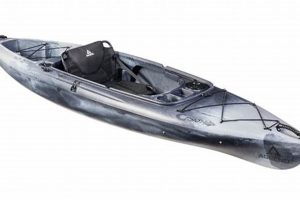
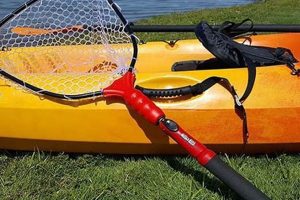
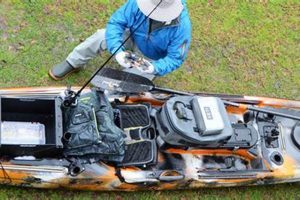
A small, maneuverable vessel designed for angling in various water environments, from calm lakes to more challenging rapids, is gaining popularity. These crafts are often lauded for their stability, portability, and affordability, making them accessible to a wider range of outdoor enthusiasts. For example, their compact size allows for easy transport and storage, while their design facilitates navigation through tight spaces and shallow waters, opening up opportunities to explore diverse fishing locations.
The increasing interest in these versatile watercraft stems from several factors. Their relatively low cost compared to larger boats makes them an attractive option for budget-conscious anglers. Additionally, their stability and ease of use contribute to a comfortable and enjoyable fishing experience, particularly for beginners. Historically, angling from small, human-powered vessels has been a common practice, and the modern iteration builds upon this tradition by incorporating advanced materials and design features for improved performance and durability.
The following sections will delve deeper into specific aspects of these specialized kayaks, exploring topics such as material construction, essential features, recommended accessories, and popular fishing techniques best suited for these nimble crafts. Furthermore, expert advice on choosing the right model and maintaining it for optimal performance will be provided.
Tips for Small Vessel Angling
Proper preparation and technique are crucial for a successful and enjoyable fishing experience from a compact kayak. The following tips provide valuable insights for maximizing efficiency and safety on the water.
Tip 1: Prioritize Stability: Select a craft with a stable hull design, especially for beginners or when fishing in moving water. Consider adding outriggers for enhanced stability if needed.
Tip 2: Master Paddling Techniques: Efficient paddling conserves energy and allows for precise maneuvering. Practice different strokes to navigate effectively in various conditions.
Tip 3: Choose Appropriate Gear: Opt for shorter rods and reels specifically designed for kayak fishing. Minimize equipment to avoid clutter and maximize space.
Tip 4: Plan and Research: Research potential fishing locations thoroughly, considering water conditions, access points, and local regulations. Plan routes and identify potential hazards beforehand.
Tip 5: Practice Safety First: Always wear a personal flotation device (PFD). Inform someone of your fishing plans, including location and estimated return time. Carry a communication device and essential safety gear.
Tip 6: Respect the Environment: Practice catch-and-release whenever possible. Properly dispose of any fishing line or other waste materials. Adhere to local fishing regulations and guidelines.
Tip 7: Pack Light and Efficiently: Organize gear in waterproof bags and distribute weight evenly within the kayak for optimal balance and stability. Secure loose items to prevent loss or interference with paddling.
By adhering to these guidelines, anglers can enhance their fishing experience, improve safety, and minimize environmental impact while enjoying the unique advantages offered by compact fishing vessels.
These tips provide a solid foundation for successful small vessel angling. The following section will offer a detailed guide to selecting the ideal craft for individual needs and preferences.
1. Stability
Stability is a paramount consideration in the design and performance of a fishing kayak, significantly impacting safety and angling effectiveness. A stable platform allows anglers to cast, reel, and land fish without compromising balance, especially crucial when handling larger catches or navigating challenging water conditions. The inherent stability of a kayak influences its suitability for various fishing environments, from calm lakes to moving rivers. A stable hull design minimizes the risk of capsizing, providing a secure and confident platform for anglers to focus on fishing rather than maintaining balance. For instance, a wider, flatter hull generally offers greater primary stability (resistance to initial tipping), while a well-designed keel and hull shape contribute to secondary stability (ability to recover from tipping).
Within the context of “riot fishing kayak,” stability plays a critical role in facilitating active angling techniques. Standing and casting in a kayak, a popular approach for sight fishing or covering larger areas, necessitates a highly stable platform. Kayak manufacturers employ various design elements to enhance stability, such as wider hulls, outriggers, and specialized seating systems. The angler’s body weight and distribution also influence overall stability. Understanding these factors empowers anglers to choose the appropriate kayak model and adopt suitable techniques to maximize stability on the water. For example, an angler targeting large game fish from a kayak in open ocean conditions will prioritize stability over speed and maneuverability.
In conclusion, stability directly impacts the safety, performance, and versatility of a fishing kayak. Choosing a kayak with appropriate stability features for the intended fishing environment and technique is crucial. Understanding the factors influencing stability and practicing proper weight distribution techniques enhances angler safety and maximizes fishing effectiveness, contributing to a more enjoyable and productive on-the-water experience. Further research into specific kayak models and their stability characteristics is recommended for informed decision-making.
2. Maneuverability

Maneuverability represents a critical performance attribute, directly influencing a fishing kayak’s effectiveness in diverse aquatic environments. The ability to navigate efficiently through tight spaces, swiftly change direction, and maintain precise control contributes significantly to angling success. A highly maneuverable kayak allows anglers to access secluded fishing spots, effectively work shorelines, and respond quickly to changing fish behavior or water conditions. The relationship between maneuverability and kayak design involves factors such as hull shape, length, and rudder systems. Shorter kayaks with a more rounded hull tend to turn more quickly, while longer kayaks with a defined keel track better in a straight line. A rudder system enhances directional control, particularly in windy or current-driven situations.
Consider a scenario involving fishing in a narrow, winding creek. A highly maneuverable kayak allows the angler to navigate tight bends and overhanging branches with ease, reaching prime fishing locations inaccessible to larger, less agile vessels. Conversely, a less maneuverable kayak would struggle in such confined spaces, limiting access and potentially disrupting the fishing experience. In open water scenarios, maneuverability enables quick adjustments to changing wind or current directions, maintaining optimal positioning for targeted fishing techniques. For instance, a kayak angler pursuing schooling fish requires nimble handling to keep pace with the fish movement and maintain casting position. This underscores the practical significance of maneuverability in maximizing fishing opportunities and adapting to dynamic on-the-water situations.
In summary, maneuverability significantly impacts a fishing kayak’s versatility and effectiveness. The ability to precisely control the kayak’s movement and navigate diverse water conditions directly contributes to angling success. Understanding the relationship between kayak design and maneuverability empowers informed decision-making when selecting a craft best suited for individual needs and target fishing environments. Further investigation into specific kayak models and their maneuverability characteristics is recommended to optimize on-the-water performance.
3. Durability

Durability stands as a critical factor in evaluating a fishing kayak, directly influencing its lifespan and resilience against the rigors of the aquatic environment. A durable kayak withstands impacts, abrasions, and UV exposure, ensuring long-term performance and minimizing maintenance requirements. This attribute holds particular relevance for “riot fishing kayaks” often used in demanding conditions, including navigating rocky shorelines, shallow waters, and fast-moving currents.
- Material Construction
The choice of material significantly impacts kayak durability. High-density polyethylene (HDPE) offers excellent impact resistance and UV stability, making it a popular choice for recreational kayaks. Thermoformed ABS and composite materials provide enhanced stiffness and lighter weight but may be more susceptible to scratches or deep impacts. Examining the material’s thickness and construction method offers insights into its overall robustness. For example, rotomolded HDPE kayaks often exhibit greater durability compared to thinner, thermoformed alternatives.
- Hull Design
Hull design contributes to a kayak’s ability to withstand impacts and resist wear and tear. A thicker hull with reinforced areas in high-impact zones provides added protection against rocks, logs, and other obstacles encountered in various water environments. Features like skid plates and keel guards further enhance durability by minimizing abrasion on the bottom of the kayak. Consider a kayak frequently used in rocky rivers; a robust hull design is crucial for preventing damage and ensuring longevity.
- Hardware and Fittings
The quality and construction of hardware components, such as handles, latches, and deck rigging, contribute to overall durability. Stainless steel or marine-grade aluminum fittings offer superior corrosion resistance compared to less durable alternatives. Securely attached and well-sealed fittings prevent water intrusion and maintain structural integrity over time. A kayak with high-quality hardware withstands repeated use and exposure to harsh conditions, ensuring reliable performance.
- Manufacturing Process
The manufacturing process influences a kayak’s structural integrity and resistance to defects. Advanced manufacturing techniques, such as rotational molding and thermoforming, contribute to consistent material thickness and uniform construction, minimizing weak points susceptible to cracking or deformation. Reputable manufacturers employ rigorous quality control measures throughout the production process to ensure durable and reliable products. Researching a manufacturer’s reputation and manufacturing methods offers insights into the expected durability of their kayaks.
The convergence of these factors material selection, hull design, hardware quality, and manufacturing process determines a fishing kayak’s overall durability. Investing in a durable kayak represents a long-term investment, ensuring reliable performance and extended lifespan in demanding environments. A durable “riot fishing kayak” empowers anglers to explore diverse waters with confidence, knowing their equipment can withstand the challenges encountered. Consider a comparison between a budget-friendly kayak made from thin HDPE and a premium kayak constructed from thicker, rotomolded HDPE with reinforced areas. The premium kayak will likely exhibit greater durability and provide years of reliable service, justifying the higher initial investment.
4. Storage Capacity
Storage capacity represents a critical consideration in fishing kayak selection, directly impacting an angler’s ability to carry essential gear and provisions. Adequate storage facilitates organized transport of rods, reels, tackle boxes, safety equipment, and personal items, enhancing efficiency and enjoyment on the water. “Riot fishing kayaks,” designed for diverse angling scenarios, often incorporate specialized storage solutions to accommodate the specific needs of anglers. The relationship between storage capacity and kayak design involves factors such as hull dimensions, deck layout, and integrated storage compartments. Larger kayaks generally offer greater storage volume, while thoughtfully designed compartments and rigging systems maximize space utilization and secure gear effectively. For example, a kayak with dedicated rod holders, recessed tackle compartments, and a spacious rear tank well allows for organized gear storage and easy access while fishing. Consider a scenario involving a multi-day fishing expedition; ample storage capacity allows for the transport of camping gear, food, and additional fishing equipment, crucial for extended trips in remote locations. Conversely, limited storage restricts the amount of gear carried, potentially compromising preparedness and comfort.
Practical applications of understanding storage capacity in “riot fishing kayaks” extend to various fishing styles and environments. Anglers targeting specific species often require specialized gear, necessitating kayaks with tailored storage solutions. For instance, fly fishermen benefit from kayaks with dedicated fly rod holders and compartments for fly boxes and other fly fishing essentials. Kayak anglers venturing into remote areas or engaging in multi-day trips prioritize kayaks with maximized storage volume for essential provisions and safety equipment. The volume and accessibility of storage compartments directly impact fishing efficiency and overall enjoyment. A well-organized kayak allows anglers to focus on fishing rather than managing gear, enhancing the overall experience. Consider a kayak angler searching for a specific lure amidst a cluttered and disorganized storage area; the time spent searching detracts from valuable fishing time and can lead to frustration. In contrast, a kayak with designated compartments and readily accessible storage facilitates quick retrieval of needed items, maximizing fishing efficiency.
In summary, storage capacity plays a pivotal role in the functionality and practicality of “riot fishing kayaks.” Adequate and well-designed storage solutions enable anglers to carry essential gear, enhancing preparedness, efficiency, and overall enjoyment on the water. Understanding the relationship between kayak design, storage capacity, and intended fishing applications empowers informed decision-making, ensuring the chosen kayak aligns with individual needs and angling objectives. Further research into specific “riot fishing kayak” models and their storage features is recommended for optimizing gear organization and maximizing on-the-water performance. The ability to efficiently manage gear contributes directly to a more productive and enjoyable fishing experience, emphasizing the practical significance of considering storage capacity during kayak selection.
5. Comfort

Comfort significantly impacts the overall fishing kayak experience, directly influencing angler endurance, focus, and enjoyment. An uncomfortable seating position, limited legroom, or inadequate back support can lead to fatigue, discomfort, and decreased fishing effectiveness, particularly during extended outings. “Riot fishing kayaks,” designed for diverse angling scenarios, often prioritize ergonomic design elements to enhance comfort and maximize on-the-water performance. The relationship between comfort and kayak design involves factors such as seat design, adjustability, legroom, and deck layout. A well-designed seat with adjustable back support, ample padding, and breathable fabric contributes significantly to angler comfort. Sufficient legroom and strategically placed footrests allow for comfortable positioning and efficient paddling. Consider a scenario involving a full-day fishing trip; a comfortable kayak seat minimizes fatigue and allows the angler to maintain focus on fishing, increasing the likelihood of a successful and enjoyable outing. Conversely, an uncomfortable kayak seat can lead to back pain, leg cramps, and decreased concentration, potentially curtailing the fishing trip and diminishing overall satisfaction.
Practical applications of understanding comfort in “riot fishing kayaks” extend to various fishing styles and physical considerations. Anglers with specific physical limitations or preferences may require specialized seating systems or adaptive modifications to ensure optimal comfort. For instance, anglers with back problems benefit from kayaks with adjustable lumbar support and ergonomic seating designs that promote proper posture. Taller anglers require kayaks with ample legroom and adjustable footrests to accommodate their height comfortably. The seat material and ventilation also contribute to overall comfort, especially in hot or humid conditions. Breathable fabrics and moisture-wicking materials enhance comfort by reducing perspiration and maintaining a dry seating surface. Consider a kayak angler fishing in hot, sunny conditions; a breathable, well-ventilated seat minimizes discomfort and allows for extended fishing time, while a non-breathable seat can lead to excessive sweating and discomfort, potentially shortening the fishing trip.
In summary, comfort plays a crucial role in the overall fishing kayak experience, directly impacting angler endurance, focus, and enjoyment. A comfortable kayak allows anglers to fish longer, maintain focus, and maximize their on-the-water performance. Understanding the relationship between kayak design, comfort features, and individual physical requirements empowers informed decision-making, ensuring the chosen kayak aligns with angler needs and promotes a positive fishing experience. Further research into specific “riot fishing kayak” models and their comfort features, including seat design, adjustability, and legroom, is recommended to optimize on-the-water comfort and maximize angling enjoyment. Prioritizing comfort during kayak selection contributes directly to a more enjoyable, productive, and ultimately, successful fishing experience.
6. Intended Use

A fishing kayak’s intended use dictates its design, features, and ultimately, its suitability for specific angling scenarios. Understanding the relationship between intended use and kayak selection ensures optimal performance and angler satisfaction. “Riot fishing kayaks” encompass a range of models designed for diverse fishing environments and techniques, highlighting the importance of aligning kayak choice with intended application.
- Fishing Environment
The intended fishing environment significantly influences kayak selection. Calm lakes and ponds require kayaks prioritizing stability and comfort, while rivers and ocean environments necessitate maneuverability and durability. For example, a stable, sit-on-top kayak suits leisurely lake fishing, while a shorter, more agile kayak excels in navigating river currents. “Riot fishing kayaks” offer models tailored for specific environments, enabling anglers to choose the optimal craft for their target waters.
- Fishing Style
Fishing style plays a crucial role in kayak selection. Trolling requires a stable kayak with tracking capabilities, while sight fishing necessitates maneuverability and a higher vantage point. Similarly, fly fishing demands a stable platform with ample storage for specialized gear. “Riot fishing kayaks” cater to diverse fishing styles, offering models designed for stand-up fishing, trolling, or specialized techniques like fly fishing. Choosing a kayak aligned with one’s fishing style enhances efficiency and enjoyment on the water.
- Target Species
The target species influences kayak selection. Anglers pursuing large game fish require a stable and durable kayak capable of handling powerful runs and aggressive fights. Smaller fish species may be targeted from smaller, more agile kayaks. For instance, a larger, sit-on-top kayak with rod holders and ample storage suits offshore fishing for large pelagic species, while a smaller, recreational kayak suffices for targeting panfish in a small pond. “Riot fishing kayaks” offer models designed for specific target species, allowing anglers to optimize their approach based on the fish they pursue.
- Angler Experience Level
Angler experience level influences kayak selection. Beginners benefit from stable, user-friendly kayaks with predictable handling characteristics. Experienced anglers may prefer more specialized kayaks designed for advanced techniques and challenging environments. A wide, stable sit-on-top kayak provides a secure platform for beginners, while a longer, faster sit-inside kayak suits experienced anglers seeking greater performance. “Riot fishing kayaks” cater to various skill levels, offering models ranging from beginner-friendly recreational kayaks to advanced fishing-specific designs. Choosing a kayak aligned with one’s experience level enhances safety and enjoyment.
Careful consideration of these facetsfishing environment, style, target species, and angler experienceinforms appropriate “riot fishing kayak” selection. Aligning kayak choice with intended use optimizes on-the-water performance, enhances angler comfort and safety, and ultimately contributes to a more successful and enjoyable fishing experience. Failing to consider intended use can lead to an unsuitable kayak choice, compromising stability, maneuverability, or storage capacity, ultimately detracting from the overall fishing experience. Therefore, understanding intended use is paramount in selecting the appropriate “riot fishing kayak” model.
Frequently Asked Questions
This section addresses common inquiries regarding specialized fishing kayaks, providing concise and informative responses to facilitate informed decision-making.
Question 1: What differentiates a specialized fishing kayak from a recreational kayak?
Fishing kayaks typically incorporate features tailored for angling, such as rod holders, tackle storage compartments, anchor trolleys, and specialized seating systems designed for stability and comfort while fishing. Recreational kayaks prioritize general paddling and often lack these specialized features.
Question 2: Are specialized fishing kayaks suitable for beginners?
Certain models cater specifically to beginners, emphasizing stability and user-friendly features. Selecting a wider, more stable hull design enhances initial comfort and confidence for novice anglers.
Question 3: How does one choose the appropriate size and weight capacity for a fishing kayak?
Consider the angler’s weight, anticipated gear load, and intended fishing environment. Exceeding the kayak’s weight capacity compromises stability and performance. Manufacturers provide weight capacity specifications for each model.
Question 4: What safety precautions should one take when using a fishing kayak?
Always wear a personal flotation device (PFD). Inform someone of fishing plans, including location and estimated return time. Check weather conditions before embarking. Carry essential safety gear, including a whistle, signaling device, and first-aid kit.
Question 5: How does one maintain and store a fishing kayak properly?
Rinse the kayak with fresh water after each use to remove salt, sand, and debris. Store the kayak in a shaded area, protected from direct sunlight and extreme temperatures. Regularly inspect and maintain hardware components, ensuring proper function and preventing corrosion.
Question 6: Where can one find reliable information and resources regarding specialized fishing kayaks?
Reputable kayak manufacturers, specialized retailers, online forums, and instructional videos provide valuable information regarding kayak selection, usage, and maintenance. Consulting experienced anglers also offers practical insights.
Addressing these common inquiries provides a foundational understanding of specialized fishing kayaks. Thorough research and careful consideration of individual needs and intended use are crucial for informed decision-making.
The subsequent section will delve into specific “riot fishing kayak” models, exploring their unique features and suitability for various angling scenarios.
Riot Fishing Kayak
This exploration has provided a comprehensive overview of the riot fishing kayak, encompassing key aspects such as stability, maneuverability, durability, storage capacity, comfort, and intended use. Each attribute contributes significantly to the overall performance and suitability of these specialized vessels for diverse angling scenarios. Understanding the interplay of these factors empowers informed decision-making, ensuring the chosen kayak aligns with individual angler needs and target fishing environments. The analysis has highlighted the importance of considering specific design features and their impact on angling effectiveness, safety, and overall enjoyment on the water. From navigating challenging rapids to exploring serene lakes, the riot fishing kayak offers a versatile platform for pursuing a variety of fishing experiences.
The evolving landscape of kayak angling underscores the continued development and refinement of specialized fishing kayaks. As technology advances and angler preferences evolve, the riot fishing kayak stands poised to adapt and innovate, further enhancing on-the-water performance and angler experience. A thorough understanding of these specialized crafts empowers anglers to make informed decisions, maximizing their fishing potential and fostering a deeper connection with the aquatic environment. The exploration presented here serves as a foundation for continued learning and exploration within the dynamic realm of kayak angling.