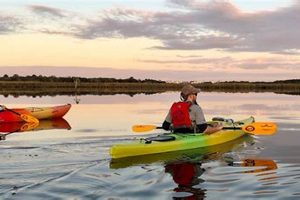
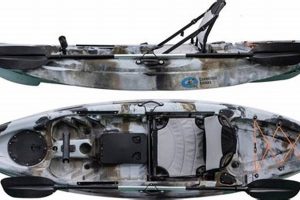
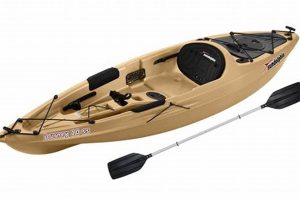
This pursuit involves angling for red snapper from a kayak. It combines the challenge and reward of catching a prized sport fish with the accessibility and maneuverability of a small, human-powered vessel. Imagine navigating calm coastal waters, casting a line, and feeling the exhilarating tug of a powerful snapper. This experience offers a unique connection with the marine environment.
The activity provides an environmentally friendly and cost-effective approach to offshore fishing. Kayaks allow anglers to access shallower, structure-rich areas often inaccessible to larger boats, increasing the chances of a successful catch. Historically, smaller vessels have played a significant role in fishing communities worldwide. This modern adaptation continues that tradition, offering a sustainable and personal fishing experience. The low impact of kayaks minimizes disturbance to marine ecosystems, promoting responsible angling practices. It also provides physical exercise and the opportunity to enjoy the tranquility of nature.
The following sections will delve deeper into essential aspects of this exciting fishing method, covering topics such as selecting appropriate gear, identifying ideal locations, employing effective techniques, and ensuring angler safety.
Tips for Successful Red Snapper Fishing from a Kayak
Preparation and knowledge are crucial for a productive and safe fishing experience when targeting red snapper from a kayak. The following tips offer valuable insights to enhance success on the water.
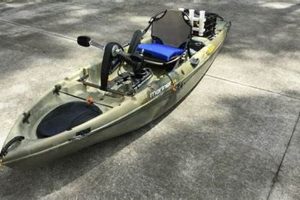
Tip 1: Choose the Right Kayak: A stable and seaworthy kayak, specifically designed for fishing, is essential. Look for features like rod holders, ample storage, and a comfortable seat for extended trips. Longer kayaks generally offer better tracking and stability in offshore conditions.
Tip 2: Utilize Appropriate Gear: Medium-heavy to heavy tackle is recommended for red snapper due to their strength and size. Braided fishing line offers greater sensitivity and strength compared to monofilament. Circle hooks are crucial for minimizing injury to the fish and increasing hook-up ratios.
Tip 3: Research Regulations and Obtain Necessary Permits: Anglers must adhere to local fishing regulations, including size and bag limits for red snapper. Ensure all required licenses and permits are obtained before venturing out.
Tip 4: Identify Productive Fishing Spots: Artificial reefs, wrecks, and natural structures like ledges and drop-offs attract red snapper. Utilize nautical charts and fish finders to locate these promising areas.
Tip 5: Employ Effective Anchoring Techniques: A reliable anchor system is essential for maintaining position over fishing grounds, especially in currents or windy conditions. Consider a drift chute to slow drift speed when desired.
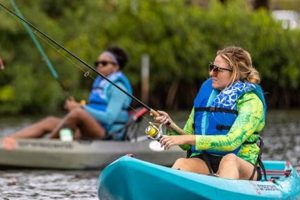
Tip 6: Prioritize Safety: Always wear a personal flotation device (PFD) and carry essential safety equipment, including a VHF radio, signaling devices, and a first-aid kit. Check weather forecasts before embarking and inform someone of your fishing plans.
Tip 7: Practice Catch and Release Techniques: Proper handling and release techniques minimize stress on the fish and ensure their survival. Use a dehooking tool to quickly remove the hook and revive the fish if necessary before releasing it back into the water.
By following these guidelines, anglers can significantly increase their chances of a rewarding and safe experience while contributing to the conservation of this valuable species. Preparation and responsible angling practices are the foundation of a successful outing.
These practical tips provide a strong foundation for a successful fishing trip. The following conclusion will summarize key takeaways and offer final recommendations for anglers.
1. Kayak Stability

Kayak stability plays a crucial role in the success and safety of anglers targeting red snapper. These fish inhabit offshore environments, often characterized by variable conditions, including currents, waves, and wind. A stable kayak provides a secure platform for anglers to effectively manage fishing lines, fight strong fish, and maintain balance during critical moments like hooking and landing a snapper. Loss of balance can lead to capsizing, jeopardizing not only the fishing trip but also the angler’s safety. A stable kayak enables anglers to confidently navigate these conditions, focus on fishing, and react effectively to the powerful runs and dives characteristic of red snapper.
Consider the scenario of an angler battling a large red snapper near a reef structure. The fish dives towards the reef, attempting to break the line. A stable kayak allows the angler to apply appropriate pressure and steer the fish away from danger, minimizing line breakage and maximizing the chances of a successful landing. Conversely, an unstable kayak may capsize under the strain, resulting in lost tackle and a potentially dangerous situation. Furthermore, the act of reeling in a substantial red snapper requires leverage and balance, both facilitated by a stable hull design. Wide, flat-bottomed kayaks, or those with outriggers, offer enhanced stability compared to narrow, V-hulled designs, making them more suitable for offshore fishing.
Understanding the critical relationship between kayak stability and successful red snapper fishing enables anglers to make informed decisions about kayak selection and fishing techniques. Prioritizing stability enhances safety, improves fishing effectiveness, and contributes to a more enjoyable experience on the water. Considering factors like kayak design, weight capacity, and prevailing conditions empowers anglers to choose the right vessel and confidently pursue these prized game fish.
2. Specialized Gear

Specialized gear plays a vital role in successful red snapper fishing from a kayak. The unique challenges and opportunities presented by this fishing style necessitate specific equipment choices to maximize effectiveness and ensure angler safety. From the fishing rod and reel to the line, hooks, and terminal tackle, each component must be carefully selected to withstand the demands of battling powerful red snapper in an offshore environment.
Consider the fishing rod, for example. A medium-heavy to heavy action rod, typically 7-8 feet in length, provides the necessary backbone to handle the strong runs and headshakes of red snapper. Shorter rods, while offering greater maneuverability in the confined space of a kayak, may lack the leverage required to control larger fish. Similarly, a high-quality saltwater spinning reel with a smooth drag system and ample line capacity is essential. The drag system allows the angler to tire out the fish without breaking the line, while sufficient line capacity accommodates long runs and deep-water fishing. Braided fishing line, with its high strength and low stretch, enhances sensitivity, allowing anglers to detect subtle bites and maintain direct contact with the fish.
Terminal tackle also plays a critical role. Circle hooks are often mandated for red snapper fishing due to their effectiveness in hooking fish in the corner of the mouth, reducing the risk of gut hooking and improving survival rates upon release. Strong leader material, such as fluorocarbon, provides abrasion resistance against reefs and wrecks where red snapper often congregate. Appropriate weights and sinkers ensure that bait or lures reach the desired depth effectively. Finally, tools like dehookers, lip grips, and a reliable knife facilitate safe and efficient handling of the catch. The correct combination of specialized gear contributes significantly to a productive and enjoyable kayak fishing experience, increasing the likelihood of landing these prized sportfish while promoting responsible angling practices.
3. Location Knowledge

Location knowledge is paramount for successful red snapper fishing from a kayak. Understanding the habitat preferences of red snapper and the underwater topography of the fishing area directly influences catch rates. Red snapper are structure-oriented fish, often congregating around reefs, wrecks, ledges, and other underwater features. These structures provide shelter, foraging opportunities, and ambush points for prey. Anglers equipped with detailed knowledge of these locations possess a significant advantage in targeting red snapper effectively.
For instance, an angler familiar with a specific reef system can anticipate where red snapper are most likely to hold based on factors like water depth, current flow, and bottom composition. They can then position their kayak strategically to present baits or lures in the strike zone, maximizing the chances of enticing a bite. Conversely, an angler lacking this knowledge may spend valuable time searching unproductive areas, resulting in fewer opportunities and decreased success. Nautical charts, GPS devices, and fish finders are invaluable tools for acquiring and utilizing location information. Charts reveal the contours of the seabed, highlighting potential hotspots like reefs and wrecks. GPS assists in precise navigation to these areas, while fish finders provide real-time information about water depth, bottom structure, and the presence of fish.
Strategic positioning based on location knowledge significantly enhances fishing efficiency. Drifting over a known reef or anchoring near a wreck allows anglers to concentrate their efforts where red snapper are most likely to be found. Understanding how currents interact with underwater structures further refines this approach. Currents can concentrate baitfish and other prey items, attracting red snapper to specific feeding zones within a larger structure. By positioning their kayaks up-current, anglers can allow their baits or lures to drift naturally into these productive zones. Location knowledge, therefore, becomes a critical component in the strategic decision-making process of kayak fishing for red snapper, separating consistently successful anglers from those who rely on chance encounters. This knowledge, combined with appropriate gear and techniques, increases the probability of a successful and rewarding fishing experience.
4. Safety Procedures

Safety procedures are paramount in kayak fishing for red snapper, directly impacting angler well-being and the success of the fishing trip. The offshore environment presents inherent risks, including changing weather conditions, vessel traffic, and the potential for encounters with marine life. Meticulous adherence to established safety protocols mitigates these risks, allowing anglers to focus on the fishing experience while ensuring a safe return. Neglecting safety precautions can lead to serious consequences, ranging from equipment loss to life-threatening situations. A comprehensive understanding of and commitment to safety procedures are therefore non-negotiable aspects of responsible kayak fishing.
Consider the scenario of an angler encountering unexpected adverse weather conditions. A sudden squall can create challenging waves and strong winds, potentially capsizing an unprepared kayak. An angler equipped with a personal flotation device (PFD), and adhering to pre-departure weather checks, significantly increases their chances of survival in such a situation. Furthermore, carrying a VHF radio allows communication with emergency services or other vessels in the vicinity, facilitating a swift response. Similarly, understanding basic navigation principles and carrying a GPS device helps prevent disorientation and ensures a safe return to shore, especially in conditions of reduced visibility. Regularly checking weather forecasts, informing someone of fishing plans, and carrying essential safety equipment like a first-aid kit and signaling devices further enhance preparedness and mitigate potential risks. Ignoring these precautions can transform an enjoyable fishing trip into a perilous ordeal.
Prioritizing safety procedures contributes not only to angler well-being but also to the overall enjoyment and success of the fishing experience. A safe angler is a confident angler, free to focus on the nuances of fishing techniques and the thrill of the catch. Understanding and applying safety protocols transforms potential hazards into manageable challenges, allowing anglers to fully appreciate the rewards of kayak fishing for red snapper while minimizing potential risks. This proactive approach to safety fosters a culture of responsible angling and ensures the long-term sustainability of this exciting pursuit.
5. Conservation Practices
Conservation practices are integral to the sustainability of red snapper populations and the long-term viability of kayak fishing for this prized species. Responsible angling ensures healthy fish stocks for future generations and maintains the ecological balance of marine environments. These practices encompass a range of actions, from adhering to fishing regulations to employing proper catch and release techniques. Integrating conservation into every aspect of kayak fishing for red snapper reflects a commitment to environmental stewardship and ensures the continued enjoyment of this recreational activity.
- Adherence to Regulations:
Respecting fishing regulations, including size and bag limits, plays a crucial role in maintaining healthy red snapper populations. These regulations are based on scientific assessments of fish stocks and are designed to ensure sustainable harvest levels. Exceeding these limits can deplete populations and disrupt the delicate balance of the marine ecosystem. For instance, harvesting undersized fish prevents them from reaching maturity and contributing to reproduction. Following regulations demonstrates a commitment to responsible angling and contributes to the long-term health of the fishery.
- Proper Catch and Release:
Employing proper catch and release techniques minimizes stress on released fish, maximizing their chances of survival. This involves using appropriate gear, such as circle hooks, which reduce the likelihood of deep hooking. Minimizing handling time, supporting the fish horizontally, and reviving exhausted fish before release further enhance survival rates. These practices contribute directly to the conservation of red snapper populations by minimizing post-release mortality. Using a dehooking tool expedites the release process and reduces handling stress. Reviving a fish by gently moving it back and forth in the water allows it to regain strength and oxygen before swimming away.
- Minimizing Environmental Impact:
Minimizing the environmental impact of kayak fishing contributes to the overall health of marine ecosystems. Proper disposal of fishing line and other debris prevents entanglement of marine life and pollution of waterways. Avoiding anchoring on sensitive habitats, such as coral reefs or seagrass beds, protects these vital ecosystems from damage. Respecting other marine life, such as sea turtles and seabirds, further demonstrates a commitment to responsible environmental stewardship. Using biodegradable fishing line offers an environmentally friendly alternative to traditional monofilament lines. Educating fellow anglers about conservation practices promotes wider adoption of responsible angling behaviors.
- Selective Harvesting:
Practicing selective harvesting, targeting fish within the legal size range and avoiding overharvesting, contributes to a healthy and balanced red snapper population. Harvesting only what is needed for consumption minimizes waste and allows more fish to reach maturity and reproduce. This selective approach supports the long-term sustainability of the fishery and ensures future angling opportunities. Educating oneself about the life cycle and reproductive patterns of red snapper further informs selective harvesting decisions. Participating in citizen science initiatives, such as fish tagging programs, provides valuable data for fisheries management and contributes to a deeper understanding of red snapper populations.
These interconnected conservation practices contribute significantly to the sustainability of red snapper populations and the future of kayak fishing. By incorporating these practices into every fishing trip, anglers actively participate in the stewardship of marine resources, ensuring healthy ecosystems and continued opportunities to pursue this rewarding recreational activity. Responsible angling practices benefit not only the environment but also the anglers themselves, guaranteeing the long-term viability of the sport and preserving the thrill of the catch for generations to come.
Frequently Asked Questions
This section addresses common inquiries regarding kayak fishing for red snapper, providing concise and informative responses to enhance understanding and promote safe and responsible angling practices.
Question 1: What type of kayak is best suited for red snapper fishing?
Longer, sit-on-top kayaks (12-14 feet) designed for stability in offshore waters are recommended. Features like rod holders, ample storage, and a comfortable seat are beneficial for extended trips.
Question 2: What fishing gear is most effective for targeting red snapper from a kayak?
Medium-heavy to heavy tackle with braided fishing line (30-50 lb test) is suitable for red snapper. Circle hooks are often required and contribute to higher catch-and-release survival rates. A reliable anchor system is essential for maintaining position over fishing grounds.
Question 3: Where are red snapper typically found?
Red snapper inhabit structure-rich environments, including artificial reefs, wrecks, natural ledges, and drop-offs. Nautical charts, GPS devices, and fish finders are helpful for locating these areas.
Question 4: What safety precautions are essential for kayak fishing offshore?
Wearing a personal flotation device (PFD) is crucial. Carrying a VHF radio, signaling devices, a first-aid kit, and checking weather forecasts before departure are essential safety measures. Informing someone of fishing plans and estimated return time is also highly recommended.
Question 5: What are the current regulations regarding red snapper fishing?
Regulations vary by location and season. Consulting local fisheries management authorities for up-to-date information on size limits, bag limits, and permitted fishing seasons is essential for compliance.
Question 6: What are the best practices for catch and release of red snapper?
Minimizing handling time, using dehooking tools, supporting the fish horizontally, and reviving exhausted fish in the water before release contribute to higher survival rates. Avoiding contact with gills and eyes reduces stress on the fish.
Careful consideration of these frequently asked questions enhances angler preparedness, promotes responsible fishing practices, and contributes to a safer and more enjoyable experience on the water.
The next section will offer a concluding perspective on kayak fishing for red snapper, summarizing key takeaways and highlighting the unique rewards of this exciting pursuit.
Kayak Fishing for Red Snapper
This exploration of kayak fishing for red snapper has highlighted the multifaceted nature of this pursuit. From the specialized gear and location knowledge required for success to the essential safety procedures and conservation practices, each element contributes significantly to a rewarding and responsible angling experience. Kayak stability, combined with appropriate tackle and a deep understanding of red snapper behavior, empowers anglers to effectively target these prized fish. Adherence to safety protocols ensures angler well-being in the offshore environment, while a commitment to conservation practices safeguards the future of this exciting fishery.
The pursuit offers a unique blend of challenge, skill, and connection with the marine environment. It represents a sustainable and accessible approach to offshore fishing, fostering a deep appreciation for the natural world. As anglers continue to explore the possibilities of kayak fishing for red snapper, a continued emphasis on responsible practices and ongoing education will ensure the long-term health of both the fish population and the sport itself. The future of this exciting pursuit rests on the collective commitment to conservation, ethical angling, and the pursuit of knowledge that enhances both the fishing experience and the health of our oceans.