Navigating the shallow waters and diverse ecosystems of the North Carolina coast by kayak offers anglers unique opportunities. A knowledgeable professional specializing in this activity can provide expertise on location selection, tidal influences, appropriate tackle, and local regulations. For instance, they might guide clients through the sound-side marshes targeting red drum or navigate the calmer inlets for speckled trout, ensuring both a productive and safe experience.
Access to shallow-water fisheries often inaccessible by larger boats enhances the fishing experience. Furthermore, local ecological knowledge offered by these professionals promotes sustainable fishing practices and respect for the fragile coastal environment. Historically, small watercraft have been essential for navigating these areas, and the modern adaptation with kayaks combines traditional access with low-impact angling. Engaging such services also contributes to the local economy and supports the preservation of these coastal communities.
The following sections will delve into specific aspects of angling in this region, covering topics such as choosing the right equipment, understanding seasonal fishing patterns, and highlighting the diverse species available to the kayak angler.
Tips for Kayak Fishing the Outer Banks
Successful kayak angling requires preparation and awareness. The following tips offer guidance for a safe and productive experience.
Tip 1: Check Weather and Tide Charts: Wind and tidal currents significantly impact kayak handling. Consulting forecasts before departure is essential for safety and effective fishing.
Tip 2: Prioritize Safety Equipment: A personal flotation device (PFD), whistle, and signaling devices are crucial for angler safety. A leash connecting essential gear to the kayak prevents loss in case of capsize.
Tip 3: Choose Appropriate Tackle: Lighter tackle suited to target species maximizes enjoyment and effectiveness from a kayak. Consider rod holders and tackle storage solutions designed for kayak fishing.
Tip 4: Understand Local Regulations: Licensing requirements and catch limits vary. Research and adherence to these regulations ensures responsible and legal fishing practices.
Tip 5: Plan Launch and Landing Sites Carefully: Access points vary in suitability for kayaks. Consider water depth, currents, and potential obstacles when selecting launch and landing locations.
Tip 6: Pack Essentials for Comfort and Efficiency: Sun protection, hydration, and appropriate clothing enhance comfort and focus during fishing excursions. A dry bag protects valuable items from water damage.
Tip 7: Practice Kayak Handling Skills: Maneuvering a kayak effectively is crucial for angler safety and efficient fishing. Practicing basic paddling and maneuvering techniques in calm water before venturing into more challenging conditions is recommended.
Adhering to these guidelines promotes a rewarding and safe fishing experience, maximizing enjoyment and minimizing risks associated with kayak angling in the Outer Banks.
By following these preparatory steps and safety precautions, anglers can confidently explore the diverse fishing opportunities this region offers.
1. Local Expertise

Local expertise forms a cornerstone of successful kayak fishing excursions in the Outer Banks. Intimate knowledge of the region’s intricate waterways, including hidden inlets, productive flats, and shifting sandbars, distinguishes experienced guides. This knowledge allows for efficient navigation and strategic positioning in areas likely to hold target species. Furthermore, understanding localized fish behavior, influenced by tidal fluctuations, water temperature, and baitfish movements, significantly impacts fishing success. For instance, a local expert understands the optimal times and locations to target speckled trout in the sound based on prevailing winds and tidal stage. Similarly, navigating the shallow-water estuaries requires knowledge of the channels and potential hazards not readily apparent to visitors.
Beyond locating fish, local guides provide valuable insight into tackle selection and fishing techniques tailored to the specific conditions and target species of the Outer Banks. This might involve choosing the correct jig weight for fishing the strong currents around Oregon Inlet or selecting the appropriate fly pattern for enticing redfish in the grassy shallows. Local knowledge extends to regulatory nuances, ensuring compliance with licensing requirements and catch limits, promoting responsible and sustainable fishing practices. Awareness of potential hazards, such as shifting weather patterns or areas with strong boat traffic, further enhances safety for kayak anglers.
In summary, leveraging local expertise significantly enhances the overall kayak fishing experience in the Outer Banks. This specialized knowledge provides a crucial advantage for navigating complex waterways, targeting specific species, and ensuring angler safety. The insights gained from experienced local guides contribute directly to a more productive and enriching fishing excursion, underscoring the practical significance of prioritizing local expertise when planning a kayak fishing trip to this dynamic coastal region.
2. Tidal Planning

Tidal fluctuations exert a significant influence on fish behavior and, consequently, the success of kayak fishing excursions in the Outer Banks. Effective tidal planning is therefore integral to maximizing fishing opportunities within this dynamic coastal environment. Understanding tidal currents, stages, and their impact on target species enhances angling effectiveness and overall experience. A knowledgeable outer banks kayak fishing guide utilizes this understanding to optimize trip planning and location selection.
- Current Strength and Direction
Tidal currents dictate the movement of baitfish and, in turn, the predatory fish that pursue them. Strong currents can create challenging paddling conditions for kayakers, while slack tides offer easier navigation. A guide proficient in tidal planning leverages current knowledge to position anglers advantageously. For instance, fishing near inlets during an outgoing tide can concentrate fish as they move from the sound to the ocean. Conversely, fishing the calmer waters of the sound during an incoming tide allows for easier presentation of lures or bait. Recognizing these patterns is crucial for successful kayak angling.
- Tidal Stage (High, Low, Ebb, Flow)
Different tidal stages expose or submerge various feeding grounds. High tides inundate shallow flats, providing access to areas typically inaccessible during low tide. Conversely, low tides concentrate fish in deeper channels and pools. Understanding these movements is key to locating fish. An experienced guide understands the preferred feeding times and locations of various species relative to the tidal stage, increasing the likelihood of successful catches. For example, redfish often tail in shallow grassy flats during high tide, presenting a prime opportunity for sight fishing from a kayak.
- Impact on Target Species
Specific fish species exhibit distinct behavioral patterns related to tidal cycles. Some species, like flounder, prefer to feed in moving water during tidal changes, while others, like speckled trout, might seek refuge in deeper holes during slack tide. A kayak fishing guide’s familiarity with these behaviors informs decisions regarding target species selection and fishing location. Understanding which species are most active during specific tidal conditions allows for strategic planning and a higher probability of success.
- Safety Considerations
Tidal planning also contributes to angler safety. Strong currents near inlets or during specific tidal stages can create hazardous conditions for kayakers. Guides prioritize safety by selecting launch sites and fishing locations appropriate for the prevailing tidal conditions. They also advise clients on proper paddling techniques in moving water and provide guidance on navigating potentially challenging currents. This proactive approach minimizes risks and ensures a safe and enjoyable experience.
By integrating tidal planning into the overall strategy, an outer banks kayak fishing guide ensures not only a more productive fishing trip but also a safer and more informed experience for clients. The interplay between tidal dynamics and fish behavior underscores the importance of this expertise when navigating the complex estuarine systems of the Outer Banks by kayak.
3. Equipment Selection

Appropriate equipment selection is paramount for a successful and enjoyable Outer Banks kayak fishing experience. A knowledgeable guide plays a crucial role in advising clients on suitable gear, ensuring both effectiveness and safety on the water. This encompasses not only the kayak itself, but also essential fishing tackle, safety equipment, and accessories tailored to the specific conditions and target species of the region.
- Kayak Choice
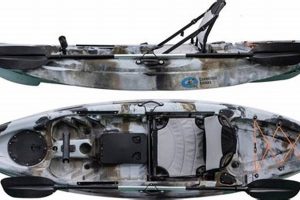
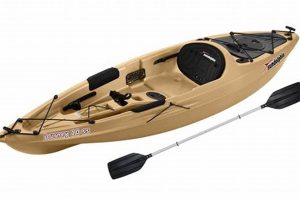
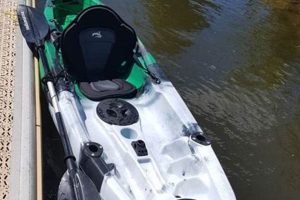
Kayak selection depends on factors such as angler experience, fishing location, and prevailing conditions. Stable, sit-on-top kayaks are generally preferred for their ease of use and self-rescue capabilities in the event of a capsize. Longer kayaks offer better tracking in open water, while shorter, more maneuverable kayaks excel in shallow creeks and marshes. A guide’s expertise assists clients in choosing a kayak that balances stability, maneuverability, and capacity to accommodate fishing gear. For instance, a wider, more stable kayak might be recommended for less experienced anglers fishing the calmer sound waters, whereas a longer, faster kayak could be suitable for experienced anglers targeting nearshore species.
- Rods, Reels, and Tackle
Rod and reel selection should align with the target species and fishing techniques employed. Lighter spinning or baitcasting setups are generally favored for inshore fishing, while heavier tackle may be necessary for nearshore species. A guide’s expertise ensures clients utilize appropriate tackle for the intended quarry. For example, a light to medium-weight spinning rod paired with a 2500-size reel is well-suited for targeting speckled trout or redfish, whereas a heavier setup might be required for larger species like cobia or drum. Furthermore, lure selection, including jigs, soft plastics, and topwater plugs, should reflect the prevalent baitfish and feeding patterns of the target species. Local guides possess this nuanced knowledge, optimizing tackle choices for clients.
- Safety Gear
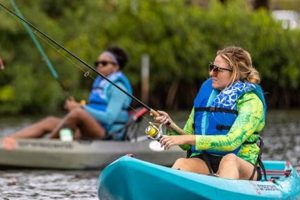
Essential safety equipment includes a properly fitted personal flotation device (PFD), a whistle, and visual signaling devices. A leash connecting essential gear to the kayak prevents loss in the event of a capsize. A guide emphasizes the importance of these items and ensures clients understand their proper use. Additional safety considerations might include a first-aid kit, a waterproof VHF radio for communication, and a paddle leash. These precautions contribute to a safer and more prepared fishing experience.
- Accessories
Accessories enhance both comfort and fishing effectiveness. Rod holders, anchor systems designed for kayaks, and dry bags for storing valuables protect against water damage. A guide might recommend specialized accessories, such as a fish finder or GPS unit, to further enhance the fishing experience. Additionally, comfortable seating, appropriate clothing for sun protection, and hydration packs are essential for extended periods on the water.
The guidance provided by an experienced Outer Banks kayak fishing guide regarding equipment selection significantly contributes to both safety and fishing success. The proper kayak, appropriate tackle, essential safety gear, and carefully chosen accessories enhance the overall experience, allowing clients to focus on enjoying the unique fishing opportunities this region offers.
4. Safety Procedures

Safety procedures are integral to the services provided by an Outer Banks kayak fishing guide. The dynamic coastal environment presents inherent risks, including changing weather conditions, strong currents, and potential interactions with other vessels. A guide’s prioritization of safety procedures directly impacts client well-being and the overall success of the fishing excursion. Neglecting these procedures can lead to dangerous situations, ranging from minor injuries to life-threatening emergencies. For instance, failing to provide adequate instruction on kayak handling in strong currents could result in a capsize, while neglecting to check weather forecasts might expose clients to unexpected storms. Conversely, meticulous adherence to established safety protocols minimizes risks and fosters a secure environment for anglers.
Guides implement various safety measures, beginning with pre-trip briefings that cover essential topics such as kayak handling, emergency procedures, and communication protocols. Providing clients with appropriate safety equipment, including personal flotation devices (PFDs), whistles, and signaling devices, is paramount. Regularly inspecting this equipment for proper function ensures its effectiveness in emergencies. Furthermore, guides assess weather conditions before and during trips, adjusting plans as needed to avoid hazardous situations. Continuous monitoring of client well-being, particularly in challenging conditions, allows for prompt intervention if necessary. For example, recognizing signs of fatigue or dehydration in a client allows the guide to take appropriate action, preventing potential escalation to more serious issues. Knowledge of local regulations and navigation hazards, combined with appropriate first-aid training, further contributes to the guide’s preparedness for managing potential incidents.
In summary, the connection between safety procedures and the role of an Outer Banks kayak fishing guide is inextricably linked. A guides commitment to implementing and enforcing these procedures underscores their professionalism and directly influences client safety. This proactive approach to risk management builds trust and confidence, allowing clients to focus on the enjoyment of the fishing experience while minimizing potential hazards inherent in the Outer Banks’ dynamic coastal environment. A comprehensive understanding and consistent application of safety procedures ultimately distinguishes a responsible and effective kayak fishing guide.
5. Sustainable Practices
Sustainable practices are integral to the ethos of a responsible Outer Banks kayak fishing guide. The fragile coastal ecosystem of the Outer Banks requires careful stewardship to ensure its long-term health and productivity. Guides promoting sustainable practices contribute directly to the preservation of this valuable resource, enabling future generations to enjoy the unique fishing opportunities the region offers. A disregard for these practices can have detrimental effects, including habitat degradation, depletion of fish stocks, and disruption of the delicate balance within the coastal environment. For instance, improper disposal of fishing line can entangle marine life, while disturbing nesting areas of shorebirds disrupts their breeding cycles. Conversely, guides who prioritize sustainable practices actively mitigate these negative impacts.
Guides implement sustainable practices through various actions, such as educating clients on proper catch-and-release techniques, minimizing disturbance to sensitive habitats like seagrass beds, and adhering to established fishing regulations. Emphasizing the use of barbless hooks minimizes injury to fish during release, promoting healthy fish populations. Avoiding anchoring in seagrass beds protects these crucial habitats that serve as nurseries for many fish species. Furthermore, guides actively participate in or promote coastal cleanup initiatives, removing debris and pollution from the waterways. Educating clients about the importance of these practices fosters a sense of responsibility and encourages wider adoption of sustainable fishing methods. For example, explaining the ecological role of seagrass beds to clients reinforces the importance of avoiding these areas when anchoring.
In conclusion, the connection between sustainable practices and the role of an Outer Banks kayak fishing guide is fundamental to preserving the region’s ecological integrity. Guides championing these practices demonstrate a commitment to responsible stewardship, ensuring the long-term health and viability of the Outer Banks fishery. By incorporating sustainability into their guiding services, they not only enhance the client experience but also contribute to the protection of this unique coastal environment for future generations. The practical significance of this understanding lies in its contribution to a balanced and thriving ecosystem, supporting both recreational fishing and the overall health of the Outer Banks.
Frequently Asked Questions
This section addresses common inquiries regarding guided kayak fishing excursions in the Outer Banks.
Question 1: What level of kayaking experience is required?
Prior kayaking experience is beneficial but not always mandatory. Many guides offer introductory instruction and cater to various skill levels. It’s advisable to discuss experience level when booking to ensure appropriate trip selection.
Question 2: What is typically included in a guided trip?
Guided trips typically include kayak rental, paddles, PFDs, and basic fishing equipment. Some guides may also provide additional gear such as fish finders or specialized tackle. Specific inclusions should be confirmed during booking.
Question 3: What species can one expect to catch?
The Outer Banks offers diverse fishing opportunities. Target species often include redfish, speckled trout, flounder, striped bass, and various other inshore species. Specific target species may vary depending on the season and chosen fishing location.
Question 4: What are the typical trip durations?
Trip durations vary depending on the guide and specific package. Half-day and full-day excursions are common, allowing for flexibility in scheduling and accommodating different preferences.
Question 5: What should one bring on a guided kayak fishing trip?
Recommended items include appropriate clothing for sun protection, including a hat and sunglasses, water shoes, sunscreen, insect repellent, and a personal water bottle. A waterproof bag for personal items is also advisable.
Question 6: What happens in case of inclement weather?
Guides prioritize safety and typically reschedule trips in case of inclement weather. Cancellation policies vary depending on the specific guide service and should be discussed during booking.
Careful consideration of these frequently asked questions facilitates informed decision-making and enhances preparedness for a guided Outer Banks kayak fishing experience.
The following section explores specific locations and seasonal fishing patterns within the Outer Banks region.
Outer Banks Kayak Fishing Guide
Exploration of Outer Banks kayak fishing guides reveals the multifaceted nature of their expertise. From navigating the intricate waterways and understanding tidal influences to prioritizing safety procedures and promoting sustainable practices, these professionals provide a comprehensive service. Their knowledge of local fish behavior, tackle selection, and equipment optimization enhances angling success, while their commitment to safety ensures a secure and enjoyable experience. Furthermore, their emphasis on sustainable practices contributes to the long-term preservation of this valuable coastal ecosystem.
The Outer Banks offers a unique and rewarding kayak fishing experience. Engaging the services of a knowledgeable guide unlocks the full potential of this region, fostering not only successful angling but also a deeper appreciation for the delicate balance within this dynamic coastal environment. Preservation of this resource through responsible practices ensures its continued enjoyment for generations to come.