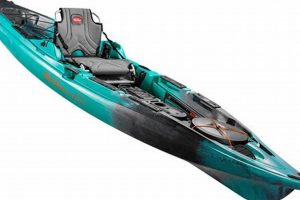
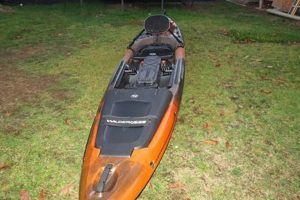
Moving a fishing kayak efficiently and safely involves several methods, each suited to different situations and kayak types. Options range from simple rooftop racks for shorter distances and smaller kayaks to specialized trailers for longer hauls and multiple vessels. Factors such as kayak weight and dimensions, vehicle type, and travel distance influence the most suitable transportation strategy.
Proper kayak transportation ensures the vessel’s longevity by preventing damage during transit. It also promotes road safety by securing the kayak effectively, reducing the risk of accidents caused by improperly secured loads. Historically, kayaks were transported over land by carrying them, but modern solutions offer greater convenience and safety for longer distances and larger, heavier fishing kayaks equipped with specialized gear.
The following sections will explore various kayak transportation methods, covering roof rack systems, trailers, truck bed options, and related accessories. Each method will be detailed with best practices for loading, securing, and safe handling.
Tips for Kayak Transportation
Safe and efficient kayak transport requires careful planning and execution. These tips offer guidance for various methods and situations.
Tip 1: Measure and Weigh: Obtain accurate measurements and weight of the kayak. This information is crucial for selecting appropriate transportation equipment, such as roof racks or trailers, ensuring compatibility and safe handling.
Tip 2: Choose the Right Method: Select a transportation method based on kayak size, vehicle type, and travel distance. Roof racks are suitable for shorter trips and smaller kayaks, while trailers are better for longer distances and multiple kayaks.
Tip 3: Use Proper Loading Techniques: Employ safe lifting techniques and utilize loading assists like kayak carts or rollers to prevent strain and protect the kayak from damage during loading and unloading.
Tip 4: Secure the Kayak Firmly: Utilize high-quality straps and tie-down points to secure the kayak to the vehicle. Ensure straps are tight and the kayak cannot shift during transit. Bow and stern lines provide additional stability.
Tip 5: Protect the Kayak: Consider using padding or protective covers to prevent scratches and damage to the kayak’s hull during transport. This is particularly important for longer journeys or when transporting multiple kayaks.
Tip 6: Check Local Regulations: Be aware of local regulations regarding oversized loads and ensure the transported kayak complies with these rules to avoid legal issues.
Tip 7: Regular Maintenance: Inspect and maintain transportation equipment regularly, including roof racks, straps, and trailers, to ensure they are in good working condition and safe for use.
Proper kayak transportation not only safeguards the vessel but also contributes to overall road safety. By adhering to these guidelines, individuals can ensure a smooth and secure transportation experience.
By understanding and implementing these tips, individuals can confidently and safely transport their fishing kayaks, allowing for more enjoyable and productive fishing excursions.
1. Roof Rack Systems
Roof rack systems provide a common and effective method for transporting fishing kayaks, particularly for shorter distances and lighter kayaks. A properly installed roof rack system offers a secure platform for carrying a kayak, minimizing the risk of damage during transit and freeing up vehicle space for other gear. The system’s components, including crossbars, cradles or saddles, and straps, work in concert to distribute the kayak’s weight evenly and prevent shifting during travel. For example, J-style cradles hold the kayak on its side, maximizing vehicle clearance, while stackers allow multiple kayaks to be carried vertically, conserving roof space. Selecting appropriate padding and tie-down points further protects the kayak’s hull and ensures secure attachment to the vehicle.
The efficacy of a roof rack system hinges on proper installation and usage. Crossbars must be compatible with the vehicle’s roof and weight capacity, and cradles or saddles should match the kayak’s hull shape. Straps should be tightened securely, with bow and stern lines providing additional stability. Regular inspection of the system’s components, including straps and hardware, is essential to maintain safety and prevent equipment failure. Utilizing a roof rack system allows anglers to readily transport their kayaks to various fishing locations, expanding access to diverse waterways and enhancing overall fishing experiences. For instance, an angler might utilize a roof rack system to transport a kayak to a remote lake inaccessible by boat ramp, broadening fishing opportunities.
In summary, roof rack systems offer a practical and efficient solution for transporting fishing kayaks, particularly for shorter journeys. Careful selection, installation, and maintenance of the system are critical for safe and secure kayak transport. While roof racks offer convenience for many situations, they may not be suitable for all kayaks or vehicles, and other methods like trailers might be necessary for heavier kayaks, longer distances, or limited vehicle roof capacity. Understanding these factors allows anglers to make informed decisions regarding kayak transportation, optimizing safety and efficiency for every fishing excursion.
2. Trailer Transport
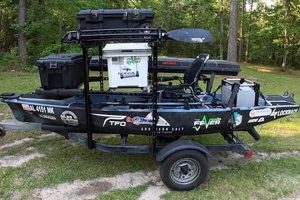
Trailer transport offers a robust solution for transporting fishing kayaks, especially for longer distances, heavier kayaks, or multiple vessels. Trailers provide enhanced stability and carrying capacity compared to roof rack systems, reducing strain on the towing vehicle and minimizing the risk of kayak damage during transit. This method proves particularly advantageous for anglers frequently traveling long distances or transporting multiple kayaks for group excursions.
- Trailer Selection:
Choosing the right trailer is crucial for safe and efficient kayak transport. Small utility trailers or dedicated kayak trailers are common choices. Key considerations include trailer size, weight capacity, and compatibility with the towing vehicle’s hitch. A trailer exceeding the vehicle’s towing capacity compromises safety and can damage both the vehicle and the trailer. For instance, a small fishing kayak might suffice with a lightweight utility trailer, while multiple larger kayaks with fishing gear necessitate a larger, more specialized trailer.
- Loading and Securing:
Proper loading and securing procedures are essential for preventing kayak damage and ensuring road safety. Kayaks should be evenly distributed on the trailer and secured with high-quality straps at multiple points along the hull. Bow and stern tie-downs provide additional stability, minimizing movement during transit. For example, using cam straps with padding protects the kayak’s hull and ensures a firm grip, reducing the likelihood of slippage or damage.
- Legal and Safety Considerations:
Adhering to legal requirements and safety guidelines is paramount when towing a trailer. Regulations regarding trailer dimensions, lighting, and braking systems vary by jurisdiction and should be strictly observed. Regular trailer maintenance, including tire pressure checks and bearing lubrication, ensures safe and reliable operation. Neglecting these aspects can lead to accidents and legal penalties. For instance, ensuring proper trailer lighting and visibility is crucial for safe nighttime towing.
- Long-Distance Travel:
Trailers excel for long-distance kayak transport, offering greater stability and reduced stress on the towing vehicle compared to roof-mounted options. The ability to carry multiple kayaks and associated gear further enhances convenience for extended fishing trips. However, factors like fuel consumption and potential crosswinds must be considered. For example, experienced anglers often plan routes to minimize exposure to strong crosswinds, enhancing stability and fuel efficiency during long hauls.
By addressing these aspects of trailer transport, anglers can ensure safe, efficient, and convenient transportation of their fishing kayaks, regardless of distance or the number of vessels. While trailer transport offers significant advantages for specific scenarios, careful planning and execution are vital for maximizing benefits and minimizing risks. This approach allows anglers to focus on their fishing experience, knowing their equipment is transported securely and efficiently.
3. Truck Bed Methods
Truck bed transport offers a practical solution for kayak transportation, particularly for anglers owning pickup trucks. This method’s suitability depends on factors like truck bed size, kayak dimensions, and the presence of a bed liner or protective mat. Direct contact with the truck bed can potentially scratch or damage the kayak’s hull. Therefore, using padding, blankets, or foam blocks is crucial to protect the kayak during transit. For instance, placing foam blocks strategically within the truck bed can cradle the kayak, preventing it from sliding or impacting the bed walls. Securing the kayak with straps attached to tie-down points within the truck bed is paramount, ensuring stability during travel. The tailgate can be left down if the kayak extends beyond the bed’s length, but additional safety flags or lights might be required to comply with traffic regulations, depending on local laws and the kayak’s overhang.
Several variations exist within truck bed transport. Short-bed trucks might require the tailgate to be lowered for longer kayaks, necessitating appropriate safety measures. For shorter kayaks, positioning them sideways within the bed can maximize space for other gear. Alternatively, using a bed extender can safely accommodate longer kayaks without lowering the tailgate. Bed racks or crossbars installed within the truck bed can also be employed, similar to roof rack systems, offering a more elevated and secure carrying platform, particularly useful for longer kayaks or when carrying multiple kayaks. For example, an angler transporting two fishing kayaks in a truck bed might use a bed rack system with cradles to secure each kayak individually, maximizing bed space and preventing contact between the kayaks.
Truck bed transport, while convenient, requires careful consideration of kayak dimensions, truck bed size, and proper securing techniques. Potential challenges include limited carrying capacity compared to trailers, potential damage to the kayak hull if not adequately protected, and the need for additional safety measures when extending beyond the tailgate. Despite these considerations, truck bed transport offers a viable and cost-effective solution for many anglers, particularly those with shorter kayaks and shorter travel distances. Its effectiveness relies on the careful implementation of protective measures and proper securing techniques, aligning with the broader theme of safe and efficient kayak transportation.
4. Strapping and Securing
Kayak strapping and securing are fundamental to safe and damage-free transport. Improperly secured kayaks pose risks to both the vessel and other road users. Understanding appropriate techniques ensures successful transport regardless of the chosen method, be it roof rack, trailer, or truck bed.
- Strap Selection and Quality:
Utilizing appropriate straps designed for kayak transport is crucial. High-quality, UV-resistant straps with strong buckles and cam mechanisms provide reliable securing force. Straps should be inspected regularly for wear and tear, replaced if necessary. Using rope is discouraged due to its potential for loosening and causing damage through friction. Heavy-duty ratchet straps offer superior strength for heavier kayaks and longer journeys, minimizing movement and ensuring secure attachment. Opting for padded straps protects the kayak’s hull from scratches and pressure points during transit.
- Tie-Down Points and Placement:
Identifying suitable tie-down points on both the kayak and the transport vehicle is essential. Straps should be connected to strong, structural points on the kayak, avoiding areas that could be damaged by pressure. On the vehicle, utilizing designated tie-down points, roof rack anchor points, or reinforced areas within a truck bed ensures a secure connection. For instance, when using a roof rack, straps should be routed through the designated slots or around the crossbars, ensuring even pressure distribution and preventing slippage. Bow and stern lines further enhance stability, especially during highway travel.
- Securing Techniques and Tension:
Proper securing techniques involve applying appropriate tension to the straps without over-tightening, which could damage the kayak’s hull. Straps should be snug but not excessively taut, allowing for some flexibility during transit. Using a crisscross pattern when securing the kayak to the vehicle provides additional stability and prevents lateral movement. Regularly checking strap tension during longer journeys ensures the kayak remains secure. For example, over-tightening straps around a fishing kayak’s hull can cause deformation, particularly in warmer weather when the plastic becomes more pliable.
- Bow and Stern Lines:
Bow and stern lines offer supplementary security, especially crucial at higher speeds or in windy conditions. These lines connect the front and rear of the kayak to secure points on the vehicle, preventing forward and backward movement. They minimize the risk of the kayak shifting on the transport vehicle, reducing potential damage and enhancing overall safety. Using separate bow and stern lines, in addition to the main securing straps, provides redundant security, offering an extra layer of protection during unexpected events like sudden braking or strong gusts of wind.
Effective strapping and securing techniques are integral to successful kayak transportation. Careful consideration of strap type, tie-down points, and securing techniques minimizes the risk of kayak damage and ensures road safety. These practices, combined with appropriate loading and unloading procedures, contribute significantly to a smooth and efficient kayak transport experience, allowing anglers to focus on their fishing pursuits.
5. Loading and unloading
Proper loading and unloading procedures are essential components of safe and efficient fishing kayak transportation. These processes directly impact both the kayak’s longevity and individual safety. Mishandling during these stages can lead to kayak damage, personal injury, and vehicle damage. Understanding appropriate techniques minimizes these risks and ensures a smooth transition between storage and transport.
- Safe Lifting Practices:
Kayaks, especially fishing kayaks equipped with gear, can be heavy and awkward to lift. Utilizing proper lifting techniques prevents strain and injury. Bending at the knees, maintaining a straight back, and using leg muscles to lift minimizes stress on the back. Whenever possible, enlisting assistance from another person is recommended, especially for larger kayaks. Distributing the weight evenly between two people reduces individual strain and offers greater control during lifting and maneuvering.
- Utilizing Loading Aids:
Loading aids significantly simplify the loading and unloading process, particularly for heavier kayaks or individuals transporting kayaks solo. Kayak carts, rollers, and ramps reduce the effort required and minimize the risk of damage. A kayak cart, for example, allows a single person to easily transport a kayak from storage to the vehicle. Rollers placed on the vehicle’s roof or truck bed facilitate smooth loading and unloading, reducing friction and potential hull scratches. Ramps bridge the height difference between the ground and the vehicle, simplifying loading onto trailers or truck beds.
- Protecting the Kayak:
Protecting the kayak from damage during loading and unloading is crucial. Padding or blankets placed on the vehicle’s contact points prevent scratches and abrasions to the kayak’s hull. Carefully maneuvering the kayak during loading and unloading minimizes impact forces and prevents accidental drops. For example, when loading onto a roof rack, ensuring the kayak is properly positioned in the cradles before fully securing the straps prevents the hull from rubbing against the vehicle’s roof. Similarly, using padding on a trailer or truck bed protects the kayak from scratches during transport.
- Securing for Transport:
Once loaded, securing the kayak properly for transport is paramount. Straps should be snug and connected to designated tie-down points. Bow and stern lines provide additional stability. Double-checking all securing points before departure ensures the kayak remains stable during transit. This step directly connects loading procedures to the broader context of kayak transportation, emphasizing the importance of a seamless transition between loading and secure transport. For example, a loosely secured kayak can shift during transport, causing damage to both the kayak and the vehicle.
Effective loading and unloading procedures contribute significantly to the overall success of kayak transportation. These processes, when executed properly, safeguard both the kayak and the individual, ensuring a safe and enjoyable fishing experience. By understanding and applying these techniques, anglers can confidently transport their kayaks, minimizing risks and maximizing their time on the water.
Frequently Asked Questions
This section addresses common queries regarding fishing kayak transportation, offering concise and informative responses to facilitate informed decision-making and safe transport practices.
Question 1: What is the most suitable method for transporting a fishing kayak?
The optimal method depends on factors like kayak size and weight, travel distance, and vehicle type. Roof racks suit shorter trips and lighter kayaks, while trailers are preferable for longer distances, heavier kayaks, or multiple vessels. Truck bed transport provides a viable option for pickup truck owners, given appropriate precautions.
Question 2: Are specialized straps necessary for securing a fishing kayak during transport?
Specialized straps designed for kayak transport are highly recommended. These straps typically feature robust buckles, cam mechanisms, and UV-resistant materials, ensuring secure fastening and preventing wear and tear. Using rope or generic straps is discouraged due to potential loosening and friction damage.
Question 3: How can kayak hull damage be prevented during transport?
Protecting the kayak’s hull involves using padding, blankets, or foam blocks at contact points with the vehicle or transport system. Properly secured straps and cradles also minimize friction and pressure points, reducing the risk of scratches and abrasions. Regular inspection of straps and tie-down points helps prevent damage caused by worn or loose equipment.
Question 4: What are the legal requirements for transporting a kayak?
Regulations regarding kayak transport vary by jurisdiction. Common concerns include overall length, overhang beyond the vehicle, and appropriate lighting and signaling for extended loads. Checking local regulations before transport ensures compliance and avoids potential fines or safety hazards.
Question 5: Can a fishing kayak be transported in a car without a roof rack?
While some smaller kayaks might fit inside larger vehicles, transporting a kayak without a proper roof rack system or other secure method is generally discouraged. Improperly secured kayaks pose a significant safety risk and can cause damage to both the kayak and the vehicle.
Question 6: How often should kayak transport equipment be inspected?
Regular inspection of transport equipment, including straps, tie-down points, roof racks, and trailers, is crucial. Checking for wear and tear before each trip and performing more thorough inspections seasonally ensures equipment reliability and prevents failures during transit.
Safe and efficient kayak transportation relies on careful planning and execution. Understanding the specific requirements of each transport method and adhering to safety guidelines ensures both the kayak’s protection and overall road safety.
For further information on specific transport methods, consult the detailed sections above.
Transporting Fishing Kayaks
Transporting a fishing kayak successfully requires careful consideration of several factors. Selecting the appropriate method, whether roof rack systems, trailers, or truck bed methods, depends on the kayak’s dimensions, the journey’s distance, and the vehicle’s capabilities. Proper securing techniques, using appropriate straps and tie-down points, are paramount for all methods. Protecting the kayak’s hull from damage during transit involves using padding and employing safe loading and unloading practices. Adhering to legal requirements and conducting regular equipment maintenance further ensures safe and efficient transport.
Efficient kayak transportation expands angling opportunities, enabling access to diverse waterways. Prioritizing safe and effective transport practices ensures not only the kayak’s longevity but also contributes to overall road safety. Careful planning and execution in choosing and implementing the appropriate transport method allows for a more productive and enjoyable fishing experience.