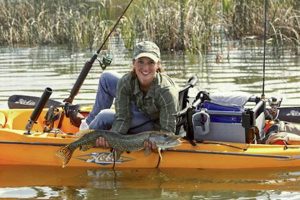
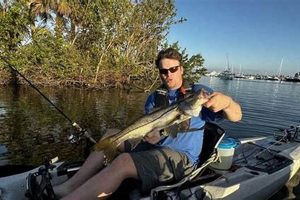
This angling method involves utilizing a kayak as a platform to present bait or lures naturally within a moving body of water. A current, tide, or even wind carries the angler and their offering downstream or downwind, covering a wider area than stationary fishing allows. For instance, an angler might cast upstream and allow the current to carry the line and bait naturally through a promising section of river.
This approach provides a stealthy and efficient means of covering water, particularly in rivers, estuaries, and nearshore ocean environments. It allows for a natural presentation, often resulting in increased catches. Historically, drifting has been a core component of fishing, with various vessels and techniques employed across cultures. The integration of kayaks into this practice offers increased maneuverability and access to shallower or more confined waterways.
The following sections delve into specific equipment needs, suitable locations, effective techniques, and essential safety precautions for this specialized form of fishing.
Tips for Effective Drift Fishing from a Kayak
Optimizing the drift fishing experience from a kayak requires careful consideration of several key factors. These tips offer guidance for a safer and more productive outing.
Tip 1: Understand Water Conditions: Current speed, water depth, and potential obstacles like rocks or submerged debris should be assessed before commencing a drift. Consult local resources or experienced anglers for insights into specific waterways.
Tip 2: Employ Proper Anchoring Techniques: While drifting is the primary method, a deployable anchor allows for pausing in promising locations or controlling drift speed. A drift sock or sea anchor can also be used to slow progress.
Tip 3: Select Appropriate Tackle: Rods, reels, and line weight should match the target species and the fishing environment. Consider using lighter tackle for a more natural presentation in slower currents.
Tip 4: Master Bait and Lure Presentation: Allow the current to carry the offering naturally. Adjust line length to maintain contact with the bottom or desired depth while avoiding snags.
Tip 5: Prioritize Safety Equipment: A personal flotation device (PFD) is essential. Carry a whistle, signaling device, and basic first-aid kit. Inform someone of the planned fishing location and estimated return time.
Tip 6: Practice Kayak Control: Maneuvering a kayak in current requires practice. Develop skills in paddling, steering, and maintaining stability. Consider lessons from certified instructors.
Tip 7: Observe Local Regulations: Familiarize oneself with licensing requirements, catch limits, and any specific rules governing the chosen waterway.
By adhering to these guidelines, anglers can enhance their chances of success while ensuring a safe and enjoyable experience on the water.
The following section concludes this overview with final considerations for aspiring kayak anglers.
1. Kayak Selection

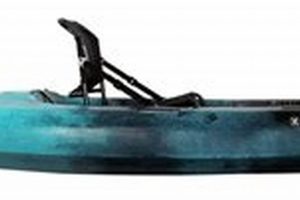
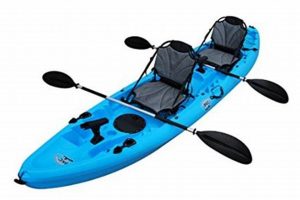
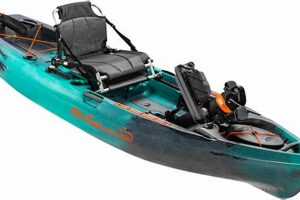
Kayak selection significantly impacts the effectiveness and enjoyment of drift fishing. Stability is paramount, especially in moving water. Wider, flatter-bottomed kayaks offer greater initial stability, reducing the likelihood of capsizing when fighting fish or navigating turbulent currents. Longer kayaks typically track straighter, facilitating a controlled drift. However, shorter kayaks provide enhanced maneuverability, proving advantageous in tight rivers or areas with obstacles. Sit-on-top kayaks offer superior stability and ease of re-entry if a capsize occurs, while sit-inside kayaks provide protection from the elements and offer drier storage for gear. For example, a wide, stable sit-on-top might be ideal for leisurely drifting on a large river, while a shorter, more agile sit-inside kayak could be preferred for navigating a narrow, winding creek. Choosing a kayak with ample storage space accommodates tackle, safety equipment, and potential catches.
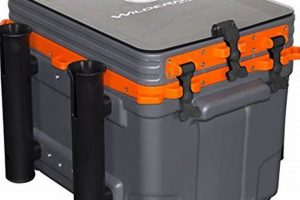
Specific features further enhance the drift fishing experience. Rod holders, anchor trolleys, and rudder systems contribute to efficient line management and controlled drift. Adjustable seating positions promote comfort during long hours on the water. Consideration should also be given to the kayak’s weight capacity, ensuring it can accommodate the angler, gear, and potential catches without compromising stability. For instance, an angler targeting larger species in strong currents would benefit from a kayak with a higher weight capacity and a robust rudder system. Conversely, an angler pursuing smaller fish in calmer waters might prioritize a lighter, more maneuverable kayak.
Careful kayak selection optimizes performance and safety while drift fishing. Matching the kayak’s characteristics to the specific fishing environment and target species ensures a more productive and enjoyable experience. Prioritizing stability, maneuverability, and appropriate features contributes to a successful outing, ultimately enhancing the angler’s ability to effectively present bait and target fish.
2. Water Conditions

Successful kayak drift fishing requires careful consideration of prevailing water conditions. These factors significantly influence not only the effectiveness of fishing techniques but also the safety of the angler. Understanding and adapting to these conditions is crucial for a productive and enjoyable experience.
- Current Speed and Direction:
Current speed dictates the drift rate and influences bait or lure presentation. Faster currents require heavier weights or specialized techniques to maintain bottom contact or desired depth. Direction of flow determines the drift path, impacting choices for casting and retrieval. For instance, in a swift river, anglers might employ heavier weights and shorter casts upstream to maintain control and prevent excessive line drag. Conversely, slower currents allow for lighter tackle and longer drifts. Understanding current patterns is essential for positioning the kayak effectively and targeting specific areas holding fish.
- Water Depth and Bottom Contour:
Water depth influences fish behavior and dictates lure or bait choice. Deeper pools often hold larger fish, while shallower flats or riffles may attract smaller species. Bottom contour, including drop-offs, ledges, and submerged structures, impacts fish habitat and feeding patterns. Knowledge of these features allows anglers to target specific areas with greater precision. For example, a deep channel adjacent to a shallow flat can be a prime location for ambush predators. Using sonar or studying topographical maps can reveal these underwater features and enhance fishing success.
- Water Clarity and Temperature:
Water clarity affects fish visibility and influences lure color selection. In clear water, natural or subtle colors often prove effective, while brighter, more vibrant colors may be necessary in murky conditions. Water temperature impacts fish metabolism and feeding activity. Certain species prefer specific temperature ranges, influencing their location and behavior. Understanding these thermal preferences allows anglers to target areas where fish are most likely to be active. For instance, trout thrive in cooler water, often seeking deeper pools or shaded areas during warmer periods.
- Wind and Weather:
Wind creates surface currents and can significantly impact kayak drift speed and direction. Strong winds may necessitate adjustments in paddling technique or the use of a drift sock to maintain control. Weather conditions, including rain, fog, and changing temperatures, influence fish behavior and angler comfort. Monitoring weather forecasts and adapting accordingly is crucial for safety and a productive fishing trip. For example, strong headwinds can slow a drift considerably, while tailwinds can increase speed, requiring adjustments in casting and retrieval techniques. Additionally, sudden weather changes can create hazardous conditions, emphasizing the importance of preparedness and awareness.
Considering these interconnected water conditions is essential for effective kayak drift fishing. By understanding how current, depth, clarity, temperature, wind, and weather interact, anglers can adapt their techniques, enhance their presentation, and ultimately increase their chances of success while ensuring a safe and informed approach on the water.
3. Drift Control

Drift control is a fundamental skill in kayak drift fishing, enabling anglers to effectively present their offerings and systematically cover promising areas. Precise control of the kayak’s movement and speed optimizes bait or lure presentation, maintains desired depth, and allows for thorough coverage of target zones. Mastery of drift control techniques directly influences fishing success.
- Paddle Control:
Paddle strokes provide primary drift control, enabling subtle adjustments to speed and direction. Short, corrective strokes maintain position within a current, while longer, more powerful strokes accelerate or decelerate drift speed. Backpaddling can slow the drift or hold position in a specific location. For example, a slight draw stroke can angle the kayak to present a bait along a specific seam in the current, while a forward sweep stroke can accelerate the drift through a faster section of water.
- Anchor Deployment:
Deployable anchors offer a means to pause the drift or hold position in promising locations. Traditional anchors provide a stationary hold, while drift socks or sea anchors slow the drift rate without completely halting movement. These tools are particularly effective in deeper water or stronger currents. For example, deploying a drift sock can slow a kayak’s drift in a strong wind, allowing for a more controlled presentation of a lure. A traditional anchor can hold a kayak in a specific location, such as near a submerged structure or drop-off.
- Rudder Systems:
Kayaks equipped with rudder systems offer enhanced directional control, particularly in windy conditions or strong currents. Rudders counteract the effects of wind or current, maintaining a desired course and preventing unwanted deviations. This is particularly beneficial when drifting long stretches of river or along shorelines. For example, a rudder can maintain a kayak’s course parallel to a riverbank, allowing an angler to systematically cover the entire stretch without constantly adjusting paddle strokes.
- Current and Wind Awareness:
Understanding the interplay of current and wind is crucial for effective drift control. Wind can influence drift speed and direction independently of the current, requiring adjustments in paddling and anchoring techniques. Anticipating changes in wind or current patterns allows for proactive adjustments, maintaining a controlled drift. For example, if the wind is pushing a kayak faster than the current, a drift sock or subtle backpaddling can help maintain a desired drift speed. Conversely, if the wind is opposing the current, more powerful forward strokes might be necessary to maintain a consistent drift.
Mastery of these drift control methods enhances the angler’s ability to present bait or lures effectively, systematically cover promising areas, and ultimately increase fishing success. The ability to precisely control the kayak’s movement in the current transforms drift fishing from a passive activity into a strategic approach, allowing anglers to target fish with precision and efficiency.
4. Tackle and Bait
Tackle and bait selection are critical components of successful kayak drift fishing. The choices made directly influence an angler’s ability to effectively target specific species and navigate the unique challenges presented by this fishing method. Appropriately matched gear ensures a productive and enjoyable experience on the water.
- Rods and Reels:
Rod and reel combinations should balance sensitivity, strength, and appropriate line capacity. Shorter rods offer increased maneuverability within the confines of a kayak, while longer rods facilitate longer casts and better hooksets. Spinning reels are versatile and well-suited for a variety of techniques, while baitcasting reels offer greater control over heavier lines and larger fish. For example, a medium-light spinning rod paired with a 2500-size reel is a versatile setup for targeting a range of species in moderate current. A heavier baitcasting setup might be preferred for larger fish in stronger flows. The chosen setup must align with the target species and the specific fishing environment.
- Line and Leader:
Line selection depends on the target species and the fishing environment. Braided lines offer superior sensitivity and strength, allowing for better detection of bites and stronger hooksets, especially in areas with potential snags. Fluorocarbon leaders offer near invisibility underwater and increased abrasion resistance, enhancing presentation and improving chances of enticing wary fish. For example, a 10-15lb braided mainline paired with a 12-15lb fluorocarbon leader is a common setup for targeting bass or walleye in rivers. Lighter lines may be appropriate for smaller species or clearer water.
- Terminal Tackle:
Terminal tackle choices directly influence bait or lure presentation and hookup ratios. Hooks, weights, swivels, and floats should be selected based on the target species and the chosen fishing technique. For instance, circle hooks minimize deep hooking and facilitate catch-and-release practices. Slip sinker rigs allow for a natural presentation in moving water. The selection of appropriate terminal tackle is crucial for maximizing effectiveness and minimizing disruptions to the bait’s natural movement in the current.
- Bait and Lures:
Bait and lure selection should consider the target species’ feeding preferences and the prevailing water conditions. Live bait, such as worms, minnows, or crickets, can be highly effective in attracting a variety of fish. Artificial lures, including jigs, crankbaits, and soft plastics, offer versatility and durability. Matching bait or lure color and size to the target species and water clarity is essential for success. For instance, brightly colored lures may be effective in murky water, while more natural colors are often preferred in clear water. Understanding local fish behavior and preferred forage influences bait or lure selection.
The careful selection of tackle and bait is essential for optimizing fishing success in the dynamic environment of kayak drift fishing. A balanced approach that considers the target species, water conditions, and chosen techniques enhances presentation, increases hookup ratios, and ultimately leads to a more rewarding fishing experience. By adapting tackle and bait choices to the specific conditions encountered, anglers maximize their chances of success on the water.
5. Safety Precautions

Safety precautions are paramount in kayak drift fishing, mitigating inherent risks associated with moving water and open environments. Neglecting these precautions can lead to serious consequences, ranging from equipment loss to life-threatening situations. A comprehensive understanding of potential hazards and proactive safety measures is essential for a responsible and enjoyable experience.
Drifting inherently involves navigating currents, often in remote locations. Unforeseen changes in weather, submerged obstacles, or encounters with other vessels pose potential dangers. For example, a sudden increase in wind speed can create challenging paddling conditions, increasing the risk of capsizing. Submerged logs or rocks, especially in rivers, can cause kayaks to overturn. Collisions with motorized boats, particularly in low-visibility conditions, present a significant hazard. These scenarios underscore the importance of proactive safety measures.
Essential safety precautions include wearing a personal flotation device (PFD) at all times. Carrying a whistle, signaling device, and waterproof communication device allows for summoning assistance in emergencies. Informing someone of the planned fishing location and estimated return time provides an additional layer of security. Regularly checking weather forecasts before and during the trip helps anticipate changing conditions and mitigate risks. Carrying a basic first-aid kit and knowing how to use it addresses minor injuries. Furthermore, dressing appropriately for the water temperature, even in warmer months, is crucial. Cold water immersion can lead to hypothermia, even in relatively mild temperatures. Finally, understanding self-rescue techniques and practicing them in calm water prepares anglers for potential capsizes. These combined precautions minimize risks and promote a safe and enjoyable kayak drift fishing experience.
Frequently Asked Questions
This section addresses common inquiries regarding kayak drift fishing, providing concise and informative responses to enhance understanding and promote safe practices.
Question 1: What type of kayak is best suited for drift fishing?
Kayaks offering stability and maneuverability are preferred. Wider, flatter-bottomed kayaks provide enhanced stability, while shorter kayaks offer greater maneuverability in tight spaces. Sit-on-tops are favored for their self-bailing design and ease of re-entry after a capsize. Specialized fishing kayaks often feature integrated rod holders and other convenient accessories.
Question 2: What essential safety equipment should one carry while kayak drift fishing?
A personal flotation device (PFD) is paramount. A whistle, signaling device (such as a mirror or flare), and a waterproof communication device are crucial for emergencies. A first-aid kit, appropriate clothing for water temperature, and a knife are also recommended.
Question 3: How does one control drift speed and direction?
Paddle strokes provide primary control. A drift sock or sea anchor can slow drift speed. Deployable anchors allow for holding position in desired locations. Understanding and utilizing current and wind patterns also contributes to drift management.
Question 4: What are the benefits of drift fishing from a kayak compared to other methods?
Kayaks offer stealthy access to shallow or confined waterways often inaccessible to larger boats. Drifting provides a natural bait presentation, covering a wider area efficiently. The maneuverability of a kayak allows for precise adjustments within the current.
Question 5: What are the most common mistakes to avoid in kayak drift fishing?
Neglecting safety precautions, such as not wearing a PFD or failing to inform someone of fishing plans, is a critical error. Ignoring water conditions, particularly current speed and potential hazards, can also lead to difficulties. Using inappropriate tackle or failing to adapt techniques to specific conditions can hinder success.
Question 6: How does one choose the right bait or lure for kayak drift fishing?
Bait or lure selection should consider target species, water clarity, and current speed. Live bait, such as worms or minnows, can be effective. Artificial lures, like jigs or spinners, offer versatility. Local knowledge and experience often inform the most productive choices.
Careful consideration of these frequently asked questions enhances preparedness and promotes a safer and more productive kayak drift fishing experience. Prioritizing safety and understanding key techniques contribute to a rewarding time on the water.
The following section offers concluding remarks on this specialized angling method.
Conclusion
This exploration of kayak drift fishing has highlighted the nuanced interplay of factors contributing to a successful and safe experience. From kayak selection and drift control techniques to tackle choices and safety precautions, each element plays a crucial role in maximizing angling effectiveness while minimizing risks. Understanding water conditions, including current, depth, and clarity, empowers anglers to make informed decisions regarding bait or lure selection and presentation. Careful consideration of these interconnected elements distinguishes a well-prepared angler from one susceptible to the inherent challenges of this dynamic fishing method.
Kayak drift fishing offers a unique and rewarding approach to angling, demanding both skill and respect for the aquatic environment. Continued learning, practice, and a steadfast commitment to safety will undoubtedly enhance proficiency and deepen appreciation for this specialized pursuit. The potential for exploration and connection with nature provides a compelling invitation for anglers seeking a more immersive and engaging fishing experience.