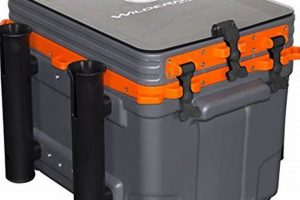
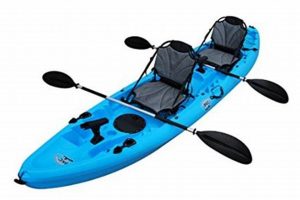
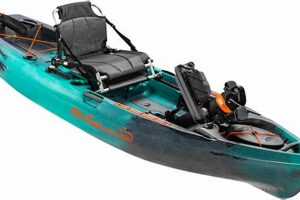
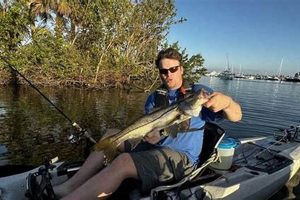
Evaluations of Perception kayaks designed for fishing, found across various online platforms, offer prospective buyers valuable insights. These assessments typically cover aspects such as stability, maneuverability, comfort, features, and overall performance in fishing scenarios. A sample evaluation might analyze the kayak’s tracking in windy conditions or the effectiveness of its rod holders and storage compartments.
Access to these aggregated opinions empowers consumers to make informed purchasing decisions. Understanding the experiences of other anglers provides a more realistic perspective than marketing materials alone. This collective feedback helps clarify which models best suit individual needs and fishing styles, ultimately contributing to a more satisfying experience on the water. The increasing popularity of online reviews reflects a shift toward greater transparency and community-driven information sharing in the recreational fishing market.
The following sections will delve into specific aspects of kayak selection for fishing, including hull design, propulsion systems, and essential accessories. Further exploration of materials, manufacturing processes, and popular brands will provide a comprehensive understanding of the current landscape.
Tips for Evaluating Fishing Kayak Reviews
Navigating the abundance of online information requires a discerning approach. These tips offer guidance for effectively assessing fishing kayak reviews and extracting valuable insights.
Tip 1: Consider Source Credibility: Reputable websites specializing in outdoor gear, kayaking publications, and established retailers often provide more reliable reviews than generic forums. Look for reviews backed by expertise and editorial oversight.
Tip 2: Focus on Verified Purchases: Reviews marked as “verified purchase” offer greater assurance that the reviewer has firsthand experience with the kayak. This helps filter out potentially biased or inauthentic feedback.
Tip 3: Analyze Reviewer Experience Level: Consider the reviewer’s stated experience level. A novice’s perception of a kayak’s performance may differ significantly from that of a seasoned angler.
Tip 4: Look for Specific Details: Generic statements offer limited value. Prioritize reviews that provide detailed descriptions of the kayak’s performance characteristics, including stability, tracking, and maneuverability.
Tip 5: Cross-Reference Multiple Sources: Consulting multiple review platforms provides a broader perspective and helps identify consistent patterns of strengths and weaknesses across different user experiences.
Tip 6: Pay Attention to Long-Term Reviews: Reviews detailing experiences after extended use often reveal insights into durability and long-term performance, which are crucial for assessing value.
Tip 7: Balance Positive and Negative Feedback: No product is perfect. Look for a balanced mix of positive and negative comments to gain a realistic understanding of the kayak’s overall performance.
By applying these strategies, prospective buyers can effectively leverage the wealth of information available online to make informed decisions and choose the kayak best suited to their individual needs and fishing style.
The following section will consolidate these insights and offer final recommendations for selecting the ideal fishing kayak.
1. Stability

Stability represents a critical performance attribute in fishing kayaks, significantly influencing user experience and safety. Evaluations of Perception fishing kayaks often prioritize stability assessments, providing prospective buyers with crucial insights into on-water performance. Understanding the nuances of stability and its impact on various fishing scenarios is essential for informed decision-making.
- Primary Stability
Primary stability refers to a kayak’s initial resistance to tipping when at rest. A wider hull typically provides greater primary stability, making it ideal for activities like still-water fishing where frequent casting and retrieving are required. Reviews often highlight a kayak’s primary stability, offering insights into its suitability for stationary fishing techniques.
- Secondary Stability
Secondary stability describes a kayak’s resistance to tipping when leaned or tilted. This becomes crucial in dynamic conditions such as navigating choppy water or engaging in active fishing techniques. Kayak reviews frequently address secondary stability, indicating a model’s performance in more challenging environments.
- Hull Design and Stability
Hull design plays a pivotal role in determining both primary and secondary stability. Wider, flatter hulls generally enhance primary stability, while rounded or V-shaped hulls contribute to greater secondary stability. Perception fishing kayak reviews often analyze the impact of hull design on overall stability, guiding users toward models best suited to their intended use.
- Stability and Fishing Style
Different fishing styles demand varying levels of stability. Sit-on-top kayaks generally offer higher initial stability compared to sit-inside models. Anglers fishing in calm waters prioritize primary stability, while those navigating rougher conditions or engaging in techniques like stand-up fishing require greater secondary stability. Reviews often categorize kayaks based on their stability characteristics, helping anglers match models to their specific fishing needs.
By considering these facets of stability, prospective buyers can leverage Perception fishing kayak reviews to identify models that offer the appropriate performance characteristics for their individual needs and fishing styles. A comprehensive understanding of stability contributes significantly to a safe and enjoyable on-water experience.
2. Maneuverability

Maneuverability represents a crucial performance characteristic in fishing kayaks, directly influencing anglers’ ability to navigate various water conditions and access desired fishing spots. Evaluations of Perception fishing kayaks frequently address maneuverability, offering insights into a kayak’s responsiveness and turning capabilities. This factor significantly impacts fishing success and overall on-water experience.
Several elements contribute to a kayak’s maneuverability, including hull design, length, and rudder or skeg systems. Shorter kayaks generally exhibit greater maneuverability in tight spaces, enabling navigation through narrow creeks or around obstacles. Longer kayaks, while potentially faster in open water, may sacrifice maneuverability in confined areas. Reviews of Perception fishing kayaks often analyze the interplay of these factors, highlighting models suitable for specific environments. A kayak designed for river fishing, for example, typically prioritizes maneuverability over straight-line speed. Conversely, a kayak intended for large lakes might prioritize tracking and speed, potentially compromising maneuverability in tight quarters. Real-world examples, such as navigating through dense vegetation or swiftly changing currents, illustrate the practical significance of maneuverability in fishing scenarios.
Understanding the relationship between maneuverability and specific fishing environments empowers informed purchasing decisions. Reviews that detail a kayak’s turning radius, responsiveness to paddle input, and overall handling characteristics provide valuable insights. Analyzing these aspects alongside considerations such as stability and load capacity enables anglers to select a Perception fishing kayak optimally suited to their intended use. Prioritizing maneuverability enhances fishing efficiency by allowing anglers to navigate challenging waters and access prime fishing locations effectively.
3. Comfort

Comfort plays a pivotal role in the overall fishing kayak experience. Extended periods on the water necessitate a comfortable seating arrangement and ample space for gear and movement. Perception fishing kayak reviews often emphasize comfort features, recognizing their significance in angler satisfaction and endurance. Understanding the elements that contribute to on-water comfort empowers informed purchasing decisions.
- Seat Design and Adjustability
Seat design significantly impacts long-term comfort. Features like adjustable backrests, breathable fabrics, and ample padding contribute to a more enjoyable experience, especially during extended fishing trips. Reviews often detail the comfort and adjustability of kayak seats, highlighting models that prioritize ergonomic design and support. An uncomfortable seat can lead to fatigue and discomfort, detracting from the overall fishing experience.
- Legroom and Cockpit Space
Adequate legroom and cockpit space allow for comfortable movement and positioning within the kayak. Anglers require sufficient space to cast, reel, and adjust their position without feeling cramped or restricted. Reviews often address the spaciousness of the cockpit area, indicating a kayak’s suitability for anglers of varying sizes and fishing styles. Restricted legroom can hinder movement and create discomfort, particularly during long hours on the water.
- Storage and Accessibility
Convenient storage solutions and easy access to gear contribute significantly to on-water comfort. Well-placed storage compartments, rod holders, and tackle storage options allow anglers to keep essential equipment organized and within reach. Reviews often assess the practicality and accessibility of storage features, highlighting models designed for efficient gear management. Fumbling for gear or dealing with inadequate storage can disrupt the fishing experience and lead to frustration.
- Standing Platform (if applicable)
For anglers who prefer stand-up fishing, the presence and design of a standing platform become crucial comfort considerations. A stable and spacious platform allows for comfortable casting and retrieving while standing, enhancing visibility and fishing effectiveness. Reviews frequently evaluate the stability and usability of standing platforms in fishing kayaks, offering insights into their suitability for stand-up fishing techniques. An unstable or poorly designed platform can compromise balance and safety, negatively impacting the fishing experience.
By considering these comfort-related factors within Perception fishing kayak reviews, prospective buyers can make informed choices that prioritize long-term comfort and enjoyment on the water. A comfortable kayak enhances the overall fishing experience, allowing anglers to focus on their technique and enjoy extended time on the water without undue fatigue or discomfort.
4. Durability
Durability represents a critical factor in evaluating fishing kayaks, directly impacting the lifespan and overall value of the investment. Perception fishing kayak reviews frequently assess durability, providing prospective buyers with insights into a kayak’s ability to withstand the rigors of on-water use. Understanding the components that contribute to kayak durability empowers informed purchasing decisions.
- Material Selection and Construction
The materials used in kayak construction significantly influence its durability. High-density polyethylene (HDPE) is a common choice due to its impact resistance and UV stability. Reviews often analyze the type and thickness of materials used, indicating a kayak’s resilience against abrasion, impacts, and environmental factors. For example, a kayak constructed with thicker HDPE is generally more durable than one made with thinner material, potentially justifying a higher price point.
- Hull Design and Impact Resistance
Hull design impacts a kayak’s vulnerability to damage from rocks, logs, and other underwater obstacles. Rounded hulls tend to deflect impacts more effectively than flatter hulls. Reviews frequently address hull design in the context of durability, highlighting models suitable for navigating challenging environments. A kayak intended for rocky rivers, for instance, might prioritize a more robust hull design over one designed for calm lakes.
- Hardware and Fittings
The quality and durability of hardware components, such as handles, latches, and deck rigging, contribute to the kayak’s overall longevity. Reviews often assess the robustness of these fittings, indicating their resistance to corrosion and wear. Corrosion-resistant stainless steel fittings, for example, typically offer greater durability than plastic components, especially in saltwater environments.
- UV Resistance and Fading
Exposure to sunlight can degrade kayak materials over time, leading to fading and weakening. UV-resistant coatings and additives enhance a kayak’s ability to withstand prolonged sun exposure. Reviews often address UV resistance, particularly for kayaks intended for use in sunny climates. A kayak with superior UV resistance retains its structural integrity and color longer, contributing to its overall value and lifespan.
Analyzing these durability-related factors within Perception fishing kayak reviews enables informed purchasing decisions. Prioritizing durability ensures a longer lifespan for the kayak, maximizing the return on investment and providing years of reliable performance on the water. A durable kayak withstands the rigors of regular use, minimizing maintenance needs and preserving its value over time.
5. Features (fishing-specific)
Specialized features distinguish fishing kayaks from recreational models, directly impacting angling effectiveness and overall experience. Evaluations of Perception fishing kayaks often prioritize these features, providing prospective buyers with crucial insights into a model’s suitability for specific fishing styles and techniques. Understanding the purpose and functionality of these features empowers informed purchasing decisions.
- Rod Holders
Rod holders provide secure storage and convenient access to fishing rods while paddling or actively fishing. Different types of rod holders, including flush-mounted, adjustable, and rotating models, cater to various fishing techniques. Reviews frequently assess the number, placement, and functionality of rod holders, highlighting their practicality in real-world fishing scenarios. For example, a review might compare the effectiveness of different rod holder designs in preventing rod slippage during trolling or while fighting a fish. The number and type of rod holders directly impact an angler’s ability to manage multiple rods and lines effectively.
- Storage Options
Dedicated storage compartments for tackle boxes, gear, and other fishing essentials enhance organization and accessibility on the water. Dry storage compartments protect sensitive items from water damage, while larger open storage areas accommodate bulky items like coolers or crates. Reviews often analyze the size, placement, and accessibility of storage compartments, highlighting their practicality for different fishing styles. A kayak designed for multi-day fishing trips, for instance, might prioritize ample dry storage space over a model intended for shorter excursions. Effective storage solutions contribute significantly to a streamlined and efficient fishing experience.
- Anchor Systems
Anchor systems, including anchor trolleys and cleats, enable anglers to maintain position in specific fishing locations. Reviews frequently address the ease of use and effectiveness of anchor systems, highlighting their importance in various fishing scenarios. An anchor trolley system allows for precise positioning and controlled drifting, while strategically placed cleats facilitate anchor deployment and retrieval. The presence and functionality of anchor systems directly impact an angler’s ability to target specific fishing areas effectively.
- Other Specialized Features
Additional features, such as fish finders, GPS mounts, and paddle parks, further enhance the fishing experience. Reviews often address the integration and usability of these specialized features, highlighting their contribution to overall fishing effectiveness. Integrated fish finder mounts provide a stable platform for electronics, while paddle parks offer convenient storage and prevent paddle interference during fishing. These specialized features cater to specific angling needs and contribute to a more productive and enjoyable on-water experience.
By analyzing these fishing-specific features within Perception fishing kayak reviews, prospective buyers can gain a comprehensive understanding of a kayak’s capabilities and suitability for their individual fishing styles. Prioritizing these features enhances on-water efficiency, organization, and overall fishing success, allowing anglers to focus on their technique and maximize their time on the water. Careful consideration of these features within the context of user reviews ensures a well-informed purchasing decision that aligns with individual angling needs and preferences.
6. Price Point

Price point significantly influences consumer perception and purchasing decisions related to Perception fishing kayaks. Evaluations frequently consider price relative to features, performance, and comparable models. This cost-benefit analysis provides crucial context for prospective buyers. A higher price point often creates an expectation of premium features, superior durability, or enhanced performance. Conversely, a lower price may be perceived as a value offering, but potentially with compromises in features or materials. For example, a kayak priced significantly higher than competitors may face greater scrutiny in reviews regarding its value proposition. Conversely, a budget-friendly option might receive more lenient evaluations, considering its affordability. Reviews often analyze this price-performance balance, guiding consumers toward informed decisions aligned with their budget and expectations.
Understanding the market segment and target audience for each Perception kayak model clarifies the relevance of price point within reviews. Entry-level kayaks cater to recreational anglers or beginners, emphasizing affordability over premium features. Mid-range models balance performance and price, appealing to a broader audience seeking versatility and value. High-end kayaks target experienced anglers or those with specialized needs, prioritizing advanced features and top-tier materials, often justifying a higher price tag. Reviews typically reflect these target demographics, providing insights relevant to each segment. For instance, a review focusing on an entry-level kayak might prioritize stability and ease of use over advanced features like rudder systems or premium seating. Analyzing price point within the context of the target audience allows for more accurate interpretation of value and performance expectations.
Effectively evaluating Perception fishing kayak reviews requires careful consideration of price point alongside features, performance, and target audience. This holistic approach empowers informed purchasing decisions, aligning budget constraints with realistic expectations. Recognizing the influence of price on consumer perception allows for a nuanced understanding of review content and facilitates informed choices that maximize value and satisfaction. Navigating the diverse range of fishing kayaks available requires a critical assessment of price in relation to overall performance and intended use, as highlighted within comprehensive reviews and comparisons.
7. User Experiences
User experiences form the foundation of Perception fishing kayak reviews, offering invaluable insights into real-world performance and practicality. These firsthand accounts provide a crucial perspective beyond manufacturer specifications, informing prospective buyers about the nuances of on-water performance, comfort, and overall satisfaction. Analyzing user experiences allows for a comprehensive understanding of a kayak’s strengths and weaknesses in practical fishing scenarios.
- On-Water Performance
User experiences provide detailed descriptions of a kayak’s performance characteristics, including stability, maneuverability, and tracking in various water conditions. Real-life examples, such as navigating strong currents or paddling in windy conditions, illustrate how a kayak performs beyond controlled testing environments. These firsthand accounts offer crucial insights into a kayak’s suitability for specific fishing locations and techniques. A review detailing a kayak’s exceptional stability in choppy water, for instance, provides valuable information for anglers targeting offshore fishing locations. Conversely, a review highlighting difficulty maneuvering in tight spaces might steer anglers away from using that model in narrow creeks or rivers.
- Comfort and Ergonomics
User experiences offer subjective assessments of comfort features, including seat design, legroom, and overall ergonomics. Long-term comfort significantly impacts fishing enjoyment and endurance, making these subjective accounts particularly relevant. Reviews often detail the comfort level experienced during extended fishing trips, providing valuable insights into potential pressure points or discomfort areas. A review mentioning back pain after several hours of paddling, for example, highlights a potential ergonomic concern for anglers planning longer excursions. These real-world comfort assessments supplement manufacturer specifications and contribute to a more holistic understanding of a kayak’s suitability for individual needs.
- Durability and Longevity
User experiences over extended periods offer valuable insights into a kayak’s long-term durability. These reviews often reveal potential wear-and-tear issues, material weaknesses, or manufacturing defects that might not be apparent during initial use. A review mentioning fading or cracking after prolonged sun exposure, for instance, signals potential durability concerns related to UV resistance. These long-term observations provide crucial information for assessing a kayak’s overall value and lifespan, enabling informed purchasing decisions that prioritize durability and longevity.
- Fishing-Specific Features
User experiences assess the practicality and effectiveness of fishing-specific features, including rod holders, storage compartments, and anchor systems, in real-world fishing scenarios. Reviews often detail the functionality and convenience of these features, providing valuable insights into their usability and contribution to overall fishing success. A review highlighting the ease of adjusting rod holders while trolling, for example, underscores the practical value of this feature for anglers employing this technique. These user-driven assessments complement manufacturer descriptions and offer a more nuanced understanding of how these features enhance the fishing experience.
Collectively, these facets of user experience contribute significantly to the overall value and informativeness of Perception fishing kayak reviews. By analyzing these firsthand accounts, prospective buyers gain a comprehensive understanding of a kayak’s performance characteristics, comfort level, and long-term durability. This user-driven perspective empowers informed purchasing decisions aligned with individual needs, fishing styles, and expectations, ultimately contributing to a more satisfying and successful on-water experience.
Frequently Asked Questions about Perception Fishing Kayaks
This section addresses common inquiries regarding Perception fishing kayaks, providing concise and informative responses based on aggregated user experiences and expert analyses.
Question 1: How do Perception fishing kayaks compare to other leading brands in terms of stability?
Perception kayaks are generally recognized for their stability, particularly in the sit-on-top category. Specific models cater to different needs, with wider hulls offering enhanced primary stability for activities like still-water fishing. Comparisons with other brands often highlight Perception’s focus on stability as a core design principle.
Question 2: Are Perception fishing kayaks suitable for use in saltwater environments?
Many Perception fishing kayaks are constructed with durable, UV-resistant materials suitable for saltwater use. However, regular rinsing and maintenance are recommended to prevent corrosion of hardware and prolong lifespan. Specific model specifications should be consulted for details on saltwater compatibility.
Question 3: What is the typical weight capacity of a Perception fishing kayak?
Weight capacity varies across Perception models. Specifications typically range from 300 to 500 pounds, encompassing angler weight, gear, and any additional cargo. Exceeding the specified weight capacity can compromise stability and performance. Individual model specifications should be consulted for precise weight limits.
Question 4: How do Perception kayaks perform in windy conditions?
Performance in wind varies depending on hull design and kayak length. Longer kayaks generally track better in wind, while shorter, wider models may be more susceptible to wind drift. User reviews often provide insights into specific models’ performance in windy conditions, aiding informed decisions based on intended use environments.
Question 5: Are Perception fishing kayaks easy to transport and store?
Most Perception kayaks are designed for relatively easy transport and storage. Lightweight models and integrated handles facilitate carrying and loading. Compact designs minimize storage space requirements. Specific model dimensions and weights should be considered in relation to available transport and storage solutions.
Question 6: What is the warranty coverage for Perception fishing kayaks?
Perception typically offers a limited lifetime warranty on kayak hulls against defects in materials and workmanship. Specific warranty terms and conditions vary, and it’s essential to consult the manufacturer’s warranty information for complete details regarding coverage and exclusions.
Careful consideration of these frequently asked questions, in conjunction with comprehensive reviews, empowers informed purchasing decisions. Analyzing these factors alongside individual needs and fishing styles ensures optimal kayak selection and contributes to a satisfying and productive on-water experience.
The next section will offer concluding remarks and recommendations for selecting the ideal Perception fishing kayak based on the information presented.
Conclusion
Evaluations of Perception fishing kayaks provide crucial insights for prospective buyers. Careful analysis of reviews, focusing on stability, maneuverability, comfort, durability, features, and price point, empowers informed decisions. Understanding user experiences in diverse fishing scenarios further clarifies each model’s strengths and weaknesses. Considering these factors collectively enables informed choices aligned with individual angling needs, fishing styles, and budgetary constraints. Objective assessment of reviews, coupled with a clear understanding of personal requirements, facilitates optimal kayak selection.
The landscape of fishing kayak technology continues to evolve. Ongoing advancements in materials, design, and features promise further enhancements in performance, comfort, and fishing-specific functionality. Diligent research and careful consideration of user feedback remain essential for navigating this evolving market and selecting a Perception fishing kayak that delivers optimal performance and lasting satisfaction on the water.