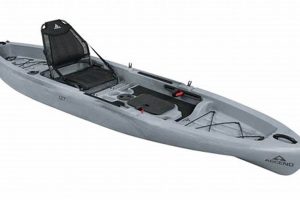
Competitive angling events held within the Tampa Bay estuary system, utilizing kayaks as the sole means of watercraft, offer a unique blend of sport and environmental engagement. These events typically involve anglers competing to catch the largest or most numerous fish within designated species and timeframes, often with prizes awarded for various categories.
These competitions promote conservation awareness by encouraging catch-and-release practices and adherence to strict regulations. They also contribute to the local economy through tourism and related expenditures. Furthermore, the accessibility of kayak fishing broadens participation in competitive angling, fostering a sense of community among participants of diverse skill levels. The growing popularity of such events reflects a rising interest in sustainable and accessible outdoor recreation.
This article will explore key aspects of competitive kayak angling within the Tampa Bay region, including popular target species, tournament formats, essential gear and regulations, and the growing impact of these events on the local ecosystem and community.
Tips for Competitive Kayak Angling in Tampa Bay
Success in competitive kayak fishing requires careful preparation and strategic execution. The following tips offer guidance for maximizing performance and enhancing the overall tournament experience within the Tampa Bay environment.
Tip 1: Pre-Fishing Scouting: Thoroughly research potential fishing locations prior to the tournament. Identifying key habitats, such as grass flats, mangrove shorelines, and oyster bars, is crucial for locating target species. Observing tidal flows and prevailing winds can also significantly influence fishing strategies.
Tip 2: Tackle and Equipment Optimization: Ensure all fishing gear is in optimal condition. Rods, reels, lines, and lures should be specifically chosen for the target species and the expected fishing conditions. A well-organized kayak setup with readily accessible tackle is essential for efficient fishing during the limited tournament timeframe.
Tip 3: Weather Awareness and Safety: Tampa Bay weather can be unpredictable. Monitor forecasts closely and be prepared for changing conditions. Essential safety equipment, including a personal flotation device (PFD), a whistle, and a communication device, should always be carried and readily accessible.
Tip 4: Species-Specific Techniques: Understanding the behavior and preferred habitats of target species is critical. Employing appropriate fishing techniques, such as sight casting for redfish on shallow flats or drifting live bait for snook along mangrove edges, increases the chances of success.
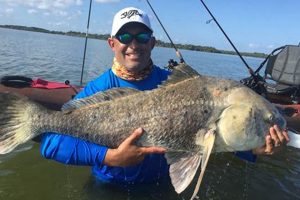
Tip 5: Efficient Fish Handling and Measurement: Proper and efficient handling of fish is crucial, especially in catch-and-release tournaments. Minimizing stress on the fish ensures their survival after release. Accurate and rapid measurement techniques are also essential for competitive scoring.
Tip 6: Tournament Rules and Regulations: Familiarize oneself thoroughly with all tournament rules and regulations, including permitted fishing areas, species restrictions, and size limits. Adhering to these rules ensures fair competition and maintains the integrity of the event.
By adhering to these guidelines, anglers can improve their competitive performance, contribute to the conservation of Tampa Bay’s fisheries, and enhance their overall tournament experience.
These tips provide a foundation for successful competitive kayak angling in Tampa Bay. The following sections will further detail specific strategies and techniques for targeting popular game fish within the region.
1. Competition

Competition serves as the driving force behind Tampa Bay kayak fishing tournaments. It provides the structure and framework within which anglers test their skills, knowledge, and strategies against one another. The inherent competitive nature of these events encourages participants to refine their techniques, pushing them to achieve peak performance in pursuit of victory. This competitive drive contributes to the overall advancement of kayak fishing, stimulating innovation in tackle, tactics, and approaches to fish location and capture. For example, the pressure of competition may lead anglers to explore less-conventional fishing grounds or experiment with novel lure presentations. The results, often shared within the community, contribute to the collective knowledge base and elevate the overall skill level of participants.
Furthermore, the format of competition varies across tournaments, influencing the nature of the challenge. Some tournaments emphasize the total weight of fish caught, while others prioritize the length of a single fish. These different formats require participants to adapt their strategies accordingly. A tournament focused on total weight might incentivize anglers to target numerous smaller fish, while a big fish format encourages the pursuit of trophy specimens. This diversity in competition structures ensures a dynamic and engaging experience for participants with varying skill sets and preferences. For instance, a skilled angler targeting snook might prioritize specific lures and locations known for producing larger specimens in a big fish competition. In contrast, another angler might focus on areas with higher concentrations of smaller redfish or trout in a weight-based tournament.
Understanding the role and influence of competition within Tampa Bay kayak fishing tournaments is crucial for both participants and observers. It provides insight into the motivations, strategies, and behaviors of anglers, illuminating the dynamics of this growing sport. Recognizing the nuances of different competition formats enhances appreciation for the skill and dedication required for success. Ultimately, the competitive element contributes to the overall excitement and dynamism of these events, attracting anglers and spectators alike, and fostering a vibrant and evolving community of kayak fishing enthusiasts.
2. Kayak Angling

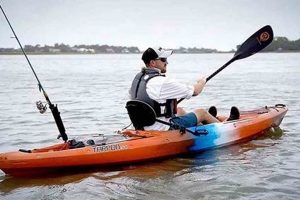
Kayak angling forms the foundational element of Tampa Bay kayak fishing tournaments. It represents a specialized form of fishing where the kayak serves as the primary platform for accessing and navigating fishing grounds. The unique characteristics of kayak angling significantly influence the strategies, techniques, and overall experience within a competitive tournament setting.
- Stealth and Accessibility:
Kayaks offer a stealthy approach, allowing anglers to access shallow, secluded areas often inaccessible to larger vessels. This advantage is particularly relevant in Tampa Bay, with its extensive shallow flats, mangrove shorelines, and backwater creeks. In a tournament context, this stealth can be crucial for targeting wary fish like redfish or snook in their preferred habitats. The ability to navigate quietly through shallow water provides a competitive edge, maximizing opportunities for successful catches.
- Maneuverability and Control:
Kayaks provide exceptional maneuverability, allowing anglers to precisely position themselves for optimal casting and fish fighting. This control is essential when navigating complex shorelines, swift currents, or windy conditions common in Tampa Bay. During tournaments, precise boat control enables anglers to effectively present lures to target areas and efficiently manage hooked fish, minimizing lost time and maximizing catch rates.
- Physical Engagement and Challenge:
Kayak angling requires a degree of physical exertion, adding a unique dimension to the fishing experience. Paddling to fishing locations and maneuvering within the environment adds a physical challenge to the competitive element. This physical engagement can be demanding, particularly during long tournament days, and contributes to the sense of accomplishment associated with successful kayak fishing.
- Equipment Specialization:
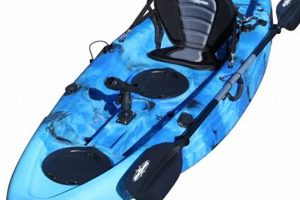
Kayak fishing necessitates specialized equipment designed for the unique demands of the sport. Rod holders, anchor systems, and fish finders adapted for kayak use are essential for effective angling. In the context of tournaments, optimized equipment setups contribute to efficiency and success. For example, a well-organized tackle system allows for quick lure changes, maximizing fishing time and increasing the chances of landing a winning catch.
These facets of kayak angling directly influence the dynamics of Tampa Bay kayak fishing tournaments. The stealth and maneuverability of kayaks shape tournament strategies, while the physical demands and specialized equipment contribute to the overall challenge and complexity. Understanding these interconnected elements provides a deeper appreciation for the skill and dedication required for competitive kayak angling in the dynamic waters of Tampa Bay.
3. Tampa Bay Location

The Tampa Bay estuary system plays a pivotal role in shaping the character and significance of kayak fishing tournaments held within its boundaries. The unique ecological characteristics of this environment directly influence target species, fishing techniques, tournament logistics, and the overall angler experience.
The diverse habitats within Tampa Bay, including seagrass beds, mangrove forests, oyster reefs, and deep channels, support a rich variety of game fish. This diversity provides tournament organizers with a wide selection of potential target species, ranging from redfish and snook in the shallows to tarpon and kingfish in deeper waters. The abundance and variety of fish populations contribute to the attractiveness of Tampa Bay as a premier destination for competitive kayak angling. For instance, the shallow flats near Weedon Island are known for their redfish populations, making them a likely focal point for tournaments targeting this species. Similarly, the deeper channels around the Sunshine Skyway Bridge offer opportunities for pelagic species like kingfish, influencing tournament formats that cater to offshore kayak angling.
The geographical layout of Tampa Bay, with its intricate network of islands, channels, and protected bays, presents both opportunities and challenges for tournament organizers. The expansive nature of the estuary allows for the establishment of diverse fishing zones, catering to different target species and angling preferences. However, this complexity also requires careful planning and logistical coordination to ensure angler safety and fair competition. Tournament organizers must consider factors such as tidal currents, wind patterns, and access points when designing tournament boundaries and rules. The shallow nature of many areas within Tampa Bay also necessitates the use of kayaks, which provide the maneuverability and shallow draft required to effectively access prime fishing grounds. This reinforces the central role of kayak angling in Tampa Bay tournaments.
Understanding the intimate connection between the Tampa Bay location and the structure of kayak fishing tournaments is essential for appreciating the nuances of these events. The ecological richness, geographical complexity, and accessibility challenges of the estuary shape the format, target species, and overall angler experience. This understanding enhances the value and significance of competitive kayak angling within the Tampa Bay region, highlighting its unique character and contribution to the broader sport fishing community.
4. Target Species

Target species play a crucial role in defining the structure and strategy of Tampa Bay kayak fishing tournaments. The selection of target species influences tournament rules, angler preparation, and the overall competitive landscape. The diverse fish populations within Tampa Bay provide a range of options for tournament organizers, each presenting unique challenges and opportunities. For example, a tournament focusing on redfish might emphasize shallow-water techniques and sight-casting, while a snook tournament could involve fishing mangrove shorelines and utilizing live bait. The specific target species dictates the optimal equipment, tactics, and locations anglers will focus on during the competition. This specialization influences pre-tournament scouting efforts and the development of effective tournament strategies.
The chosen target species also impacts the ecological considerations of a tournament. Catch-and-release practices are often emphasized to ensure the sustainability of target populations. Regulations regarding size limits and bag limits for specific species are integral to tournament rules, promoting conservation and responsible angling practices. For instance, tournaments targeting snook during their spawning season might implement stricter catch-and-release protocols to protect breeding populations. Similarly, tournaments focusing on redfish might incorporate specific size restrictions to safeguard the juvenile fish crucial for future stock replenishment. Understanding the biological characteristics and conservation status of target species is therefore essential for responsible tournament organization and angler participation.
In summary, the selection of target species is a critical factor in the design and execution of Tampa Bay kayak fishing tournaments. It influences angler strategies, tournament regulations, and conservation efforts. Recognizing the connection between target species and the broader framework of these tournaments provides valuable insights for participants and organizers alike. This understanding promotes both competitive success and the long-term health of the Tampa Bay fishery, ensuring the sustainability and enjoyment of these events for future generations.
5. Regulations and Rules
Regulations and rules form the backbone of Tampa Bay kayak fishing tournaments, ensuring fair competition, promoting conservation, and upholding the integrity of the sport. These guidelines govern various aspects of the tournaments, from participant conduct and fishing practices to species-specific regulations and boundary limitations. Adherence to these established rules is crucial for maintaining the sustainability of the fishery and fostering a positive competitive environment.
- Species-Specific Regulations:
Regulations often dictate size limits, bag limits, and permitted fishing methods for specific target species. For example, snook may have a slot size limit, allowing only fish within a specific size range to be harvested, while redfish might have a bag limit restricting the number an angler can keep. These rules aim to protect vulnerable populations, ensuring the long-term health of the fishery. In Tampa Bay, these regulations are often aligned with those established by the Florida Fish and Wildlife Conservation Commission (FWC).
- Boundary Limitations:
Tournament boundaries define the permitted fishing areas within Tampa Bay. These boundaries may encompass specific zones known for particular species or exclude sensitive habitats like seagrass beds or spawning areas. Adhering to these boundaries is essential for fair competition and minimizing environmental impact. GPS technology is often employed to monitor angler locations and ensure compliance with designated fishing zones. Boundary limitations also contribute to the logistical management of the tournament, facilitating efficient weigh-ins and ensuring angler safety.
- Permitted Fishing Methods:
Regulations may specify permitted fishing methods, such as artificial lures only or restrictions on the use of live bait. These rules aim to create a level playing field and promote specific angling skills. For instance, a tournament might restrict the use of live bait to encourage artificial lure techniques, challenging anglers to demonstrate their proficiency in these methods. These restrictions also contribute to conservation efforts by reducing the impact on forage species and minimizing the potential for accidental catch of non-target species.
- Ethical Conduct and Sportsmanship:
Regulations often address ethical conduct and sportsmanship, promoting a positive and respectful competitive environment. Rules may prohibit interfering with other anglers, require proper handling of fish for catch-and-release, and mandate adherence to general boating safety guidelines. Promoting ethical behavior ensures a fair and enjoyable experience for all participants while upholding the values of responsible angling.
These regulations and rules, when effectively implemented and adhered to, contribute to the overall success and sustainability of Tampa Bay kayak fishing tournaments. They provide a framework for fair competition, protect the valuable fish populations within the estuary, and foster a culture of responsible angling. By understanding and respecting these guidelines, anglers contribute to the long-term health of the fishery and ensure the continued enjoyment of these events for years to come.
6. Conservation Efforts
Conservation efforts are intrinsically linked to the sustainability and long-term viability of Tampa Bay kayak fishing tournaments. These tournaments, while providing recreational and economic benefits, also bear a responsibility to minimize their environmental impact and actively contribute to the preservation of the bay’s delicate ecosystem. Integrating conservation principles into tournament structures and practices ensures the continued health of fish populations and the overall ecological integrity of Tampa Bay, allowing future generations to enjoy the sport.
- Catch-and-Release Practices:
Catch-and-release is a cornerstone of conservation in fishing tournaments. It involves quickly and carefully unhooking caught fish and returning them to the water with minimal stress. This practice minimizes mortality rates, preserving breeding populations and maintaining the overall health of the fishery. Many tournaments employ weigh-in stations with live wells and trained personnel to ensure the proper handling and release of fish. Furthermore, some tournaments utilize photo or video verification of catches, further reducing the need to handle fish. This emphasis on catch-and-release reflects a growing awareness of the importance of preserving fish populations for future generations.
- Habitat Preservation and Restoration:
Tampa Bay kayak fishing tournaments often contribute to habitat preservation and restoration efforts. Some tournaments partner with local environmental organizations to support initiatives like mangrove planting or seagrass restoration projects. These initiatives directly benefit the bay’s ecosystem, providing essential nursery habitats for juvenile fish and enhancing overall biodiversity. Furthermore, educating participants about the importance of habitat conservation raises awareness and fosters a sense of stewardship among anglers, encouraging responsible use of the resource. By actively participating in habitat restoration, tournaments contribute directly to the long-term health of the Tampa Bay ecosystem.
- Water Quality Monitoring and Advocacy:
Water quality is paramount to a healthy fishery. Some tournaments incorporate water quality monitoring initiatives, collecting data on parameters like dissolved oxygen, salinity, and temperature. This data can be used to identify potential pollution sources and inform management decisions aimed at improving water quality within the bay. Furthermore, tournaments can serve as platforms for advocating for policies and practices that protect water quality, such as reducing nutrient runoff or promoting responsible wastewater management. By raising awareness and engaging in advocacy, tournaments contribute to the broader effort to maintain a healthy and thriving aquatic environment.
- Responsible Waste Management:
Minimizing pollution from discarded fishing line, tackle, and other debris is crucial for maintaining the health of Tampa Bay. Tournaments often promote responsible waste management practices, providing designated disposal areas for fishing line and encouraging participants to pack out any trash generated during the event. This focus on minimizing environmental impact reinforces the principles of responsible angling and contributes to the overall cleanliness and health of the bay. Furthermore, partnering with local organizations for cleanup initiatives demonstrates a commitment to environmental stewardship and engages participants in direct conservation action.
These conservation efforts demonstrate the commitment of Tampa Bay kayak fishing tournaments to environmental sustainability. By integrating these practices into their operations, tournaments not only contribute to the preservation of the bay’s ecosystem but also foster a culture of responsible angling within the community. This commitment ensures that future generations can continue to enjoy the recreational and economic benefits provided by a healthy and thriving Tampa Bay fishery.
7. Community Engagement

Community engagement serves as a vital component of Tampa Bay kayak fishing tournaments, fostering connections between anglers, local businesses, and environmental organizations. These tournaments often act as catalysts for community building, promoting camaraderie among participants while generating economic benefits and supporting local conservation initiatives. The interwoven nature of these events creates a positive feedback loop, where increased community involvement leads to greater tournament success, which in turn further strengthens community bonds and support.
Local businesses, recognizing the economic benefits associated with tournament participation and tourism, often sponsor these events. This sponsorship provides essential financial support for tournament organization, contributing to prize pools, logistical arrangements, and marketing efforts. In return, businesses gain exposure to a dedicated audience of anglers and outdoor enthusiasts, fostering brand loyalty and driving sales. Restaurants, tackle shops, and kayak outfitters are among the businesses that frequently benefit from this symbiotic relationship. For example, a local tackle shop might sponsor a tournament by providing prizes or discounts to participants, generating increased foot traffic and sales. Similarly, restaurants near tournament launch sites often experience increased business during tournament weekends. This economic ripple effect demonstrates the tangible benefits of community engagement for local businesses.
Furthermore, Tampa Bay kayak fishing tournaments often partner with environmental organizations to promote conservation awareness and support local restoration projects. Tournaments provide platforms for educating participants about the importance of habitat preservation, responsible fishing practices, and water quality protection. They also offer opportunities for direct involvement in conservation initiatives, such as mangrove planting or coastal cleanup events. This collaboration strengthens the connection between the angling community and environmental stewardship, fostering a shared responsibility for protecting the bay’s valuable resources. For example, a tournament might partner with a local environmental group to organize a post-tournament cleanup event, removing debris from shorelines and waterways. This joint effort not only benefits the environment but also reinforces the anglers’ commitment to conservation, creating a sense of collective responsibility for the health of Tampa Bay.
In conclusion, community engagement plays a pivotal role in the success and sustainability of Tampa Bay kayak fishing tournaments. By fostering connections between anglers, businesses, and environmental organizations, these events create a positive feedback loop, generating economic benefits, promoting conservation awareness, and strengthening community bonds. This interconnectedness highlights the importance of community engagement as a key component of these tournaments, ensuring their continued viability and positive impact on the Tampa Bay region.
Frequently Asked Questions
This section addresses common inquiries regarding competitive kayak angling within the Tampa Bay region. The information provided aims to clarify regulations, address logistical concerns, and offer insights into the nature of these events.
Question 1: Are there specific license requirements for participating in these tournaments?
A valid Florida saltwater fishing license is generally required for participation, unless an individual qualifies for an exemption. Consulting the Florida Fish and Wildlife Conservation Commission (FWC) website provides comprehensive details regarding license requirements and exemptions.
Question 2: What types of kayaks are typically used in these competitions?
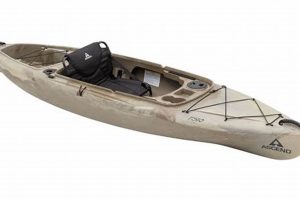
While specific kayak models vary among participants, sit-on-top kayaks are generally preferred for their stability and ease of access. Fishing-specific kayaks often come equipped with features like rod holders, anchor trolleys, and live wells, enhancing angling efficiency.
Question 3: How are tournament boundaries enforced and monitored?
Tournament organizers often utilize GPS tracking devices or designated check-in points to monitor participant adherence to designated boundaries. Specific enforcement mechanisms vary depending on the tournament’s structure and rules.
Question 4: What safety precautions should be taken during a kayak fishing tournament?
Wearing a personal flotation device (PFD), carrying a whistle, and having a communication device are essential safety measures. Monitoring weather forecasts and being aware of tidal currents are also crucial for safe navigation within Tampa Bay.
Question 5: How are fish typically measured and weighed during these events?
Tournaments often employ standardized measuring boards and scales to ensure accurate and consistent recording of fish lengths and weights. Specific procedures may vary depending on the tournament format and target species. Digital photography and video verification are also increasingly common.
Question 6: How can one find information about upcoming kayak fishing tournaments in Tampa Bay?
Online resources, local tackle shops, and kayak fishing clubs often provide information regarding upcoming tournaments. Consulting local fishing forums and social media groups dedicated to kayak fishing can also be helpful.
Careful consideration of these frequently asked questions contributes to a more informed and successful tournament experience. Understanding the regulations, logistical procedures, and safety considerations associated with these events enhances angler preparedness and promotes responsible participation.
For further information regarding specific tournament details, contacting the respective tournament organizers is recommended.
Tampa Bay Kayak Fishing Tournaments
Competitive kayak angling within the Tampa Bay estuary system represents a multifaceted pursuit, encompassing sporting competition, ecological awareness, and community engagement. This article has explored the diverse elements contributing to the unique character of these events, from the specific target species and specialized angling techniques to the importance of regulations, conservation efforts, and the economic impact on the local community. The dynamic interplay of these factors underscores the significance of these tournaments within the broader context of recreational fishing and environmental stewardship.
The continued growth and evolution of Tampa Bay kayak fishing tournaments necessitate a sustained commitment to responsible angling practices and environmental conservation. Striking a balance between competitive pursuits and ecological preservation ensures the long-term health of the fishery and the enduring appeal of these events for future generations. Engaging all stakeholders, from individual anglers to tournament organizers and local businesses, in this collective endeavor is crucial for safeguarding the valuable resources of Tampa Bay while fostering a vibrant and sustainable angling community.