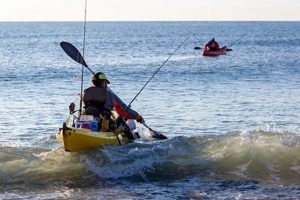
Angling from a kayak offers diverse experiences depending on the water’s salinity. Inland waterways, such as lakes and rivers, provide opportunities to pursue species like bass, trout, and catfish. Coastal areas and oceans, on the other hand, allow anglers to target saltwater fish such as redfish, snook, and tarpon. The choice between freshwater and saltwater environments significantly influences the required equipment, fishing techniques, and target species.
This accessible and versatile form of fishing offers a unique connection with nature, allowing closer proximity to the water and its inhabitants. It promotes physical activity and can be enjoyed by individuals of varying skill levels. Historically, kayaks have played a vital role in fishing cultures worldwide, evolving from essential tools for sustenance to popular recreational vessels. Modern designs and materials now offer increased stability, comfort, and specialized features for anglers.
This exploration will delve into the specifics of equipping for both freshwater and saltwater kayak angling, discuss appropriate fishing techniques, highlight popular target species, and emphasize safety considerations for a rewarding and safe experience on the water.
Tips for Kayak Angling
Proper planning and preparation are crucial for a successful and safe kayak fishing excursion. The following tips offer guidance for anglers of all skill levels.
Tip 1: Research and understand local regulations. Fishing licenses, catch limits, and permitted fishing methods vary by location and species. Consulting local authorities ensures compliance and contributes to sustainable fishing practices.
Tip 2: Choose appropriate safety gear. A personal flotation device (PFD) is essential and should be worn at all times. A whistle, signaling mirror, and communication device are recommended for emergencies. Inform someone of the fishing plan and expected return time.
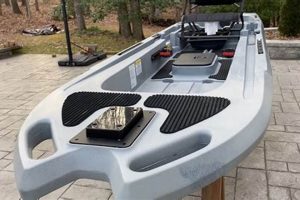
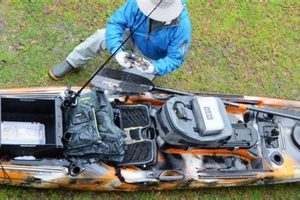
Tip 3: Select the right kayak and equipment. Kayak selection depends on the fishing environment. Sit-on-top kayaks are generally preferred for warmer climates and offer greater stability. Sit-inside kayaks provide better protection from the elements in colder conditions. Equip the kayak with appropriate rod holders, tackle storage, and an anchor.
Tip 4: Plan fishing strategies based on target species and location. Research the habits and preferred habitats of target fish species. Consider factors such as water depth, current, and structure when selecting fishing locations. Use appropriate lures, baits, and fishing techniques for the targeted species.
Tip 5: Practice proper paddling and maneuvering techniques. Efficient paddling conserves energy and allows for effective navigation. Learning basic kayak maneuvering techniques enhances control and safety on the water.
Tip 6: Prioritize environmental responsibility. Practice catch-and-release whenever possible, handling fish with care to minimize stress and ensure their survival. Dispose of fishing line and other waste properly to protect the aquatic environment.
Tip 7: Check weather conditions before embarking. Avoid fishing in adverse weather conditions such as strong winds, lightning storms, or extreme temperatures. Be prepared for changing conditions and have a plan for a safe return if necessary.
Adhering to these guidelines enhances safety, increases fishing success, and promotes responsible angling practices. These preparations contribute significantly to an enjoyable and rewarding experience on the water.
By following these tips and continuing to learn, anglers can refine their skills and deepen their appreciation for this unique and engaging sport. The combination of skill, knowledge, and respect for the environment ensures a sustainable and fulfilling pursuit of kayak angling.
1. Location Choice

Location choice stands as a pivotal factor in kayak fishing, profoundly influencing the overall experience and potential success. The selection of a freshwater or saltwater environment determines the target species available, necessitates specific gear adjustments, and presents unique challenges related to water conditions and navigation. The decision hinges upon angler preferences, target species, and desired level of challenge.
Freshwater environments, such as lakes, rivers, and ponds, offer opportunities to pursue species like bass, trout, catfish, and panfish. These locations often involve navigating shallower waters, maneuvering through vegetation, and contending with currents and river flow. For instance, targeting bass in a heavily vegetated lake demands a kayak with excellent maneuverability and a shallow draft, while river fishing requires an understanding of current patterns and eddy formations. Conversely, saltwater environments, including oceans, bays, and estuaries, provide access to species like redfish, snook, tarpon, and various offshore game fish. These locations often present greater challenges related to tides, currents, wind, and waves. Fishing offshore for pelagic species like tuna or mahi-mahi necessitates a seaworthy kayak, specialized tackle, and advanced navigational skills.
Careful consideration of location-specific factors, such as water clarity, depth, temperature, and prevailing weather patterns, proves essential for optimizing fishing success and ensuring safety. Understanding these nuances allows anglers to choose appropriate tackle, employ effective fishing techniques, and anticipate potential challenges. Ultimately, informed location choice lays the foundation for a rewarding and productive kayak fishing experience.
2. Species Targeted

The species an angler targets directly influences the choice between freshwater and saltwater kayak fishing. Each environment hosts a unique array of fish species, each with specific habitat preferences, feeding patterns, and behavioral characteristics. Understanding these distinctions is crucial for effective tackle selection, fishing technique implementation, and overall angling success.
- Freshwater Species
Freshwater environments offer diverse targets, from the aggressive strikes of largemouth bass in vegetated lakes to the subtle takes of trout in clear, flowing rivers. Other common freshwater targets include catfish, crappie, and various panfish species. Targeting these species often involves lighter tackle, finesse presentations, and an understanding of river currents or lake structures. For example, fly fishing for trout may necessitate a specialized kayak setup designed for wading and delicate presentations, while pursuing bass might involve using heavier lures and lines suited for casting near cover.
- Saltwater Species
Saltwater kayak fishing presents opportunities to pursue a range of species, from inshore targets like redfish and snook in estuaries to offshore game fish such as tuna, mahi-mahi, and marlin. Saltwater fishing typically requires heavier tackle, stronger lines, and specialized equipment to handle larger, more powerful fish and challenging ocean conditions. Offshore kayak anglers often utilize trolling techniques, while inshore anglers might employ live bait or artificial lures depending on the target species and prevailing conditions. The choice of kayak also varies significantly; smaller, more maneuverable kayaks suit inshore fishing, while larger, more stable offshore kayaks are essential for navigating open waters.
- Habitat Considerations
Understanding the preferred habitats of target species is paramount for successful kayak angling. Freshwater species like bass often congregate around structures such as submerged logs, weed beds, and drop-offs. Saltwater species, like redfish, might be found in shallow grass flats or oyster beds, while pelagic fish like tuna roam open ocean waters. Knowledge of these habitat preferences informs location selection and influences the choice of fishing techniques. For example, anglers targeting bass in a weedy lake might employ weedless lures and specialized retrieval techniques, while those seeking redfish on shallow flats might use sight-fishing methods and shallow-draft kayaks.
- Conservation Practices
Regardless of the species targeted, responsible angling practices, such as adhering to catch limits and employing proper catch-and-release techniques, are crucial for preserving fish populations and maintaining healthy ecosystems. Specific conservation regulations may apply to certain species, especially those considered vulnerable or threatened. Anglers should familiarize themselves with local regulations and best practices for handling and releasing fish to minimize stress and ensure their survival. Promoting ethical angling and conservation awareness ensures the long-term sustainability of kayak fishing and protects the valuable aquatic resources it depends upon.
The targeted species dictates not only the location and tackle but also the overall angling experience. From the quiet pursuit of trout in a serene river to the exhilarating battle with a powerful tuna in the open ocean, the diversity of species available in both freshwater and saltwater environments offers a wealth of opportunities for kayak anglers of all skill levels. By understanding the specific needs and characteristics of target species, anglers can enhance their success and cultivate a deeper appreciation for the sport.
3. Equipment Selection

Equipment selection holds paramount importance in kayak fishing, with choices directly impacting safety, efficiency, and overall success. The distinct demands of freshwater and saltwater environments necessitate careful consideration of specialized gear tailored to specific conditions and target species. Understanding the nuances of equipment selection is crucial for optimizing performance and ensuring a rewarding angling experience.
- Kayak Choice
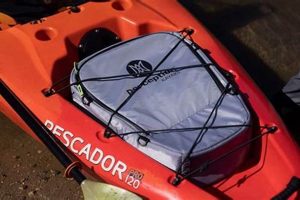
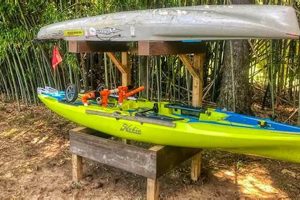
Kayak selection hinges on the intended fishing environment. Shorter, lighter kayaks offer maneuverability in calm freshwater settings like ponds and small rivers, while longer, more stable kayaks are better suited to open water and challenging conditions encountered in larger lakes, coastal areas, and oceans. Specialized fishing kayaks often feature built-in rod holders, storage compartments, and anchor systems. Sit-on-top kayaks are generally preferred for warmer climates due to their self-bailing design, while sit-inside kayaks offer better protection from the elements in colder environments. Material considerations include durability, weight, and UV resistance.
- Paddle Selection
Paddle choice impacts paddling efficiency and comfort. Paddle length depends on factors such as angler height, kayak width, and paddling style. Lightweight paddles reduce fatigue during long paddling sessions. Blade shape influences stroke power and efficiency. Materials range from durable aluminum and fiberglass to lighter, higher-performance carbon fiber options. A well-chosen paddle enhances maneuverability, conserves energy, and contributes to a more enjoyable experience on the water.
- Rods and Reels
Rod and reel selection depends on the target species and fishing techniques employed. Lighter rods and reels are suitable for smaller freshwater species, while heavier tackle is necessary for larger saltwater game fish. Rod action and power ratings influence casting distance, lure presentation, and fish-fighting capability. Spinning reels offer versatility for various techniques, while baitcasting reels provide greater control and power for heavier lines. Fly fishing setups require specialized rods, reels, and lines designed for delicate presentations and specific fly fishing techniques.
- Fishing Tackle and Accessories
Fishing tackle and accessories vary widely depending on the target species and environment. Freshwater anglers might utilize lures, baits, hooks, weights, and bobbers tailored to specific fish species and fishing locations. Saltwater anglers often employ heavier tackle, including saltwater-resistant hooks, lures, and leaders designed to withstand the corrosive effects of saltwater. Essential accessories include a tackle box, pliers, line cutters, a fish finder, a GPS unit, and appropriate safety gear such as a personal flotation device (PFD), a whistle, and a signaling device.
Appropriate equipment selection directly correlates with fishing success and overall enjoyment. The careful consideration of kayak type, paddle characteristics, rod and reel combinations, and specialized fishing tackle tailored to the specific demands of freshwater and saltwater environments empowers anglers to effectively pursue their target species while ensuring safety and maximizing the efficiency of their efforts. Informed equipment choices transform kayak fishing from a simple pastime into a rewarding and fulfilling pursuit.
4. Safety Precautions

Safety stands as a paramount concern in kayak fishing, demanding careful planning and diligent execution regardless of experience level or chosen environment. Freshwater and saltwater environments each present unique hazards, necessitating specific precautions to mitigate risks and ensure angler well-being. A comprehensive understanding of potential dangers and proactive safety measures forms the foundation of a responsible and enjoyable kayak fishing experience. Neglecting these precautions can lead to serious incidents, jeopardizing angler safety and potentially impacting others on the water.
- Personal Flotation Devices (PFDs)
Wearing a properly fitted and U.S. Coast Guard-approved PFD is non-negotiable. PFDs provide essential buoyancy in the event of capsizing or accidental immersion, significantly increasing survival chances in various water conditions. Even strong swimmers can experience unexpected difficulties due to cold water shock, strong currents, or entanglement. Choosing a PFD designed for paddling comfort and mobility enhances compliance and ensures unrestricted movement while casting and reeling.
- Communication and Signaling Devices
Carrying reliable communication and signaling devices is crucial for summoning assistance in emergencies. A waterproof cell phone or VHF radio enables direct contact with rescue services. A whistle, signal mirror, and flares provide visual and auditory signals to attract attention over long distances. Informing someone on shore of the planned fishing route and estimated return time adds an extra layer of security. Regularly checking weather forecasts before and during outings allows for proactive adjustments to plans based on changing conditions, minimizing exposure to hazardous weather.
- Navigation and Awareness
Understanding navigational principles and maintaining situational awareness are critical for safe kayak fishing. Carrying a chart, compass, or GPS device aids in route planning and prevents disorientation, especially in unfamiliar waters or changing weather conditions. Awareness of potential hazards, such as boat traffic, submerged obstacles, changing tides, and strong currents, allows for proactive avoidance maneuvers. Maintaining a safe distance from motorized vessels and understanding navigational rules minimizes collision risks. Awareness of local weather patterns and potential changes is crucial for anticipating hazardous conditions and making informed decisions about continuing or returning to shore.
- Cold Water Safety and Hypothermia
Cold water presents specific risks, particularly in freshwater environments or during colder seasons. Dressing in appropriate layers, including insulating base layers and waterproof outer garments, provides protection against cold water immersion and hypothermia. Carrying extra clothing in a dry bag allows for changing into dry garments if needed. Understanding the symptoms of hypothermia, such as shivering, confusion, and loss of coordination, enables early recognition and prompt action. Carrying a first-aid kit equipped to address common injuries and emergencies further enhances preparedness. Knowledge of basic first-aid and CPR procedures proves invaluable in critical situations.
These safety precautions are interconnected and contribute synergistically to a comprehensive safety strategy. By implementing these measures consistently and adapting them to the specific challenges of freshwater and saltwater environments, kayak anglers significantly reduce risks, enhance their overall safety, and create the foundation for a responsible and enjoyable experience on the water. A proactive approach to safety ensures that each fishing trip remains focused on the enjoyment of the sport and the appreciation of the natural environment.
5. Kayak Stability
Kayak stability plays a crucial role in both freshwater and saltwater fishing environments, directly impacting angler safety, fishing effectiveness, and overall confidence on the water. A stable kayak platform allows for comfortable casting, reeling, and landing fish, while also providing a secure foundation for navigating varying water conditions. Understanding the factors that influence kayak stability is essential for informed decision-making and maximizing performance in diverse aquatic environments.
- Hull Design and Stability
Kayak hull design significantly influences stability. Wider, flatter hulls generally offer greater primary stability, providing a secure and predictable feel at rest. This design is well-suited to calmer waters and activities like still-fishing or photography. However, wider hulls can be less maneuverable and more susceptible to wind drift. Narrower hulls, while less stable initially, offer greater secondary stability, providing increased resistance to tipping as the kayak leans. This design excels in rougher conditions and dynamic paddling situations. Specialized hull designs, such as pontoon hulls or multi-hull configurations, offer enhanced stability but may compromise maneuverability or speed.
- Center of Gravity and Weight Distribution
The angler’s center of gravity and weight distribution within the kayak significantly affect stability. A lower center of gravity enhances stability, while a higher center of gravity increases the risk of tipping. Distributing weight evenly within the kayak improves balance and minimizes the likelihood of capsizing. Properly securing gear and equipment low in the kayak contributes to a lower center of gravity and enhances overall stability. Anglers should be mindful of their body movements and avoid sudden shifts in weight, especially when reaching for objects or fighting fish. Understanding the relationship between center of gravity and weight distribution is fundamental for maintaining balance and preventing capsizes.
- Water Conditions and Environmental Factors
Water conditions and environmental factors play a significant role in kayak stability. Calm, flat water presents fewer stability challenges compared to rough seas, strong currents, or windy conditions. Wind can significantly impact kayak stability, especially for lighter kayaks or those with higher profiles. Waves and currents can destabilize a kayak, requiring active paddling and maneuvering to maintain balance and avoid capsizing. Anglers should carefully assess water conditions before embarking on a fishing trip and choose a kayak appropriate for the anticipated conditions. Monitoring weather forecasts and adjusting plans based on changing conditions are crucial for ensuring safety and minimizing risks.
- Angler Experience and Skill
Angler experience and skill level significantly influence kayak stability and the ability to handle challenging conditions. Experienced anglers develop a sense of balance and intuitive understanding of how their movements affect kayak stability. They can anticipate and react to changing water conditions and maintain control in challenging situations. Novice anglers should practice paddling and maneuvering in calm, controlled environments before venturing into more demanding conditions. Taking kayak fishing lessons or joining a local paddling club provides valuable instruction and guidance on proper paddling techniques, safety procedures, and strategies for managing challenging water conditions.
Kayak stability forms an integral component of successful and safe kayak fishing in both freshwater and saltwater environments. Understanding the interplay between hull design, center of gravity, water conditions, and angler skill empowers informed equipment choices and promotes safe paddling practices. A stable kayak platform enhances angler confidence, improves fishing effectiveness, and allows for greater enjoyment of the sport. By prioritizing stability considerations, anglers mitigate risks and create a foundation for a rewarding and fulfilling experience on the water.
6. Fishing Techniques
Fishing techniques in kayak angling adapt significantly to the specific characteristics of freshwater and saltwater environments. The target species, water conditions, and available habitat influence the choice of fishing methods, requiring anglers to possess a versatile skill set and adapt their approach accordingly. Effective technique selection significantly impacts fishing success and contributes to a more rewarding experience on the water.
- Still-Fishing and Drifting
Still-fishing, a technique involving anchoring or positioning the kayak in a stationary location, proves effective in calmer waters, particularly in lakes, ponds, and slow-moving rivers. This method allows for precise bait placement and targeted fishing of specific structures or depths. Drifting, where the kayak moves naturally with the current or wind, covers more water and can be productive for species like trout or panfish. In saltwater environments, drifting can be effective for targeting species like flounder or redfish over shallow flats. Both techniques require careful attention to line management and sensitivity to bites.
- Casting and Retrieving
Casting and retrieving encompasses a wide range of techniques involving casting lures or bait and retrieving them through the water column. This dynamic approach allows anglers to cover a broader area and actively search for fish. In freshwater, this technique is commonly used for targeting bass, pike, and walleye. Saltwater applications include casting lures or bait for species like snook, redfish, and speckled trout. Variations in retrieval speed, lure action, and depth presentation cater to the specific feeding habits of target species. Mastery of casting accuracy and retrieval techniques maximizes lure effectiveness and increases the likelihood of enticing strikes.
- Trolling
Trolling, a technique involving dragging lures or bait behind a moving kayak, covers extensive water and effectively targets pelagic fish. This method is particularly popular in saltwater environments for pursuing species like tuna, mahi-mahi, and wahoo. In freshwater, trolling can be effective for targeting salmon, trout, and other open-water species. Trolling speed, lure selection, and line depth play crucial roles in attracting target species. Specialized trolling equipment, such as downriggers and planer boards, allows for precise depth control and presentation of multiple lures. Effective trolling requires careful attention to boat speed, line tension, and lure action to maximize effectiveness.
- Jigging and Bottom Fishing
Jigging and bottom fishing target species inhabiting deeper waters or those holding near the bottom. Jigging involves vertically presenting lures or bait near the bottom, attracting fish with the lure’s movement and vibration. This technique is effective for targeting bottom-dwelling species in both freshwater and saltwater environments. Bottom fishing utilizes weighted rigs and bait presented directly on the bottom, often targeting species like catfish, grouper, or snapper. Both techniques require sensitivity to bites and strong tackle to handle larger fish and challenging underwater structures. Understanding bottom contours, structure, and preferred habitats of target species maximizes the effectiveness of these techniques.
The selection of fishing techniques in kayak angling requires careful consideration of the target species, prevailing water conditions, and the specific characteristics of freshwater and saltwater environments. Adaptability and proficiency in a range of techniques allow anglers to maximize their success and enjoy the diverse challenges presented by these distinct aquatic ecosystems. By refining their skills and understanding the nuances of each technique, kayak anglers elevate their fishing prowess and cultivate a deeper appreciation for the complexities of the sport.
7. Environmental Awareness

Environmental awareness forms an integral component of responsible kayak fishing practices in both fresh and saltwater environments. The direct interaction with aquatic ecosystems necessitates a heightened understanding of ecological principles and the potential impacts of human activities on these fragile environments. Promoting environmental stewardship ensures the long-term health of aquatic resources and the sustainability of kayak fishing for future generations. Disregarding environmental considerations can lead to habitat degradation, reduced fish populations, and ultimately, the demise of the very ecosystems that support this recreational activity. The cause-and-effect relationship between human actions and environmental consequences underscores the crucial role of responsible angling practices.
Kayak anglers occupy a unique position to observe and appreciate the intricate balance of aquatic ecosystems. This vantage point provides a direct perspective on the impacts of pollution, habitat destruction, and unsustainable fishing practices. Witnessing these impacts firsthand fosters a sense of responsibility and encourages proactive environmental stewardship. Practical examples abound: discarded fishing line entangling wildlife, plastic debris accumulating in coastal marshes, and irresponsible anchoring practices damaging sensitive seagrass beds. These observations highlight the tangible consequences of human actions and emphasize the importance of minimizing negative impacts. Supporting conservation initiatives, participating in cleanup efforts, and advocating for responsible fishing regulations demonstrate tangible steps towards environmental protection. Choosing eco-friendly fishing gear, minimizing fuel consumption, and properly disposing of waste further exemplify practical applications of environmental awareness.
The understanding of environmental interconnectedness extends beyond immediate observations. The cumulative effects of seemingly small individual actions, when multiplied across a larger angling community, can exert significant positive or negative influences on aquatic ecosystems. Embracing a conservation-minded ethos within the kayak fishing community fosters a collective responsibility for environmental protection. This shared understanding translates into tangible actions, amplifying individual efforts and maximizing positive impact. Challenges such as invasive species, climate change, and increasing coastal development demand ongoing vigilance and adaptive strategies. By promoting education, fostering collaboration, and advocating for science-based conservation measures, kayak anglers contribute to the long-term health and resilience of aquatic environments. Ultimately, environmental awareness becomes not merely an adjunct to kayak fishing but rather a defining characteristic of a responsible and sustainable angling practice.
Frequently Asked Questions
This FAQ section addresses common inquiries regarding kayak fishing in both freshwater and saltwater environments. The information provided aims to clarify potential uncertainties and provide practical guidance for anglers of varying experience levels.
Question 1: What are the essential safety precautions for kayak fishing?
Wearing a personal flotation device (PFD) is paramount. Carrying a communication device (e.g., VHF radio, waterproof cell phone), signaling devices (whistle, mirror), and informing someone of the fishing plan are crucial. Checking weather forecasts and understanding local regulations are also essential safety practices.
Question 2: How does one choose between a freshwater and saltwater fishing kayak?
Kayak selection depends on the intended environment. Freshwater kayaks often prioritize maneuverability for navigating rivers and lakes, while saltwater kayaks emphasize stability and seaworthiness for handling ocean conditions. Consider specific features like rod holders, storage, and hull design based on fishing style and target species.
Question 3: What fishing techniques are most effective in each environment?
Freshwater techniques include still-fishing, drifting, casting and retrieving, and trolling. Saltwater techniques often involve trolling, bottom fishing, drifting, and sight-casting. Technique selection depends on target species and environmental conditions.
Question 4: What equipment is needed for kayak fishing?
Essential equipment includes a kayak, paddle, rod and reel appropriate for the target species, tackle (lures, baits, hooks, lines), and safety gear (PFD, communication device, signaling devices). Specialized equipment, like fish finders, GPS units, and anchors, may enhance the experience.
Question 5: How does one maintain environmental responsibility while kayak fishing?
Practicing catch-and-release whenever possible, minimizing fish handling, properly disposing of fishing line and other waste, and adhering to local regulations demonstrate environmental responsibility. Supporting conservation initiatives and promoting responsible angling practices within the community are crucial.
Question 6: What are the advantages of kayak fishing compared to other fishing methods?
Kayak fishing offers unique access to shallow waters and areas inaccessible to larger boats. It provides a close-to-nature experience, promotes physical activity, and offers an affordable and versatile approach to angling across diverse environments.
Understanding these aspects allows for informed preparation and contributes significantly to a safe, successful, and environmentally responsible kayak fishing experience.
Further exploration of specific techniques, species targeting, and location-based information can enhance angling proficiency and enjoyment within both freshwater and saltwater environments.
Fresh and Salty Kayak Fishing
Exploration of kayak angling across freshwater and saltwater environments reveals a multifaceted pursuit demanding careful consideration of location, species, equipment, techniques, and environmental stewardship. Successful navigation of these interconnected elements hinges on informed decision-making and adaptive strategies tailored to the specific challenges and opportunities presented by each unique aquatic ecosystem. From the tranquil stillness of a secluded lake to the dynamic energy of the open ocean, kayak fishing offers diverse pathways for connecting with nature and experiencing the thrill of the catch.
The future of kayak angling rests upon the continued embrace of responsible practices and a commitment to conservation. Preservation of aquatic habitats, respect for fish populations, and adherence to ethical angling principles ensure the sustainability of this rewarding pursuit for generations to come. Kayak anglers, equipped with knowledge, skill, and a deep appreciation for the natural world, hold a unique responsibility as stewards of these valuable resources. The pursuit of fresh and salty kayak fishing represents not merely a recreational activity but a profound connection with the aquatic realm, demanding respect, understanding, and a commitment to its enduring health.