This pursuit involves angling for sharks from a small, human-powered vessel. It typically requires specialized equipment and techniques adapted to the challenges and opportunities presented by this unique platform. Anglers might employ methods like drift fishing, bottom fishing, or even trolling, depending on the target species and environment.
The activity offers a thrilling and intimate connection with the marine environment. Its growing popularity stems from the blend of adventure, sport, and potential for close encounters with impressive predators. Historically, smaller watercraft have been employed for fishing across cultures, but the modern iteration combines this tradition with contemporary tackle and a focus on conservation-minded practices. Engaging in this activity responsibly can contribute to valuable data collection for research and promote greater understanding of these crucial apex predators.
Further exploration will cover essential topics such as safety precautions, appropriate gear selection, ethical considerations, and the impact on shark populations. This information is crucial for anglers interested in pursuing this activity responsibly and sustainably.
Tips for Kayak Shark Fishing
Preparation and careful consideration are essential for a safe and successful experience. The following tips offer guidance for anglers venturing into this demanding pursuit.
Tip 1: Prioritize Safety Equipment: A reliable personal flotation device, a VHF radio, and a signaling device (such as a flare) are non-negotiable for open-water fishing. Additional safety gear like a first aid kit, knife, and spare paddle should always be on board.
Tip 2: Choose Specialized Tackle: Heavy-duty rods, reels, lines, and leaders are necessary to handle powerful sharks. Circle hooks are recommended for minimizing harm to the fish.
Tip 3: Understand Local Regulations: Licenses and permits may be required, and specific regulations often govern shark fishing. Familiarization with these rules is crucial before embarking on any fishing expedition.
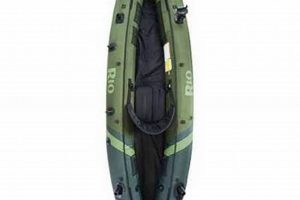
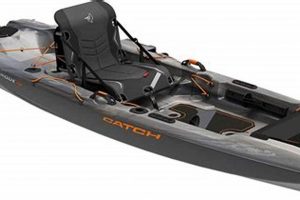
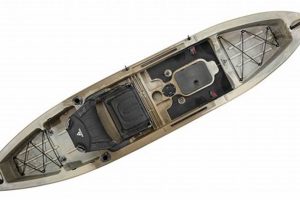
Tip 4: Employ Appropriate Kayak Selection: A stable and durable kayak, preferably designed for fishing, is essential. Sit-on-top kayaks offer advantages in maneuverability and self-rescue.
Tip 5: Implement Proper Catch and Release Techniques: Minimizing handling time and using specialized dehooking tools helps ensure the safe release of sharks. Cutting the leader close to the hook is often the best approach for larger species.
Tip 6: Practice Responsible Fishing: Adhering to catch limits, respecting size restrictions, and avoiding overfishing contribute to the long-term health of shark populations.
Tip 7: Monitor Weather and Sea Conditions: Checking forecasts and understanding tidal currents is crucial for a safe and productive outing. Avoid venturing out in rough seas or adverse weather.
Tip 8: Plan for Potential Encounters: Understanding shark behavior and having a plan for managing interactions minimizes risk and promotes safe angling practices.
Careful planning and execution are critical factors in successful and responsible kayak shark fishing. These practices maximize angler safety and contribute to the conservation of these vital marine species.
With these considerations in mind, anglers can approach this exciting activity with enhanced awareness and preparedness.
1. Ocean Kayak Selection

Appropriate kayak selection is paramount for successful and safe shark fishing. The vessel must provide a stable and maneuverable platform capable of handling the stresses of battling large, powerful fish in open water. Careful consideration of kayak characteristics directly influences angler safety and effectiveness.
- Stability
Stability is crucial for managing the unpredictable movements of a hooked shark. A wider hull and lower center of gravity contribute to greater stability, reducing the risk of capsizing during a fight. Specialized fishing kayaks often feature wider beams and outriggers to enhance stability. Insufficient stability compromises angler safety and control, increasing the likelihood of equipment loss or personal injury.
- Durability
Kayaks intended for shark fishing must withstand significant stress and potential impacts. Durable construction materials like high-density polyethylene (HDPE) or fiberglass offer enhanced resistance to punctures and damage from sharks or environmental factors. A robust hull is essential for maintaining vessel integrity during encounters with large fish.
- Maneuverability
Navigating ocean currents and following hooked sharks requires a kayak with responsive handling. Shorter kayaks generally offer greater maneuverability, allowing anglers to quickly change direction and position. Efficient maneuvering is essential for maintaining proper line tension and controlling the fight.
- Storage Capacity
Sufficient storage space is necessary for carrying essential equipment, including tackle, safety gear, and catch-and-release tools. Kayaks with dedicated storage compartments or ample deck space provide convenient access to essential items. Adequate storage contributes to organization and preparedness on the water.
The interplay of these factors determines a kayak’s suitability for shark fishing. Prioritizing stability, durability, maneuverability, and storage capacity ensures a safe and effective platform for engaging with these powerful predators in the open ocean. A well-chosen kayak significantly enhances the angler’s ability to manage the challenges and rewards of this demanding pursuit.
2. Specialized Tackle and Gear

Effective kayak shark fishing necessitates specialized tackle and gear capable of withstanding the extreme forces exerted by these powerful predators. Appropriate equipment selection directly influences angler safety and the successful capture and release of sharks. The following facets highlight crucial components of a specialized setup.
- Rods and Reels
Heavy-duty rods and reels designed for big-game fishing are essential for handling large sharks. These rods typically feature high-strength graphite or composite construction and substantial lifting power. Reels must possess high line capacity, smooth drag systems, and robust construction to withstand the strain of prolonged fights. Appropriate rod and reel combinations provide the necessary leverage and control for managing powerful runs and ensuring angler safety.
- Fishing Line and Leader
Strong, abrasion-resistant fishing line, often braided, is crucial for withstanding the sharp teeth and abrasive skin of sharks. Leaders, typically constructed from heavy monofilament or wire, provide additional protection against bite-offs. Line and leader strength must match the target species and anticipated fighting conditions. Adequate line and leader strength minimize the risk of line failure during critical moments.
- Hooks and Terminal Tackle
Circle hooks are the preferred choice for shark fishing due to their tendency to hook in the corner of the jaw, reducing the risk of internal injuries to the fish. Strong, corrosion-resistant hooks in appropriate sizes are essential for securing a solid hookset. Other terminal tackle, such as swivels and crimps, must also be heavy-duty to withstand the forces involved. Proper hook selection and robust terminal tackle contribute to successful catch and release practices.
- Specialized Tools and Accessories
Specialized tools, including dehookers, bolt cutters, and crimping pliers, facilitate efficient and safe handling of sharks during release. A sturdy landing net or tail rope can assist in controlling smaller sharks for tagging or removal of hooks. These tools minimize handling time and reduce stress on the fish. Efficient use of specialized tools contributes to responsible angling practices.
The synergy between these specialized components contributes to a safe and effective kayak shark fishing experience. Appropriate tackle selection maximizes angler safety and promotes the ethical treatment of these apex predators. Investing in robust and specialized gear is crucial for responsible engagement in this demanding pursuit.
3. Safety Procedures and Equipment

Safety procedures and equipment are paramount in kayak shark fishing due to the inherent risks associated with the activity. The open-ocean environment presents unpredictable conditions, and interactions with large, powerful predators necessitate meticulous preparation and a proactive approach to risk mitigation. Neglecting safety protocols significantly increases the likelihood of accidents, injuries, or even fatalities. For example, a sudden change in weather can create challenging sea conditions, emphasizing the need for reliable communication equipment and a well-defined emergency plan. Similarly, an angler losing balance during a shark’s powerful run highlights the critical role of a stable kayak and proper handling techniques.
Several key safety procedures enhance angler preparedness. Thorough pre-trip planning, including checking weather forecasts, informing someone of the intended fishing location and return time, and understanding local regulations, establishes a foundation for responsible angling. Regularly inspecting and maintaining equipment, such as ensuring the proper function of the VHF radio, personal flotation device (PFD), and signaling devices, minimizes the risk of equipment failure in critical situations. Practicing self-rescue techniques and understanding how to handle a capsized kayak in open water equips anglers to respond effectively to unexpected emergencies. Furthermore, carrying a comprehensive first-aid kit and having basic first-aid knowledge allows for prompt treatment of minor injuries or stabilization of more serious injuries until professional medical assistance can be obtained.
Understanding the vital connection between safety procedures and equipment and successful kayak shark fishing fosters a culture of responsible angling. Consistent adherence to safety protocols, combined with appropriate equipment selection and utilization, mitigates inherent risks and allows anglers to engage in this demanding activity with increased confidence and preparedness. This proactive approach not only safeguards individual well-being but also promotes the sustainable and ethical pursuit of this thrilling sport.
4. Target Shark Species Identification

Accurate target shark species identification is crucial for responsible and effective kayak shark fishing. Understanding the characteristics, behavior, and habitat preferences of different shark species informs appropriate gear selection, fishing techniques, and handling procedures. Misidentification can lead to unintentional targeting of protected species, improper handling techniques, or increased risk to the angler. Accurate identification also contributes to valuable data collection for research and conservation efforts.
- Species-Specific Regulations
Regulations regarding shark fishing often vary depending on the species. Some species may be protected, have size limits, or require specific handling and release procedures. For instance, regulations might prohibit the retention of certain species like great white sharks, while allowing the harvest of others, such as blacktip sharks, within established size limits. Accurate identification ensures compliance with these regulations and contributes to the sustainable management of shark populations.
- Gear and Tackle Selection
Different shark species exhibit varying sizes, strengths, and fighting behaviors. Targeting larger, more powerful species like bull sharks necessitates heavier tackle and stronger leaders compared to smaller species like bonnethead sharks. Matching gear to the target species maximizes angler safety and effectiveness while minimizing the risk of equipment failure or injury to the fish.
- Fishing Techniques and Bait Preferences
Certain shark species exhibit specific feeding preferences and behaviors. For example, bottom-dwelling species like nurse sharks might respond better to bait presented near the seabed, while pelagic species like mako sharks are more likely to be attracted to trolled lures. Understanding these preferences allows anglers to employ appropriate fishing techniques and bait choices to increase their chances of success while minimizing bycatch of non-target species.
- Handling and Release Procedures
Safe and effective handling procedures vary among shark species. Larger, more aggressive species might require specialized dehooking tools and cautious handling to minimize risk to both the angler and the shark. Smaller species might be safely handled by hand for tagging or hook removal. Correct species identification informs appropriate handling techniques, promoting safe release and minimizing stress on the fish.
The ability to accurately identify target shark species is integral to responsible and successful kayak shark fishing. This knowledge informs appropriate gear selection, fishing techniques, and handling procedures, enhancing both angler safety and conservation efforts. By integrating species identification into their practice, anglers contribute to the sustainable management of shark populations and the ethical pursuit of this challenging sport.
5. Ethical Catch and Release Practices

Ethical catch and release practices are paramount in kayak shark fishing, ensuring the long-term health and sustainability of shark populations. These practices minimize stress and injury to the captured sharks, maximizing their chances of survival upon release. In the context of kayak fishing, the close proximity to the animal and the limitations of the vessel necessitate meticulous handling techniques and a deep understanding of shark physiology.
- Minimizing Fight Time
Reducing the duration of the fight minimizes physiological stress on the shark. Using appropriate tackle and employing skillful angling techniques expedite the capture and subsequent release process. Prolonged fights deplete the shark’s energy reserves, increasing the risk of post-release mortality. Expediting the process demonstrates respect for the animal and contributes to its well-being.
- Proper Hook Removal Techniques
Utilizing specialized dehooking tools, such as long-handled pliers or circle hook removers, allows for efficient and safe hook removal. Minimizing handling time and avoiding contact with sensitive areas like the gills or eyes reduces stress and potential injury. In cases where the hook is deeply embedded or difficult to remove, cutting the leader close to the hook is often the best course of action. This approach prioritizes the shark’s welfare over the retrieval of fishing gear.
- Supporting the Shark During Handling
Supporting the shark’s body weight during handling, especially for larger species, reduces stress and prevents injury. If possible, keeping the shark in the water while removing the hook minimizes air exposure and facilitates a quicker recovery. For larger sharks that require removal from the water, supporting their body weight prevents internal organ damage and reduces the risk of spinal injuries. Gentle handling demonstrates a commitment to ethical treatment.
- Reviving Exhausted Sharks
Sharks exhausted from a prolonged fight may require revival before release. Gently moving the shark forward through the water allows oxygenated water to flow over its gills, aiding in recovery. Monitoring the shark’s behavior after release ensures it has regained sufficient strength to swim away unaided. This practice demonstrates a commitment to responsible angling and maximizes the shark’s chances of survival.
Integrating these ethical catch and release practices into kayak shark fishing protocols promotes conservation and ensures the sustainability of shark populations. Responsible anglers prioritize the well-being of these apex predators, understanding their crucial role in maintaining healthy marine ecosystems. By adhering to these practices, anglers contribute to the long-term viability of this exhilarating and demanding sport.
6. Local Regulations and Permitting
Adhering to local regulations and obtaining necessary permits is a non-negotiable aspect of responsible kayak shark fishing. Regulations vary significantly by jurisdiction and are designed to protect shark populations, ensure angler safety, and minimize environmental impact. Ignoring these regulations can result in fines, legal repercussions, and damage to fragile marine ecosystems. Understanding and complying with local regulations is essential for maintaining the sustainability of this activity and preserving the health of shark populations.
- Fishing Licenses and Permits
Most jurisdictions require specific fishing licenses and permits for shark fishing. These permits often stipulate allowed species, size limits, bag limits, and permitted fishing gear. For example, some areas may require a separate shark fishing permit in addition to a general saltwater fishing license. These permits help regulatory bodies monitor fishing activity and gather data on shark populations. Failure to obtain the necessary licenses and permits can result in penalties and jeopardize legal participation in the activity.
- Species-Specific Regulations
Regulations often target specific shark species to protect vulnerable or endangered populations. Certain species may be completely prohibited from harvest, while others may have strict size or bag limits. For instance, regulations might protect great white sharks due to their conservation status, while allowing the harvest of more abundant species like blacktip sharks within established limits. Understanding these species-specific regulations is crucial for avoiding unintentional violations and contributing to conservation efforts.
- Gear Restrictions
Some jurisdictions impose restrictions on the type of fishing gear permitted for shark fishing. These restrictions might include prohibitions on longlines, gill nets, or certain types of hooks. For example, the use of circle hooks might be mandated to reduce injury to released sharks. Adhering to gear restrictions minimizes bycatch, reduces stress on captured sharks, and promotes ethical fishing practices.
- Reporting Requirements
Certain areas require anglers to report their shark catches, providing data on species, size, and location. This information helps researchers monitor shark populations, track migration patterns, and assess the effectiveness of conservation measures. Accurate and timely reporting contributes to scientific understanding and informs management decisions related to shark fisheries. Participating in reporting programs demonstrates a commitment to responsible angling and supports ongoing conservation efforts.
Compliance with local regulations and permitting requirements is integral to the ethical and sustainable practice of kayak shark fishing. By understanding and adhering to these rules, anglers contribute to the long-term health of shark populations and the preservation of marine ecosystems. Responsible anglers prioritize compliance, recognizing its crucial role in maintaining the viability of this challenging and rewarding pursuit.
Frequently Asked Questions
This section addresses common inquiries regarding kayak shark fishing, providing concise and informative responses to clarify potential concerns and misconceptions.
Question 1: How dangerous is shark fishing from a kayak?
While inherently adventurous, the activity can be safely pursued with meticulous preparation and adherence to safety protocols. Understanding shark behavior, using appropriate equipment, and prioritizing safety measures significantly mitigate risks.
Question 2: What type of kayak is best suited for shark fishing?
Stable, durable, and maneuverable kayaks, preferably designed for fishing, are recommended. Sit-on-top kayaks offer advantages in self-rescue and handling larger fish. Sufficient storage capacity is also essential for carrying necessary gear.
Question 3: What specialized equipment is required for kayak shark fishing?
Heavy-duty rods, reels, lines, and leaders are crucial for handling powerful sharks. Circle hooks are recommended for minimizing harm to the fish. Specialized tools like dehookers, bolt cutters, and crimping pliers facilitate safe and efficient handling during release.
Question 4: Are there specific regulations governing shark fishing from a kayak?
Regulations vary by jurisdiction. Obtaining necessary licenses and permits, adhering to size and bag limits, and understanding species-specific regulations is essential for legal and responsible angling. Consulting local authorities ensures compliance.
Question 5: What are the ethical considerations associated with kayak shark fishing?
Minimizing fight time, employing proper hook removal techniques, supporting the shark’s body weight during handling, and reviving exhausted sharks before release are crucial ethical considerations. Prioritizing the well-being of the animal ensures sustainable practices.
Question 6: What are the potential environmental impacts of kayak shark fishing?
Responsible angling practices, such as adhering to catch limits and employing appropriate gear, minimize environmental impact. Participating in research and conservation efforts further contributes to the long-term health of shark populations and marine ecosystems.
Careful consideration of these frequently asked questions fosters a more informed and responsible approach to kayak shark fishing. Prioritizing safety, ethical practices, and adherence to regulations ensures a sustainable and rewarding experience.
Moving forward, additional resources and further research can provide a more comprehensive understanding of this demanding yet thrilling pursuit.
Shark Fishing in a Kayak
This exploration has provided a comprehensive overview of shark fishing in a kayak, encompassing critical aspects ranging from equipment selection and safety procedures to ethical considerations and regulatory compliance. The demanding nature of this pursuit necessitates meticulous preparation, specialized gear, and a deep understanding of shark behavior and conservation principles. Responsible angling practices, including proper catch-and-release techniques and adherence to local regulations, are paramount for minimizing environmental impact and ensuring the long-term sustainability of shark populations.
The future of this activity relies on a continued commitment to ethical conduct, informed decision-making, and ongoing research. Anglers bear a significant responsibility in promoting conservation efforts and fostering a greater understanding of these vital apex predators. Continued engagement with scientific research, advocacy for responsible fishing practices, and a dedication to ongoing education will contribute to the preservation of healthy shark populations and the sustainable enjoyment of this thrilling pursuit.