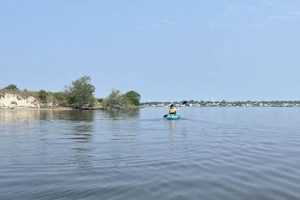
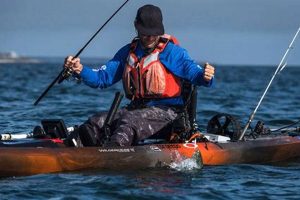
This pursuit involves angling from a small, human-powered watercraft within the coastal waters off Dana Point, California. It offers a unique blend of outdoor recreation, combining the tranquility of paddling with the excitement of catching fish. Anglers launch from various access points along the coastline, seeking a variety of game fish in the Pacific. The relatively sheltered waters and diverse marine life make this area a popular destination.
The accessibility and affordability of this activity contribute significantly to its popularity. It provides an intimate connection with the ocean environment, allowing participants to observe marine life up close. Historically, smaller vessels have been used for fishing in this area, reflecting the practicality and efficiency of human-powered watercraft for navigating these coastal waters. The modern iteration, utilizing specialized kayaks designed for stability and fishing features, offers enhanced performance and comfort.
This exploration will delve into specific aspects of angling from kayaks in this region. Topics will include common target species, recommended equipment and techniques, suitable launch locations, relevant regulations, and safety considerations. It will also highlight the unique ecological aspects of the area and their influence on fishing opportunities.
Tips for Kayak Fishing in Dana Point
Successful kayak angling in Dana Point requires preparation and adherence to best practices. The following tips enhance safety and increase the likelihood of a productive fishing experience.
Tip 1: Check Weather and Tide Conditions: Consult marine forecasts before embarking. Calm seas and appropriate tidal currents are crucial for a safe and enjoyable experience. Strong winds or currents can create hazardous conditions, particularly for less experienced paddlers.
Tip 2: Choose Appropriate Gear: Utilize a kayak specifically designed for fishing, equipped with features like rod holders and storage compartments. Select appropriate tackle and bait based on target species.
Tip 3: Plan Launch and Retrieval: Identify suitable launch locations with easy access and consider potential challenges during retrieval. Be aware of parking regulations and any permit requirements.
Tip 4: Prioritize Safety: Wear a personal flotation device and carry essential safety equipment, including a whistle, signaling device, and first-aid kit. Inform someone of planned fishing locations and estimated return time.
Tip 5: Respect Local Regulations: Obtain any necessary fishing licenses and familiarize oneself with local regulations regarding catch limits and protected species. Practice catch-and-release whenever possible.
Tip 6: Employ Proper Kayaking Techniques: Master basic paddling strokes for efficient maneuvering and maintain a low center of gravity for stability. Be mindful of other vessels and avoid congested areas.
Tip 7: Be Aware of Marine Life: Maintain a safe distance from marine mammals and other wildlife. Avoid disturbing their natural behavior and report any entangled or distressed animals to the appropriate authorities.
Adherence to these guidelines promotes a safe and rewarding experience, maximizing the chances of a successful fishing trip while minimizing environmental impact. Responsible angling contributes to the preservation of this valuable coastal ecosystem.
By understanding the nuances of kayak fishing in Dana Point and adopting these practical strategies, anglers can fully appreciate the unique opportunities presented by this exceptional location.
1. Kayak Selection

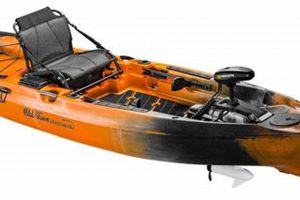
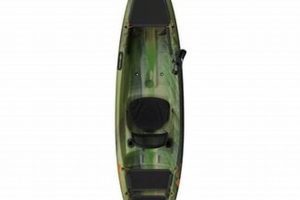
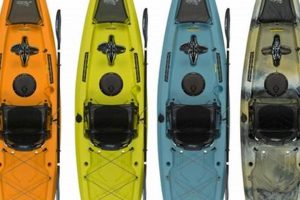
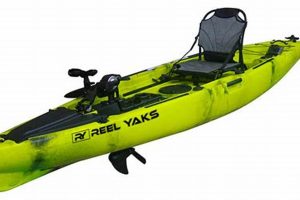
Appropriate kayak selection is fundamental to successful kayak fishing in Dana Point. The chosen vessel directly impacts stability, maneuverability, and overall fishing experience. A well-suited kayak enhances safety and allows anglers to effectively target desired species in the specific conditions of this coastal environment.
- Stability
Stability is paramount, especially in the potentially challenging conditions of open water. Wider kayaks with flatter hulls generally offer greater stability, minimizing the risk of capsizing, particularly when battling larger fish or dealing with waves and currents. Enhanced stability allows anglers to focus on fishing rather than constantly correcting balance.
- Maneuverability
Maneuverability influences the angler’s ability to navigate to desired fishing spots and effectively present bait or lures. Shorter kayaks are typically more maneuverable, allowing for quick turns and adjustments in position. This is particularly advantageous in areas with complex underwater structures or when tracking moving schools of fish. Longer kayaks, while less agile, may offer advantages in covering greater distances.
- Storage Capacity
Sufficient storage is crucial for carrying fishing gear, tackle, safety equipment, and personal items. Dedicated storage compartments, rod holders, and onboard tackle management systems streamline organization and access to essential equipment. Ample storage contributes to a more efficient and enjoyable fishing experience.
- Sit-on-Top vs. Sit-Inside
Sit-on-top kayaks offer inherent advantages for fishing, including self-bailing capabilities and easier re-entry after a water landing. They also provide greater freedom of movement, facilitating casting and fighting fish. Sit-inside kayaks, while offering more protection from the elements, can be more challenging to manage in the event of a capsize. The choice depends on individual preferences, experience levels, and expected conditions.
Careful consideration of these factors ensures the chosen kayak aligns with the specific demands of kayak fishing in Dana Point. The right kayak significantly enhances safety, improves fishing efficiency, and contributes to a more rewarding experience on the water. Investing time in researching and selecting an appropriate vessel is essential for maximizing enjoyment and success in this unique fishing environment.
2. Fishing Gear

Specialized fishing gear plays a critical role in the success and enjoyment of kayak fishing in Dana Point. Equipment choices directly influence an angler’s ability to target specific species, effectively present bait or lures, and manage fish in the dynamic environment of coastal waters. The interplay between gear selection and the unique challenges and opportunities presented by this location necessitates careful consideration.
Rods and reels tailored for saltwater fishing and suited to the target species are essential. Shorter rods, typically in the 6-7 foot range, offer advantages in the confined space of a kayak. Spinning reels are generally preferred for their versatility and ease of use in managing lighter lines and lures often employed for species common to the area, such as calico bass, halibut, and yellowtail. Line selection, considering factors like strength and visibility, is also critical. Braided lines offer increased sensitivity and strength, while fluorocarbon leaders provide abrasion resistance and near invisibility in the water.
Terminal tackle, including hooks, weights, and swivels, must be selected based on target species and fishing techniques. Live bait, artificial lures, or a combination of both can be effective. A well-organized tackle box or bag system streamlines access to necessary gear and contributes to an efficient fishing experience. Essential accessories, such as pliers for removing hooks, a knife for cutting lines, and a landing net for securing larger fish, are also crucial components. Appropriate gear selection, combined with an understanding of local fish behavior and prevalent conditions, significantly increases the likelihood of a successful and enjoyable kayak fishing experience in Dana Point.
3. Location Choice
Strategic location choice significantly influences success in kayak fishing around Dana Point. Factors such as water depth, structure, currents, and proximity to known fish habitats determine fishing potential. Selecting an appropriate launch point and navigating to productive fishing grounds are key elements of a successful outing. Careful consideration of these factors optimizes fishing opportunities and contributes to a rewarding experience.
- Doheny State Beach
Doheny State Beach offers a protected cove suitable for launching and landing kayaks, particularly in calmer conditions. The nearby kelp forests and rocky reefs provide habitat for various fish species, making it a popular spot for targeting calico bass and other nearshore species. The relatively calm waters within the cove also make it suitable for less experienced kayakers.
- Dana Point Harbor
Launching from Dana Point Harbor provides access to the open ocean beyond the harbor breakwater. This area offers opportunities for targeting larger game fish, such as yellowtail and bonito, particularly during the warmer months. However, navigating the harbor entrance and open ocean requires careful attention to currents and boat traffic. Kayakers should possess intermediate to advanced paddling skills.
- Salt Creek Beach
Salt Creek Beach, located south of Dana Point Harbor, presents a more challenging launch due to potential surf and rocky conditions. However, the kelp beds and reefs in this area attract a variety of fish, rewarding experienced kayakers with potential catches of calico bass, sheepshead, and occasionally white seabass. Careful assessment of surf conditions is critical before launching from this location.
- Laguna Beach (North of Dana Point)
While slightly north of Dana Point, Laguna Beach offers numerous coves and kelp forests accessible by kayak, providing additional fishing opportunities. These areas often hold good populations of kelp bass and other nearshore species. However, navigating the rocky coastline and varying conditions requires careful planning and execution.
Selecting an appropriate launch location and understanding the characteristics of different fishing grounds near Dana Point is crucial for maximizing fishing success. Matching location choice to skill level, target species, and prevailing conditions ensures a safer and more productive experience. Careful planning and consideration of these factors contribute significantly to a rewarding kayak fishing adventure in this diverse coastal environment.
4. Safety Precautions
Safety precautions are paramount in kayak fishing off Dana Point. The coastal environment presents inherent risks, including changing weather conditions, vessel traffic, and the potential for encountering marine life. Neglecting safety protocols can lead to serious consequences, ranging from equipment damage and minor injuries to life-threatening situations. Understanding and implementing appropriate safety measures is crucial for mitigating these risks and ensuring a positive experience. For example, failing to check the marine forecast before embarking can expose kayakers to unexpected high winds or rough seas, increasing the risk of capsizing. Similarly, neglecting to wear a personal flotation device (PFD) drastically increases the risk of drowning in the event of a capsize or unexpected fall overboard.
Practical safety measures significantly reduce risks. Wearing a properly fitted PFD is non-negotiable. Checking marine weather forecasts before launching allows anglers to anticipate changing conditions and make informed decisions about whether to proceed or postpone the trip. Carrying essential safety equipment, including a whistle, signaling device, and first-aid kit, enhances preparedness for emergencies. Informing someone onshore of planned fishing locations and estimated return time provides an additional layer of security. Adhering to established navigation rules and maintaining a safe distance from other vessels minimizes the risk of collisions. Understanding and respecting local regulations, such as designated fishing areas and catch limits, ensures compliance and contributes to the overall safety of the environment.
Prioritizing safety precautions is integral to responsible kayak fishing in Dana Point. These measures mitigate risks inherent in the coastal environment and enhance the overall experience. Careful planning, appropriate equipment, and adherence to established safety protocols contribute significantly to a safe and enjoyable outing. A comprehensive understanding of and commitment to safety transforms potential hazards into manageable challenges, allowing anglers to fully appreciate the rewards of kayak fishing in this dynamic location.
5. Target Species

The range of target species significantly shapes the experience of kayak fishing in Dana Point. Understanding the behavior, habitat preferences, and seasonal availability of these species influences equipment choices, location selection, and fishing techniques. This knowledge enhances fishing success and contributes to a more rewarding experience. Targeting specific species requires tailored approaches, reflecting the diversity and dynamism of the local marine ecosystem.
- Calico Bass (Paralabrax clathratus)
Calico bass represent a popular target due to their abundance and accessibility. They inhabit kelp forests and rocky reefs, often found near structures like jetties and piers. Anglers typically employ light tackle and lures or live bait such as anchovies or squid. Their aggressive feeding behavior and spirited fight make them a rewarding catch for kayakers. Knowledge of tidal currents and preferred hiding spots within the kelp forests enhances success when targeting this species.
- Halibut (Paralichthys californicus)
Halibut, prized for their size and table fare, present a more challenging target. They inhabit sandy bottom areas and require specialized techniques, often involving drifting live bait or bouncing jigs along the seafloor. Patience and precise bait presentation are key to enticing these ambush predators. Locating sandy patches near reefs and kelp beds increases the likelihood of encountering halibut.
- Yellowtail (Seriola lalandi)
Yellowtail, a powerful pelagic species, offer an exciting challenge for experienced kayak anglers. They typically appear seasonally during warmer months and are often found near kelp paddies or feeding on baitfish schools. Heavier tackle and live bait or surface lures are commonly used to target yellowtail. Their strong runs and acrobatic displays test the angler’s skill and equipment. Successful pursuit often involves locating and tracking migrating schools.
- White Seabass (Atractoscion nobilis)
White seabass, a highly sought-after game fish, represent a less frequent but rewarding target. These elusive predators are often found near reefs and kelp forests, requiring specialized techniques and heavier tackle. Live squid or mackerel are preferred baits. Patience and a thorough understanding of their behavior are essential for success. Encounters with white seabass while kayak fishing provide a memorable experience due to their size and fighting ability.
Targeting specific species in Dana Point requires an understanding of their unique characteristics and habitat preferences. This knowledge informs equipment choices, location selection, and fishing techniques, ultimately influencing the overall success and enjoyment of a kayak fishing excursion. The diverse range of available species provides varied opportunities and contributes to the rich angling experience offered by this coastal location. Adapting techniques to the target species and understanding their interaction with the local ecosystem enhances the challenge and reward of kayak fishing in Dana Point.
6. Local Regulations

Adherence to local regulations is essential for responsible kayak fishing in Dana Point. These regulations aim to protect fish populations, preserve marine habitats, and ensure the sustainability of the local ecosystem. They encompass licensing requirements, catch limits, size restrictions, and seasonal closures for specific species. Ignoring these regulations can result in fines, confiscation of equipment, and suspension of fishing privileges. Understanding and complying with these rules contributes to the long-term health of the fishery and ensures continued access for future generations. For example, fishing for certain species during their spawning season may be prohibited to protect breeding populations. Similarly, size restrictions allow younger fish to mature and reproduce, contributing to the overall health and stability of the fish population. Regulations may also designate specific areas as marine protected zones, where fishing is restricted or prohibited to safeguard sensitive habitats and biodiversity.
Practical application of this understanding involves obtaining the necessary fishing licenses before embarking on a kayak fishing trip. Familiarization with current regulations regarding target species, including catch limits, size restrictions, and any seasonal closures, is crucial. Resources such as the California Department of Fish and Wildlife website provide detailed information on current regulations. Checking for any specific regulations applicable to Dana Point or the surrounding Orange County area ensures full compliance. Carrying a copy of the regulations while fishing allows for quick reference and avoids unintentional violations. Furthermore, practicing catch-and-release fishing, even when not mandated, contributes to conservation efforts and promotes sustainable fishing practices.
Respecting local regulations demonstrates a commitment to responsible angling and contributes to the preservation of the valuable marine resources in Dana Point. Compliance safeguards fish populations, protects sensitive habitats, and ensures the long-term sustainability of the fishery. Understanding and adhering to these rules is not merely a legal obligation but an ethical responsibility for every kayak angler. This commitment benefits the environment, maintains the integrity of the sport, and ensures continued access to this exceptional fishing location for years to come.
Frequently Asked Questions
This section addresses common inquiries regarding kayak fishing in Dana Point. Clear and concise answers provide practical information for planning and executing a successful fishing trip, emphasizing safety and responsible angling practices. Understanding these frequently asked questions enhances preparedness and contributes to a more rewarding experience.
Question 1: What are the typical costs associated with kayak fishing in Dana Point?
Costs vary depending on equipment ownership. Kayak rentals typically range from $50 to $100 per day. Fishing licenses, required for anglers aged 16 and older, can be purchased for approximately $15-$50, depending on duration and residency status. Tackle and bait expenses depend on individual choices and fishing techniques.
Question 2: Are there guided kayak fishing tours available in Dana Point?
Several local outfitters offer guided kayak fishing tours, providing instruction, equipment, and local expertise. These tours cater to varying skill levels, from beginners to experienced anglers, and offer a convenient way to explore the local fishing grounds. Costs typically range from $150 to $300 per person, depending on tour duration and inclusions.
Question 3: What are the most productive times to fish from a kayak in Dana Point?
Fishing success can be influenced by tides, time of day, and seasonal factors. Early morning and late afternoon often provide optimal fishing conditions. Incoming and outgoing tides can create stronger currents, which concentrate baitfish and attract predatory species. Consulting local tide charts and seeking advice from local anglers can help determine the most productive fishing windows.
Question 4: What safety equipment is recommended for kayak fishing in Dana Point?
Essential safety equipment includes a properly fitted personal flotation device (PFD), a whistle, a visual distress signal (such as a flare or mirror), a first-aid kit, and a communication device (like a VHF radio or waterproof cell phone). A leash connecting the paddle to the kayak prevents loss in the event of a capsize. Checking weather conditions before embarking and informing someone of planned fishing locations and return time are also crucial safety measures.
Question 5: Are there any specific regulations regarding kayak fishing within Dana Point Harbor?
Regulations within Dana Point Harbor may include designated launch and landing areas, speed limits, and restrictions on fishing in certain zones. It is advisable to check with the harbormaster or local authorities for specific regulations and any permit requirements before fishing within the harbor itself.
Question 6: What are the primary environmental considerations for kayak fishing in Dana Point?
Minimizing environmental impact is crucial. Proper disposal of fishing line and other debris prevents entanglement of marine life and pollution of the waterways. Respecting marine wildlife, avoiding disturbance of their natural habitats, and practicing catch-and-release whenever possible contribute to the preservation of the local ecosystem.
Careful consideration of these commonly asked questions ensures a safer, more productive, and environmentally responsible kayak fishing experience in Dana Point. Thorough preparation and adherence to best practices maximize enjoyment and contribute to the sustainability of this valuable coastal resource.
Further sections of this guide delve into advanced techniques, specific fishing locations, and detailed information on target species, providing a comprehensive resource for anglers of all skill levels.
Kayak Fishing Dana Point
This exploration has provided a comprehensive overview of kayak fishing in Dana Point, encompassing key aspects from equipment selection and location choices to safety precautions and local regulations. The interplay between these elements shapes the overall experience, influencing both fishing success and the angler’s interaction with the unique coastal environment. An understanding of target species, their behavior, and preferred habitats enhances fishing effectiveness, while adherence to safety protocols and regulations ensures responsible engagement with this valuable resource.
Kayak fishing in Dana Point offers a rewarding pursuit, combining the tranquility of paddling with the excitement of angling. Careful planning, appropriate equipment choices, and a commitment to responsible fishing practices contribute to a positive and sustainable experience. This approach not only maximizes individual enjoyment but also safeguards the integrity of the marine ecosystem for future generations of anglers to appreciate and explore. The potential for memorable encounters with diverse marine life and the unique challenges presented by this dynamic coastal environment solidify kayak fishing in Dana Point as a compelling pursuit for those seeking an intimate connection with the ocean and the thrill of the catch.