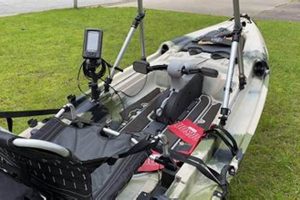
Adapting a standard kayak for angling involves adding, adjusting, or refining its features to improve fishing performance. Examples include installing rod holders, mounting fish finders, or integrating livewells. These alterations create a specialized vessel optimized for angling activities.
A well-equipped fishing kayak offers significant advantages. Enhanced stability, improved gear organization, and hands-free fishing contribute to a more productive and enjoyable experience on the water. These adaptations have evolved alongside kayak fishing’s growing popularity, reflecting a continuous pursuit of efficiency and comfort in this increasingly popular sport.
This article will delve into specific alterations, exploring popular options, installation techniques, and the impact of these enhancements on various fishing styles and environments.
Tips for Kayak Fishing Enhancements
Careful planning and execution are crucial for successful kayak modifications. Consider these recommendations before undertaking alterations.
Tip 1: Prioritize Stability: Beginners should focus on stability enhancements. Outriggers or wider hulls significantly reduce the risk of capsizing, especially when handling fish or navigating challenging waters.
Tip 2: Plan Gear Placement: Consider fishing style and accessibility when positioning rod holders, fish finders, and other accessories. Efficient layouts maximize fishing effectiveness and minimize clutter.
Tip 3: Choose Appropriate Materials: Marine-grade components ensure durability and longevity in harsh aquatic environments. Corrosion-resistant metals and UV-resistant plastics are essential for long-term performance.
Tip 4: Research Installation Techniques: Proper installation is vital for safety and functionality. Consult manufacturer instructions and online resources for guidance. Professional installation may be advisable for complex modifications.
Tip 5: Test Modifications in Calm Water: After completing alterations, test the kayak in a controlled environment before venturing into open water. This allows for adjustments and ensures stability and functionality.
Tip 6: Consider Weight Capacity: Added accessories contribute to the overall weight. Ensure modifications do not exceed the kayak’s specified weight capacity to maintain safe operation.
Tip 7: Regularly Inspect and Maintain: Periodic inspections and maintenance prevent premature wear and tear. Tighten bolts, lubricate moving parts, and repair any damage promptly.
By adhering to these guidelines, anglers can create a personalized fishing platform optimized for their individual needs and preferences, enhancing both safety and fishing success.
These enhancements ultimately transform a standard kayak into a specialized fishing vessel, improving both performance and enjoyment on the water. The following section will offer further insights into specific modification options and their respective benefits.
1. Rod Holders

Rod holders are integral to fishing kayak modifications, enabling anglers to troll, manage multiple lines, or keep rods secure while performing other tasks. Their strategic placement and selection contribute significantly to fishing efficiency and safety.
- Types of Rod Holders
Various rod holder designs cater to different fishing styles and kayak layouts. Flush-mount holders integrate seamlessly with the kayak’s surface, minimizing obstructions. Adjustable holders offer flexibility in rod positioning. Track systems allow for customized placement along the kayak’s gunwales. Selecting the appropriate type depends on the angler’s preferences and fishing techniques.
- Placement Considerations
Rod holder placement impacts accessibility, casting angles, and line management. Positioning holders within easy reach allows for quick adjustments and minimizes tangling. Anglers should consider the dominant hand and fishing style when determining optimal placement. Careful planning prevents interference with paddling or other onboard activities.
- Installation Methods
Rod holders can be installed using various methods, including drilling, clamping, or utilizing existing mounting points. Drilling provides the most secure attachment but requires careful consideration of kayak structure and potential leaks. Clamps offer a non-permanent solution but may be less stable. Utilizing pre-existing mounts simplifies installation but limits placement options.
- Material and Construction
Rod holders constructed from durable, corrosion-resistant materials ensure longevity in harsh marine environments. Stainless steel, aluminum, and reinforced plastics are common choices. High-quality materials withstand exposure to saltwater, UV radiation, and impacts, ensuring reliable performance over time.
Effective rod holder integration significantly enhances the functionality of a fishing kayak. By carefully considering the type, placement, installation, and material of rod holders, anglers can create a personalized and efficient fishing platform optimized for their specific needs and preferences, contributing to a more organized and productive fishing experience.
2. Fish Finders

Integrating fish finders represents a significant advancement in fishing kayak modifications. These electronic devices provide crucial underwater insights, enhancing angling effectiveness by locating fish, identifying underwater structures, and understanding bottom composition. This section explores the key facets of fish finder integration in kayak fishing.
- Transducer Selection and Mounting
Choosing the correct transducer and mounting location is crucial for optimal sonar performance. Transducers emit and receive sonar signals, and their placement affects the accuracy and range of underwater readings. Common mounting options include through-hull, transom mount, and in-hull installations. Each method offers specific advantages and disadvantages related to signal clarity and installation complexity. Kayak anglers often prefer portable, mountable transducers for ease of use and versatility.
- Display and Interface Options
Fish finder displays range from basic grayscale units to advanced color displays with detailed mapping and GPS integration. Screen size, resolution, and user interface impact readability and the level of information accessible to the angler. Understanding the various display options allows anglers to select a fish finder that aligns with their technical expertise and desired level of detail.
- Power Management and Battery Considerations
Fish finders require a dedicated power source, and proper power management is essential for extended fishing trips. Battery capacity, power consumption rates, and charging options influence battery life and overall system performance. Kayak anglers often utilize portable batteries or integrate fish finders into their kayak’s electrical system. Careful planning ensures uninterrupted operation throughout the fishing excursion.
- Interpreting Sonar Readings and Data
Effective fish finder utilization requires understanding how to interpret sonar data. Recognizing fish arches, identifying bottom structures, and understanding the relationship between water depth, temperature, and fish behavior are essential skills. Learning to interpret sonar readings maximizes the benefits of this technology, allowing anglers to make informed decisions about fishing locations and techniques.
Fish finder integration fundamentally alters the fishing experience from one of searching to one of informed targeting. Understanding the nuances of transducer selection, display options, power management, and sonar interpretation empowers kayak anglers to leverage this technology effectively, maximizing their chances of success on the water.
3. Anchor Systems

Anchor systems play a vital role in fishing kayak modifications, enabling anglers to maintain position in desired fishing locations despite wind, current, or drift. Effective anchoring enhances fishing precision and efficiency, allowing anglers to focus on targeted areas and optimize presentations. Selecting and utilizing appropriate anchoring systems is crucial for a successful kayak fishing experience.
- Anchor Types and Selection
Various anchor types cater to different bottom compositions and fishing environments. Folding grapnel anchors excel in rocky or weedy bottoms, while fluke or mushroom anchors are suitable for sandy or muddy substrates. Anchor weight should be appropriate for the kayak’s size and prevailing conditions. Overly heavy anchors can strain the kayak and create storage challenges, while undersized anchors may fail to hold effectively.
- Deployment and Retrieval Mechanisms
Efficient anchor deployment and retrieval systems are essential for smooth operation. Anchor trolleys allow for controlled positioning and drift fishing, enabling anglers to adjust their position relative to the current or structure. Simple pulley systems or dedicated anchor retrieval mechanisms facilitate easy lifting, particularly with heavier anchors. Well-designed systems minimize tangling and streamline the anchoring process.
- Anchor Line and Storage Considerations
Anchor line selection involves choosing appropriate materials and lengths. Marine-grade rope, combined with chain or a chain leader, provides durability and abrasion resistance. Line length should be sufficient for the anticipated fishing depths and conditions. Proper storage solutions, such as anchor bags or dedicated compartments, prevent tangling and maintain a tidy kayak deck.
- Safety and Environmental Considerations
Safe anchoring practices involve awareness of surrounding boat traffic and potential hazards. Avoid anchoring in navigation channels or areas with heavy boat traffic. Retrieving anchors responsibly prevents damage to underwater habitats. Furthermore, understanding local regulations regarding anchoring restrictions ensures compliance and promotes responsible kayak fishing practices.
A well-designed anchor system significantly enhances the control and effectiveness of a fishing kayak. By carefully considering anchor type, deployment mechanisms, line management, and safety protocols, anglers can optimize their fishing experience, enabling precise positioning and maximizing their time on the water. A secure and efficient anchor system allows anglers to focus on fishing, rather than constantly battling wind or current, ultimately contributing to a more productive and enjoyable outing.
4. Storage Solutions
Effective storage solutions are essential fishing kayak modifications, maximizing space utilization and ensuring readily accessible tackle and gear. Organized storage contributes significantly to fishing efficiency, allowing anglers to focus on the task at hand rather than searching for misplaced equipment. This organized approach minimizes clutter and improves safety on the water.
- Tackle Management Systems
Dedicated tackle storage systems optimize organization within a limited kayak space. These systems range from simple waterproof boxes to specialized tackle bags and trays designed to accommodate lures, hooks, weights, and other small accessories. Modular systems allow for customization based on individual fishing styles and preferences, ensuring that frequently used items are readily accessible.
- Dry Storage Compartments
Protecting essential gear from water damage is paramount in kayak fishing. Dry storage compartments, integrated into the kayak’s hull or added as aftermarket accessories, provide secure storage for electronics, phones, wallets, and other valuables. Properly sealed compartments safeguard against splashes, rain, and even accidental submersion, ensuring that essential items remain dry and functional.
- Rod and Paddle Storage
Securely storing rods and paddles when not in use is crucial for maintaining a clutter-free deck and preventing equipment loss. Dedicated rod holders and paddle clips keep these essential items within easy reach while preventing interference with fishing activities or paddling maneuvers. Efficient storage solutions enhance safety and streamline transitions between paddling and fishing.
- Cargo Nets and Bungee Systems
Cargo nets and bungee systems provide versatile storage options for larger items such as coolers, dry bags, and extra clothing. These systems secure gear to the kayak’s deck, preventing shifting or loss during transit or rough water conditions. Strategically placed cargo nets and bungee cords maximize deck space utilization without hindering access to other essential equipment.
Implementing well-designed storage solutions transforms a fishing kayak into a highly organized and efficient fishing platform. By incorporating dedicated tackle management systems, dry storage compartments, rod and paddle storage, and cargo nets or bungee systems, anglers enhance both functionality and safety on the water. A well-organized kayak allows anglers to focus on fishing, maximizing their time and enjoyment on the water.
5. Comfort Upgrades
Comfort upgrades represent a crucial aspect of fishing kayak modifications, directly impacting angler endurance and overall fishing experience. Extended periods on the water can strain the body, particularly the back and legs. Addressing these comfort concerns through modifications allows for longer, more enjoyable fishing trips, maximizing time on the water and enhancing focus on the activity itself. Upgrading comfort features directly translates to improved fishing effectiveness and overall satisfaction.
Several modifications contribute significantly to kayak fishing comfort. Upgrading to a high-back, adjustable seat with lumbar support provides crucial back support and reduces fatigue. Adding footrests or adjustable foot braces allows for proper leg extension and improved posture, further mitigating discomfort. Installing thigh braces enhances stability and control, reducing strain during paddling and maneuvering. These seemingly minor adjustments collectively contribute to a more ergonomic and comfortable fishing experience, allowing anglers to remain on the water longer without experiencing undue physical strain. For example, an angler targeting offshore species might spend hours paddling and fighting fish; a comfortable setup becomes essential for maintaining focus and stamina throughout the excursion.
Prioritizing comfort in fishing kayak modifications should not be overlooked. While performance-enhancing modifications like rod holders and fish finders contribute directly to fishing success, comfort features play an equally important role in enabling anglers to fully utilize these enhancements. A comfortable angler is a more focused and effective angler. Addressing comfort concerns through thoughtful modifications ultimately leads to a more enjoyable and productive experience on the water, making comfort upgrades a vital component of any comprehensive fishing kayak modification strategy.
6. Stability Enhancements

Stability enhancements represent a critical aspect of fishing kayak modifications, directly impacting safety and performance on the water. Inherent kayak instability, exacerbated by the dynamic movements associated with fishingcasting, reeling, and landing fishnecessitates modifications that mitigate the risk of capsizing. These modifications transform the kayak into a stable fishing platform, enabling anglers to focus on fishing rather than constantly battling to maintain balance. For example, an angler standing to cast in a narrow kayak significantly increases the risk of capsize; stability enhancements address this vulnerability.
Several modifications contribute significantly to kayak stability. Outriggers, essentially pontoons attached to the kayak’s sides, dramatically increase stability, particularly in rough conditions or when standing. Wider hulls provide a broader base of support, improving initial stability and reducing the likelihood of tipping. Stabilizer fins or pontoon systems further enhance stability by increasing the kayak’s resistance to rolling motion. These modifications vary in complexity and effectiveness, offering anglers choices based on their individual needs, fishing style, and water conditions. An angler frequently fishing in open, choppy waters would prioritize different stability enhancements than an angler fishing calm ponds.
Enhanced stability is not merely a comfort factor; it’s a safety imperative. A stable kayak provides a secure platform for handling fish, navigating challenging waters, and managing gear. This improved stability translates directly to increased confidence on the water, allowing anglers to focus on fishing and maximize their enjoyment. Ultimately, stability enhancements represent a foundational aspect of fishing kayak modifications, underscoring the importance of safety and performance in optimizing the kayak fishing experience. Neglecting stability considerations can compromise both safety and fishing success, highlighting the practical significance of understanding and implementing these modifications.
7. Propulsion Improvements

Propulsion enhancements represent a significant category within fishing kayak modifications, directly impacting range, efficiency, and hands-free fishing capabilities. Traditional paddle propulsion, while effective for short distances and calm waters, can limit fishing range and necessitate frequent pauses for paddling, interrupting fishing activities. Modifications aimed at improving propulsion address these limitations, enabling anglers to cover greater distances, conserve energy, and dedicate more time to fishing. For example, an angler targeting distant offshore fishing grounds benefits significantly from enhanced propulsion, reaching productive areas faster and with less physical exertion.
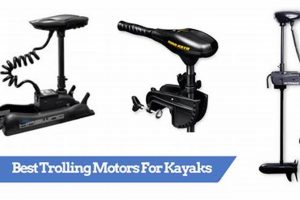
Several propulsion modifications offer distinct advantages. Pedal-powered systems provide efficient, leg-driven propulsion, freeing hands for fishing and offering sustained speeds over longer distances. Motorized kayaks, utilizing electric trolling motors, offer even greater range and power, particularly against strong currents or winds. These modifications, while requiring additional investment and maintenance, fundamentally alter the fishing kayak’s capabilities, transforming it into a versatile platform capable of exploring a wider range of fishing environments. A kayak equipped with a trolling motor, for instance, allows anglers to navigate large lakes or rivers efficiently, accessing areas previously unreachable by paddle power alone. Furthermore, hands-free propulsion allows for continuous fishing while underway, maximizing fishing time and potentially increasing catch rates.
Understanding the connection between propulsion improvements and overall fishing kayak modification strategy is crucial for optimizing fishing effectiveness and enjoyment. Choosing the appropriate propulsion system depends on individual fishing styles, target species, and the environment. While pedal drives excel in calm to moderate conditions, trolling motors offer superior performance in challenging environments or when covering significant distances. Evaluating these factors ensures that propulsion modifications align with overall fishing goals, maximizing the benefits of these enhancements and contributing to a more productive and satisfying kayak fishing experience. The choice between paddle power, pedal drive, or motor propulsion ultimately shapes the angler’s capacity to explore, fish effectively, and fully utilize other kayak modifications.
Frequently Asked Questions
Addressing common inquiries regarding kayak modifications provides clarity and guidance for anglers seeking to optimize their fishing platforms. These frequently asked questions offer practical insights into various aspects of kayak alterations, from planning and execution to maintenance and safety considerations.
Question 1: How does one determine the appropriate modifications for a specific fishing style?
Modification choices should align with the target species and fishing environment. Anglers targeting large, powerful fish in open water require different modifications than those fishing for smaller species in calm rivers or lakes. Researching specific fishing techniques and corresponding kayak setups provides valuable guidance in selecting appropriate modifications.
Question 2: What safety precautions should be considered when modifying a fishing kayak?
Maintaining stability and structural integrity is paramount. Modifications should not compromise the kayak’s buoyancy or handling characteristics. Weight distribution and proper installation techniques are crucial for safe operation. Consulting manufacturer guidelines and seeking professional advice when necessary ensures modifications adhere to safety standards.
Question 3: Are there specific regulations regarding kayak modifications?
Regulations may vary depending on local waterways and governing bodies. Researching and adhering to local regulations ensures compliance and avoids potential penalties. Specific modifications, such as lighting or registration requirements, may be mandatory in certain areas.
Question 4: What are the most common mistakes to avoid when undertaking kayak modifications?
Over-modification and improper installation are frequent pitfalls. Adding excessive accessories can negatively impact stability and performance. Incorrect installation techniques can compromise the kayak’s structural integrity and create safety hazards. Thorough planning, research, and careful execution are crucial for avoiding these common mistakes.
Question 5: How does one maintain and care for a modified fishing kayak?
Regular inspection and maintenance are essential for ensuring the longevity and performance of modifications. Corrosion, wear, and tear can compromise functionality and safety. Cleaning, lubricating moving parts, and promptly addressing any damage prevent further deterioration and maintain optimal performance.
Question 6: What are the potential cost considerations associated with kayak modifications?
Modification costs can vary significantly based on the complexity and type of alterations. Simple additions, such as rod holders or basic storage solutions, are relatively inexpensive. More complex modifications, including pedal drives or motorized systems, represent a greater financial investment. Establishing a budget and prioritizing essential modifications helps manage costs effectively.
Careful consideration of these frequently asked questions empowers anglers to make informed decisions regarding kayak modifications, ensuring that alterations enhance both fishing effectiveness and safety on the water. Addressing these concerns proactively contributes to a more enjoyable and successful kayak fishing experience.
This concludes the discussion on frequently asked questions. The following section will delve into advanced modification techniques and emerging trends in kayak fishing customization.
Conclusion
Adapting kayaks for fishing through thoughtful modifications significantly enhances angling effectiveness and overall experience. From fundamental additions like rod holders and storage solutions to advanced integrations such as fish finders and propulsion systems, these alterations transform a standard kayak into a specialized fishing vessel. Careful consideration of stability, comfort, and safety principles ensures modifications contribute positively to both performance and enjoyment on the water. The exploration of various modification options, installation techniques, and practical considerations presented herein provides a comprehensive understanding of optimizing kayaks for angling pursuits.
The continuous evolution of fishing kayak modifications reflects the dynamic nature of the sport itself. As technology advances and angler ingenuity persists, further innovations in kayak customization are inevitable. Embracing informed decision-making and prioritizing safety considerations ensures that modifications contribute positively to the future of kayak fishing, fostering a sustainable and rewarding experience for anglers of all skill levels. Ultimately, the pursuit of enhanced functionality and personalized comfort through kayak modifications underscores the enduring appeal and adaptability of this increasingly popular angling discipline.