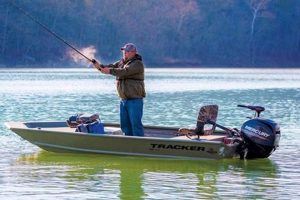
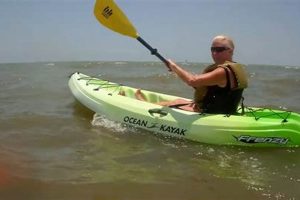
This specific model is a sit-on-top vessel designed for angling in various aquatic environments. Its compact size offers maneuverability, while the “sit-on-top” design promotes stability and ease of access. Features such as rod holders, storage compartments, and adjustable seating contribute to a comfortable and efficient fishing experience.
Small, agile watercraft like this one offer significant advantages for anglers seeking access to shallow waters, secluded coves, and areas difficult to reach with larger boats. They provide a closer-to-the-water experience, enhancing the connection with the environment and potentially improving fishing success. The growing popularity of kayak fishing reflects a broader trend towards more personal and environmentally conscious approaches to outdoor recreation.
This exploration of features, benefits, and market trends provides a foundation for a deeper dive into specific topics related to kayak angling, including equipment selection, fishing techniques, and safety considerations.
Tips for Kayak Fishing
Effective kayak angling requires preparation and adherence to best practices. The following tips offer guidance for a safe and productive experience.
Tip 1: Pre-Trip Planning: Research potential fishing locations, considering water conditions, access points, and local regulations. Checking weather forecasts is crucial for safety and comfort.
Tip 2: Essential Gear: Pack necessary safety equipment, including a personal flotation device (PFD), a whistle, and a first-aid kit. Fishing-specific gear like rods, reels, tackle, and appropriate bait or lures should be organized and readily accessible.
Tip 3: Stability and Balance: Maintain a low center of gravity and avoid sudden movements to prevent capsizing. Practice entering and exiting the kayak in shallow water before venturing into deeper areas.
Tip 4: Paddling Technique: Efficient paddling conserves energy and allows for greater maneuverability. Learn basic paddling strokes and practice maintaining a steady course.
Tip 5: Fishing from a Kayak: Utilize specialized kayak fishing techniques, such as anchoring or drifting, to optimize fishing success. Keep fishing lines and equipment organized to prevent tangling.
Tip 6: Respect the Environment: Practice Leave No Trace principles by packing out all trash and avoiding disturbance of wildlife and their habitats.
Tip 7: Weather Awareness: Continuously monitor weather conditions and be prepared to return to shore if necessary. Sudden changes in wind or water conditions can create hazardous situations.
Adhering to these tips will contribute to a safer and more rewarding kayak fishing experience. Careful planning, proper equipment, and responsible practices are essential for maximizing enjoyment and minimizing risks.
By understanding these core principles, anglers can fully appreciate the unique opportunities and challenges presented by kayak fishing, leading to greater success and a deeper connection with the aquatic environment.
1. Stability

Stability is a paramount consideration for any fishing kayak, particularly one intended for diverse environments and potentially challenging conditions like those encountered when pursuing tarpon. The inherent stability of the Wilderness Tarpon 100 significantly influences its performance, safety, and suitability for various angling scenarios. A stable platform allows for comfortable casting, fighting fish, and maneuvering in a variety of water conditions.
- Hull Design and Stability
The hull design plays a crucial role in determining a kayak’s stability. The Tarpon 100’s relatively wide and flat hull provides primary stability, resisting initial tipping. This design characteristic enhances confidence and allows anglers to focus on fishing rather than constantly correcting balance. The shallow-V hull contributes to secondary stability, providing a reassuring degree of resistance to capsizing when leaned or subjected to external forces like waves or currents.
- Center of Gravity and Balance
A low center of gravity enhances stability. The sit-on-top design of the Tarpon 100 naturally positions the angler closer to the waterline, lowering the center of gravity and improving overall balance. Careful distribution of weight within the kayak further optimizes stability. Avoiding excessive leaning or sudden movements is crucial for maintaining equilibrium, especially when encountering unexpected waves or currents.
- Impact of Water Conditions
While inherently stable, the Tarpon 100’s performance is influenced by prevailing water conditions. Calm, flat water presents minimal stability challenges. However, in choppy water or strong currents, maintaining balance requires greater attention. Understanding how the kayak responds to different water conditions is crucial for safe and effective operation. Adjusting paddling techniques and body position can enhance stability in more demanding environments.
- Stability and Angling Performance
Enhanced stability directly translates to improved angling performance. A stable platform facilitates accurate casting, precise lure retrieval, and effective fish fighting. Standing to cast or sight fish, while requiring careful balance, is made more manageable by the Tarpon 100’s stable platform. This contributes to a more dynamic and engaging fishing experience, particularly when targeting larger species like tarpon.
The interplay of these factors determines the overall stability of the Wilderness Tarpon 100, contributing to its versatility and effectiveness as a fishing platform. Understanding these elements allows anglers to maximize its capabilities, enhancing safety and enjoyment on the water.
2. Maneuverability

Maneuverability is a critical performance attribute for fishing kayaks, particularly in environments requiring navigation through complex waterways or swift currents. For the Wilderness Tarpon 100, designed for diverse fishing scenarios, maneuverability directly impacts its effectiveness and the angler’s ability to access prime fishing locations.
- Hull Design and Turning Radius
The Tarpon 100’s hull design significantly influences its turning radius and overall maneuverability. A shorter hull generally translates to a tighter turning circle, allowing for quicker changes in direction. The Tarpon 100’s moderate hull length balances maneuverability with tracking performance, enabling efficient paddling in open water while retaining the ability to navigate tighter spaces. The hull’s rocker profile, the curvature from bow to stern, also affects turning. A moderate rocker enhances maneuverability in currents and waves but can slightly reduce tracking in calm conditions.
- Impact of Water Conditions
Water conditions significantly impact maneuverability. Calm, flat water allows for predictable and responsive handling. However, in windy conditions or strong currents, maintaining course and executing precise turns requires more effort and skillful paddle strokes. The Tarpon 100’s design characteristics contribute to reasonable performance in varying conditions, allowing anglers to adapt to changing environments.
- Paddling Efficiency and Control
Efficient paddling technique enhances maneuverability. Proper paddle strokes maximize propulsion and control, enabling precise adjustments in direction and speed. The Tarpon 100’s design accommodates various paddling styles, allowing anglers to optimize their technique for specific conditions and fishing scenarios. Comfortable seating and proper body posture contribute to efficient paddling and enhanced control.
- Maneuverability and Fishing Applications
The Tarpon 100’s maneuverability proves advantageous in various fishing situations. Navigating shallow water, weaving through obstacles like submerged logs or vegetation, and positioning the kayak precisely for casting to specific targets are all facilitated by responsive handling. In river or creek environments, maneuverability is essential for navigating currents and accessing secluded fishing spots.
The Tarpon 100’s maneuverability, influenced by hull design, water conditions, and paddling technique, contributes significantly to its versatility as a fishing platform. Understanding these factors allows anglers to optimize performance and access a wider range of fishing opportunities. This balance of maneuverability and stability allows anglers to confidently explore diverse aquatic environments.
3. Storage Capacity

Adequate storage capacity is essential for a positive kayak fishing experience, especially in wilderness settings where resupply is impractical. The Wilderness Tarpon 100’s storage features directly impact its practicality for carrying essential gear, personal items, and the day’s catch.
- Rear Tankwell Storage
The Tarpon 100 features a rear tankwell, an open storage area located behind the seat. This space accommodates larger items like tackle boxes, coolers, or dry bags containing extra clothing or safety equipment. Bungee cords typically secure items in the tankwell, preventing loss during transit or rough water conditions. The size and accessibility of the rear tankwell influence its practicality for different gear configurations and fishing styles.
- Front Hatch Storage
Many Tarpon 100 models include a front hatch, a sealed compartment providing protected storage for sensitive items like electronics, wallets, or keys. This compartment’s watertight design safeguards contents from splashes, rain, or even brief submersion. The hatch’s size and ease of access contribute to its utility for storing essential items.
- Side Storage and Accessory Mounts
Smaller storage compartments or recessed areas located along the sides of the kayak offer convenient storage for frequently used items like pliers, fishing tools, or snacks. Accessory mounting points allow for customization with additional rod holders, fish finders, or other equipment, impacting overall storage capacity and organization.
- Weight Capacity and Storage Considerations
The kayak’s overall weight capacity limits the total combined weight of the angler, gear, and any potential catch. Exceeding this limit compromises stability and performance. Efficient packing and careful consideration of gear weight are essential for maximizing storage utilization within safe operating parameters. Distributing weight evenly within the kayak also enhances stability.
The storage capacity of the Wilderness Tarpon 100, encompassing various compartments and mounting options, contributes significantly to its practicality as a fishing platform, particularly in remote wilderness environments. Understanding these features allows anglers to optimize gear organization and maximize their time on the water.
4. Comfort Features

Comfort directly impacts endurance and enjoyment during extended fishing trips, especially in wilderness settings. The Wilderness Tarpon 100 incorporates several comfort-focused design elements to enhance the angler’s experience. Analysis of these features provides valuable insight into the kayak’s suitability for long hours on the water.
- Seat Design and Adjustability
The seat design significantly influences comfort. Features like adjustable backrests, padded seating surfaces, and breathable fabrics contribute to prolonged comfort. Proper lumbar support minimizes fatigue, allowing anglers to maintain focus and effectively fish for extended periods. An adjustable seat accommodates varying body types and preferences, optimizing posture and comfort.
- Legroom and Footrests
Ample legroom and adjustable footrests contribute to comfort and efficient paddling. Sufficient space allows anglers to change position periodically, reducing stiffness and fatigue. Adjustable footrests accommodate different leg lengths, ensuring optimal paddling posture and power transfer. Proper leg positioning also enhances stability and balance.
- Deck Padding and Layout
Deck padding provides a comfortable surface for standing, kneeling, or sitting in various positions while fishing. Anti-slip surfaces enhance safety and stability. A well-designed deck layout provides easy access to essential gear and equipment, minimizing awkward reaching or bending.
- Carrying Handles and Transportation
Ergonomically designed carrying handles facilitate easy transport to and from the water. Features like molded grips or integrated handles improve portability and reduce strain. The Tarpon 100’s relatively lightweight construction further simplifies transportation, enhancing overall usability.
The Wilderness Tarpon 100’s comfort features contribute significantly to its suitability for extended wilderness fishing trips. These design elements enhance endurance, reduce fatigue, and promote overall enjoyment on the water. By prioritizing comfort, the Tarpon 100 enables anglers to focus on the fishing experience and maximize their time in the wilderness.
5. Target Species (Tarpon)
The “Tarpon” designation within the “Wilderness Tarpon 100 fishing kayak” name signifies more than just a suggested target species; it reflects specific design considerations tailored to pursuing this powerful game fish. Tarpon are known for their strength, acrobatic leaps, and challenging fights, demanding specialized equipment and angling techniques. The kayak’s stability, maneuverability, and robust construction are crucial for effectively handling these fish. For example, the stable platform allows anglers to maintain balance during aggressive runs and aerial displays, while the kayak’s maneuverability enables quick adjustments to follow the fish’s movements. The reinforced hull and deck can withstand the stresses exerted during prolonged battles with large tarpon.
While suitable for various species, the Tarpon 100’s design optimizes the tarpon fishing experience. Its features address the specific challenges posed by this species. Consider an angler hooked into a large tarpon in a shallow mangrove estuary. The kayak’s stability prevents capsizing during the fish’s initial surge, while its maneuverability allows navigation through tight channels and around obstacles. The kayak’s storage capacity accommodates the necessary heavy tackle and specialized gear for tarpon fishing. This specialized design enhances the angler’s chances of successfully landing a tarpon.
Understanding the connection between the “Tarpon” designation and the kayak’s design features provides valuable insights for anglers. Recognizing the intended purpose influences equipment choices, fishing strategies, and target location selection. This knowledge enhances the angler’s preparedness and increases the likelihood of a successful and rewarding tarpon fishing experience. While adaptable for other species, the Tarpon 100’s design strengths shine when pursuing this challenging and iconic game fish.
6. Intended Environment

The “Wilderness” designation in the “Wilderness Tarpon 100 fishing kayak” name points to its intended use in remote, natural settings. This influences design choices, impacting durability, portability, and functionality. Such environments often present challenges like shallow water, submerged obstacles, varying currents, and limited access points. Consider a remote mangrove estuary or a secluded inland lake. These locations exemplify the intended operating environment. The kayak’s relatively shallow draft allows navigation in shallow water, while its maneuverability enables negotiation through complex waterways. Durability is essential for withstanding impacts from rocks, logs, or oyster beds. Portability is crucial for accessing areas beyond established launch sites. This specialized design allows anglers to explore these environments, expanding fishing opportunities. The kayak’s stability also allows for sight fishing or casting in these often-challenging conditions.
Understanding the intended environment significantly impacts practical application. Consider an angler planning a multi-day fishing trip to a remote river system. The kayak’s portability allows transport to the launch point, potentially requiring portage over land or navigation through shallow access channels. Its storage capacity accommodates essential gear, including camping equipment, food, and safety supplies. The stable and maneuverable platform facilitates fishing in the river’s varying currents and navigating around obstacles like fallen trees or submerged rocks. Durable construction withstands the rigors of wilderness use. Knowledge of the intended environment informs packing lists, route planning, and safety considerations.
The relationship between the “Wilderness Tarpon 100 fishing kayak” and its intended environment is fundamental. Design considerations tailored to remote, natural settings dictate material choices, hull design, and feature selection. This specialized approach empowers anglers to explore wilderness areas, access diverse fishing opportunities, and confidently face the unique challenges these environments present. The kayak’s capabilities align with the demands of wilderness exploration, enabling anglers to pursue their passion while minimizing environmental impact and maximizing personal enjoyment.
Frequently Asked Questions
This FAQ section addresses common inquiries regarding the Wilderness Tarpon 100 fishing kayak, providing concise and informative responses.
Question 1: What differentiates the Wilderness Tarpon 100 from other fishing kayaks?
The Tarpon 100 balances stability, maneuverability, and storage capacity, making it suitable for diverse fishing environments, particularly wilderness settings. Its design prioritizes comfort and performance for extended trips targeting species like tarpon.
Question 2: Is the Tarpon 100 suitable for beginners?
Its stability and user-friendly design make the Tarpon 100 accessible to beginners. However, practicing basic paddling and safety techniques before venturing into challenging conditions is recommended.
Question 3: What is the weight capacity of the Tarpon 100?
Weight capacity varies slightly between model years, but generally falls within the range of 325-350 lbs. Consulting manufacturer specifications for the specific model year is crucial.
Question 4: Can the Tarpon 100 accommodate aftermarket accessories?
The Tarpon 100 features multiple accessory mounting points, allowing customization with rod holders, fish finders, and other gear. Compatibility with specific accessories should be verified before purchase.
Question 5: What maintenance is required for the Tarpon 100?
Regular rinsing with fresh water after each use, especially in saltwater environments, prolongs the kayak’s lifespan. Periodic inspection of hull, fittings, and hardware is recommended to identify and address potential issues.
Question 6: What safety precautions should one take when using the Tarpon 100?
Always wear a personal flotation device (PFD). Inform someone of your fishing plans, including location and expected return time. Check weather forecasts before embarking and be prepared for changing conditions. Carry essential safety gear, including a whistle, first-aid kit, and communication device.
Understanding these key aspects contributes to informed decision-making and a safer, more enjoyable kayaking experience. Consulting owner’s manuals and manufacturer resources provides further detailed information.
This concludes the FAQ section. The subsequent section delves into advanced techniques and strategies for maximizing fishing success from the Wilderness Tarpon 100.
Conclusion
Exploration of the Wilderness Tarpon 100 fishing kayak reveals a vessel designed for specific angling pursuits. Its blend of stability, maneuverability, and specialized features caters to diverse fishing environments, particularly wilderness settings. Analysis of storage capacity, comfort features, and the “Tarpon” designation highlights its suitability for targeting larger game fish in challenging conditions. Careful consideration of the intended environment underscores the importance of durability, portability, and adaptability. Understanding these core attributes informs purchasing decisions and empowers anglers to maximize on-water performance.
The Wilderness Tarpon 100 represents a notable evolution in kayak fishing technology. Its design reflects a growing understanding of angler needs and the specific demands of wilderness environments. Continued exploration of specialized fishing platforms promises further advancements, enhancing both angling experiences and the responsible stewardship of natural resources.