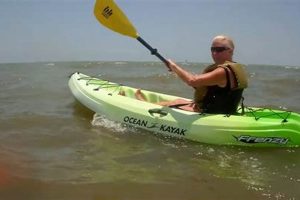
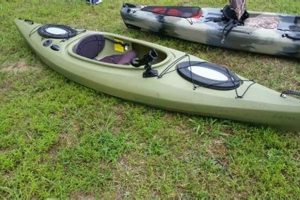
This type of watercraft features two hulls connected by a frame, resembling a catamaran. This design provides exceptional stability, making it ideal for activities requiring a steady platform, such as angling. Picture a small, personal catamaran configured specifically for fishing.
The inherent stability offered by this configuration allows anglers to stand and cast with confidence, improving their reach and visibility. This design also typically offers increased storage capacity compared to single-hull kayaks, accommodating more gear and equipment essential for a successful fishing trip. Furthermore, the wider deck provides a more comfortable and spacious fishing platform. While relatively modern in the recreational kayaking world, the double-hull design principle has been utilized in larger vessels for centuries, demonstrating its enduring efficacy in enhancing stability and load-bearing capacity.
This foundation establishes the context for a deeper exploration of specific features, materials, and manufacturers involved in the construction and selection of these specialized vessels. Subsequent sections will delve into topics such as hull design variations, propulsion systems, seating options, and the advantages and disadvantages compared to traditional fishing kayaks.
Tips for Selecting and Using a Fishing Kayak with Twin Hulls
Careful consideration of several factors contributes significantly to a positive experience on the water. These guidelines aim to enhance both safety and enjoyment.
Tip 1: Consider Water Conditions: Different hull designs perform differently in varying water conditions. Wider hulls generally offer more stability in calm lakes and ponds, while longer, narrower hulls might be preferable for navigating rivers or coastal waters. Research appropriate hull characteristics for the intended fishing environment.
Tip 2: Evaluate Storage Capacity: Ample storage is essential for fishing gear, safety equipment, and personal belongings. Assess storage compartments, tank wells, and deck rigging options to ensure sufficient capacity for all anticipated needs.
Tip 3: Prioritize Stability: The inherent stability of this type of kayak is a significant advantage, but individual designs vary. Consider factors such as hull width, weight capacity, and center of gravity when evaluating stability. If standing and casting is a priority, test the stability thoroughly before purchase.
Tip 4: Choose Appropriate Propulsion: Options include paddle power, pedal drives, and electric motors. Each offers advantages and disadvantages related to cost, speed, maneuverability, and maintenance. Select a propulsion system aligned with fishing style and physical capabilities.
Tip 5: Invest in Quality Accessories: Rod holders, fish finders, anchors, and comfortable seating can significantly enhance the fishing experience. Research and select accessories compatible with the chosen vessel and fishing style.
Tip 6: Practice Launching and Landing: Due to their wider profile, these kayaks may require different launching and landing techniques compared to single-hull designs. Practice these maneuvers in shallow water before venturing into deeper waters.
Tip 7: Understand Local Regulations: Familiarize oneself with local boating regulations, licensing requirements, and permitted fishing areas before embarking on any fishing trip.
Adherence to these guidelines promotes safety, efficiency, and overall enjoyment on the water, maximizing the potential for successful fishing excursions.
By understanding the nuances of these vessels and making informed decisions based on individual needs and intended usage, anglers can significantly enhance their fishing experiences. The concluding section will offer a final overview and reiterate key takeaways for prospective purchasers.
1. Stability

Stability forms a cornerstone of the dual-hull fishing kayak’s design and function. The catamaran-like structure, featuring two parallel hulls, creates a wider base than traditional single-hull kayaks. This wider platform inherently resists tipping, providing a significantly more stable platform, particularly beneficial for activities like fishing where balance and steadiness are paramount. The increased stability allows anglers to stand and cast, offering improved leverage and visibility while reducing fatigue associated with prolonged sitting. This inherent stability also proves advantageous in challenging conditions such as choppy water or when landing a fish, minimizing the risk of capsizing.
Consider a scenario where an angler hooks a large, powerful fish. In a traditional kayak, the struggle could easily destabilize the vessel. However, the inherent stability of a dual-hull design allows the angler to maintain balance and control during the fight, significantly increasing the likelihood of a successful landing. Similarly, in windy conditions, the lower center of gravity and wider base of the dual-hull kayak contribute to greater resistance against gusts, offering a more secure and comfortable experience on the water.
In essence, the stability offered by the dual-hull configuration enhances not only fishing performance but also safety. This core advantage broadens the accessibility of kayaking to individuals less confident in their balance or those seeking a more stable platform for specialized activities like fishing. Understanding the direct relationship between the dual-hull design and enhanced stability is crucial for appreciating the unique benefits of this type of watercraft. This feature significantly influences angler performance, safety, and overall enjoyment on the water.
2. Capacity

Capacity, encompassing both weight and storage, represents a critical consideration in the context of dual-hull fishing kayaks. Understanding the capacity limitations and potential of these vessels directly impacts their suitability for specific fishing needs and scenarios. This section explores the multifaceted nature of capacity, highlighting its various components and implications.
- Weight Capacity:
Weight capacity dictates the maximum combined weight of the angler, gear, and any additional cargo the kayak can safely support. Exceeding this limit compromises stability and maneuverability, posing safety risks. Manufacturers specify weight capacity based on hull design and construction. Anglers must accurately assess their anticipated load, including equipment like fishing rods, tackle boxes, coolers, and safety gear, to ensure it falls within the specified limits. Choosing a kayak with adequate weight capacity is paramount for safety and performance.
- Storage Capacity:
Storage capacity refers to the available space for stowing gear and equipment. Dual-hull fishing kayaks often offer more storage options compared to their single-hull counterparts due to the space between the hulls. This space accommodates various storage compartments, including hatches, tank wells, and deck rigging. Ample storage allows anglers to carry a wider array of fishing gear, enhancing versatility and preparedness on the water. Dedicated storage for specific items like rods, tackle boxes, and coolers keeps equipment organized and accessible.
- On-Deck Capacity:
Beyond enclosed storage, the deck space of a dual-hull fishing kayak provides additional capacity for gear and equipment. This open area accommodates items that require quick access, such as landing nets, pliers, and extra paddles. The wider deck of these kayaks often provides more usable space than single-hull designs, enhancing fishing convenience. However, securing gear on the deck is crucial to prevent loss or interference during paddling or fishing.
- Capacity and Performance:
The relationship between capacity and performance warrants careful consideration. While increased capacity allows for more gear, it can also affect the kayak’s handling characteristics. Heavier loads increase draft and can reduce maneuverability and speed. Balancing capacity needs with desired performance characteristics is essential for selecting the appropriate kayak. Anglers prioritizing speed and agility might opt for a smaller capacity, while those requiring more gear might prioritize a larger capacity even with a slight performance trade-off.
The various aspects of capacity, from weight limits to storage solutions and their influence on performance, are integral to understanding the functionality and suitability of a dual-hull fishing kayak. Careful evaluation of these factors empowers anglers to make informed decisions aligned with their individual fishing needs and preferences. Ultimately, choosing a kayak with appropriate capacity enhances both safety and the overall fishing experience.
3. Propulsion
Propulsion systems significantly influence the performance and versatility of dual-hull fishing kayaks. Several propulsion methods exist, each offering distinct advantages and disadvantages impacting an angler’s experience. Understanding these nuances is crucial for selecting the most suitable propulsion system for specific fishing environments and styles.
Traditional paddle propulsion remains a viable option, offering simplicity and affordability. However, paddling requires physical exertion, which can limit fishing time and range, particularly in larger bodies of water or against strong currents. Conversely, pedal-powered systems offer hands-free operation, enabling anglers to focus on fishing while simultaneously maneuvering the kayak. This advantage proves especially beneficial for techniques requiring precise boat control, such as trolling or casting in specific locations. Furthermore, pedal drives generally provide greater speed and efficiency over longer distances compared to paddling. Electric motors represent another propulsion option, offering the greatest speed and range of all methods. Motors allow anglers to cover vast distances quickly and effortlessly, accessing remote fishing spots otherwise unreachable by paddle or pedal power. However, electric motors add cost and complexity, requiring battery management and occasional maintenance.
Consider a scenario involving a large lake. A paddle-powered kayak might prove sufficient for fishing near the shoreline, but reaching distant coves or following schools of fish across the lake demands a more efficient propulsion method. A pedal drive or electric motor allows anglers to cover these distances swiftly, conserving energy for fishing rather than paddling. Similarly, in rivers with strong currents, a motor provides the necessary power to maintain position or move upstream effectively. Choosing the appropriate propulsion system depends on factors such as the intended fishing environment, physical capabilities, and budgetary constraints. Understanding the characteristics and limitations of each propulsion method empowers anglers to make informed decisions optimizing their on-the-water experience.
4. Construction

Construction significantly influences the performance, durability, and cost of a dual-hull fishing kayak. Material selection and manufacturing processes directly impact key characteristics such as weight, stability, and resistance to impact and environmental factors. Understanding the various construction methods and materials employed provides valuable insights for informed purchasing decisions.
- Hull Material:
Hull materials range from high-density polyethylene (HDPE) to fiberglass and composites. HDPE offers durability and affordability, making it a common choice for recreational kayaks. Fiberglass and composites provide greater strength and lighter weight, often found in higher-end models. Material choice influences the kayak’s overall weight, affecting portability and maneuverability. For instance, a lighter kayak made of composites might be easier to transport and paddle, while a heavier HDPE kayak offers greater resistance to impacts and abrasion.
- Construction Methods:
Construction methods vary, including rotomolding, thermoforming, and hand-laid fiberglass. Rotomolding, commonly used for HDPE kayaks, involves melting plastic pellets within a mold to create a seamless hull. Thermoforming uses heat to shape sheets of plastic over a mold, suitable for producing complex shapes. Hand-laid fiberglass involves layering fiberglass mats saturated with resin, offering greater control over hull thickness and strength. Each method imparts specific characteristics to the final product, influencing its durability, weight, and cost.
- Hull Design:
Hull design elements, such as the shape, length, and width, influence stability, tracking, and speed. Wider hulls enhance stability, while longer hulls improve tracking and speed. Features like chines and keels affect maneuverability and handling in different water conditions. Understanding the relationship between hull design and performance is crucial for selecting a kayak suitable for specific fishing environments.
- Fittings and Hardware:
Fittings and hardware, including hatches, deck rigging, and seating systems, contribute to the kayak’s functionality and durability. High-quality fittings and hardware ensure reliable performance and longevity, enhancing the overall fishing experience. Corrosion-resistant materials are essential for saltwater environments to prevent deterioration over time. Careful inspection of these components during the selection process helps assess the overall quality and durability of the kayak.
The interplay of these construction elements ultimately determines the suitability of a dual-hull fishing kayak for specific needs and preferences. Understanding the implications of material choices, construction methods, hull design, and hardware selection empowers informed decisions, ensuring optimal performance, durability, and long-term satisfaction. Selecting a kayak built with quality materials and robust construction techniques contributes to a safe, reliable, and enjoyable fishing experience.
5. Customization

Customization plays a pivotal role in optimizing dual-hull fishing kayaks for individual anglers’ needs and preferences. The ability to tailor these vessels enhances their versatility and effectiveness across diverse fishing styles and environments. Modifications range from simple additions to complex integrations, impacting functionality, comfort, and overall fishing performance. Understanding the potential for customization empowers anglers to create highly specialized and efficient fishing platforms.
Several key areas benefit significantly from customization. Rod holders, strategically positioned for specific fishing techniques, enhance efficiency and organization. Fish finders, GPS units, and other electronics integrate seamlessly into the kayak’s structure, providing crucial information and navigation capabilities. Storage solutions, tailored to individual gear requirements, optimize space utilization and accessibility. Comfort enhancements, such as adjustable seating and footrests, improve ergonomics and reduce fatigue during long fishing trips. Even aesthetic modifications, like camouflage patterns or custom color schemes, personalize the kayak and enhance its visual appeal. For instance, an angler specializing in trolling might install multiple rod holders and a downrigger mount, while a fly fisherman might prioritize a stripping basket and anchor system. Similarly, anglers fishing in shallow, vegetated areas might equip their kayaks with weedless propellers or specialized propulsion systems designed for navigating challenging environments.
The practical significance of customization extends beyond mere convenience. A well-customized kayak directly enhances fishing effectiveness. Optimized gear placement reduces retrieval time, increasing fishing opportunities. Ergonomic adjustments minimize fatigue, allowing anglers to fish longer and more comfortably. Integrated electronics provide real-time data, informing strategic decisions. Ultimately, customization transforms a standard dual-hull fishing kayak into a personalized fishing machine, tailored to specific needs and maximizing on-the-water performance. Recognizing and leveraging the potential for customization is essential for fully realizing the versatility and effectiveness of these specialized watercraft. This adaptability separates generic platforms from personalized tools, ultimately enhancing the angling experience and potentially increasing success rates.
6. Applications

The diverse applications of dual-hull fishing kayaks underscore their adaptability across a wide range of aquatic environments and fishing styles. Understanding these varied applications, along with their respective advantages and limitations, informs appropriate kayak selection and maximizes its potential. The following facets explore specific applications, demonstrating the versatility of this unique watercraft design.
- Calm Water Fishing:
Lakes, ponds, and slow-moving rivers provide ideal conditions for leveraging the stability of dual-hull kayaks. The stable platform allows anglers to stand and cast with confidence, sight-fishing effectively, and comfortably employing techniques requiring precise boat control. The ample storage capacity accommodates gear for extended trips, while the relaxed pace of calm water fishing complements the typically slower speeds of these kayaks.
- Coastal Fishing:
Protected bays and estuaries offer suitable environments for dual-hull kayaks, providing access to inshore species. The inherent stability proves advantageous in moderately choppy conditions, while the relatively shallow draft allows navigation in shallow coastal areas. However, venturing into open ocean or facing strong currents requires careful consideration of weather conditions and the kayak’s limitations.
- River Fishing:
Dual-hull kayaks navigate slow-moving rivers effectively, providing stability for fishing in current. However, maneuvering through tight bends or navigating rapids presents challenges due to the kayak’s wider profile. Pedal-powered or motorized versions enhance upstream travel and control in currents. Selecting a model with appropriate maneuverability and propulsion is essential for river applications.
- Trolling and Drift Fishing:
The inherent stability of dual-hull kayaks makes them well-suited for trolling and drift fishing techniques. The stable platform allows anglers to deploy multiple lines and manage rods effectively. Pedal drives or electric motors enhance controlled movement, facilitating precise coverage of target areas. Furthermore, the added stability reduces the risk of capsizing when fighting larger fish hooked while trolling or drifting.
The suitability of a dual-hull fishing kayak for specific applications hinges on careful consideration of environmental factors, fishing styles, and individual preferences. Matching the kayak’s capabilities to the intended use ensures optimal performance, safety, and overall fishing success. Recognizing the distinct advantages and limitations within each application empowers informed decisions, transforming the kayak into a versatile tool capable of enhancing fishing experiences across a diverse range of aquatic environments.
Frequently Asked Questions
This section addresses common inquiries regarding dual-hull fishing kayaks, providing concise and informative responses to facilitate informed decision-making.
Question 1: How does the stability of a dual-hull kayak compare to a traditional single-hull design?
Dual-hull kayaks offer significantly greater stability due to their wider base and lower center of gravity. This design minimizes tipping, enabling activities like stand-up fishing, which are often challenging in single-hull kayaks.
Question 2: Are these kayaks more difficult to maneuver than single-hull kayaks?
While generally more stable, dual-hull kayaks can be slightly less maneuverable than single-hull designs, especially in tight spaces or swift currents. However, this difference is often minimal and easily adaptable to with practice.
Question 3: What are the typical weight and length ranges of these kayaks?
Weights typically range from 60 to 120 pounds, while lengths vary between 10 and 16 feet. Specific dimensions depend on the model and intended usage. Heavier kayaks offer increased stability but reduced portability.
Question 4: What materials are commonly used in the construction of these kayaks?
Common materials include high-density polyethylene (HDPE), fiberglass, and composites. HDPE offers durability and affordability, while fiberglass and composites prioritize lighter weight and higher performance.
Question 5: What are the primary advantages of using a dual-hull kayak for fishing?
Key advantages include enhanced stability for stand-up fishing, increased storage capacity for gear, and a wider, more comfortable deck space. These features contribute to improved fishing efficiency and overall enjoyment.
Question 6: What factors should one consider when choosing between pedal and motor propulsion?
Consider fishing environment, physical capabilities, and budgetary constraints. Pedal drives offer hands-free propulsion suitable for calmer waters, while motors provide greater speed and range for larger bodies of water or challenging currents.
Careful consideration of these frequently asked questions facilitates informed decision-making regarding dual-hull fishing kayaks. Evaluating individual needs and priorities in conjunction with the information provided enables selection of the most appropriate kayak for specific fishing applications.
The subsequent section delves further into the advantages and disadvantages of dual-hull designs compared to their single-hull counterparts.
Dual Hull Fishing Kayaks
Exploration of these specialized vessels reveals distinct advantages stemming from their unique design. Enhanced stability, increased capacity, and diverse propulsion options contribute to a specialized fishing platform. Considerations regarding construction, customization, and specific applications underscore the importance of aligning kayak selection with individual angler needs and intended usage. From calm lakes to coastal waters, these kayaks offer a compelling alternative to traditional fishing craft, particularly for anglers prioritizing stability and a spacious platform.
The evolution of fishing kayak design continues, with ongoing advancements in materials, construction techniques, and integrated technologies. Careful consideration of these evolving factors, coupled with a thorough understanding of individual fishing requirements, empowers informed decisions. Ultimately, the selection of a well-suited dual-hull fishing kayak contributes significantly to enhanced on-the-water experiences and increased angling success.