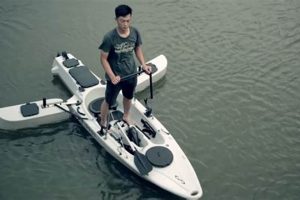
This exhilarating activity involves pursuing fish from a small, human-powered vessel in the open ocean. Imagine paddling amidst rolling waves, a fishing rod in hand, seeking the thrill of a powerful strike from a pelagic predator. It combines the challenge and tranquility of kayaking with the excitement and reward of angling. This specialized form of fishing requires specialized equipment, including a stable, ocean-worthy kayak outfitted with rod holders, fish finders, and safety gear. It also demands a deep understanding of ocean conditions, fish behavior, and paddling techniques.
The allure of this pursuit stems from the unique connection it fosters with the marine environment. Anglers experience a heightened sense of adventure and self-reliance, navigating the open water while relying on their skill and knowledge to locate and land fish. This form of fishing provides an opportunity to target a diverse array of species, from nearshore reef dwellers to powerful offshore game fish. Historically, small boats have been used for fishing in coastal communities worldwide, but the development of specialized kayaks has significantly expanded access to and the popularity of this adventurous pastime.
Further exploration will cover essential safety considerations, recommended equipment and techniques, popular target species, and the ethical implications of this rapidly growing sport.
Tips for Successful Offshore Kayak Angling
Preparation and knowledge are crucial for a safe and rewarding experience. The following tips provide valuable insights for anglers venturing into the open ocean.
Tip 1: Prioritize Safety. Always wear a personal flotation device (PFD) and carry essential safety equipment, including a VHF radio, flares, a signaling mirror, and a first-aid kit. Inform someone of the intended fishing location and estimated return time.
Tip 2: Choose the Right Kayak. Select a kayak designed for stability and performance in offshore conditions. Consider features like rod holders, ample storage space, and a comfortable seating system.
Tip 3: Understand Weather and Ocean Conditions. Check marine forecasts before heading out and be aware of potential hazards such as changing tides, currents, and wind patterns. Avoid venturing out in conditions beyond one’s skill level.
Tip 4: Master Paddling Techniques. Efficient paddling conserves energy and allows for greater range. Practice proper stroke technique and learn how to navigate in various sea states.
Tip 5: Utilize Appropriate Fishing Gear. Choose rods, reels, and lines suited to the target species and fishing method. Carry a selection of lures and baits to maximize chances of success.
Tip 6: Practice Catch and Release Techniques. Handle fish with care and minimize their time out of the water. Use appropriate hooks and tools to facilitate quick and safe release.
Tip 7: Respect the Marine Environment. Adhere to local fishing regulations and dispose of waste responsibly. Minimize disturbance to marine life and habitats.
By adhering to these guidelines, anglers can enhance their safety, maximize their success, and contribute to the preservation of the marine environment.
These tips offer a foundation for a fulfilling and responsible offshore kayaking experience. A deeper understanding of these principles will further contribute to angling success and safety on the open ocean.
1. Ocean Conditions
Successful and safe ocean kayak fishing hinges on a thorough understanding of prevailing ocean conditions. These conditions directly influence not only the ability to locate and catch fish, but also the safety and overall feasibility of any excursion. Careful assessment and respect for the dynamic nature of the marine environment are paramount.
- Currents:
Ocean currents impact kayak positioning and drift, influencing fishing strategy. Strong currents can make paddling challenging and require careful navigation, especially around structures. Understanding tidal flows and their effect on current strength is crucial for planning a safe and effective fishing trip. For example, fishing near inlets or points during a tide change can concentrate baitfish and attract predatory species.
- Wind:
Wind strength and direction significantly affect kayak control and paddling effort. Strong winds can create challenging paddling conditions, particularly for less experienced kayakers. Offshore winds pose a significant danger, potentially carrying kayaks far from shore. Constant monitoring of wind forecasts and on-the-water observation are crucial. A sudden increase in wind speed can necessitate a change in fishing location or an early return to shore.
- Swell and Waves:
Swell and wave height directly influence kayak stability and angler comfort. Larger waves require more advanced paddling skills to navigate safely. The combination of wind and swell can create challenging and potentially dangerous sea states. Understanding how to manage the kayak in various wave conditions is essential for a safe and enjoyable experience. For example, paddling into the waves at an angle minimizes the risk of capsizing.
- Water Temperature:
Water temperature influences fish behavior and distribution. Different species thrive in specific temperature ranges. Knowing the preferred water temperature of target species helps anglers locate potential fishing hotspots. Furthermore, cold water poses a risk of hypothermia, requiring appropriate protective clothing and safety precautions.
By carefully considering these interconnected factors, anglers can make informed decisions about when and where to fish, maximizing their chances of success while prioritizing safety. Ignoring these elements can lead to hazardous situations and a significantly less productive fishing trip. Continual assessment of ocean conditions is crucial for a safe and successful experience.
2. Specialized Kayaks

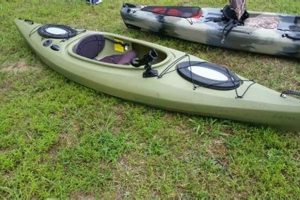
Specialized kayaks play a pivotal role in the pursuit of ocean kayak fishing, offering a platform designed for stability, performance, and functionality in the demanding offshore environment. Unlike recreational kayaks, these specialized vessels are purpose-built to withstand challenging sea conditions and provide anglers with the features necessary for a successful and safe fishing experience. Their design and features directly impact an angler’s ability to navigate, locate fish, and manage equipment effectively in the open ocean.
- Stability
Enhanced stability is paramount in offshore conditions. Wider hulls and specialized designs minimize the risk of capsizing in rough seas or during fish-fighting maneuvers. This stability allows anglers to focus on fishing rather than constantly managing balance. A stable platform is also crucial for casting, reeling, and landing fish effectively.
- Storage and Organization
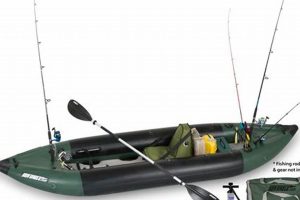
Ample storage is essential for carrying fishing gear, safety equipment, and personal items. Dedicated compartments and integrated storage systems keep gear organized and accessible, minimizing clutter and maximizing efficiency. Specialized kayaks often feature rod holders, tackle storage, and dry hatches for protecting sensitive electronics and equipment from saltwater exposure.
- Propulsion and Tracking
Efficient propulsion is crucial for covering distance and reaching fishing grounds. Longer kayaks with streamlined hulls track better in open water, reducing paddling effort and maximizing speed. Some specialized kayaks are designed for pedal or motor propulsion, offering hands-free fishing opportunities and increased range. The choice of propulsion depends on individual preferences and fishing styles.
- Durability and Construction
Ocean-going kayaks must withstand the rigors of saltwater exposure and potential impacts. Durable construction materials like high-density polyethylene or composite materials provide the necessary strength and longevity. Reinforced hulls and decks can withstand collisions with rocks or other obstacles encountered in the nearshore environment. Careful selection of materials ensures a kayak can withstand the demands of offshore use.
These specialized features combine to create a platform optimized for the challenges and rewards of ocean kayak fishing. The selection of an appropriate kayak directly influences an angler’s safety, comfort, and overall success on the water. Investing in a kayak designed for offshore conditions significantly enhances the experience and allows anglers to fully engage with this demanding and exhilarating pursuit. The right kayak serves as a reliable and capable partner in the open ocean, facilitating a deeper connection with the marine environment.
3. Targeted Fishing Techniques

Targeted fishing techniques are integral to successful ocean kayak fishing. Employing specific strategies tailored to the target species maximizes catch rates and minimizes environmental impact. Understanding fish behavior, habitat preferences, and effective angling methods significantly enhances the overall fishing experience. The selection and application of appropriate techniques are crucial for responsible and productive angling.
- Trolling
Trolling involves dragging lures or bait behind a moving kayak. This technique covers a wide area, effectively searching for active fish. In ocean kayak fishing, trolling can be particularly effective for targeting pelagic species such as mackerel, tuna, or wahoo. Varying trolling speed and lure depth allows anglers to target specific species and adapt to changing conditions. The use of planer boards or downriggers can further enhance trolling effectiveness by presenting lures at different depths.
- Drift Fishing
Drift fishing allows the kayak to move naturally with the current, presenting bait or lures to fish in a lifelike manner. This technique is particularly well-suited for targeting bottom-dwelling species such as snapper, grouper, or halibut. Using appropriate weights and rigs ensures that bait or lures stay at the desired depth. Drift fishing can be highly effective in areas with structure or over reefs, where fish often congregate.
- Casting and Retrieving
Casting and retrieving allows anglers to target specific areas with precision, presenting lures to fish holding near structure or in shallow water. This technique is effective for species like snook, redfish, or sea trout. Using a variety of lures, including topwater plugs, jigs, or soft plastics, can entice strikes from different species. Varying retrieve speed and action can further enhance lure presentation and trigger aggressive responses from fish.
- Jigging
Jigging involves vertically presenting lures to fish, often in deeper water. This technique requires specialized tackle and a rhythmic up-and-down motion of the rod to mimic the movement of injured prey. Jigging can be highly effective for targeting bottom-dwelling species or pelagic fish holding near structure. Using different jig weights and styles allows anglers to adapt to varying depths and current conditions. Metal jigs, soft plastic jigs, and bucktail jigs are all commonly used in ocean kayak fishing.
Adapting these techniques to specific locations, species, and prevailing conditions elevates ocean kayak fishing from a recreational pastime to a specialized pursuit. Proficiency in these techniques, coupled with a deep understanding of fish behavior and habitat, distinguishes successful anglers. Effective targeting enhances both the sport and the conservation of marine resources.
4. Essential Safety Gear
The demanding environment of open-water angling necessitates meticulous attention to safety. Essential safety gear forms an integral component of responsible ocean kayak fishing, mitigating potential risks and ensuring angler well-being. The inherent unpredictability of the ocean environment, coupled with the physical demands of kayaking and angling, underscores the critical importance of proper safety precautions. Neglecting these precautions can transform an exhilarating experience into a life-threatening situation.
Consider the scenario of an angler encountering unexpected adverse weather conditions. A sudden squall can generate strong winds and choppy seas, creating challenging paddling conditions and increasing the risk of capsize. In such circumstances, a personal flotation device (PFD) becomes a critical piece of survival equipment. Similarly, a VHF radio enables communication with shore or other vessels, facilitating rescue efforts in case of an emergency. A signaling device, such as a flare or mirror, further enhances visibility and aids in attracting attention. A first-aid kit equipped to handle common injuries, including lacerations, hooks, and exposure-related ailments, provides immediate medical attention while awaiting rescue.
Beyond emergency situations, essential safety gear plays a preventative role. A reliable paddle leash prevents loss of the primary means of propulsion in rough conditions. Carrying ample drinking water combats dehydration, a common concern in the exposed marine environment. Sun protection, including sunscreen, hats, and polarized sunglasses, minimizes the risk of sunburn and long-term skin damage. These seemingly small precautions contribute significantly to overall safety and well-being, allowing anglers to fully focus on the fishing experience without compromising their safety. Understanding the function and importance of each piece of safety gear equips anglers to make informed decisions and respond effectively to unforeseen circumstances, transforming a potentially perilous situation into a manageable challenge. This preparedness fosters a culture of responsible angling, safeguarding both individual well-being and the long-term sustainability of the sport.
5. Respectful Angling Practices
Respectful angling practices form an essential component of ocean kayak fishing, ensuring the long-term health of marine ecosystems and the sustainability of the sport. These practices extend beyond mere adherence to regulations, encompassing a deep understanding of the interconnectedness of the marine environment and the potential impact of human activity. This awareness fosters a sense of responsibility and stewardship, promoting harmonious coexistence between anglers and the natural world.
Consider the impact of improper fish handling. Dragging a fish across the kayak’s hull can remove its protective slime coating, increasing susceptibility to infection and disease. Similarly, excessive air exposure can damage delicate gill tissues, hindering respiration and leading to mortality. Respectful anglers employ proper techniques, minimizing handling time and utilizing appropriate tools to reduce stress on captured fish. Practicing catch-and-release, whenever possible, further contributes to conservation efforts, allowing fish to return to their natural environment and continue contributing to the ecosystem. Choosing appropriate tackle and fishing techniques minimizes bycatch, reducing the unintentional capture of non-target species. Avoiding sensitive habitats, such as seagrass beds or coral reefs, prevents damage to these vital ecosystems. Retrieving lost fishing lines and hooks further reduces the risk of entanglement and injury to marine life.
The cumulative effect of these individual actions translates into a significant positive impact on the marine environment. Respectful angling practices are not merely a set of rules but a reflection of an angler’s ethical commitment to preserving the resource that sustains their passion. This understanding fosters a culture of responsible angling, ensuring that future generations can enjoy the thrill and reward of ocean kayak fishing. The practical significance of this understanding extends beyond conservation, enhancing the overall fishing experience. Anglers who prioritize respectful practices often find greater satisfaction in their pursuits, knowing their actions contribute to the health and vitality of the marine world. This deeper connection with nature elevates ocean kayak fishing from a recreational activity to a profound engagement with the natural world, fostering a sense of responsibility and appreciation for the delicate balance of marine ecosystems.
6. Sustainable Catch-and-Release

Sustainable catch-and-release practices are integral to the long-term viability of ocean kayak fishing. This approach minimizes the impact of angling on fish populations and the broader marine ecosystem. Effective catch-and-release requires careful consideration of handling techniques, equipment choices, and environmental awareness. Its successful implementation ensures the continued health and abundance of fish stocks, preserving the sport for future generations.
- Minimizing Handling Time
Reducing the duration of fish handling minimizes stress and physiological disruption. Air exposure, particularly in warm climates, can damage sensitive gill tissues. Supporting the fish horizontally in the water while removing the hook reduces strain and facilitates quicker recovery. Wet hands or gloves further minimize damage to the fish’s protective slime coating. Rapid and efficient handling techniques contribute significantly to post-release survival rates.
- Appropriate Hook Selection
Using barbless hooks or crushing barbs on existing hooks facilitates quicker and less traumatic hook removal. Barbless hooks minimize tissue damage and reduce the likelihood of deep hooking. Circle hooks, designed to hook fish in the corner of the mouth, further minimize injury and increase the chances of successful release. Careful hook selection significantly improves post-release survival, particularly for delicate species.
- Proper Release Techniques
Reviving exhausted fish before release is crucial, particularly for species caught in deep water or after a prolonged fight. Holding the fish upright in the water, facing into the current, allows water to flow over its gills, aiding respiration. Gently moving the fish back and forth encourages water circulation and assists in recovery. Avoiding dropping or throwing the fish back into the water minimizes further injury and maximizes the chances of a successful return to its natural environment.
- Environmental Awareness
Practicing catch-and-release in conjunction with other environmentally conscious angling practices enhances overall sustainability. Avoiding fishing in sensitive habitats, such as spawning grounds or nursery areas, protects vulnerable populations. Proper disposal of fishing line and other debris minimizes pollution and reduces the risk of entanglement for marine life. Adhering to local fishing regulations and size limits further contributes to responsible resource management.
Integrating these sustainable catch-and-release practices into ocean kayak fishing elevates the sport beyond mere recreation, fostering a sense of stewardship and ensuring the long-term health of marine ecosystems. This commitment to conservation aligns with the adventurous spirit of ocean kayak fishing, reinforcing the connection between anglers and the natural world. By prioritizing sustainable practices, anglers contribute directly to the preservation of the sport they cherish, ensuring its continued enjoyment for generations to come.
Frequently Asked Questions
Addressing common inquiries regarding this specialized fishing method provides clarity for both novice and experienced anglers. Understanding the nuances of this activity enhances safety and promotes responsible engagement with the marine environment.
Question 1: What are the essential safety precautions for ocean kayak fishing?
Essential safety precautions include wearing a personal flotation device (PFD), carrying a VHF radio, informing someone of trip plans, checking weather forecasts, and carrying a first-aid kit. These precautions mitigate potential risks associated with the open ocean environment.
Question 2: What type of kayak is best suited for ocean fishing?
Kayaks designed for stability in offshore conditions are recommended. Features like rod holders, ample storage, and a comfortable seating system enhance the fishing experience. Sit-on-top kayaks are generally preferred for their self-bailing capabilities and ease of re-entry after a capsize.
Question 3: What fishing techniques are most effective in the open ocean?
Effective techniques include trolling, drift fishing, casting and retrieving, and jigging. The choice of technique depends on the target species and prevailing conditions. Adaptability and knowledge of fish behavior are key to success.
Question 4: What are the essential items to include in a kayak fishing kit?
Essential items include a PFD, VHF radio, signaling device, first-aid kit, paddle leash, fishing rods and reels, appropriate tackle, and a dry bag for personal items and electronics. A well-equipped kit enhances safety and preparedness for various situations.
Question 5: How does one locate fish in the open ocean?
Locating fish requires understanding oceanographic principles, utilizing fish-finding electronics, observing bird activity, and identifying areas of structure or baitfish concentrations. Experience and knowledge of fish behavior enhance the ability to pinpoint productive fishing grounds.
Question 6: What are the ethical considerations related to ocean kayak fishing?
Ethical considerations include practicing catch-and-release whenever possible, adhering to local fishing regulations, minimizing environmental impact, and respecting other ocean users. Responsible angling ensures the sustainability of the sport and the health of marine ecosystems.
Careful consideration of these frequently asked questions enhances angler preparedness, promotes safety, and fosters a culture of responsible ocean kayak fishing. Thorough planning and a commitment to ethical practices contribute significantly to a rewarding and sustainable experience.
Beyond these frequently asked questions, further exploration of specific techniques, regional considerations, and advanced safety protocols can enhance angling proficiency and contribute to a deeper appreciation of this demanding and fulfilling pursuit.
Ocean Kayak Frenzy Fishing
This exploration has delved into the multifaceted nature of ocean kayak fishing, encompassing the essential elements of safety, technique, and environmental responsibility. From understanding ocean conditions and selecting specialized equipment to employing targeted fishing strategies and practicing sustainable catch-and-release, the pursuit demands a comprehensive approach. Prioritizing safety through proper gear and meticulous planning mitigates inherent risks. Respectful angling practices, informed by a deep understanding of marine ecosystems, ensure the long-term health of fish populations and the sustainability of the sport.
Ocean kayak fishing offers a unique and rewarding connection with the marine environment. It presents an opportunity to experience the thrill of angling while immersed in the natural world. However, this pursuit requires careful consideration of its impact. Responsible anglers recognize the delicate balance of marine ecosystems and strive to minimize their footprint. The future of this exhilarating sport rests on the collective commitment to sustainable practices, ethical decision-making, and a profound respect for the ocean and its inhabitants. Through continued education, responsible angling practices, and ongoing conservation efforts, the legacy of ocean kayak fishing can be preserved for generations to come.