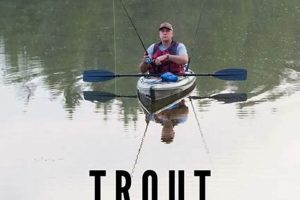
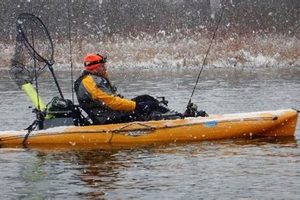
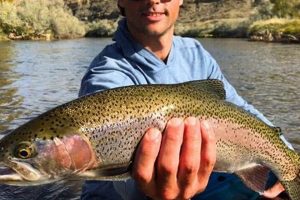
Combining the stealth and maneuverability of kayaks with the finesse of fly fishing presents unique opportunities for anglers. This approach allows access to shallow, secluded waters often unreachable by traditional boats, creating an intimate connection with the environment and increasing the likelihood of encountering fish. Consider the example of an angler paddling silently into a protected cove, then casting a delicate fly to rising trout. This exemplifies the essence of this specialized angling technique.
The advantages extend beyond mere access. Kayaks offer a stable platform for casting, especially in calm conditions, and their low profile minimizes disturbance to fish. Historically, kayaks have been used for fishing for millennia by diverse cultures, highlighting their enduring practicality. Modern advancements in kayak design and fly fishing gear have further enhanced this synergy, allowing for greater precision, comfort, and overall success. This method also promotes environmentally responsible fishing practices, given the minimal impact of human-powered watercraft.
This exploration will delve into the essential equipment considerations, casting techniques adapted for kayaks, strategies for locating fish, and crucial safety precautions for a successful and rewarding experience on the water.
Kayak Fly Fishing Tips
Preparation and technique are crucial for a successful kayak fly fishing outing. The following tips offer guidance for anglers of all skill levels.
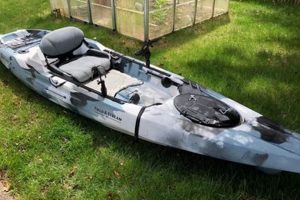
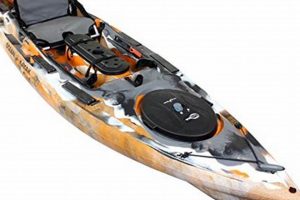
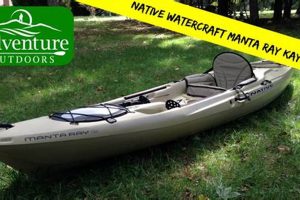
Tip 1: Choose the Right Kayak: A sit-on-top kayak offers greater stability and easier access to gear compared to a sit-inside. Consider a shorter, wider kayak for better maneuverability in tight spaces and increased stability for casting.
Tip 2: Organize and Secure Gear: Use waterproof bags and boxes to protect essential equipment. Strategically position gear within easy reach, minimizing movement and maximizing efficiency.
Tip 3: Practice Casting Techniques: Adapt casting strokes to the seated position and limited space within a kayak. Short, controlled casts are often more effective than long-distance attempts.
Tip 4: Understand Water Conditions: Wind, current, and tides significantly impact kayak control and fishing presentation. Plan accordingly and adjust techniques as needed.
Tip 5: Utilize Anchoring Systems: A stake-out pole or drift sock allows anglers to maintain position in desired locations, maximizing fishing opportunities in specific areas.
Tip 6: Employ Stealth Tactics: Minimize noise and movement to avoid spooking fish. Approach fishing spots slowly and quietly, blending with the natural environment.
Tip 7: Prioritize Safety: Wear a personal flotation device (PFD) at all times. Carry a whistle, signaling device, and basic first-aid kit for emergencies. Inform someone of fishing plans and expected return time.
By adhering to these guidelines, anglers can enhance their experience, improve their chances of success, and ensure a safe and enjoyable outing on the water.
These tips offer a starting point for exploring the exciting world of kayak fly fishing. Further research and practice will refine techniques and lead to greater proficiency.
1. Stable Kayak Platform

A stable kayak platform is fundamental to successful kayak fly fishing. It provides the foundation for accurate casting, efficient line management, and safe maneuvering in diverse water conditions. Without stability, anglers struggle to maintain balance and execute essential techniques effectively.
- Kayak Selection:
Wider, flatter-bottomed kayaks generally offer greater initial stability than narrower, V-hulled designs. A sit-on-top kayak often provides enhanced stability due to its lower center of gravity. Selecting a kayak appropriate for the intended fishing environment (calm lakes versus flowing rivers) is critical. For example, a shorter, wider kayak excels in small ponds, while a longer, more streamlined design suits larger bodies of water.
- Weight Distribution:
Proper weight distribution within the kayak significantly influences stability. Centering weight low and evenly enhances balance. Storing heavier items near the center of the kayak and avoiding excessive weight at either end prevents tipping. An angler’s body position also plays a role; leaning too far to one side compromises stability.
- Environmental Factors:
Wind, current, and waves directly affect kayak stability. Anglers must anticipate and adapt to changing conditions. Techniques like using a drift sock or anchoring in current can improve stability. Understanding how wind and waves impact kayak movement allows anglers to position themselves effectively for casting and playing fish.
- Casting and Landing Fish:
Stability directly impacts casting accuracy and the ability to fight and land fish effectively. A stable platform enables controlled casting motions and minimizes the risk of capsizing when battling larger fish. Practicing casting from a seated position and understanding the kayak’s response to movement improve angler performance.
Ultimately, a stable kayak platform is essential for maximizing efficiency and safety while fly fishing. By considering kayak selection, weight distribution, environmental conditions, and the dynamics of casting and landing fish, anglers can enhance their overall experience and increase their chances of success on the water.
2. Organized Gear Storage
Organized gear storage is paramount for efficient and successful kayak fly fishing. Limited space and the dynamic nature of the sport necessitate a systematic approach to equipment management. A cluttered kayak impedes casting, hinders access to essential tools, and increases the risk of tangles and lost gear. Consider the scenario of a hooked fish making a sudden run while an angler fumbles through a disorganized pile of line, flies, and tools. Such disarray can result in a lost fish, damaged equipment, or even a capsizing event. Conversely, readily accessible tools and a clear deck contribute to a streamlined fishing experience, allowing anglers to focus on presentation and fish-fighting techniques.
Practical organization strategies maximize available space and minimize wasted time. Waterproof boxes and bags protect vulnerable items from moisture and provide compartments for sorting flies, leaders, tippet material, and other small accessories. Utilizing designated areas for specific items for instance, a dedicated fly patch on a hat or vest ensures quick access. Leashes or retractors attached to frequently used tools prevent loss overboard. Furthermore, strategic placement of gear within the kayak, considering reach and balance, enhances efficiency and stability. Placing heavier items low in the kayak improves balance, while frequently used items should be within easy reach.
Ultimately, organized gear storage is not merely a matter of convenience; it is a critical component of successful kayak fly fishing. A well-organized system reduces distractions, optimizes efficiency, and contributes to a safer and more enjoyable on-the-water experience. This proactive approach allows anglers to focus on the nuances of fishing, ultimately increasing their chances of success and fostering a deeper appreciation for the sport.
3. Adapted Casting Techniques

Casting from a kayak presents unique challenges distinct from shore-based or boat-based fly fishing. The confined space and seated position necessitate modifications to traditional casting techniques. Mastery of these adaptations is crucial for accurate fly placement and efficient line management, ultimately influencing angling success. These adapted techniques maximize efficiency within the kayak’s limited space while maintaining effective fly presentation.
- Compact Casting Strokes:
Sidearm and underhand casts, requiring less vertical clearance, become essential tools in the kayak angler’s arsenal. These compact strokes minimize interference with the kayak’s structure and low overhead obstructions. For example, casting beneath overhanging branches requires a precise underhand stroke, achievable only with practice and adaptation to the seated position.
- Limited Backcast Space:
The limited backcast space within a kayak requires increased awareness of rod position and trajectory. Anglers must adjust casting arcs and timing to avoid hooking the kayak or surrounding objects. A controlled backcast, emphasizing accuracy over distance, prevents tangles and maximizes casting efficiency within the confined area.
- Water-Based Casting Adjustments:
Casting from a water-based platform introduces variables like wind drift and current, requiring further adaptation. Anglers must compensate for these factors by adjusting casting angles and power to maintain accurate fly placement. For instance, casting into a headwind requires a more powerful stroke to counteract the wind’s effect on the line.
- Roll Casting Applications:
Roll casting, a technique reliant on water tension to load the rod, proves invaluable in situations where a backcast is impossible. This method excels in tight quarters or beneath overhanging vegetation, allowing for effective presentations without requiring ample backcast space. Mastery of the roll cast significantly expands casting opportunities from a kayak.
These adapted casting techniques are integral to effective kayak fly fishing. They represent crucial adaptations necessitated by the unique challenges of this specialized angling approach. Proficiency in these techniques enhances casting accuracy, improves line management, and ultimately contributes to a more successful and enjoyable fishing experience from the kayak. By understanding and implementing these modifications, anglers can effectively target fish in diverse environments while maximizing the advantages of a kayak platform.
4. Strategic Spot Selection

Strategic spot selection is paramount in kayak fly fishing. Unlike shore-based angling, kayak fishing allows access to a wider range of locations, necessitating careful consideration of factors influencing fish behavior and angling success. Choosing the right location significantly impacts catch rates and overall fishing experience. A well-chosen spot maximizes the advantages of kayak fishing, allowing anglers to exploit prime feeding zones and optimize presentations.
- Reading the Water:
Observing water flow and structure reveals prime locations for fish. Current seams, eddies, and backwaters often hold feeding fish. Understanding how these features interact creates opportunities for targeted presentations. For instance, casting a fly upstream of a submerged log allows the current to carry the fly naturally to waiting fish. Identifying areas with consistent feeding activity, such as rising trout or swirling baitfish, further refines spot selection.
- Leveraging Kayak Mobility:
Kayaks provide access to shallow, secluded areas often inaccessible to other watercraft. This mobility allows exploration of diverse habitats, including shallow flats, protected coves, and densely vegetated shorelines. Exploiting these unique access points expands fishing opportunities. Navigating quietly through shallows provides opportunities for sight fishing and targeting fish holding in protected areas.
- Considering Wind and Light:
Wind and light conditions influence fish behavior and impact angling strategies. Casting into the wind presents challenges but also positions the angler for a natural drift. Fishing in low-light conditions or during overcast days can trigger increased feeding activity. Understanding these influences refines spot selection and maximizes opportunities. For example, fishing the downwind side of a shoreline minimizes casting difficulty and presents flies naturally to fish.
- Prioritizing Stealth and Approach:
Kayaks allow for a stealthy approach, crucial for avoiding spooking fish, especially in clear, shallow water. Minimizing noise and paddle splashes is essential. Approaching fishing spots slowly and deliberately increases the likelihood of a successful presentation. A quiet approach, combined with careful observation, enhances the angler’s ability to detect subtle fish activity and adjust strategies accordingly.
Strategic spot selection, informed by these factors, is an integral aspect of successful kayak fly fishing. It represents a dynamic process, demanding continuous observation, adaptation, and a keen understanding of fish behavior. By effectively evaluating these elements, anglers maximize their chances of success and elevate the overall fishing experience. This attention to detail distinguishes successful kayak fly fishers and contributes to consistently productive outings on the water.
5. Essential Safety Practices

Essential safety practices are inextricably linked to successful kayak fly fishing. While the focus often rests on angling techniques and equipment, neglecting safety compromises not only the fishing experience but also the angler’s well-being. The inherent risks associated with on-water activities, amplified by the specialized nature of kayak fly fishing, necessitate a proactive and comprehensive approach to safety. For example, an angler wading in swift currents to land a fish without proper wading boots and a wading staff risks a serious fall, highlighting the direct connection between safety precautions and angling activities. Similarly, venturing onto the water without informing someone of the planned location and return time, a seemingly minor oversight, can have grave consequences in case of an emergency.
Several key safety measures directly address the unique challenges of kayak fly fishing. Wearing a personal flotation device (PFD) is paramount. A PFD provides essential buoyancy in the event of a capsize, particularly critical when dealing with challenging weather conditions or unexpected encounters with obstacles. Carrying a communication device, such as a waterproof VHF radio or a mobile phone in a waterproof case, enables contact with emergency services or shore-based support in case of unforeseen circumstances. Checking weather forecasts before embarking on a fishing trip allows anglers to anticipate potentially hazardous conditions and make informed decisions about whether to proceed. Further, understanding local regulations and waterway restrictions contributes to a safe and responsible fishing experience. Practical preparation, including carrying a basic first-aid kit and knowing how to administer basic first aid, equips anglers to handle minor injuries or medical situations effectively.
Ultimately, integrating essential safety practices into kayak fly fishing protocols isn’t merely a precautionary measure; it is a fundamental element of responsible angling. Prioritizing safety enhances the overall fishing experience by mitigating potential risks and allowing anglers to focus on the enjoyment of the sport. This proactive approach fosters a culture of safety within the angling community and contributes to a more sustainable and rewarding pursuit of kayak fly fishing. Neglecting these fundamental principles jeopardizes not only individual well-being but also the long-term sustainability of the sport. A comprehensive understanding and consistent application of safety measures ensure that kayak fly fishing remains a safe and enjoyable activity for all participants.
Frequently Asked Questions
This FAQ section addresses common inquiries regarding kayak fly fishing, offering concise and informative responses to assist anglers in making informed decisions and enhancing their understanding of the sport.
Question 1: What type of kayak is best suited for fly fishing?
Sit-on-top kayaks are generally preferred for their stability, ease of entry and exit, and ample gear storage options. Shorter, wider models offer enhanced maneuverability in tight spaces, while longer kayaks excel in open water. Specific design features, such as a higher seat position and a flatter hull, further enhance casting stability.
Question 2: How does one manage fly line effectively from a kayak?
Line management requires adaptation to the confined space. Using a stripping basket or a coiled line system prevents tangles and facilitates efficient retrieval. Practicing line control techniques within the kayak’s confines is crucial.
Question 3: What are the essential safety precautions for kayak fly fishing?
Wearing a personal flotation device (PFD) is paramount. Carrying a communication device, checking weather forecasts, informing someone of fishing plans, and having a basic first-aid kit are crucial safety measures.
Question 4: How does wind affect kayak fly fishing, and how can one compensate for it?
Wind impacts kayak control and fly presentation. Casting into the wind minimizes drift and allows for a more natural presentation. Utilizing a drift sock or anchoring system can stabilize the kayak in windy conditions. Adjusting casting techniques and fly selection further compensates for wind effects.
Question 5: What specialized gear or modifications are recommended for kayak fly fishing?
Specialized gear includes a kayak-specific fly rod, often shorter and faster-action for improved casting in tight spaces. A waterproof fly box, specialized anchors, and rod leashes are also beneficial adaptations for kayak fishing.
Question 6: How does one choose appropriate flies for kayak fly fishing?
Fly selection depends on the target species and the specific fishing environment. Consider water depth, clarity, and prevalent insect life. Local fly shops or experienced kayak anglers can provide valuable insights regarding effective fly patterns for a given area.
Careful consideration of these frequently asked questions empowers anglers to make informed decisions, enhance their skills, and cultivate a safer and more rewarding kayak fly fishing experience. This knowledge base contributes to increased proficiency and a deeper appreciation for the nuances of the sport.
Beyond these FAQs, a wealth of resources exists to further enhance angling knowledge and refine techniques. Consulting with experienced kayak fly fishers, participating in guided trips, or exploring online forums and educational materials provides valuable opportunities for continuous learning and skill development.
Kayak Fly Fishing Tips
Kayak fly fishing tips encompass a multifaceted approach to angling, demanding adaptation and specialized knowledge. Effective techniques, ranging from kayak selection and gear organization to adapted casting strokes and strategic spot selection, significantly influence angling success. Prioritizing safety practices ensures responsible engagement with the sport, mitigating inherent risks and fostering a sustainable approach to kayak fly fishing. Mastery of these elements distinguishes proficient kayak anglers, allowing them to navigate diverse environments and maximize their chances of success while respecting the delicate balance of aquatic ecosystems.
The pursuit of kayak fly fishing offers a unique connection with nature, challenging anglers to refine skills and deepen their understanding of aquatic environments. Continued exploration and refinement of these techniques promise rewarding experiences on the water, fostering a greater appreciation for the intricacies of both fly fishing and kayak navigation. This pursuit represents not just a recreational activity, but a journey of continuous learning, demanding adaptability, respect for the environment, and a commitment to responsible angling practices.