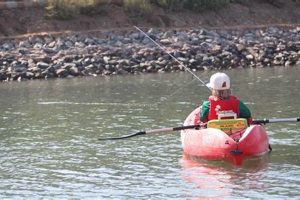
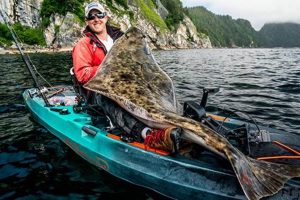
Angling from small, human-powered vessels on large freshwater bodies offers a unique blend of challenges and rewards. This activity typically involves specialized equipment designed for stability and maneuverability, allowing anglers to access shallow waters and navigate diverse environments while targeting various fish species. For example, an angler might use a sit-on-top kayak equipped with rod holders and specialized tackle to pursue salmon or trout.
This pursuit provides close-to-nature experiences, promoting physical activity and offering opportunities for solitude or camaraderie. Historically, small boats have been utilized for fishing on large lakes, evolving from traditional canoes and rowboats to modern, purpose-built kayaks. The accessibility and relatively low cost of entry make this method an increasingly popular choice for both seasoned anglers and newcomers to the sport. Moreover, the low environmental impact compared to motorized boating contributes to the sustainability of this approach to fishing.
The following sections will explore specific aspects of this fishing style in greater detail, covering topics such as equipment selection, safety procedures, popular fishing locations, and sustainable practices. Further discussion will delve into the specific challenges and opportunities presented by the diverse environments found within the targeted waterways.
Tips for Great Lakes Kayak Angling
Careful planning and preparation are essential for a safe and successful fishing excursion on the Great Lakes. The following tips offer guidance for anglers of all experience levels.
Tip 1: Check Weather Forecasts and Water Conditions: Lake conditions can change rapidly. Consulting marine weather forecasts and understanding wave patterns, wind speeds, and potential storms is crucial before embarking on any trip.
Tip 2: Wear a Personal Flotation Device (PFD): A properly fitted PFD is essential safety equipment and should be worn at all times while on the water.
Tip 3: File a Float Plan: Informing someone on shore of intended fishing locations, launch times, and expected return times is a vital safety precaution.
Tip 4: Carry Essential Safety Gear: A signaling device (whistle, mirror, or flare), a first-aid kit, a bilge pump or sponge, and a paddle leash are essential items for any kayaking trip.
Tip 5: Understand Local Regulations: Familiarization with fishing license requirements, catch limits, and any area-specific regulations is the responsibility of each angler.
Tip 6: Practice Self-Rescue Techniques: Knowing how to re-enter a kayak after capsizing is a vital skill, especially in cold water. Practice these techniques in a controlled environment before venturing onto open water.
Tip 7: Secure Equipment: Ensure all fishing gear and other equipment are properly secured to the kayak to prevent loss in the event of a capsize.
Tip 8: Respect Wildlife and the Environment: Practice catch-and-release whenever possible and adhere to Leave No Trace principles to minimize environmental impact.
Adhering to these guidelines contributes significantly to angler safety and responsible enjoyment of these valuable natural resources.
By incorporating these tips into pre-trip planning and on-the-water practices, anglers can maximize their chances of a successful and enjoyable experience while minimizing potential risks. This focus on safety and preparation sets the stage for a rewarding experience on the Great Lakes.
1. Safety Gear
Safeguarding against unforeseen circumstances on large bodies of water is paramount. Appropriate safety equipment is crucial for mitigating risks and ensuring a positive experience while kayak fishing on the Great Lakes. Preparation and awareness contribute significantly to angler well-being and successful outings.
- Personal Flotation Device (PFD)
A properly fitted PFD is non-negotiable. It provides buoyancy in the event of capsizing, increasing survival chances in cold water. Type III PFDs, designed for calm, inland waters where rapid rescue is expected, are generally suitable for Great Lakes kayak fishing near shore. However, more buoyant Type I or Type II PFDs might be considered for more challenging conditions or when venturing further offshore.
- Communication Devices
Maintaining communication is essential for summoning assistance in emergencies. A waterproof VHF radio allows direct contact with the Coast Guard and other boaters. Carrying a fully charged mobile phone in a waterproof case provides a secondary communication option. Signaling devices such as whistles, mirrors, or flares can also attract attention if needed.
- Navigation and Lighting
A compass and chart, preferably waterproof versions, aid navigation, especially in fog or reduced visibility. A GPS device or a chartplotter provides accurate positioning information and helps anglers navigate safely. Carrying a headlamp or flashlight, even during daylight hours, proves useful in emergencies or low-light conditions.
- Safety Kit
A well-equipped safety kit is indispensable. This kit should include a first-aid kit for treating minor injuries, a bilge pump or sponge for removing water from the kayak, a knife or multi-tool, and a paddle leash to prevent losing the paddle in rough conditions. A tow rope can be useful for assisting other kayakers or being towed in case of an emergency.
Investing in and utilizing appropriate safety gear contributes significantly to reducing risks associated with open-water activities. Comprehensive preparation promotes angler confidence and enhances the overall experience of kayak fishing on the Great Lakes. Combining these safety measures with knowledge of self-rescue techniques and a clear understanding of local regulations further prepares anglers for the inherent challenges and rewards of this pursuit.
2. Kayak Selection
Appropriate kayak selection significantly impacts safety and fishing success on the Great Lakes. Vessel characteristics influence stability, maneuverability, and storage capacity, all crucial factors in this environment. Choosing the right kayak depends on individual needs and preferences, as well as the specific fishing style employed. For example, a longer, narrower kayak designed for touring might be suitable for covering larger distances and trolling, while a shorter, wider kayak offers better stability for casting in shallower areas.
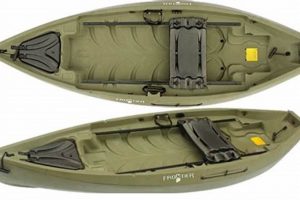
Sit-on-top kayaks, known for self-bailing capabilities and ease of re-entry after a capsize, are generally favored for Great Lakes fishing. Their open design allows anglers to move around more freely and offers ample storage for fishing gear. Sit-inside kayaks provide better protection from the elements and can be outfitted with spray skirts to reduce water entry, but they require more skill to manage in rough conditions. Specific features such as rod holders, anchor trolleys, and rudder systems enhance fishing functionality. Pedal-powered kayaks offer hands-free fishing and increased speed, enabling anglers to cover more water, while electric motors enhance range and facilitate travel against wind or currents.
Careful consideration of kayak features in relation to specific fishing needs and Great Lakes conditions enhances both safety and the overall fishing experience. Matching the kayak to the intended fishing style and the anticipated environment optimizes performance and angler comfort. Factors such as storage capacity, stability, and maneuverability directly influence fishing success and the ability to handle varying water conditions. Ultimately, selecting an appropriate vessel tailored to individual requirements and the specific demands of Great Lakes fishing contributes significantly to a rewarding and safe angling experience.
3. Target Species

The Great Lakes offer diverse fishing opportunities, with a variety of species attracting anglers. Understanding the behavior, habitat preferences, and seasonal patterns of target species significantly enhances the likelihood of a successful kayak fishing excursion. Selecting appropriate fishing gear and techniques based on the targeted species is essential for maximizing catch rates and promoting responsible angling practices. The connection between target species and kayak fishing on the Great Lakes lies in adapting approaches to suit the specific characteristics of desired fish.
- Salmonids (Salmon and Trout)
Salmon and trout species, including Chinook, Coho, Lake Trout, and Steelhead, represent popular targets. These fish often inhabit deeper, cooler waters, particularly during warmer months. Trolling with downriggers or lead-core lines allows anglers to present lures or bait at specific depths. Spoons, flashers, and dodgers are commonly employed to attract these predatory fish. Knowledge of seasonal spawning runs and thermal stratification patterns is crucial for locating salmonids.
- Walleye
Walleye, prized for their firm, flaky flesh, are another sought-after species in the Great Lakes. These fish often inhabit rocky reefs, drop-offs, and weed beds. Jigging with soft plastic lures or live bait rigs are effective techniques for targeting walleye. Understanding their low-light feeding preferences can enhance success rates, especially during dawn and dusk or on overcast days.
- Bass (Smallmouth and Largemouth)
Bass species, including Smallmouth and Largemouth, thrive in shallower, vegetated areas of the Great Lakes. Casting topwater lures, crankbaits, or spinnerbaits around structures like submerged logs, rocks, and weed lines can entice these aggressive predators. Understanding their ambush-style hunting behavior informs lure selection and retrieval techniques.
- Panfish (Bluegill, Crappie, Perch)
Panfish, such as Bluegill, Crappie, and Yellow Perch, offer plentiful opportunities for anglers of all skill levels. These species often congregate around docks, piers, and weed beds. Using light tackle and small jigs, live bait, or bobbers can be highly effective. Panfish provide excellent table fare and are a popular target for families and novice anglers.
Targeting specific species in the Great Lakes requires careful consideration of their respective habits and preferred habitats. Adapting kayak fishing techniques and equipment to suit these characteristics significantly increases the chances of a successful and rewarding experience. Respecting catch limits and practicing selective harvest contributes to the sustainability of these valuable fisheries, ensuring their continued enjoyment for future generations. By understanding the nuances of each target species, anglers can maximize their success while minimizing environmental impact.
4. Location Planning

Strategic location planning is paramount for successful and safe kayak fishing excursions on the Great Lakes. Choosing appropriate launch sites, considering water conditions, and understanding potential hazards contribute significantly to a positive angling experience. Thorough pre-trip planning enables anglers to maximize fishing time, minimize risks, and ensure responsible enjoyment of these vast freshwater resources. Effective location planning hinges on a comprehensive assessment of various factors, including access points, prevailing weather patterns, and the presence of potential navigational challenges.
- Access Points and Launch Sites
Identifying suitable launch sites is the first step in location planning. Public boat ramps, designated kayak launch areas, and accessible shorelines provide entry points to the Great Lakes. Considering parking availability, fees, and facilities like restrooms and fish cleaning stations adds to the convenience of the chosen launch site. Evaluating the proximity of the launch site to intended fishing grounds minimizes travel time on the water and allows anglers to reach desired locations efficiently.
- Weather and Water Conditions
Monitoring weather forecasts and understanding prevailing wind patterns are essential for safe kayak fishing. Strong winds, waves, and storms can create hazardous conditions on the Great Lakes, especially for smaller vessels. Checking real-time buoy data for wave heights and water temperatures informs decision-making and allows anglers to choose appropriate locations based on prevailing conditions. Postponing trips due to unfavorable weather prioritizes safety and reduces risks associated with open-water activities.
- Navigational Hazards and Obstacles
Awareness of potential navigational hazards is crucial for safe passage on the Great Lakes. Shipping channels, shallow reefs, submerged rocks, and changing water levels can pose risks to kayakers. Consulting nautical charts and utilizing GPS devices help anglers navigate safely and avoid hazardous areas. Understanding local regulations regarding restricted zones and maintaining a safe distance from motorized vessels enhances overall safety.
- Fishing Regulations and Access Restrictions
Familiarization with fishing regulations specific to each Great Lake is essential. Understanding license requirements, catch limits, size restrictions, and seasonal closures ensures compliance with local laws. Researching access restrictions, including protected areas and tribal fishing zones, informs responsible angling practices. Awareness of designated fishing areas, such as artificial reefs or fish sanctuaries, can enhance fishing opportunities while promoting conservation efforts.
Integrating these considerations into location planning contributes significantly to the overall success and safety of Great Lakes kayak fishing trips. Thorough preparation, informed decision-making, and adherence to safety guidelines enable anglers to fully enjoy the experience while minimizing potential risks. By prioritizing safety and responsible angling practices, kayak fishing enthusiasts can contribute to the long-term preservation of these valuable freshwater ecosystems.
5. Fishing Techniques

Effective fishing techniques are essential for successful angling from a kayak on the Great Lakes. These techniques must be adapted to the specific challenges and opportunities presented by this unique environment. Factors such as kayak stability, limited casting range, and the vastness of the lakes influence the choice and application of various fishing methods. Understanding these influences and employing appropriate techniques significantly impacts catch rates and angler satisfaction. For instance, trolling from a kayak requires specialized equipment and strategies different from those used in larger vessels. Similarly, casting from a kayak demands precise lure control and an understanding of fish behavior in relation to the kayak’s presence.
Several techniques prove particularly effective for kayak anglers on the Great Lakes. Trolling, a method involving dragging lures or bait behind a moving kayak, allows anglers to cover large areas and target specific depths. Downriggers and planer boards enhance trolling effectiveness by presenting offerings at precise depths and covering a wider swath of water. Drift fishing, where the kayak drifts naturally with wind or current, allows anglers to cover ground while presenting bait or lures naturally. Casting from a kayak requires adapting techniques to maintain stability and accuracy. Using shorter rods and lighter lures often improves casting control and reduces the risk of tangling or snagging. Jigging vertically beneath the kayak proves effective for targeting bottom-dwelling species or fish suspended in the water column. Adapting these techniques to specific target species, water depths, and prevailing conditions enhances their efficacy and increases the likelihood of success.
Mastering appropriate fishing techniques for kayak angling on the Great Lakes presents unique opportunities and challenges. Adaptability and a thorough understanding of fish behavior, water conditions, and kayak limitations are crucial for consistent success. Employing specialized equipment and modifying traditional techniques to suit the kayak fishing environment maximizes angling potential. The choice of technique, coupled with careful location selection and adherence to safety protocols, contributes significantly to a safe and rewarding experience on the Great Lakes. Ultimately, refining technique through practice and observation enhances angler proficiency and allows for a deeper appreciation of the complexities and rewards of this specialized fishing discipline.
6. Environmental Awareness

Maintaining the ecological integrity of the Great Lakes is crucial for the sustainability of kayak fishing and the overall health of the region. Environmental awareness among anglers plays a vital role in minimizing the impact of this recreational activity and preserving these valuable freshwater resources for future generations. Responsible angling practices demonstrate a commitment to conservation and contribute to the long-term health of the Great Lakes ecosystem. Understanding the interconnectedness of human actions and environmental consequences is fundamental to sustainable kayak fishing.
- Leave No Trace Principles
Adhering to Leave No Trace principles minimizes human impact on the environment. Packing out all trash, including fishing line and tackle remnants, prevents pollution and protects wildlife. Avoiding disturbing vegetation and minimizing shoreline erosion preserves natural habitats. Respecting wildlife by observing from a distance and refraining from feeding animals maintains the natural balance of the ecosystem. Proper disposal of human waste minimizes contamination and protects water quality. Practicing these principles reflects a commitment to responsible recreation and ensures the preservation of pristine environments for future generations.
- Aquatic Invasive Species Prevention
Preventing the spread of aquatic invasive species is crucial for maintaining the biodiversity of the Great Lakes. Thoroughly cleaning kayaks, paddles, and fishing gear before and after each outing removes any attached organisms, preventing their introduction to new locations. Draining bilge water and live wells completely eliminates the potential transfer of invasive species. Disposing of unused bait properly prevents the introduction of non-native species. Educating oneself about invasive species and reporting any sightings contributes to early detection and rapid response efforts, mitigating their spread and impact.
- Responsible Fishing Practices
Employing responsible fishing practices contributes to the sustainability of fish populations. Practicing catch and release whenever possible minimizes stress on fish populations and allows for continued reproduction. Handling fish carefully and using appropriate fishing gear reduces injury and mortality rates. Adhering to catch limits and size restrictions ensures the long-term viability of fish stocks. Using barbless hooks minimizes damage to fish and facilitates easier release. Choosing fishing locations strategically and avoiding sensitive habitats protects spawning areas and nursery grounds, contributing to healthy fish populations.
- Water Quality Protection
Protecting water quality is essential for maintaining the health of the Great Lakes ecosystem. Avoiding the use of harmful chemicals or pollutants, such as sunscreen containing oxybenzone and octinoxate, which can be toxic to aquatic life, prevents contamination of waterways. Properly disposing of fishing line and other debris minimizes plastic pollution and its impact on aquatic organisms. Refraining from disturbing sediment or stirring up bottom debris prevents the release of pollutants and maintains water clarity. Reporting any signs of pollution or spills to appropriate authorities facilitates prompt action and mitigates potential environmental damage.
By integrating these environmental awareness principles into kayak fishing practices, anglers actively contribute to the conservation of the Great Lakes. Responsible stewardship ensures the long-term health and sustainability of these valuable ecosystems, allowing future generations to enjoy the recreational and ecological benefits of kayak fishing. Promoting environmental awareness within the angling community fosters a culture of respect for nature and strengthens the connection between human activities and environmental well-being. This mindful approach to kayak fishing not only protects the environment but also enhances the overall experience by fostering a deeper appreciation for the natural world.
Frequently Asked Questions
This section addresses common inquiries regarding kayak fishing on the Great Lakes, providing concise and informative responses to facilitate informed decision-making and enhance angler preparedness. Clarifying these frequently raised points aims to promote safe and responsible angling practices.
Question 1: What are the essential safety precautions for kayak fishing on the Great Lakes?
Essential safety precautions include wearing a properly fitted personal flotation device (PFD), checking weather forecasts and water conditions before embarking, informing someone of the float plan, carrying essential safety gear (signaling device, first-aid kit, bilge pump, paddle leash), and understanding self-rescue techniques.
Question 2: What type of kayak is best suited for Great Lakes fishing?
Sit-on-top kayaks are generally preferred for their stability, self-bailing capabilities, and ease of re-entry after a capsize. Consider factors such as length, width, and storage capacity based on individual needs, fishing style, and anticipated conditions. Specialized features like rod holders and rudder systems enhance fishing functionality.
Question 3: What fishing techniques are most effective on the Great Lakes from a kayak?
Effective techniques include trolling with downriggers or planer boards, drift fishing, casting with shorter rods and lighter lures, and vertical jigging. Adapting techniques to specific target species, water depths, and prevailing conditions enhances their efficacy.
Question 4: How can anglers minimize their environmental impact while kayak fishing?
Minimizing environmental impact involves adhering to Leave No Trace principles (packing out all trash, avoiding disturbing vegetation), preventing the spread of aquatic invasive species (cleaning gear, draining bilge water), practicing responsible fishing (catch and release, adhering to limits), and protecting water quality (avoiding pollutants).
Question 5: What are the licensing requirements for fishing on the Great Lakes?
Licensing requirements vary by state and province. Anglers should consult the relevant agencies for specific regulations, including license types, fees, and reciprocal agreements. Understanding and adhering to these regulations is essential for legal and responsible fishing.
Question 6: Where can one find information on access points and launch sites for kayak fishing on the Great Lakes?
Information on access points and launch sites can be found through online resources, local tourism websites, state and provincial parks departments, and nautical charts. Researching these resources in advance facilitates efficient trip planning and ensures access to suitable launch locations.
Careful consideration of these frequently asked questions promotes responsible angling practices and enhances safety awareness. Thorough preparation and informed decision-making contribute significantly to a positive and sustainable kayak fishing experience on the Great Lakes.
For further exploration, the following resources offer additional information and support for kayak anglers.
Conclusion
This exploration has highlighted the multifaceted nature of angling from small, human-powered vessels on large freshwater bodies. Key aspects discussed include the importance of safety precautions, appropriate kayak selection, effective fishing techniques tailored to target species, strategic location planning, and responsible environmental stewardship. The interplay of these factors contributes significantly to successful and sustainable angling experiences.
Careful consideration of these elements fosters a deeper appreciation for the challenges and rewards inherent in this pursuit. Continued emphasis on safety, conservation, and responsible angling practices will ensure the preservation of these valuable freshwater resources for future generations. Pursuit of this activity offers a unique opportunity to connect with nature while enjoying the challenge and reward of angling in a dynamic environment.