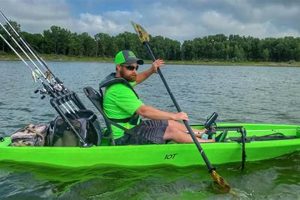
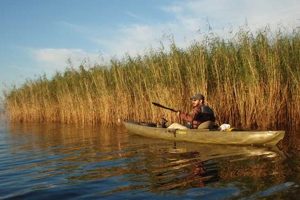
Choosing between a small, flat-bottomed aluminum boat and a narrow, human-powered watercraft for angling presents distinct advantages and disadvantages depending on the angler’s needs and fishing style. Each vessel type offers a unique experience, influenced by factors such as portability, stability, cost, and the intended fishing environment.
Selecting the appropriate watercraft profoundly impacts fishing success and overall enjoyment. Historical fishing practices often involved small, maneuverable boats suited to specific waterways. Modern advancements in materials and design have broadened the options available, allowing anglers to refine their approach based on target species, fishing techniques, and accessibility of fishing locations. A well-informed decision enhances safety, efficiency, and the potential for a successful outing.
This discussion will delve deeper into the specific characteristics of each vessel type, exploring areas such as maneuverability, storage capacity, suitability for different water conditions, and the associated costs involved in ownership and maintenance. Further analysis will cover ideal fishing locations and target species best suited for each watercraft, providing prospective anglers with a comprehensive guide to making an informed choice.
Tips for Choosing Between a Jon Boat and a Kayak for Fishing
Careful consideration of individual needs and preferences is crucial for maximizing fishing success and enjoyment. The following tips offer guidance for selecting the most appropriate watercraft.
Tip 1: Evaluate Fishing Locations. Large, open bodies of water, including lakes and reservoirs, often favor motorized approaches, while smaller rivers, creeks, and ponds may be more effectively navigated using non-motorized methods.
Tip 2: Consider Target Species. Pursuing larger game fish may necessitate the stability and load capacity offered by specific vessel types. Conversely, smaller species may be readily targeted from smaller, more agile craft.
Tip 3: Assess Transportation and Storage. The ease of transport and storage requirements should be carefully evaluated based on available space and accessibility of launch sites. Some watercraft offer greater portability than others.
Tip 4: Factor in Budgetary Constraints. Initial purchase costs, ongoing maintenance, and potential fuel expenses vary significantly between vessel types. A comprehensive budget assessment ensures long-term affordability.
Tip 5: Prioritize Stability and Comfort. Individual preferences and physical limitations influence the desired level of stability and comfort. Differing hull designs offer varying degrees of stability and angler mobility.
Tip 6: Consider Fishing Style and Gear. Trolling, casting, or still-fishing each present specific equipment requirements, impacting the choice of watercraft based on available space and mobility needs.
Tip 7: Research Local Regulations. Specific regulations regarding motor size, required safety equipment, and permitted fishing areas may influence watercraft selection within particular jurisdictions.
Careful evaluation of these factors will enable informed decision-making, leading to a more rewarding and enjoyable fishing experience. Matching the appropriate watercraft to individual needs and the intended fishing environment optimizes efficiency, comfort, and overall success.
By considering these tips, anglers can confidently choose the vessel that best aligns with their individual requirements and fishing goals.
1. Stability

Stability plays a crucial role in angling, directly impacting safety and fishing effectiveness. Choosing between a jon boat and a kayak requires careful consideration of stability characteristics inherent in each design. The following facets explore the nuances of stability relevant to both vessel types.
- Initial Stability vs. Secondary Stability
Initial stability refers to resistance to tipping at rest, while secondary stability describes resistance to capsizing when tilted. Jon boats, with their flat bottoms, typically exhibit high initial stability, providing a secure platform at rest. Kayaks, however, often possess lower initial stability but higher secondary stability due to their hull shape. This characteristic allows kayaks to lean further without capsizing, advantageous in rougher waters. Understanding this distinction aids in selecting the appropriate craft based on individual comfort levels and anticipated water conditions.
- Impact of Water Conditions
Calm lakes and ponds present fewer stability challenges compared to rivers or open ocean environments. Jon boats generally offer greater stability in calm conditions, allowing anglers to stand and cast comfortably. Kayaks, while generally less stable at rest, handle choppy water effectively due to their lower profile and maneuverability, enabling them to navigate waves and currents more readily. Matching vessel stability to expected water conditions optimizes angler safety and comfort.
- Influence of Angler Movement and Gear
Shifting weight, casting, and retrieving fish all affect vessel stability. Jon boats, being wider, generally tolerate more movement without significant instability. Kayaks, however, require greater attention to balance and weight distribution. Anglers in kayaks must develop techniques to maintain equilibrium during various fishing activities. Equipment placement and secure storage contribute significantly to stability in both vessel types.
- Role of Design Features
Features such as outriggers, stabilizers, and hull design significantly impact stability. Jon boats can be further stabilized with add-on features, while kayak stability is inherent in the hull design. Wider kayaks and those designed for fishing generally offer increased stability. Understanding these features helps anglers make informed choices based on their individual balance and experience levels.
Ultimately, choosing between a jon boat and a kayak based on stability considerations requires careful evaluation of intended use, water conditions, and individual comfort levels. Prioritizing stability enhances safety and contributes to a more productive and enjoyable fishing experience. Recognizing the trade-offs between initial and secondary stability and the impact of angler movement and gear allows anglers to select the watercraft best suited to their specific needs.
2. Maneuverability

Maneuverability represents a critical factor when comparing jon boats and kayaks for fishing. Each vessel type exhibits distinct handling characteristics influenced by hull design, propulsion method, and overall size. These characteristics significantly impact access to fishing locations and the ability to navigate diverse water conditions. Jon boats, typically wider and propelled by motors, excel in traversing open water and handling larger waves. However, their size restricts access to shallow areas, narrow creeks, and vegetation-choked waterways. Kayaks, owing to their slender profile and paddle propulsion, offer superior maneuverability in confined spaces, enabling navigation through intricate waterways inaccessible to motorized craft. This agility allows anglers to exploit secluded fishing spots and target species inhabiting shallow or protected areas. For instance, navigating a shallow, winding creek filled with fallen trees would be significantly more challenging in a jon boat compared to a kayak. Conversely, covering long distances across a large lake favors the motorized capabilities of a jon boat.
The practical implications of maneuverability extend beyond mere access to fishing grounds. In situations requiring precise boat control, such as presenting lures near submerged structures or maintaining position in flowing water, kayaks often provide a distinct advantage. Their responsiveness to paddle input allows for fine-tuned adjustments, crucial for specific fishing techniques. Jon boats, while offering less precise control, compensate with the ability to quickly reposition using a motor, advantageous when searching for active fish or adapting to changing environmental conditions like wind or current shifts. Choosing between a jon boat and a kayak necessitates careful consideration of the target fishing environment and intended fishing techniques. Selecting the appropriate vessel based on maneuverability requirements maximizes efficiency and increases the likelihood of a successful fishing outing.
Maneuverability, therefore, constitutes a crucial element in the jon boat vs. kayak fishing debate. Understanding the strengths and weaknesses of each vessel type concerning maneuverability empowers anglers to make informed decisions tailored to specific fishing scenarios. While jon boats offer efficient open-water travel, kayaks excel in navigating tight spaces and maintaining precise control. This distinction directly impacts access to diverse fishing locations and the ability to effectively employ various fishing techniques. Ultimately, prioritizing maneuverability considerations ensures optimal adaptability to diverse water environments and maximizes the potential for a rewarding fishing experience.
3. Capacity (gear/people)

Capacity, encompassing both gear and passenger accommodation, represents a pivotal factor in the jon boat versus kayak decision-making process. Vessel capacity directly influences fishing strategies, comfort levels, and overall logistical considerations. Jon boats, generally larger than kayaks, offer significantly greater carrying capacity. This increased space allows for more fishing gear, including rods, tackle boxes, coolers, and even livewells. Furthermore, jon boats typically accommodate multiple passengers, enabling group fishing excursions. Kayaks, conversely, possess limited storage and typically accommodate a single angler. While specialized fishing kayaks offer enhanced storage solutions, their overall capacity remains considerably less than that of a jon boat. This limitation necessitates careful gear selection and restricts passenger capacity. For instance, a multi-day fishing trip requiring substantial provisions and camping gear would favor the ample storage of a jon boat. A solo angler targeting small game fish, however, might find the minimalist approach of a kayak more suitable.
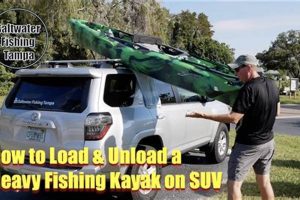
The practical implications of capacity extend beyond mere storage volume. Weight distribution and balance become critical, particularly in smaller vessels like kayaks. Overloading a kayak compromises stability and maneuverability, potentially leading to capsizing. Jon boats, while more forgiving in terms of weight distribution, still require careful loading to maintain optimal performance. Uneven weight distribution in a jon boat can affect handling, fuel efficiency, and overall safety. Consider the scenario of two anglers fishing from a jon boat. Positioning themselves and their gear evenly distributes weight, maintaining balance and efficient handling. In a kayak, carrying excessive gear elevates the center of gravity, increasing the risk of instability. Practical considerations such as transporting gear to and from the launch site also influence capacity decisions. Transporting a fully loaded jon boat often requires a trailer and appropriate towing vehicle, adding to the logistical complexity. Kayaks, being more portable, can often be transported atop a vehicle or even carried by hand, simplifying logistics, particularly for anglers with limited access to boat ramps or trailers.
Capacity, therefore, constitutes a critical consideration in the jon boat versus kayak debate. Evaluating individual needs and fishing styles alongside capacity limitations informs appropriate vessel selection. Jon boats excel in accommodating multiple passengers and substantial gear, while kayaks prioritize portability and a minimalist approach. Understanding these capacity trade-offs empowers anglers to make informed decisions aligning with their specific fishing goals and logistical constraints. Ultimately, thoughtful consideration of capacity contributes significantly to a safe, efficient, and enjoyable fishing experience.
4. Water Accessibility
Water accessibility represents a critical differentiator between jon boat and kayak fishing, significantly impacting the range of fishable waters. Jon boats, typically requiring deeper water and boat ramps for launch and retrieval, possess inherent limitations regarding access to shallow, secluded, or obstructed waterways. Kayaks, conversely, due to their smaller size and portability, grant access to a broader spectrum of aquatic environments. This expanded accessibility includes shallow creeks, small ponds, and areas inaccessible to larger, motorized craft. The portability of kayaks allows for launch and retrieval from virtually any shoreline, circumventing the need for developed boat ramps. This difference significantly expands fishing opportunities, particularly in areas with limited infrastructure or where shallow-water species are targeted. For instance, a small, secluded pond nestled amidst dense vegetation might be readily accessible to a kayak but entirely inaccessible to a jon boat.
Practical implications of differing water accessibility extend beyond simply reaching a fishing spot. Consider navigating a shallow, winding river choked with fallen logs. A kayak, easily maneuvered around obstacles, provides access to prime fishing locations within these confined environments. A jon boat, restricted by its size and draft, might find navigation impossible, limiting fishing opportunities to more open areas. Furthermore, water accessibility influences fishing strategies. Kayaks, due to their quiet, non-motorized approach, allow for stealthy fishing in shallow waters, ideal for stalking wary species in their natural habitat. Jon boats, while offering greater speed and range, may inadvertently spook fish in shallow, clear waters. Therefore, anglers prioritizing stealth and access to secluded areas often favor kayaks, while those prioritizing range and open-water fishing prefer jon boats. This distinction underscores the importance of considering water accessibility when choosing between a jon boat and a kayak.
In summary, water accessibility serves as a key determinant in the jon boat versus kayak fishing debate. Kayaks, offering greater portability and access to shallow, confined waters, expand fishing possibilities beyond the reach of jon boats. This enhanced accessibility influences fishing strategies, species targeting, and the overall fishing experience. Anglers must carefully evaluate their target fishing environments and desired level of accessibility when selecting between these two distinct watercraft. Understanding these nuances empowers informed decision-making, ultimately maximizing fishing opportunities and enhancing the overall angling experience.
5. Propulsion (motor/paddle)
Propulsion methods represent a fundamental distinction between jon boat and kayak fishing, profoundly influencing fishing styles, accessible fishing grounds, and the overall angling experience. Jon boats typically employ outboard motors, offering significant advantages in speed and range. This motorized propulsion allows anglers to cover vast distances quickly, advantageous when exploring expansive bodies of water or searching for active fish across diverse locations. Conversely, kayaks rely on human-powered paddling. While lacking the speed of motorized craft, paddle propulsion offers distinct advantages in stealth and maneuverability. The quiet nature of paddling minimizes disturbance to the aquatic environment, crucial for approaching wary fish in shallow waters or navigating confined spaces without spooking potential catches. For instance, a motorized jon boat might struggle to approach shallow, vegetation-rich areas without disturbing the water and alerting fish, while a kayak can navigate these environments silently and effectively.
The practical implications of propulsion choice extend beyond simply reaching a fishing spot. Motorized jon boats excel in trolling, allowing anglers to cover extensive areas while presenting lures at varying depths and speeds. This technique proves particularly effective for targeting pelagic species or covering large expanses of water in search of active fish. Kayaks, while less suited for trolling long distances, excel in techniques requiring precise boat control, such as drifting downstream or maintaining position in current. Paddle propulsion allows for subtle adjustments to position and speed, crucial for presenting lures effectively in specific locations or maintaining a natural drift. Consider a scenario involving fishing in a swift-flowing river. A kayak, maneuvered precisely with paddle strokes, allows an angler to maintain position and effectively present lures in prime feeding lanes. A motorized jon boat, while capable of navigating the current, might struggle to maintain precise positioning without constant motor adjustments, potentially disrupting the natural flow and alerting fish.
In summary, propulsion serves as a defining characteristic in the jon boat versus kayak fishing comparison. Motorized jon boats prioritize speed and range, enabling efficient coverage of large bodies of water and facilitating techniques like trolling. Kayaks, relying on paddle propulsion, emphasize stealth and precise maneuverability, advantageous in shallow waters, confined spaces, and situations requiring subtle boat control. Understanding the strengths and limitations of each propulsion method allows anglers to select the watercraft best suited to their target species, fishing style, and intended fishing environment. This informed decision ultimately enhances fishing effectiveness and contributes to a more rewarding angling experience.
6. Cost

Cost represents a significant factor influencing the choice between a jon boat and a kayak for fishing. Understanding the various cost components associated with each vessel type is crucial for informed decision-making and long-term budget management. Initial purchase price, ongoing maintenance expenses, and potential ancillary costs contribute to the overall financial commitment associated with each option. Careful consideration of these factors ensures alignment with budgetary constraints and facilitates a sustainable approach to fishing.
- Initial Purchase Price
The initial purchase price varies considerably between jon boats and kayaks. Jon boats, typically larger and constructed from aluminum, command a higher initial investment compared to kayaks, which are often smaller and made from more affordable materials like plastic. Motorized jon boats incur additional costs associated with the outboard motor, further increasing the initial financial outlay. Kayaks, being primarily human-powered, avoid this added expense. The price differential between basic models and those equipped with advanced features or specialized fishing accessories further influences the initial purchase cost for both vessel types. For example, a basic jon boat might cost several times more than a basic kayak, while higher-end models of both can reach significantly higher price points.
- Ongoing Maintenance and Storage
Ongoing maintenance and storage represent recurring costs impacting long-term ownership expenses. Jon boats, particularly those with motors, require regular maintenance, including engine servicing, hull cleaning, and potential repairs. Kayaks typically involve less demanding maintenance routines, primarily focused on cleaning and occasional repairs. Storage costs also differ, with jon boats often requiring larger storage spaces, potentially incurring fees for boat slips or trailer storage. Kayaks, due to their smaller size, offer greater storage flexibility, often stored at home, minimizing associated costs. For instance, annual motor maintenance for a jon boat can represent a substantial recurring expense, while kayak maintenance might be limited to occasional cleaning and minor repairs.
- Ancillary Costs
Ancillary costs associated with each vessel type contribute to the overall financial commitment. Jon boat ownership often involves expenses related to fuel, trailer registration and maintenance, and potential launch fees at boat ramps. Kayak ownership may incur costs associated with paddles, life vests, and specialized fishing accessories. Transporting a jon boat typically necessitates a vehicle capable of towing a trailer, potentially impacting vehicle purchase decisions. Kayaks, being more portable, often require less specialized transportation arrangements, reducing associated costs. These ancillary costs, while sometimes overlooked, can significantly impact the long-term affordability of each option. For example, frequent trips to distant fishing locations in a motorized jon boat can result in substantial fuel expenses.
- Resale Value
Resale value represents an important consideration in the long-term cost analysis of boat ownership. Jon boats, generally constructed from durable materials, tend to retain resale value better than kayaks, particularly those made from less durable plastics. However, the initial higher purchase price of a jon boat often offsets this advantage. Factors such as condition, age, and included accessories influence the resale value of both vessel types. Understanding the potential resale value informs purchasing decisions and allows for more accurate long-term cost projections. For instance, a well-maintained jon boat might retain a higher percentage of its initial value compared to a similarly maintained kayak, but the absolute dollar value difference might still favor the jon boat due to its higher initial cost.
In conclusion, understanding the comprehensive cost landscape associated with jon boat and kayak ownership enables informed decision-making. Evaluating initial purchase price, ongoing maintenance expenses, ancillary costs, and potential resale value empowers anglers to choose the vessel that best aligns with both their fishing aspirations and budgetary constraints. Recognizing these financial considerations ensures a sustainable approach to fishing and maximizes long-term enjoyment of the sport.
7. Maintenance

Maintenance requirements represent a crucial consideration when choosing between a jon boat and a kayak for fishing. Regular upkeep ensures vessel longevity, preserves performance, and contributes significantly to safety on the water. Understanding the specific maintenance demands of each vessel type informs purchasing decisions and facilitates responsible ownership.
- Jon Boat Maintenance
Aluminum jon boats, while generally durable, require regular maintenance to prevent corrosion and maintain structural integrity. This includes periodic cleaning to remove algae, barnacles, and other aquatic growth. Inspections for cracks, leaks, and loose rivets are essential for addressing potential issues promptly. If equipped with an outboard motor, regular engine servicing, including oil changes, spark plug replacements, and lower unit maintenance, is crucial. Trailers also require periodic maintenance, including wheel bearing lubrication, tire pressure checks, and light functionality verification. Neglecting these maintenance tasks can lead to costly repairs, reduced performance, and potential safety hazards.
- Kayak Maintenance
Kayaks, typically constructed from polyethylene or composite materials, require less demanding maintenance compared to jon boats. Regular cleaning with mild soap and water removes dirt, grime, and prevents the buildup of harmful UV-damaging residue. Inspections for cracks, scratches, and damage to hull fittings are essential for identifying potential issues early. Storage practices also influence kayak longevity. Storing kayaks out of direct sunlight and extreme temperatures prevents material degradation and prolongs lifespan. While generally requiring less frequent maintenance than jon boats, consistent upkeep ensures optimal kayak performance and extends its useful life.
- Maintenance Cost Comparison
Maintenance costs differ significantly between jon boats and kayaks. Jon boat maintenance expenses, particularly for motorized models, can be substantial due to engine servicing, trailer upkeep, and potential aluminum repairs. Kayak maintenance costs are generally lower, primarily involving cleaning supplies and occasional minor repairs. This cost disparity reflects the complexity of each vessel type and the associated maintenance demands. Budgeting for these ongoing maintenance expenses ensures responsible ownership and avoids unexpected financial burdens. For instance, the cost of a single outboard motor service can easily exceed the annual maintenance expenses of a kayak.
- Impact of Usage on Maintenance
Frequency of use and the type of water fished significantly impact maintenance requirements. Jon boats used frequently in saltwater environments require more diligent cleaning and corrosion prevention measures compared to those used primarily in freshwater. Similarly, kayaks subjected to rocky shorelines or frequent dragging require more frequent inspections and repairs. Adapting maintenance routines to reflect usage patterns ensures vessel longevity and minimizes the risk of damage. For example, a kayak frequently used in rocky coastal areas might require more frequent hull inspections and repairs compared to one used primarily in calm lake waters.
In summary, understanding the distinct maintenance needs of jon boats and kayaks informs responsible ownership and contributes to long-term cost management. While jon boats, especially motorized models, demand more extensive and potentially costly maintenance, kayaks offer simpler and generally less expensive upkeep. Considering these maintenance requirements alongside individual fishing styles and budgetary constraints facilitates informed decision-making and ensures a sustainable approach to enjoying the sport of fishing.
Frequently Asked Questions
This section addresses common inquiries regarding the choice between jon boats and kayaks for fishing, providing concise and informative responses to facilitate informed decision-making.
Question 1: Which option offers better stability in rough water conditions?
While jon boats generally exhibit greater initial stability, kayaks often possess superior secondary stability due to their hull design. Consider anticipated water conditions and individual comfort levels when evaluating stability requirements.
Question 2: Is a fishing license required for both jon boat and kayak fishing?
Licensing requirements depend on local regulations and may vary based on factors such as water body type, fishing method, and target species. Consulting local authorities ensures compliance with applicable licensing regulations.
Question 3: Which option is more suitable for solo fishing expeditions?
Kayaks, designed primarily for single occupancy, offer a streamlined and efficient platform for solo fishing. Jon boats, while capable of accommodating solo anglers, excel in group fishing scenarios due to their larger capacity.
Question 4: Which vessel type requires more storage space?
Jon boats, typically larger than kayaks, necessitate more substantial storage space. Kayaks, due to their smaller size and portability, often offer greater flexibility in storage arrangements.
Question 5: Which option is more environmentally friendly?
Kayaks, powered by human paddling, offer a more environmentally friendly approach compared to motorized jon boats. Motorized vessels contribute to noise and water pollution, while kayaks minimize environmental impact.
Question 6: Which option offers greater versatility in terms of fishing techniques?
Both options accommodate diverse fishing techniques. Jon boats excel in trolling and covering large areas, while kayaks offer advantages in stealth and maneuverability within confined spaces.
Careful evaluation of individual needs, fishing preferences, and budgetary constraints facilitates informed decision-making in selecting the appropriate fishing watercraft. Prioritizing specific criteria, such as stability, maneuverability, and cost, ensures optimal alignment between vessel type and angling objectives.
This concludes the FAQ section. The following section will offer a concluding comparison and summary of key considerations.
Jon Boat vs Kayak Fishing
Careful consideration of the “jon boat vs kayak fishing” dilemma reveals distinct advantages and disadvantages inherent in each vessel type. Jon boats offer increased stability, greater carrying capacity, and the efficiency of motorized propulsion, making them well-suited for open water, larger groups, and techniques like trolling. However, their size restricts access to shallow or confined waterways, and their higher purchase and maintenance costs represent significant financial considerations. Kayaks, conversely, excel in maneuverability and portability, granting access to a wider range of fishing environments while minimizing financial burden. Their limitations lie in reduced carrying capacity and reliance on human-powered propulsion, making them less suitable for long-distance travel or large groups. Ultimately, the optimal choice depends on individual fishing styles, target species, and budgetary constraints.
Choosing between a jon boat and a kayak represents a pivotal decision for anglers. Understanding the nuanced trade-offs inherent in each vessel type empowers informed choices aligned with specific fishing goals and preferences. This thoughtful evaluation process ensures a more rewarding and productive angling experience, fostering a deeper appreciation for the diverse possibilities within the sport of fishing.