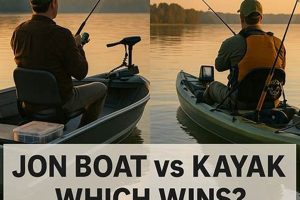
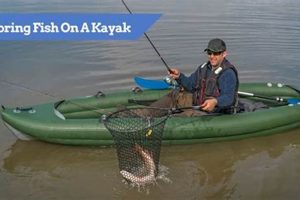
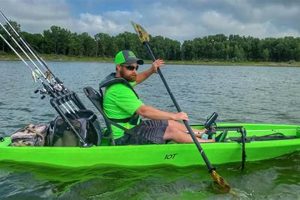
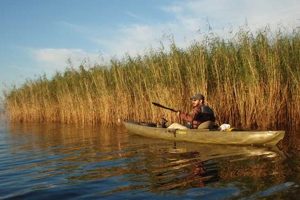
Targeting specific aquatic creatures from a kayak involves understanding the preferred habitats and behaviors of those creatures. For example, anglers pursuing cold-water species like trout might focus on areas with cooler currents and adequate oxygen levels, while those seeking warm-water fish like bass might target shallow, vegetated areas. The type of watercraft used provides a unique angle for approaching these habitats, often allowing access to shallow or otherwise difficult-to-reach locations.
This specialized approach offers several advantages. The stealth and maneuverability of kayaks grant anglers an edge, enabling them to approach fish without disturbing them. This method is also environmentally friendly, minimizing disturbance to aquatic ecosystems compared to motorized boats. Historically, smaller, human-powered vessels have played a crucial role in fishing practices across cultures, and the modern adaptation using kayaks continues this tradition while incorporating contemporary techniques and technology.
The following sections delve into specific strategies and considerations for successfully targeting various aquatic inhabitants from a kayak, covering topics such as equipment choices, location selection, and ethical fishing practices.
Tips for Targeting Fish from a Kayak
Successfully targeting specific aquatic life from a kayak requires careful planning and execution. These tips offer guidance for a productive and enjoyable experience.
Tip 1: Research Target Species: Understanding the habitat preferences and feeding patterns of the desired species is crucial. This knowledge informs location selection and lure choices.
Tip 2: Choose Appropriate Gear: Selecting the right kayak, paddle, and fishing gear enhances stability, maneuverability, and overall effectiveness. Rod length and action should be suited to the target species and fishing technique.
Tip 3: Prioritize Safety: Wearing a personal flotation device is paramount. Carrying a communication device, informing someone of the fishing plan, and being aware of weather conditions are also essential safety precautions.
Tip 4: Master Kayak Control: Practicing paddling techniques and maneuvering in various conditions allows for precise positioning and efficient navigation, especially in challenging environments like currents or wind.
Tip 5: Employ Stealth Tactics: Minimizing noise and movement is critical for approaching fish without startling them. Quiet paddle strokes and avoiding sudden movements increase the chances of a successful catch.
Tip 6: Utilize Appropriate Fishing Techniques: Different species and environments require specific fishing techniques. Mastering techniques like casting, trolling, or jigging from a kayak enhances effectiveness.
Tip 7: Practice Catch and Release: Handling fish carefully and employing proper release techniques ensures their survival and contributes to the long-term health of the fishery. Using barbless hooks facilitates a quicker and less damaging release.
By following these tips, anglers can maximize their chances of a successful and rewarding fishing experience from a kayak while prioritizing safety and environmental responsibility.
The information provided herein aims to equip anglers with the knowledge and strategies needed for a productive and enjoyable kayak fishing adventure.
1. Target Species

Targeting specific species forms the cornerstone of successful kayak angling. Species selection dictates location choice, equipment needs, and fishing techniques, ultimately shaping the entire angling experience from a kayak.
- Habitat Preferences
Different species thrive in specific habitats. Trout, for example, favor cool, oxygenated streams, while bass prefer warmer, vegetated waters. Understanding these preferences guides kayak anglers to productive locations and influences kayak selection, emphasizing maneuverability in tight spaces for river fishing versus stability in open water for lake fishing.
- Feeding Patterns
Knowledge of feeding patterns informs lure choices and retrieval techniques. Species that feed on insects near the surface might necessitate topwater lures and delicate presentations, while bottom-dwelling species require weighted lures and slower retrieves. Adapting techniques to the target species’ feeding habits significantly impacts success rates from a kayak.
- Species-Specific Gear
The targeted species often dictates the necessary fishing gear. Larger, more powerful species necessitate heavier rods, reels, and lines, impacting the choice of rod holders and kayak layout for efficient gear management. Conversely, smaller species allow for lighter, more finesse-oriented tackle.
- Conservation Considerations
Targeting specific species also involves understanding their conservation status and adhering to local regulations. Size and catch limits, seasonal closures, and specific tackle restrictions all contribute to responsible angling practices and maintaining healthy fish populations. Kayak anglers, due to their often close proximity to the environment, play a vital role in conservation efforts.
By carefully considering the target species’ habitat, feeding patterns, required gear, and conservation status, kayak anglers can optimize their approach, increasing their chances of a successful and responsible fishing experience. This informed approach contributes to both personal angling enjoyment and the long-term health of aquatic ecosystems.
2. Habitat
Habitat plays a crucial role in determining the distribution and behavior of aquatic species targeted by kayak anglers. Understanding the relationship between habitat and target species is essential for successful kayak fishing. This involves recognizing key habitat features that attract and sustain specific fish populations and how these features influence angling strategies from a kayak.
- Water Depth and Structure
Water depth and underwater structures like rocks, vegetation, and drop-offs significantly influence where fish congregate. Shallow, vegetated areas provide cover for ambush predators like bass, while deeper channels and drop-offs attract species seeking cooler temperatures or specific prey. Kayak anglers can leverage this knowledge to position themselves strategically, using the kayak’s maneuverability to access shallow areas or maintain position along depth contours.
- Water Temperature and Oxygen Levels
Water temperature and dissolved oxygen content are critical factors influencing fish distribution. Cold-water species like trout require highly oxygenated, cool water, often found in rivers and streams, whereas warm-water species like catfish tolerate lower oxygen levels and warmer temperatures. Kayak anglers must consider these factors when selecting fishing locations and adapting their techniques, recognizing that temperature fluctuations can impact fish activity levels and feeding patterns.
- Current and Water Flow
Current patterns and water flow influence fish behavior and foraging strategies. River currents create eddies and seams where fish concentrate to conserve energy while waiting for food to drift by. Kayak anglers can utilize the kayak’s maneuverability to position themselves effectively in these current breaks, presenting lures naturally within the flow. Understanding how currents affect baitfish movement is also crucial for successful angling.
- Vegetation and Cover
Aquatic vegetation and other forms of cover, such as submerged logs and overhanging trees, provide shelter and ambush points for predatory fish. Kayak anglers can use the kayak’s stealth to approach these areas quietly, presenting lures close to the cover to entice strikes. Understanding the types of vegetation preferred by different species enhances targeting efficiency and reduces the chances of snagging.
By considering these habitat factors, kayak anglers gain a crucial advantage in locating and targeting desired species. This understanding of habitat not only increases angling success but also promotes responsible fishing practices by minimizing disturbance to sensitive ecosystems. Adapting fishing techniques and kayak positioning based on habitat characteristics allows for a more informed and ultimately more rewarding angling experience.
3. Kayak Selection

Kayak selection significantly impacts the pursuit of specific aquatic species. The choice of kayak influences maneuverability, stability, and access to diverse fishing locations, directly affecting angling success and overall experience. Different kayak types offer distinct advantages and disadvantages depending on the target species and fishing environment.
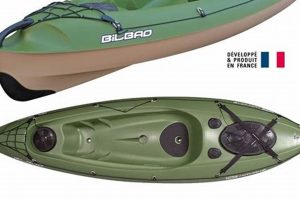
For instance, shorter, wider kayaks provide enhanced stability, making them suitable for calm lakes and ponds where anglers target species like bass or panfish. These stable platforms allow for stand-up fishing, providing better visibility and casting angles. Conversely, longer, narrower kayaks excel in rivers and streams, offering superior tracking and maneuverability for pursuing species like trout or salmon. Their streamlined design enables navigation through currents and tight spaces, facilitating access to prime fishing spots. Sit-on-top kayaks, known for their self-bailing capabilities, are ideal for warmer climates and near-shore ocean fishing, offering a stable and comfortable platform for targeting species like redfish or snook. Furthermore, specialized fishing kayaks often feature integrated rod holders, fish finders, and storage compartments, enhancing angling efficiency and organization.
Careful consideration of kayak characteristics, such as length, width, hull design, and available features, is paramount for maximizing angling effectiveness and enjoyment. Selecting a kayak appropriate for the target species and intended fishing environment ensures optimal performance, safety, and a rewarding experience on the water. A well-chosen kayak complements angling techniques and enhances overall success in targeting desired species.
4. Fishing Techniques
Fishing techniques employed from a kayak are intrinsically linked to the target species and their respective habitats. The effectiveness of a specific technique hinges on factors such as water depth, current, structure, and the species’ feeding behavior. Casting, trolling, jigging, and drifting are common techniques adapted for kayak fishing, each offering distinct advantages and challenges. For instance, casting lures or flies accurately from a kayak requires practice and balance, particularly in windy conditions or moving water. Targeting ambush predators in shallow, vegetated areas often necessitates precise casting to pockets within the cover.
Trolling involves dragging lures or bait behind a moving kayak, covering a wider area and effectively targeting pelagic species or fish holding at specific depths. Kayak anglers can control trolling speed and depth to match the target species’ preferences, utilizing the kayak’s maneuverability to follow contours or target specific structures. Jigging, a technique involving vertically presenting lures, proves effective for bottom-dwelling species or fish suspended in the water column. Kayak anglers can utilize fish finders to identify fish concentrations and then position the kayak directly above them for precise jigging presentations. Drifting, often employed in rivers or streams, allows anglers to cover water methodically, presenting bait or lures naturally within the current. Understanding how currents and structure influence fish positioning is crucial for effective drift fishing from a kayak.
Adapting these techniques to the target species’ behavior and the prevailing conditions is paramount for success. Mastering kayak control, maintaining stealth, and selecting appropriate tackle are integral components of effective kayak fishing techniques. Challenges specific to kayak fishing, such as limited space and the need for balance, necessitate refinement and adaptation of traditional techniques. Ultimately, the successful application of fishing techniques from a kayak enhances angling opportunities, providing access to diverse species and habitats while demanding precision, adaptability, and an understanding of the interplay between species, environment, and technique.
5. Safety Precautions

Safety precautions are paramount when targeting aquatic species from a kayak. The environment presents inherent risks, and specific species behaviors can exacerbate these dangers. For example, pursuing large, powerful fish like sturgeon or muskie from a kayak requires specialized equipment and heightened awareness due to the potential for capsizing or injury during the fight. Similarly, fishing in strong currents or near turbulent waters necessitates advanced paddling skills and safety measures beyond those required in calmer environments. Understanding the target species’ habits and potential reactions is crucial for anticipating and mitigating potential hazards.
Neglecting safety precautions can lead to severe consequences, including capsizing, entanglement with fishing gear, or encounters with dangerous wildlife. Wearing a personal flotation device (PFD) is non-negotiable, providing essential buoyancy in case of capsize. Carrying a communication device enables anglers to call for assistance in emergencies, while informing someone of the fishing plan and expected return time ensures prompt response if unforeseen issues arise. Furthermore, understanding weather patterns and avoiding fishing during storms or high winds significantly reduces the risk of accidents. Properly securing fishing gear within the kayak prevents entanglement and maintains stability, contributing to overall safety.
Prioritizing safety enhances the overall kayak fishing experience. A comprehensive understanding of potential risks associated with the target species and the environment allows anglers to make informed decisions, minimizing hazards and maximizing enjoyment. Careful planning, proper equipment, and continuous vigilance are essential for a safe and rewarding kayak fishing experience, ensuring the pursuit of aquatic species remains a sustainable and enjoyable activity. This proactive approach to safety fosters responsible angling practices and contributes to a positive and secure experience on the water.
6. Environmental Impact
The pursuit of kayak fish species carries inherent environmental implications, necessitating careful consideration of potential impacts. The activity’s increasing popularity requires a responsible approach to minimize disturbance to aquatic ecosystems and maintain healthy fish populations. Kayak angling, while generally considered less impactful than motorized boating, can still exert pressure on fish populations and their habitats. Improper fishing practices, such as discarding fishing line or damaging vegetation, contribute to pollution and habitat degradation. For example, discarded fishing line can entangle wildlife, leading to injury or death, while anchoring in sensitive areas can damage seagrass beds or coral reefs, disrupting vital habitats for various species. Furthermore, targeting vulnerable or endangered species without adhering to strict catch-and-release protocols can negatively impact their populations and overall biodiversity.
Minimizing environmental impact requires a proactive approach from kayak anglers. Practicing catch-and-release, utilizing barbless hooks, and handling fish carefully minimize stress and injury, increasing their chances of survival after release. Proper disposal of fishing line and other waste prevents pollution and protects wildlife. Avoiding sensitive habitats, such as spawning areas or seagrass beds, minimizes disturbance to critical ecosystems. Educating oneself about local regulations and best practices for sustainable angling further contributes to responsible kayak fishing. Organizations like the American Sportfishing Association provide resources and guidelines for minimizing environmental impact and promoting sustainable fishing practices. Choosing biodegradable fishing lines and eco-friendly lures further reduces the angler’s footprint. Moreover, participating in habitat restoration projects and supporting conservation initiatives demonstrates a commitment to preserving aquatic environments for future generations.
Understanding the connection between kayak fishing and its environmental impact is crucial for the long-term sustainability of the sport. By adopting responsible fishing practices and minimizing disturbances to aquatic ecosystems, kayak anglers can contribute to the preservation of healthy fish populations and the environments they inhabit. This awareness promotes a sustainable approach to kayak fishing, ensuring the enjoyment of the activity while safeguarding aquatic resources for the future. Challenges remain in balancing increasing participation with environmental protection, necessitating ongoing education, advocacy, and a collective commitment to responsible angling practices within the kayak fishing community.
7. Local Regulations
Local regulations play a crucial role in the sustainable pursuit of kayak fish species. These regulations, often tailored to specific bodies of water or regions, aim to protect fish populations, maintain biodiversity, and ensure equitable access for anglers. Regulations commonly address aspects such as catch limits, size restrictions, seasonal closures, and permitted fishing methods. For example, regulations might stipulate a daily catch limit for trout in a particular river, protecting the population from overfishing. Similarly, size restrictions ensure that younger fish reach maturity and contribute to reproduction, safeguarding the long-term health of the fishery. Seasonal closures often coincide with spawning periods, protecting vulnerable fish during critical life stages. Regulations regarding permitted fishing methods might prohibit certain types of gear or bait known to cause excessive harm to fish or the environment. Ignoring these regulations can lead to fines, suspension of fishing privileges, or even legal action, underscoring the importance of compliance. Accessing and understanding local regulations is essential for all kayak anglers. This information is typically available through local fish and wildlife agencies or online resources. Real-world examples demonstrate the impact of local regulations. In areas with well-enforced regulations, fish populations often exhibit greater stability and diversity compared to areas lacking such oversight. Conversely, disregard for regulations can lead to depleted fish stocks and ecosystem imbalances, impacting not only angling opportunities but also the overall health of the aquatic environment.
Understanding local regulations is not merely a legal obligation but also an ethical responsibility for kayak anglers. Compliance demonstrates respect for the environment and contributes to the sustainability of the sport. Furthermore, engaging with local angling communities and participating in conservation efforts fosters a sense of stewardship, promoting responsible fishing practices and ensuring future generations can enjoy the pursuit of kayak fish species. Practical applications of this understanding include researching regulations before each fishing trip, carrying a copy of the regulations while on the water, and seeking clarification from local authorities if uncertainties arise. This proactive approach ensures compliance and contributes to the preservation of aquatic resources. Challenges remain in effectively communicating and enforcing local regulations, particularly in remote areas or with transient angling populations. Collaborative efforts between governing bodies, local communities, and angling organizations are crucial for enhancing compliance and achieving sustainable management of kayak fish species.
In conclusion, local regulations are integral to the responsible pursuit of kayak fish species. Compliance with these regulations not only protects fish populations and their habitats but also ensures the long-term sustainability of the sport. Understanding and adhering to local regulations, combined with ethical angling practices and environmental awareness, are essential for preserving aquatic resources and ensuring future generations can enjoy the unique experience of kayak fishing.
Frequently Asked Questions
This section addresses common inquiries regarding targeting fish species from a kayak, offering concise and informative responses.
Question 1: What are the advantages of fishing from a kayak compared to other methods?
Kayaks offer stealth, maneuverability, and access to shallow or otherwise inaccessible waters, providing a distinct advantage when targeting specific fish species. Their smaller profile minimizes disturbance compared to larger, motorized vessels, increasing the likelihood of approaching fish without detection.
Question 2: What essential safety precautions should one take when kayak fishing?
Wearing a personal flotation device (PFD) is paramount. Informing someone of the fishing plan, including location and expected return time, is crucial. Checking weather conditions before departure and carrying a communication device are essential safety measures.
Question 3: How does kayak selection influence fishing success?
Kayak choice depends on the target species and fishing environment. Shorter, wider kayaks offer stability for calm waters, while longer, narrower kayaks excel in rivers and streams. Specialized fishing kayaks often feature integrated rod holders and other features enhancing angling efficiency.
Question 4: What are the environmental considerations associated with kayak fishing?
Minimizing environmental impact involves practicing catch-and-release, using barbless hooks, and properly disposing of fishing line. Avoiding sensitive habitats like spawning areas and adhering to local regulations are essential for responsible kayak fishing.
Question 5: How can one locate productive fishing spots from a kayak?
Researching target species’ habitat preferences, utilizing fish finders, and observing natural indicators such as bird activity or baitfish schools can help identify productive fishing areas. Local knowledge and exploring different locations also contribute to finding successful fishing spots.
Question 6: What are the essential items to include in a kayak fishing kit?
Essential items include a PFD, paddle, appropriate fishing rods and reels, tackle suited to the target species, a first-aid kit, communication device, and tools for cutting fishing line. Navigation aids, sun protection, and appropriate clothing are also recommended.
Careful consideration of these frequently asked questions enhances safety, promotes responsible angling practices, and contributes to a more informed and successful kayak fishing experience.
For further information on specific techniques and regional considerations, consult local angling resources and expert guides.
Conclusion
Successfully targeting aquatic species from a kayak requires a multifaceted approach encompassing species-specific knowledge, habitat awareness, appropriate kayak selection, refined fishing techniques, stringent safety precautions, and a commitment to minimizing environmental impact. Understanding local regulations is paramount for responsible and sustainable angling practices. Each element contributes to a rewarding and ethical pursuit, maximizing angling opportunities while preserving aquatic ecosystems.
The continued growth and evolution of kayak fishing necessitate ongoing education and adaptation. Anglers must prioritize conservation, ethical practices, and respect for the environment. Through responsible stewardship and informed decision-making, the pursuit of aquatic species from a kayak can remain a sustainable and enriching activity for generations to come.