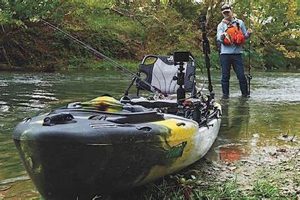
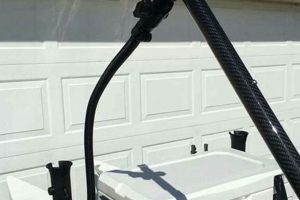
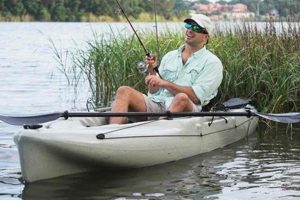
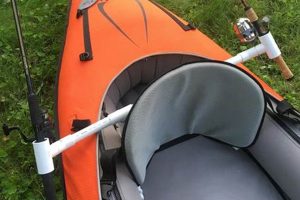
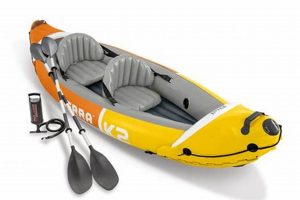
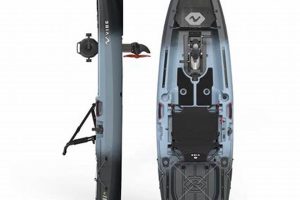
This type of watercraft, a kayak measuring 14 feet, is specifically designed for pursuing redfish in their shallow-water habitats. The “heritage” aspect often suggests a classic or traditional design, possibly incorporating elements from older kayak styles. Such vessels are typically constructed for stability and maneuverability in shallow estuaries, bays, and marshes where redfish thrive. They often feature specialized seating, storage for fishing gear, and mounting points for rod holders and fish finders.
A vessel of this size offers a balance between stability and maneuverability, beneficial in navigating the shallows and quickly changing directions while pursuing redfish. The length provides ample storage for fishing tackle and equipment, enabling anglers to carry all the necessities for a successful outing. Moreover, a stable and comfortable platform is essential for sight fishing and casting accurately, both crucial aspects of redfish angling. This specific type of kayak caters to the unique challenges and opportunities presented by this popular sport fish and its environment.
Understanding the design and purpose of this specialized fishing kayak allows for a deeper appreciation of the tactics and techniques employed in redfish angling. The following sections will explore optimal fishing locations, recommended gear, and effective strategies for landing these prized sport fish.
Tips for Fishing from a Kayak Designed for Redfish
Effective redfish angling from a kayak requires specialized knowledge and techniques. These tips offer guidance for maximizing success and enjoyment on the water.
Tip 1: Prioritize Stability: Weight distribution is crucial for kayak stability. Gear should be evenly distributed and secured to prevent shifting during movement. Low center of gravity enhances balance, especially in shallow, choppy water.
Tip 2: Master Shallow Water Navigation: Utilize a shallow-water anchor or stake-out pole to maintain position in currents or wind. Learning to use a paddle quietly and efficiently minimizes disturbance and maximizes stealth.
Tip 3: Optimize Tackle Selection: Light to medium tackle is generally preferred for redfish. Consider using lures and bait that match the local forage. Knowledge of local regulations regarding tackle and bait is essential.
Tip 4: Utilize Sight Fishing Techniques: Polarized sunglasses are indispensable for spotting redfish in shallow water. Approach fish slowly and cautiously, minimizing noise and disturbance to avoid spooking them.
Tip 5: Employ Effective Casting Techniques: Accurate casting is critical when targeting redfish in tight spaces. Practice casting from a seated position, focusing on accuracy and distance control. Consider using sidearm or underhand casts when necessary.
Tip 6: Practice Proper Fish Handling: Use appropriate tools for landing and releasing redfish, minimizing stress on the fish. Wet hands before handling fish to protect their slime coat. Revive fish thoroughly before release, especially in warmer water.
By adhering to these guidelines, anglers can enhance their chances of a successful and enjoyable redfish fishing experience from a kayak.
These tips contribute to not only angling success but also promote safe and responsible fishing practices. The subsequent section provides further details on essential gear and resources.
1. Length

The 14-foot length is a defining characteristic of this specific kayak type, directly influencing its performance and suitability for redfish angling. This length represents a compromise between maneuverability and stability, crucial factors in the shallow-water environments redfish inhabit. Shorter kayaks, while more agile, can be less stable, especially when casting or landing fish. Conversely, longer kayaks offer increased stability but sacrifice maneuverability in tight spaces, such as mangrove tunnels or shallow creeks. The 14-foot length seeks to provide an optimal balance, allowing anglers to navigate shallows effectively while maintaining a stable platform for fishing.
For example, navigating tight creeks and maneuvering through oyster beds, common redfish habitats, demands a kayak with a shorter turning radius. The 14-foot length allows for reasonable maneuverability in these confined areas, unlike longer touring kayaks that might prove cumbersome. Simultaneously, the length provides sufficient stability for standing and casting, a common practice in sight fishing for redfish in shallow, clear water. This balance allows anglers to effectively pursue redfish in their preferred habitats without compromising stability or control.
Understanding the implications of the 14-foot length is essential for selecting the right kayak for targeted redfish pursuits. This length directly contributes to the kayak’s stability, maneuverability, and overall performance in the shallow-water environments where redfish thrive. Consideration of this key attribute ensures anglers choose a vessel suited to the specific demands of redfish angling and enhances the likelihood of a successful and enjoyable fishing experience.
2. Style

The “heritage” designation within the description of a 14-foot redfish fishing kayak signifies more than mere aesthetics; it indicates a design philosophy rooted in tradition and functionality. This often translates to features inspired by classic kayak designs, emphasizing stability, durability, and a connection to the history of kayak fishing. While modern materials and construction techniques are typically employed, heritage-style kayaks often incorporate design elements reminiscent of older craft, such as flared bows, hard chines, and sometimes even wood or wood-look accents. This styling evokes a sense of classic craftsmanship and connects the angler to the rich history of the sport.
For instance, a heritage-style kayak might feature a shallow-arch hull design, providing excellent initial stability reminiscent of traditional fishing platforms. This stability is invaluable when sight-fishing for redfish in shallow water, allowing anglers to stand and cast with confidence. Furthermore, durable construction materials, such as rotomolded polyethylene, ensure the kayak can withstand the rigors of navigating oyster beds and shallow marshes, environments frequently inhabited by redfish. This robust build reflects the practical considerations of traditional kayak designs where longevity and dependability were paramount.
Appreciating the significance of the “heritage” designation provides insight into the kayak’s intended purpose and performance characteristics. It signifies a focus on stability, durability, and a connection to the historical roots of kayak fishing. While aesthetics play a role, the “heritage” style ultimately contributes to the kayak’s functionality and its suitability for the demanding environment of redfish angling. This understanding allows for a more informed selection process and a deeper appreciation of the design philosophy behind this specialized fishing craft.
3. Target fish

The designation “redfish” as the target species significantly influences the design and features of a 14 ft heritage fishing kayak. This specialization reflects the unique behaviors and habitat preferences of redfish, necessitating specific adaptations in kayak design to optimize angling success. Understanding these adaptations requires an examination of the redfish’s characteristics and how they intersect with the kayak’s features.
- Habitat Preference: Shallow Water and Structure
Redfish predominantly inhabit shallow coastal waters, estuaries, and marshes, often seeking cover around structures like oyster beds, mangrove roots, and submerged vegetation. This preference for shallow, structure-rich environments dictates the kayak’s design priorities. A stable hull, essential for navigating shallow water and standing to sight-cast, becomes crucial. Maneuverability in tight spaces is also paramount, enabling anglers to access areas where redfish congregate. The 14-foot length offers a balance between stability and maneuverability, well-suited for these challenging environments.
- Feeding Habits: Opportunistic Bottom Feeders
Redfish are opportunistic feeders, primarily foraging on crustaceans, small fish, and other bottom-dwelling organisms. This feeding behavior influences angling techniques and, consequently, kayak design. Anglers often employ techniques like bottom fishing with live bait or lures that mimic the redfish’s natural prey. The kayak’s stability enhances these techniques by providing a steady platform for casting and retrieving, while ample storage space accommodates the necessary tackle and bait.
- Fighting Ability: Strong and Tenacious
Known for their strength and tenacity, redfish provide an exciting challenge for anglers. A stable and robust kayak is crucial for handling these powerful fish, particularly in shallow water where they have an advantage. The kayak’s design must accommodate the stresses of fighting a strong fish, from the initial hookset to landing and release. Features like rod holders and strategically placed handles further assist in managing the fight and ensuring angler safety.
- Angling Techniques: Sight Fishing and Stealth
Sight fishing is a popular technique for targeting redfish in shallow, clear water. This requires a kayak that allows for a quiet approach and a stable platform for observing and casting to the fish. The heritage-style design, often prioritizing stability and a lower profile, can enhance stealth and improve sight-fishing opportunities. The quiet movement of a paddle or the use of a push pole further minimizes disturbance, maximizing the chances of a successful approach.
The convergence of these factors underscores the specialized nature of a 14 ft heritage redfish fishing kayak. Each design element, from its length and hull design to its storage capacity and stability, caters to the specific characteristics of the target species and its preferred environment. This specialized design maximizes the angler’s chances of success while providing a comfortable and efficient platform for pursuing these prized sport fish.
4. Activity
The “activity: fishing” designation within the context of a 14 ft heritage redfish fishing kayak highlights the vessel’s fundamental purpose and underscores the specific design considerations tailored for angling. This specialized activity dictates features beyond basic paddling, emphasizing functionality and performance in a fishing environment. The following facets illustrate the intricate connection between “fishing” and the kayak’s design.
- Casting and Retrieving
Fishing involves repeated casting and retrieving of lines, requiring a stable platform to maintain balance and accuracy. The kayak’s 14-foot length and heritage-inspired hull design contribute to stability, crucial for casting effectiveness, particularly in shallow water or when standing. Specialized rod holders, often integrated into fishing kayaks, further enhance casting efficiency and convenience.
- Tackle and Gear Storage
Anglers require ample storage for rods, reels, tackle boxes, bait, and other essential gear. A fishing kayak incorporates dedicated storage compartments, including dry hatches and bungee systems, designed to accommodate these items securely and accessibly. This organized storage system allows anglers to focus on fishing without the encumbrance of loose gear.
- Fish Handling and Landing
Successfully landing a fish requires specific design considerations. Features like a stable hull, strategically placed handles, and integrated measuring tools facilitate safe and efficient fish handling. These features not only benefit the angler but also minimize stress on the captured fish, promoting ethical catch-and-release practices.
- Navigation and Positioning
Effective fishing often involves navigating to specific locations and maintaining position against currents or wind. Fishing kayaks may incorporate features like anchor trolleys, stake-out pole mounts, and rudder systems to aid in precise positioning and maneuvering within the fishing environment. The kayak’s shallow draft allows access to shallow areas where redfish are often found.
These interconnected facets demonstrate how “activity: fishing” shapes the design and features of the 14 ft heritage redfish fishing kayak. Each element, from storage and stability to maneuverability and specialized equipment integration, contributes to a vessel optimized for angling success. This specialized design distinguishes a fishing kayak from recreational models, providing a platform tailored to the unique demands and rewards of the sport.
5. Vessel Type

The classification “Vessel type: Kayak” is fundamental to understanding the 14 ft heritage redfish fishing kayak. This categorization distinguishes it from other watercraft and highlights design elements specifically tailored for kayak fishing. Examining the facets of this vessel type reveals its suitability for pursuing redfish in their shallow-water habitats.
- Hull Design and Stability
Kayaks possess a unique hull design that contributes significantly to their performance in shallow water. The 14 ft heritage redfish fishing kayak likely features a stable hull configuration, perhaps a shallow-arch or flat-bottom design, promoting stability for casting and sight fishing. This stability contrasts with other vessel types like canoes or small boats, which may be less stable in shallow, dynamic environments. The specific hull design enhances the angler’s ability to stand, cast accurately, and maintain balance while fighting a fish.
- Propulsion: Paddle Power
Kayaks are typically propelled by paddles, offering distinct advantages for fishing. Paddle propulsion allows for quiet and precise maneuvering through shallow water and tight spaces, minimizing disturbance to fish and enabling access to secluded areas where redfish often reside. This method contrasts with motorized vessels, which can be noisy and disruptive, potentially spooking fish. The subtle nature of paddle propulsion enhances stealth and increases the likelihood of a successful approach.
- Shallow Draft and Maneuverability
Kayaks possess a shallow draft, allowing them to navigate extremely shallow waters inaccessible to larger vessels. This characteristic is crucial for pursuing redfish, which frequently inhabit shallow estuaries, creeks, and marshes. The 14-foot length of the heritage redfish kayak provides sufficient maneuverability within these confined spaces, allowing anglers to effectively explore prime redfish territory. This shallow-water capability is a defining advantage of kayaks in this specific fishing context.
- Customization and Adaptability
Kayaks offer a high degree of customization for fishing applications. The 14 ft heritage redfish fishing kayak likely features specialized accessories such as rod holders, tackle storage compartments, and anchor trolleys, specifically designed for angling. This adaptability allows anglers to tailor their vessel to the specific demands of redfish fishing, enhancing both efficiency and enjoyment on the water. This level of customization is less common in other vessel types, highlighting the versatility of kayaks for specialized fishing pursuits.
These facets collectively demonstrate the inherent suitability of a kayak for redfish angling. The 14 ft heritage design, within the broader context of “Vessel type: Kayak,” offers a specialized platform optimized for navigating shallow waters, approaching fish stealthily, and providing a stable fishing platform. These characteristics directly contribute to a more productive and immersive redfish fishing experience.
6. Hull Design

Hull design plays a pivotal role in a kayak’s performance, particularly in the context of fishing. For a 14 ft heritage redfish fishing kayak, a stability-focused hull is paramount, directly influencing its suitability for the shallow-water environments and fishing techniques commonly employed in pursuing redfish. A stable platform provides a crucial foundation for sight fishing, casting accuracy, and overall angler comfort and confidence.
- Shallow-Water Performance
A stability-focused hull design, such as a shallow-arch or flat-bottom hull, excels in shallow water, minimizing the risk of tipping or capsizing. This stability is essential for navigating shallow estuaries, creeks, and marshes where redfish thrive. For example, a wider, flatter hull provides a more stable platform when navigating through oyster beds or shallow grass flats compared to a narrower, V-shaped hull designed for speed in open water. This enhanced stability allows anglers to confidently explore these shallow habitats without compromising safety or performance.
- Sight Fishing Advantage
Sight fishing for redfish requires a stable platform for standing and casting. A stability-focused hull design enables anglers to stand upright and maintain balance while scanning the water for fish and making accurate casts. This advantage is particularly relevant in clear, shallow water where redfish are often visible. A less stable hull would hinder the angler’s ability to stand comfortably and confidently, reducing sight-fishing effectiveness.
- Enhanced Casting Accuracy
Casting accuracy is crucial in redfish angling, often requiring precise presentations to entice wary fish. A stable hull minimizes unwanted movement during the casting motion, promoting greater accuracy and distance. For example, a stable platform minimizes swaying or rocking when making long casts or casting into the wind, resulting in more accurate placement of lures or bait. This enhanced casting accuracy increases the likelihood of hooking fish and contributes to overall angling success.
- Improved Fish-Fighting Control
Redfish are known for their strength and fighting ability. A stable hull provides a secure platform for battling these powerful fish, reducing the risk of capsizing or losing control during the fight. The stability allows anglers to apply appropriate pressure and effectively manage the fish during the retrieval process, increasing the chances of a successful landing. A less stable hull would compromise the angler’s control and increase the risk of losing the fish or even capsizing.
The stability-focused hull design of the 14 ft heritage redfish fishing kayak is integral to its overall effectiveness and suitability for this specific fishing application. The enhanced stability derived from this design directly contributes to shallow-water performance, sight-fishing advantages, improved casting accuracy, and increased control during fish fights. These factors collectively enhance the angler’s ability to successfully target and land redfish in their preferred habitats.
Frequently Asked Questions
Addressing common inquiries regarding kayaks designed for redfish angling provides clarity and facilitates informed decision-making. The following questions and answers offer insights into key aspects of these specialized vessels.
Question 1: What advantages does a 14-foot length offer for redfish fishing?
A 14-foot kayak provides a balance of stability and maneuverability ideal for navigating shallow redfish habitats. This length allows anglers to explore tight creeks and marshes while maintaining a stable platform for casting and sight fishing.
Question 2: What is the significance of the “heritage” style in a fishing kayak?
The “heritage” designation often signifies a design inspired by classic kayak styles, prioritizing stability and durability, often incorporating features reminiscent of traditional fishing boats.
Question 3: How does a stability-focused hull design benefit redfish anglers?
A stable hull is essential for sight fishing, allowing anglers to stand and cast with confidence. It also enhances casting accuracy and provides greater control when fighting strong redfish in shallow water.
Question 4: What specific features should one look for in a kayak designed for redfish fishing?
Key features include rod holders, ample storage for tackle and gear, a comfortable seating system, and a stable hull design suitable for standing and casting.
Question 5: What are the advantages of using a kayak over other vessel types for redfish fishing?
Kayaks offer stealthy access to shallow, secluded areas where redfish thrive. Their maneuverability and shallow draft allow anglers to navigate tight spaces inaccessible to larger boats.
Question 6: Are there any specific maintenance considerations for a kayak used in saltwater environments?
Regular rinsing with fresh water after each use helps prevent corrosion and prolongs the lifespan of the kayak, especially when used in saltwater. Proper storage out of direct sunlight also helps maintain the kayak’s integrity.
Understanding these key aspects empowers anglers to choose a kayak tailored to their specific needs and the unique demands of redfish angling.
The following section delves into specific product recommendations based on various angler preferences and budgets.
Conclusion
Exploration of the 14 ft heritage redfish fishing kayak reveals a specialized vessel tailored to the unique demands of pursuing this prized sport fish. The analysis highlighted the significance of the kayak’s length, contributing to balanced stability and maneuverability within shallow, vegetated environments. The “heritage” styling, often incorporating design elements from classic watercraft, signifies a focus on durability and functionality. Furthermore, examination of the stability-focused hull design emphasized its importance for sight fishing, accurate casting, and overall angler control. These interconnected features collectively create a platform optimized for navigating shallow waters, approaching fish stealthily, and effectively managing the challenges of redfish angling.
The pursuit of redfish from a kayak offers a unique connection to the natural environment and an intimate angling experience. Selecting specialized equipment, such as the 14 ft heritage redfish fishing kayak, enhances this experience and contributes to angling success. Continued exploration of innovative kayak designs and fishing techniques promises further advancements in the pursuit of these prized sport fish. Careful consideration of these factors empowers anglers to make informed decisions and maximize their enjoyment on the water.