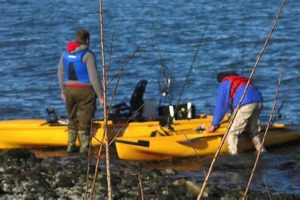
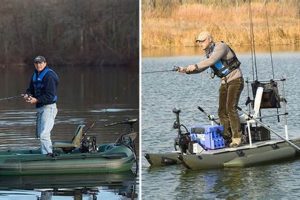
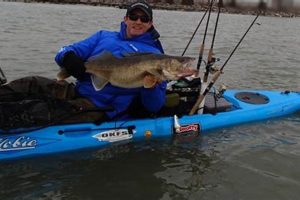
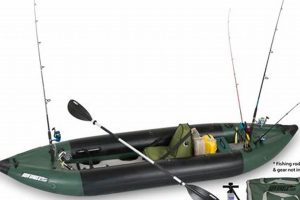
A high-quality, portable watercraft designed for anglers combines the convenience of inflatable design with features tailored for fishing. Such vessels typically include rod holders, storage compartments, and perhaps specialized seating or mounts for accessories. These kayaks provide a lightweight, easily transportable option for fishing in various bodies of water, from lakes and rivers to calmer coastal areas.
Compact portability and ease of setup make these ideal for anglers lacking storage space or desiring convenient transportation to remote fishing locations. The inflatable nature offers surprising stability and durability, often constructed from robust materials resistant to punctures and abrasion. This design allows anglers to access shallower waters and navigate tight spaces inaccessible to traditional, hard-hulled kayaks, expanding fishing opportunities. The evolution of these specialized vessels reflects a growing demand for versatile and convenient fishing equipment.
The following sections delve into specific aspects of these specialized fishing platforms, including construction materials, essential features, and recommended accessories. Further exploration will cover selection criteria, safety considerations, and proper maintenance techniques for optimal performance and longevity.
Tips for Utilizing Inflatable Fishing Kayaks
Proper usage and maintenance ensure optimal performance and longevity for inflatable fishing kayaks. These tips offer guidance for maximizing the benefits of this specialized equipment.
Tip 1: Inflate to the Recommended Pressure: Proper inflation is crucial for stability and tracking. Consult the manufacturer’s instructions for precise pressure recommendations and utilize a pressure gauge to ensure accuracy.
Tip 2: Distribute Gear Evenly: Balanced weight distribution enhances stability and maneuverability. Distribute fishing gear and other equipment evenly throughout the kayak, avoiding overloading.
Tip 3: Choose Appropriate Water Conditions: While durable, these kayaks are best suited for calmer waters. Avoid extremely rough conditions, strong currents, or areas with sharp underwater obstacles.
Tip 4: Utilize a PFD (Personal Flotation Device): Safety is paramount. Always wear a properly fitted PFD while on the water, regardless of perceived swimming ability.
Tip 5: Regularly Inspect and Clean: After each use, rinse the kayak with fresh water and thoroughly dry it before storage. Regularly inspect for any signs of wear, tear, or damage.
Tip 6: Store Properly: Avoid storing the kayak in direct sunlight or extreme temperatures. When folded, ensure it’s free of sharp objects that could cause punctures during storage.
Tip 7: Practice Basic Kayaking Techniques: Familiarize oneself with fundamental paddling strokes and maneuvering techniques before venturing into challenging waters.
Adherence to these guidelines enhances safety, improves performance, and extends the lifespan of inflatable fishing kayaks, allowing for enjoyable and productive fishing excursions.
These practical tips provide a foundation for successful outings. The subsequent conclusion summarizes key advantages and reinforces the versatility of these specialized kayaks for anglers.
1. Portability

Portability represents a defining characteristic of inflatable fishing kayaks, significantly influencing their appeal and practicality. Unlike rigid kayaks, inflatable models deflate and fold into compact packages, easily transported in vehicles with limited cargo space or carried to remote fishing locations inaccessible by larger watercraft. This portability expands angling opportunities, allowing access to secluded lakes, rivers, and coastal areas previously beyond reach. For instance, an inflatable kayak can be easily packed for a backpacking trip to a remote mountain lake, offering fishing experiences unavailable with traditional kayaks.
The practical significance of portability extends beyond simple transport. Reduced storage requirements are a major advantage for individuals living in apartments or smaller homes. The ability to deflate and store a kayak compactly eliminates the need for dedicated storage racks or outdoor space, making kayak ownership feasible for a broader range of anglers. Furthermore, the lightweight nature of inflatable kayaks simplifies handling, allowing effortless launching and retrieval from the water, even for individuals with physical limitations. This ease of use encourages more frequent fishing trips, enhancing overall enjoyment of the sport.
In summary, portability distinguishes inflatable fishing kayaks from traditional counterparts, expanding accessibility and broadening opportunities for anglers. Compact storage, ease of transport, and simplified handling contribute to the growing popularity of these versatile vessels. While factors like inflation time require consideration, the advantages of portability solidify inflatable fishing kayaks as a practical and appealing choice for both seasoned anglers and newcomers to the sport.
2. Stability

Stability is a critical performance attribute in inflatable fishing kayaks, directly impacting angler safety, comfort, and fishing effectiveness. A stable platform allows anglers to cast, reel, and land fish without compromising balance or risking capsizing. This is particularly crucial when fishing in moving water or challenging weather conditions. The following facets explore key elements contributing to stability in these specialized watercraft.
- Hull Design
Hull design plays a significant role in overall stability. Wider hulls generally provide greater initial stability, resisting tipping when stationary or during slow movements. A flatter hull bottom enhances primary stability, while a more rounded or V-shaped hull can improve secondary stability the ability to recover from a tilt. Inflatable kayak designs often incorporate multi-chamber construction and strategically placed tubes to maximize both primary and secondary stability, contributing to a secure and confident fishing experience. A wide, flat-bottom inflatable kayak, for example, offers excellent stability for standing casting, while a kayak with a slightly V-shaped hull might provide better performance in choppy water.
- Weight Capacity and Distribution
Weight capacity and its distribution significantly influence stability. Exceeding the manufacturer’s recommended weight capacity can compromise stability, increasing the risk of capsizing. Even within the weight limit, uneven weight distribution can negatively impact balance. Distributing gear evenly throughout the kayak, particularly heavy items, enhances stability and maneuverability. For instance, placing a tackle box in the bow and a cooler in the stern balances the load, optimizing stability compared to concentrating all weight in one area.
- Center of Gravity
The angler’s center of gravity plays a crucial role in maintaining balance. A lower center of gravity increases stability. Sitting lower in the kayak, especially during casting or reeling, enhances stability. Kayaks with lower seating positions inherently promote a lower center of gravity, contributing to a more stable platform. For example, an inflatable kayak with a recessed seating area provides a more stable fishing position compared to one with elevated seating.
- Water Conditions
Water conditions directly influence stability. Calm, flat water presents fewer challenges to maintaining balance. Wind, waves, and currents can destabilize a kayak, requiring greater focus on balance and paddle control. Choosing appropriate water conditions for one’s skill level and the kayak’s design is essential for safety and a positive fishing experience. A wide, stable inflatable kayak designed for calm lakes might be unsuitable for navigating fast-flowing rivers or choppy coastal waters.
Understanding these interconnected factors contributing to stability enables informed decisions regarding kayak selection, equipment placement, and appropriate fishing locations. Prioritizing stability ensures a safe, comfortable, and productive angling experience, maximizing the advantages of inflatable fishing kayaks in diverse aquatic environments.
3. Durability
Durability is a paramount consideration for inflatable fishing kayaks, directly impacting lifespan and overall value. These vessels must withstand abrasion from rocks, logs, and other environmental elements, as well as resist punctures from hooks, fishing gear, and underwater obstacles. Construction materials, manufacturing techniques, and user maintenance significantly influence durability. Kayaks constructed from multiple layers of heavy-duty PVC or other robust materials offer superior resistance to punctures and abrasion. Reinforced seams and high-frequency welding further enhance durability, ensuring long-term performance in demanding conditions. For example, a kayak constructed from thick, military-grade PVC with reinforced seams will likely withstand more abuse than one made from thinner, less robust materials. Choosing a kayak with a higher denier rating often indicates increased resistance to punctures and tears.
Beyond material selection, design features contribute to overall durability. Multiple air chambers provide redundancy in the event of a puncture, allowing the kayak to remain afloat while reaching shore. Protective layers or coatings on the bottom and sides can further shield against abrasion from dragging the kayak over rocks, gravel, or sandy beaches. Proper inflation and adherence to manufacturer guidelines regarding weight capacity also play a role in maintaining structural integrity and prolonging lifespan. Overinflation can stress seams and materials, while underinflation can increase the risk of damage from impacts. Regular cleaning and proper storage further contribute to long-term durability, preventing mildew, UV damage, and premature degradation of materials. For instance, storing a kayak inflated but out of direct sunlight, and properly cleaning it after each use with fresh water can significantly extend its lifespan.
Investing in a durable inflatable fishing kayak ensures reliable performance and long-term value. Understanding the factors influencing durability, from material selection and construction techniques to user maintenance practices, empowers informed purchasing decisions and promotes responsible kayak ownership. While initial cost may be a factor, the long-term cost savings associated with a durable kayak, avoiding frequent repairs or replacements, underscores the importance of prioritizing durability as a key selection criterion. This emphasis on durability ultimately enhances enjoyment and safety on the water, allowing anglers to focus on the sport of fishing with confidence in their equipment.
4. Specialized Features

Specialized features distinguish inflatable fishing kayaks from recreational models, enhancing their functionality and angler effectiveness. These features cater specifically to the demands of fishing, providing practical advantages that improve comfort, organization, and overall fishing success. Understanding these specialized features is essential for informed kayak selection and maximizing on-the-water performance.
- Rod Holders
Integrated rod holders are a hallmark of fishing kayaks. These secure mounts allow anglers to keep rods readily accessible while freeing hands for paddling, baiting hooks, or landing fish. Adjustable rod holders accommodate different fishing styles and rod lengths. Flush-mounted rod holders minimize interference with paddling, while adjustable or rotating holders provide versatility for various fishing techniques. For example, trolling requires different rod positioning than casting, highlighting the value of adjustable rod holders. Multiple rod holders further enhance versatility, allowing anglers to switch between different rods and tackle setups without cumbersome adjustments.
- Storage Options
Ample storage space is crucial for carrying essential fishing gear, including tackle boxes, dry bags, and other equipment. Dedicated storage compartments, often located within easy reach, keep gear organized and protected from water. These compartments might include sealed hatches, bungee cord systems, or mesh pockets. A large, watertight storage hatch can accommodate a tackle box and extra clothing, while smaller mesh pockets can hold frequently used items like pliers or sunscreen. Some models incorporate specialized storage for specific gear, such as anchor trolleys or fish finders, further enhancing organization and convenience.
- Seating and Positioning
Comfortable seating is paramount for extended fishing trips. Adjustable seating systems allow anglers to customize back support and legroom for optimal comfort. Elevated seating positions facilitate casting and improve visibility. Inflatable kayaks might feature adjustable inflatable seats or integrated backrests. An elevated seat with adjustable back support enhances comfort during long hours on the water, reducing fatigue and improving overall fishing experience. Some models offer specialized seating configurations designed for stand-up fishing, providing greater casting range and improved sight lines.
- Accessory Mounts
Accessory mounts, such as D-rings, tracks, or rails, provide attachment points for various fishing accessories. These mounts allow anglers to customize their kayaks with fish finders, GPS units, anchor trolleys, cameras, and other essential gear. Multiple strategically placed D-rings enable secure attachment of dry bags, coolers, or other equipment. Integrated accessory tracks provide versatile mounting options for a wide range of accessories, allowing anglers to tailor their kayak setup to specific fishing needs and preferences. For example, mounting a fish finder requires a stable platform and convenient access to power and transducer placement, highlighting the utility of well-designed accessory mounts.
These specialized features collectively contribute to the enhanced functionality and fishing effectiveness of inflatable fishing kayaks. By carefully considering these features during kayak selection, anglers can optimize their on-the-water experience, ensuring comfort, organization, and increased chances of fishing success. Comparing different models based on these specialized features and individual fishing preferences allows anglers to choose the kayak that best meets their specific needs and fishing style, maximizing enjoyment and success on the water. Furthermore, these features often justify the price difference between dedicated fishing kayaks and general-purpose inflatable models, highlighting the value they provide to serious anglers.
5. Affordability

Affordability significantly contributes to the appeal of inflatable fishing kayaks, expanding accessibility to a broader range of individuals. Compared to traditional hard-shell kayaks, inflatable models often present a lower initial investment, enabling more people to participate in the sport of kayak fishing. This reduced cost of entry can be particularly attractive to beginners or those exploring the activity before committing to a larger expenditure. For instance, an angler on a limited budget might find an inflatable kayak a viable option for accessing local waterways, while the cost of a comparable hard-shell kayak could be prohibitive. The relative affordability of inflatable options allows individuals to prioritize essential fishing gear and accessories, enhancing their overall experience without exceeding budgetary constraints.
Beyond the initial purchase price, affordability extends to reduced maintenance and storage costs. Inflatable kayaks require minimal upkeep compared to hard-shell models, eliminating expenses associated with repairs, specialized storage racks, or transportation trailers. This can be particularly advantageous for individuals with limited storage space or those residing in apartments. For example, an inflatable kayak can be easily stored in a closet or under a bed, eliminating the need for a dedicated storage space and associated costs. Furthermore, the compact nature of inflatable kayaks allows transportation on standard vehicle roof racks or even within the vehicle itself, minimizing the need for trailers or larger vehicles, further contributing to long-term cost savings. These factors collectively enhance the overall value proposition of inflatable fishing kayaks, particularly for budget-conscious anglers.
However, affordability should not be the sole determinant of kayak selection. While less expensive options might exist, prioritizing quality construction, durable materials, and essential features ensures long-term performance, safety, and overall enjoyment. A poorly constructed, inexpensive kayak might require frequent repairs or replacements, ultimately negating any initial cost savings. Careful consideration of materials, construction techniques, and included features balances affordability with long-term value. Ultimately, selecting an inflatable fishing kayak that aligns with individual budgetary constraints while maintaining acceptable quality and essential features ensures a positive and rewarding fishing experience without compromising safety or performance. This balanced approach allows anglers to enjoy the sport of kayak fishing without excessive financial burden, fostering accessibility and promoting participation in the activity.
Frequently Asked Questions
This section addresses common inquiries regarding specialized fishing kayaks of the inflatable variety. Clear, concise responses aim to provide comprehensive information for informed decision-making.
Question 1: How durable are inflatable fishing kayaks compared to traditional hard-shell kayaks?
While hard-shell kayaks generally offer greater inherent durability against sharp impacts, high-quality inflatable fishing kayaks constructed from robust materials like PVC or Hypalon demonstrate remarkable resistance to punctures, abrasion, and general wear. Reinforced seams and multi-chamber designs further enhance durability, providing comparable longevity with proper care and maintenance.
Question 2: Are inflatable fishing kayaks stable enough for standing casting?
Stability varies depending on design. Wider, flatter-bottom inflatable kayaks designed specifically for fishing often provide sufficient stability for standing and casting, especially in calm water conditions. However, anglers should always exercise caution and prioritize balance. Testing stability in shallow water before venturing into deeper areas is recommended.
Question 3: How easily can inflatable fishing kayaks be transported and stored?
Portability is a key advantage. These kayaks deflate and fold into compact packages, easily fitting within vehicle trunks or storage closets. Their lightweight nature further simplifies transport, eliminating the need for specialized trailers or roof racks often required for hard-shell kayaks.
Question 4: What features should one look for in a high-quality inflatable fishing kayak?
Essential features include multiple air chambers, durable construction materials, reinforced seams, integrated rod holders, ample storage compartments, adjustable seating, and strategically placed accessory mounts. Prioritizing these features enhances fishing functionality, comfort, and overall on-the-water experience.
Question 5: How much weight can an inflatable fishing kayak typically support?
Weight capacity varies depending on kayak size and design. Always consult manufacturer specifications for precise weight limits. Exceeding recommended capacity compromises stability and performance, potentially leading to unsafe conditions.
Question 6: Are inflatable fishing kayaks suitable for all water conditions?
While remarkably versatile, inflatable fishing kayaks are generally best suited for calm waters such as lakes, ponds, slow-moving rivers, and protected coastal areas. Extreme conditions, strong currents, or areas with sharp underwater obstacles should be avoided to minimize risk of damage or capsizing.
Understanding these key aspects ensures informed purchasing decisions and promotes safe, enjoyable kayak fishing experiences. Prioritizing quality, features, and appropriate usage maximizes the benefits of these versatile vessels.
The following section delves into essential accessories that enhance functionality and overall fishing success.
Star Inflatable Fishing Kayak
This exploration has highlighted the multifaceted nature of the star inflatable fishing kayak, emphasizing its unique blend of portability, stability, durability, specialized features, and affordability. From material construction and design considerations to essential accessories and practical usage tips, a comprehensive understanding of these specialized vessels empowers informed purchasing decisions and promotes responsible kayak ownership. The analysis underscored the importance of balancing cost-effectiveness with quality construction and essential features, ensuring both performance and longevity.
The rising popularity of star inflatable fishing kayaks reflects a growing appreciation for versatile, accessible angling platforms. As technology advances and designs continue to evolve, these innovative vessels promise to further enhance the fishing experience, expanding opportunities and connecting anglers with diverse aquatic environments. Careful consideration of individual needs, fishing styles, and intended usage scenarios remains paramount for maximizing the benefits and inherent value offered by these specialized kayaks. Ultimately, informed selection and responsible usage contribute not only to personal fishing success but also to the long-term preservation of the aquatic ecosystems these kayaks allow us to explore.