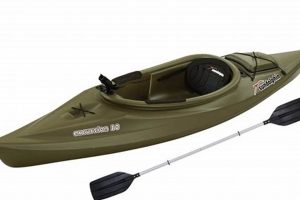
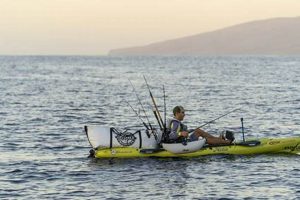
This activity involves angling from a small, human-powered watercraft in a specific Texas lagoon. The shallow-water environment presents unique opportunities for anglers to target species like redfish, speckled trout, and flounder. This method allows for quiet and stealthy access to areas inaccessible to larger, motorized boats, increasing the likelihood of encountering fish in their natural habitat.
The Lower Laguna Madre offers a rich ecosystem and diverse fishery, making it a popular destination. Its shallow depths and extensive seagrass beds provide ideal conditions for numerous game fish species. Paddling provides a low-impact, environmentally friendly way to experience this unique ecosystem. The historical significance of the area as a fishing ground adds another dimension to this activity, connecting anglers with a long tradition of harvesting the bounty of the Texas coast.
Exploring this activity further will delve into topics such as appropriate gear and tackle, effective fishing techniques specific to the environment, recommended launch sites, and relevant regulations designed to preserve the ecosystem. Additional information about seasonal fishing patterns, navigational considerations, and safety precautions will enhance the angler’s experience and ensure a responsible and enjoyable outing.
Tips for a Successful Outing
Preparation and awareness are crucial for a productive and enjoyable experience. The following tips offer guidance for maximizing success and minimizing potential challenges.
Tip 1: Understand Tidal Influences: Water levels and currents fluctuate significantly. Consulting tide charts prior to launching is essential for navigating shallow areas and locating feeding fish.
Tip 2: Utilize Appropriate Gear: Selecting tackle designed for the target species and environment is vital. Light to medium-weight rods, spinning reels, and artificial lures or live bait appropriate for speckled trout and redfish are recommended.
Tip 3: Employ Stealth Tactics: Quiet paddling and minimal noise are essential for approaching fish in the shallow, clear waters. Avoiding sudden movements and minimizing disturbances increases the chances of a successful hookup.
Tip 4: Prioritize Sun Protection: The Texas sun can be intense. Wearing appropriate clothing, including a wide-brimmed hat and long sleeves, along with utilizing high-SPF sunscreen, is crucial for preventing sunburn.
Tip 5: Stay Hydrated: Physical exertion combined with the heat requires consistent hydration. Bringing ample water or other electrolyte beverages is essential for maintaining energy levels and avoiding dehydration.
Tip 6: Respect Wildlife and Habitat: Practicing catch-and-release whenever possible helps preserve fish populations. Avoiding disturbing nesting birds and other wildlife contributes to maintaining the ecological balance of the area.
Tip 7: Check Weather Conditions: Wind and weather patterns can change rapidly. Monitoring forecasts before heading out and being prepared for unexpected changes is essential for safety and comfort.
Adhering to these guidelines ensures a safe and rewarding experience, maximizing angling success while minimizing environmental impact.
With these tips in mind, one can move forward with confidence, equipped with the knowledge to make the most of this unique fishing opportunity.
1. Shallow Water Access

Shallow water access represents a defining characteristic of kayak fishing in the Lower Laguna Madre. The shallow depths of this Texas lagoon, often averaging only a few feet, create a unique ecosystem teeming with fish species like redfish, speckled trout, and flounder. These shallows, frequently interspersed with seagrass beds and oyster reefs, provide both habitat and foraging grounds for these fish, making them prime targets for anglers. Kayaks, due to their small size and shallow draft, excel in navigating these areas, granting access unavailable to larger, motorized boats. This advantage allows anglers to quietly and effectively target fish within these productive shallow-water zones. For example, kayaks can silently glide over shallow grass flats, allowing anglers to sight-cast to redfish tailing in mere inches of water or drift along oyster bars where speckled trout ambush prey.
The ability to navigate shallow water expands fishing opportunities considerably. While deeper channels hold fish, the shallows offer a different dynamic. During warmer months, these areas become prime feeding grounds, drawing fish to the abundant food sources. In cooler months, shallows can offer refuge from temperature fluctuations in deeper water. Consequently, shallow water access enhances the likelihood of encountering fish throughout the year. This access also translates to a more immersive fishing experience, allowing anglers to observe fish behavior in their natural habitat. Furthermore, it minimizes disturbance to the environment compared to motorized vessels, contributing to the sustainability of the fishery.
Shallow water access forms a cornerstone of the kayak fishing experience in the Lower Laguna Madre. This access not only increases the probability of successful angling but also fosters a deeper connection with the natural environment. Challenges associated with navigating shallow water, such as wind drift and potential grounding, can be mitigated through careful planning, tidal awareness, and the use of appropriate navigational aids. Ultimately, understanding and utilizing this access unlocks the full potential of kayak fishing in this unique and productive ecosystem.
2. Targeted Species Diversity
Targeted species diversity represents a significant advantage of kayak fishing within the Lower Laguna Madre. This estuarine environment supports a rich variety of game fish, including redfish, speckled trout, flounder, black drum, and sheepshead. The diverse habitat, comprising seagrass beds, oyster reefs, and shallow flats, provides niches for these different species, creating abundant fishing opportunities. Kayak anglers can tailor their approach based on the target species, enhancing the overall fishing experience. For example, sight-casting with artificial lures proves effective for speckled trout in clear, shallow flats, while using live or cut bait near oyster reefs increases the likelihood of hooking black drum or sheepshead. This adaptability distinguishes kayak fishing from other angling methods restricted by accessibility or equipment limitations.
The diverse array of target species adds depth and complexity to kayak fishing in the Lower Laguna Madre. Anglers can pursue specific species based on preference, seasonal availability, or the challenge they present. Redfish, known for their powerful runs and acrobatic fights, offer a thrilling experience. Speckled trout, prized for their table fare, provide a culinary reward. The opportunity to target multiple species within a single outing enhances the overall experience and ensures a dynamic fishing adventure. This diversity also allows anglers to experiment with different fishing techniques, expanding their skill set and knowledge of the ecosystem. Furthermore, the presence of various species underscores the ecological health and productivity of the Lower Laguna Madre.
Understanding the targeted species diversity inherent within the Lower Laguna Madre ecosystem enhances the kayak fishing experience. Anglers equipped with knowledge about preferred habitats, feeding patterns, and effective fishing techniques for each species can maximize their success. This knowledge, combined with the adaptability afforded by kayak fishing, allows for a tailored and rewarding angling experience. Challenges related to specific species, such as seasonal migrations or specific bait preferences, can be overcome through research and local knowledge. Ultimately, appreciating the targeted species diversity expands the potential for a memorable and fulfilling fishing trip in the Lower Laguna Madre.
3. Stealth and Stability
Stealth and stability represent critical factors influencing success in kayak fishing within the Lower Laguna Madre. The shallow, clear waters of this environment necessitate a quiet and non-intrusive approach. Fish in these waters are easily spooked by excessive noise or overt movement. Kayaks, offering inherent stealth capabilities, allow anglers to approach fish undetected, increasing the likelihood of successful hookups. Stability is equally important. A stable platform enables anglers to cast, reel, and land fish effectively without compromising balance or safety, particularly in the presence of wind or currents.
- Reduced Noise and Disturbance
Kayaks produce minimal noise compared to motorized boats. The absence of engine noise, vibrations, and wake allows anglers to approach fish without alarming them. This quiet approach is particularly crucial in shallow water where sound travels easily. For example, paddling smoothly instead of splashing allows closer proximity to fish, while avoiding sudden movements prevents startling them.
- Low-Profile Approach
The low profile of a kayak further enhances stealth. Sitting close to the waterline reduces visibility and minimizes shadows, making the angler less conspicuous to fish. This is especially advantageous in clear water conditions where fish have excellent visibility. Anglers can blend seamlessly with the surrounding environment, maximizing their chances of remaining undetected.
- Stable Casting Platform
Stability facilitates accurate and controlled casting. A stable kayak allows anglers to maintain balance while casting, particularly with two-handed rods or when using heavier lures. This stability translates to greater precision and distance, crucial for targeting specific areas or reaching fish holding in deeper pockets.
- Secure Fish Handling
A stable kayak is essential for handling fish safely and effectively. Landing larger fish requires careful maneuvering and balance. A stable platform minimizes the risk of capsizing or losing control during the fight, ensuring both the angler’s safety and the successful retrieval of the catch. This stability also aids in releasing fish unharmed, contributing to conservation efforts.
The combination of stealth and stability contributes significantly to the effectiveness of kayak fishing in the Lower Laguna Madre. These attributes enhance the angler’s ability to approach fish undetected, present lures accurately, and manage fish effectively, culminating in a more productive and enjoyable fishing experience. While inherent in kayak design, both stealth and stability can be further optimized through technique and equipment choices, such as using a drift sock for added stability or selecting paddles designed for quiet operation. This integration of design, technique, and environment highlights the specialized nature of kayak fishing in this unique Texas ecosystem.
4. Essential Gear Selection

Appropriate gear selection significantly impacts the success and enjoyment of kayak fishing in the Lower Laguna Madre. This environment presents unique challenges and opportunities, necessitating careful consideration of equipment choices. Effective gear enhances angling performance, ensures safety, and contributes to a more comfortable and productive experience. The following facets highlight key equipment considerations.
- Rods and Reels
Rods and reels tailored to the target species and fishing techniques are essential. Lightweight to medium-weight spinning or casting rods paired with appropriately sized reels provide versatility and control. Shorter rods, typically 6-7 feet, are advantageous in the confined space of a kayak. Reels spooled with braided line offer increased sensitivity and strength, crucial for detecting subtle bites and handling fish in structure-rich environments. For example, a 7-foot medium-power spinning rod with a 2500-size reel spooled with 20-pound braid is well-suited for targeting speckled trout and redfish.
- Tackle and Lures
Tackle selection depends on the target species and prevailing conditions. Artificial lures like topwater plugs, soft plastics, and spoons effectively imitate common prey items. Live bait, such as shrimp or finger mullet, can also be highly productive. A selection of hooks, weights, and leaders in various sizes accommodates different fishing scenarios. For instance, using a popping cork rig with live shrimp is a proven method for targeting redfish in shallow grass flats, while a weighted jighead tipped with a soft plastic shrimp imitation can entice speckled trout near oyster reefs.
- Safety Equipment
Prioritizing safety is paramount. A personal flotation device (PFD) is essential and should be worn at all times. A whistle, signaling mirror, and a waterproof VHF radio enhance safety and communication in case of emergencies. Carrying a first-aid kit addresses minor injuries. Navigation lights are necessary for low-light conditions or when fishing at night. Additionally, a paddle leash prevents losing the paddle in the event of a capsize.
- Kayak Accessories
Specialized kayak accessories enhance comfort and efficiency. A comfortable seat and adjustable footrests improve stability and reduce fatigue during long hours on the water. A rod holder secures rods while paddling or handling fish. A fish finder aids in locating fish and identifying underwater structure. An anchor or stake-out pole allows for stationary fishing in specific areas. A dry bag or waterproof storage container protects valuables and electronic devices. These accessories, while not strictly essential, contribute to a more comfortable and productive experience.
Careful gear selection tailored to the specific demands of kayak fishing in the Lower Laguna Madre ensures both safety and angling success. The considerations outlined above contribute to a more comfortable, efficient, and ultimately more rewarding experience. Choosing appropriate equipment allows anglers to fully immerse themselves in the unique challenges and rewards of this specialized fishing environment, maximizing their chances of success while prioritizing safety and responsible angling practices.
5. Environmental Awareness

Environmental awareness is paramount for sustainable kayak fishing practices within the Lower Laguna Madre. This delicate ecosystem thrives on a balance easily disrupted by irresponsible human interaction. Understanding the environmental impact of angling and adopting mindful practices ensures the preservation of this valuable resource for future generations. Minimizing ecological disruption maximizes both the immediate and long-term health of the fishery.
- Minimizing Disturbance
Kayaks offer a low-impact method of fishing, causing minimal disturbance to the environment compared to motorized vessels. However, mindful paddling practices further reduce potential disruption. Avoiding shallow areas with sensitive seagrass beds minimizes damage to these vital habitats. Quiet movements prevent startling fish and other wildlife. Respecting nesting areas of birds and other animals safeguards local fauna. Such considerations minimize the overall footprint of kayak fishing activities.
- Catch-and-Release Practices
Practicing catch-and-release whenever possible contributes significantly to preserving fish populations. Careful handling of fish minimizes stress and injury. Using appropriate hooks and tackle reduces the likelihood of deep hooking. Prompt release minimizes air exposure and handling time. These practices maximize the survival rate of released fish, promoting healthy and sustainable populations within the Lower Laguna Madre.
- Waste Management
Proper waste disposal is crucial for preventing pollution and maintaining water quality. Packing out all trash, including fishing line, hooks, and food wrappers, prevents debris from accumulating within the ecosystem. Disposing of waste responsibly onshore ensures that pollutants do not enter the water, protecting both aquatic life and human health. This mindful approach to waste management preserves the pristine nature of the Lower Laguna Madre.
- Habitat Preservation
Active participation in habitat preservation initiatives contributes to the long-term health of the Lower Laguna Madre. Supporting organizations dedicated to coastal conservation provides resources for habitat restoration and protection. Participating in cleanup events removes debris and pollutants from the environment. Advocating for responsible coastal development policies helps safeguard the ecosystem from harmful human activities. Such proactive engagement ensures the long-term viability of the fishery and the overall health of the ecosystem.
Integrating environmental awareness into kayak fishing practices within the Lower Laguna Madre ensures the sustainability of this valuable resource. Mindful angling minimizes environmental impact, preserves fish populations, and protects the delicate balance of the ecosystem. Adopting these practices ensures that future generations can continue to enjoy the unique angling opportunities offered by this exceptional environment.
6. Safety Precautions
Safety precautions are paramount for kayak fishing in the Lower Laguna Madre. The environment presents inherent risks mitigated through careful planning and preparation. Prioritizing safety ensures an enjoyable and incident-free experience, allowing anglers to focus on the rewarding aspects of fishing rather than managing preventable emergencies.
- Weather Monitoring
Unpredictable weather patterns necessitate constant vigilance. Checking marine forecasts before embarking and continuously monitoring conditions during the outing are essential. Sudden changes in wind speed and direction can create challenging paddling conditions and increase the risk of capsizing. Rapidly developing thunderstorms pose significant threats. Awareness of prevailing and forecast weather conditions allows for informed decisions regarding launch times, fishing locations, and the necessity of returning to shore.
- Personal Flotation Devices (PFDs)
Wearing a properly fitted PFD is non-negotiable. PFDs provide essential buoyancy in the event of a capsize, increasing the chances of survival. Even experienced swimmers can succumb to cold water shock or fatigue. A PFD significantly mitigates these risks, providing critical flotation and increasing visibility in the water. Selecting a PFD designed for paddling comfort and mobility enhances compliance and ensures unrestricted movement while fishing.
- Navigation and Communication
Navigational awareness and reliable communication are vital. Carrying a waterproof chart, compass, or GPS device aids in maintaining orientation and navigating safely. A charged VHF radio enables communication with the Coast Guard or other boaters in case of distress. Sharing float plans with someone onshore provides an additional layer of safety, alerting authorities if the angler does not return as scheduled. These measures ensure that assistance can be summoned quickly and efficiently in an emergency.
- Sun and Heat Protection
The intense Texas sun necessitates comprehensive sun protection. Wearing appropriate clothing, including a wide-brimmed hat, long-sleeved shirt, and sunglasses, minimizes sun exposure. Applying high-SPF sunscreen regularly protects exposed skin from sunburn. Staying hydrated by consuming ample water or electrolyte beverages prevents dehydration and heat exhaustion. These preventative measures maintain physical well-being and allow for prolonged, comfortable fishing sessions.
Adhering to these safety precautions significantly reduces risks associated with kayak fishing in the Lower Laguna Madre. Preparedness transforms a potentially hazardous outing into a safe and enjoyable experience. Prioritizing safety allows anglers to fully appreciate the unique angling opportunities this environment offers while minimizing the likelihood of preventable incidents. This proactive approach to safety underscores the importance of responsible angling practices within this dynamic coastal ecosystem.
Frequently Asked Questions
This section addresses common inquiries regarding kayak fishing in the Lower Laguna Madre, providing concise and informative responses to facilitate informed decision-making and enhance the overall angling experience.
Question 1: What are the primary target species in the Lower Laguna Madre?
Redfish, speckled trout, and flounder represent the most commonly sought-after species. Black drum, sheepshead, and other species also inhabit the area, offering diverse angling opportunities.
Question 2: Are motorized kayaks permitted within the Lower Laguna Madre?
Motorized kayaks are permitted; however, specific regulations may apply regarding horsepower limits and permitted areas. Consulting local authorities ensures compliance with current regulations.
Question 3: What are the optimal times to fish in the Lower Laguna Madre?
Fishing can be productive year-round; however, seasonal variations influence fish behavior and preferred habitats. Spring and fall generally offer favorable conditions with moderate temperatures and active fish. Tide changes and water temperature significantly influence fish activity.
Question 4: What essential safety equipment should one carry while kayak fishing?
A personal flotation device (PFD), whistle, signaling mirror, and a waterproof VHF radio are crucial safety items. A first-aid kit, navigation lights, and a paddle leash are also recommended.
Question 5: Are guided fishing trips available in the Lower Laguna Madre?
Numerous licensed guides offer specialized kayak fishing trips. Guided trips provide valuable local knowledge, enhance fishing success, and contribute to a safe and informative experience, particularly for those unfamiliar with the area.
Question 6: What environmental considerations are important for kayak anglers?
Minimizing environmental impact through catch-and-release practices, responsible waste disposal, and respect for sensitive habitats ensures the long-term health and sustainability of the Lower Laguna Madre ecosystem.
Understanding these key aspects contributes to a safer, more productive, and environmentally responsible kayak fishing experience in the Lower Laguna Madre. Pre-trip planning and thorough preparation maximize enjoyment and contribute to the preservation of this unique coastal resource.
For further exploration, the following section delves into recommended launch sites and access points within the Lower Laguna Madre, facilitating efficient trip planning and maximizing on-water time.
Kayak Fishing Lower Laguna Madre
Kayak fishing within the Lower Laguna Madre presents a unique opportunity to engage with a diverse and productive ecosystem. This activity requires careful consideration of several factors, including targeted species, appropriate gear selection, and essential safety precautions. The shallow-water environment necessitates a stealthy approach, facilitated by the inherent stability and maneuverability of kayaks. Environmental awareness and responsible angling practices are crucial for preserving the ecological integrity of this valuable resource. Understanding tidal influences, weather patterns, and local regulations further enhances the overall experience and contributes to a successful outing. Preparation, informed decision-making, and respect for the environment are fundamental to maximizing the rewards of kayak fishing within this dynamic coastal setting.
The Lower Laguna Madre offers a compelling destination for anglers seeking an immersive and rewarding experience. The fusion of skill, strategy, and environmental consciousness defines successful kayak fishing in this unique ecosystem. Continued exploration and responsible engagement ensure the preservation of this valuable resource for future generations, fostering a legacy of sustainable interaction with the natural world. This pursuit offers not merely a recreational pastime but an opportunity to connect with a rich natural heritage, underscoring the importance of preserving and respecting the delicate balance of the Lower Laguna Madre.