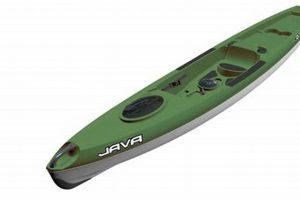
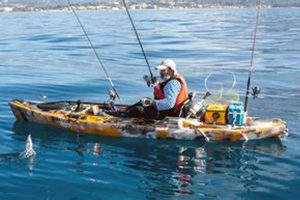
This activity involves angling from a small, human-powered watercraft in the waters surrounding Pine Island, Florida. It offers a unique blend of recreation and sport, allowing close-to-water access to diverse fish species in a variety of habitats, from shallow mangrove forests to open bays.
The shallow draft of kayaks grants access to areas unreachable by larger vessels, maximizing fishing opportunities. This method also provides a quiet, non-intrusive approach, enhancing the likelihood of successful catches. Historically, small boats have been integral to fishing practices in this region, reflecting the area’s enduring connection to its coastal ecosystems. The modern popularity of this sport demonstrates a continued appreciation for the intimate interaction with nature it affords.
This exploration will further elaborate on essential aspects such as suitable kayak types, effective fishing techniques, optimal locations around the island, necessary equipment, and relevant regulations. Additional information on safety precautions and environmental considerations will also be provided.
Tips for Kayak Fishing Around Pine Island
Successful outings require preparation and awareness. The following tips offer guidance for a productive and enjoyable experience.
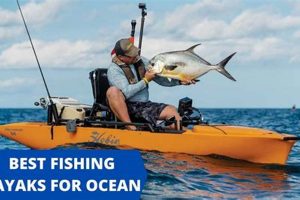
Tip 1: Choose the Right Kayak. Sit-on-top kayaks are generally preferred for their stability and ease of re-entry after a water landing. Consider models specifically designed for fishing, often equipped with rod holders and storage compartments.
Tip 2: Understand the Tides. Tidal flows significantly influence fish behavior. Consult tide charts and plan accordingly, focusing on areas with moving water during peak tidal periods.
Tip 3: Pack Essential Gear. Safety equipment, including a personal flotation device (PFD), whistle, and signaling device, is paramount. Essential fishing gear includes appropriate rods, reels, tackle, and bait or lures suited to target species.
Tip 4: Employ Effective Techniques. Techniques like drift fishing, anchoring, and trolling can be effective. Research successful methods for common Pine Island species like snook, redfish, and tarpon.
Tip 5: Respect Local Regulations. Obtain necessary fishing licenses and familiarize oneself with size and catch limits for various species. Adhere to all regulations concerning designated fishing zones and protected areas.
Tip 6: Prioritize Safety. Check weather conditions before embarking and avoid venturing out in inclement weather. Inform someone of intended fishing locations and estimated return time. Carry a communication device.
Tip 7: Practice Environmental Stewardship. Properly dispose of fishing line and other waste. Avoid disturbing sensitive habitats like seagrass beds and mangrove roots. Minimize impact on the natural environment.
Adhering to these guidelines enhances both safety and the likelihood of a rewarding fishing experience. Careful planning and responsible practices contribute to sustainable enjoyment of Pine Island’s aquatic resources.
These tips provide foundational knowledge for planning a successful fishing excursion. Further exploration of specific techniques, locations, and regulations will enhance preparedness and overall enjoyment.
1. Kayak Selection

Appropriate kayak selection is crucial for a successful and enjoyable fishing experience around Pine Island. The chosen vessel directly impacts stability, maneuverability, and access to diverse fishing locations. Careful consideration of various factors ensures optimal performance and safety.
- Stability
Stability is paramount, especially in shallow waters or areas with currents. Wider, flatter-hulled kayaks offer increased stability, minimizing the risk of capsizing while casting or reeling. This is particularly relevant in the often shallow mangrove areas around Pine Island.
- Maneuverability
Maneuverability influences the ability to navigate tight channels and access secluded fishing spots within the intricate mangrove ecosystems and shallow bays characterizing Pine Island’s waters. Shorter kayaks generally offer enhanced maneuverability compared to longer touring models.
- Storage Capacity
Adequate storage is essential for carrying fishing gear, tackle boxes, and safety equipment. Kayaks equipped with built-in storage compartments or the capacity to accommodate aftermarket accessories, like crates and rod holders, are advantageous for extended trips around the expansive waters of Pine Island.
- Propulsion System
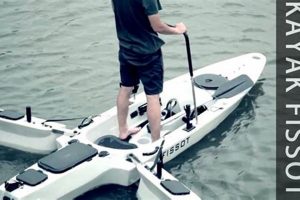
While paddle kayaks offer a traditional and quiet approach, pedal-driven kayaks provide increased speed and endurance, covering more ground. This can be advantageous when exploring the larger bays and waterways surrounding Pine Island. The choice depends on personal preference and the intended fishing areas.
Ultimately, the ideal kayak for fishing around Pine Island balances stability, maneuverability, and storage capacity according to individual needs and target fishing locations. Informed selection enhances both safety and the overall fishing experience. A stable, maneuverable, and well-equipped kayak allows anglers to fully focus on the pursuit of their targeted species, maximizing the enjoyment of this unique fishery.
2. Fishing Locations

Effective angling around Pine Island hinges on selecting productive fishing locations accessible by kayak. The island’s diverse ecosystem presents a variety of habitats, each attracting specific fish species. Understanding these locations and their characteristics is crucial for a successful outing.
- Mangrove Tunnels and Creeks
The intricate network of mangrove tunnels and creeks provides sheltered habitats for species like snook, redfish, and snapper. Kayaks, due to their shallow draft, offer unparalleled access to these areas, allowing anglers to quietly approach fish often undisturbed by larger vessels. These areas are particularly productive during higher tides.
- Grass Flats
Shallow grass flats are prime feeding grounds for numerous species, including spotted seatrout, flounder, and pompano. Kayaks allow anglers to drift silently across these flats, presenting baits and lures naturally. Polarized sunglasses are essential for spotting fish in these shallow environments.
- Oyster Bars and Docks
Structures like oyster bars and docks attract fish seeking shelter and food. Kayaks offer the maneuverability to position precisely near these structures, maximizing fishing opportunities. Caution is advised to avoid damaging the kayak or disturbing the ecosystem.
- Open Bay Waters
While requiring more caution due to potential boat traffic and changing conditions, Pine Island’s open bay waters offer opportunities to target larger species like tarpon, cobia, and sharks. Knowledge of local currents and tides is critical when fishing these areas from a kayak.
Strategic selection of fishing locations based on target species, tides, and weather conditions significantly enhances the effectiveness of kayak fishing around Pine Island. Combining appropriate kayak selection with informed location choices maximizes opportunities for a rewarding fishing experience.
3. Target Species
Angling success around Pine Island depends significantly on understanding the prevalent fish species and their respective habitats. Targeting specific species influences equipment choices, fishing techniques, and location selection. This knowledge enhances the likelihood of a productive and enjoyable kayak fishing experience.
- Snook
Snook, a prized game fish, inhabit mangrove shorelines, creeks, and passes around Pine Island. Their ambush predatory behavior necessitates lures and techniques that mimic the movements of baitfish. Knowledge of tidal flows is crucial for targeting snook effectively.
- Redfish (Red Drum)
Redfish, known for their powerful runs, frequent shallow grass flats, oyster bars, and mangrove edges. They readily take both live bait and artificial lures. Understanding their feeding patterns, often influenced by tides and water temperature, improves catch rates.
- Spotted Seatrout (Speckled Trout)
Spotted seatrout favor shallow grass flats and oyster bars. They respond well to a variety of lures and techniques. Matching lure color and size to prevalent baitfish enhances fishing success. Sight fishing for trout in clear, shallow water is a popular approach.
- Tarpon
Tarpon, a formidable game fish, migrate through Pine Island’s coastal waters. These large, acrobatic fish present a challenging angling experience. Specialized tackle and techniques are required to successfully hook and land tarpon. Locating their migratory paths and preferred feeding areas is essential.
Targeting these and other species within Pine Island’s diverse ecosystem necessitates tailored approaches. Combining knowledge of species-specific behavior with appropriate kayak fishing techniques and location selection leads to a more rewarding angling experience. Adapting strategies to match the target species maximizes the chances of success while contributing to the overall enjoyment of Pine Island’s unique fishery.
4. Essential Gear
Appropriate gear is fundamental to a safe and successful kayak fishing experience around Pine Island. The unique environment and targeted species necessitate specific equipment choices. Careful selection and proper utilization of essential gear contribute significantly to both angler safety and fishing effectiveness.
- Personal Flotation Device (PFD)
A properly fitted PFD is paramount for safety. State regulations mandate PFD usage, and inherent risks associated with open water environments underscore its importance. Choosing a comfortable, well-maintained PFD designed for kayaking allows unrestricted movement while fishing.
- Paddle/Pedal Propulsion System
Efficient propulsion is crucial for navigating Pine Islands diverse waters. Paddle selection depends on kayak type and individual preference. Pedal-driven kayaks offer hands-free operation, advantageous for fishing, but require specific kayak compatibility. Regular maintenance ensures optimal performance.
- Fishing Tackle and Equipment
Tackle selection depends on target species. Rods, reels, lines, hooks, lures, and bait should be chosen based on the intended catch. Species like snook and redfish necessitate specific tackle configurations. Proper storage and organization within the kayak maximize fishing efficiency.
- Safety and Navigation Equipment
Essential safety gear includes a whistle, signaling device, and communication device. A first-aid kit, sunscreen, and appropriate clothing are recommended. Navigation tools like charts, GPS devices, and a compass enhance safety and aid in locating productive fishing spots within Pine Islands complex waterways.
Effective kayak fishing around Pine Island relies heavily on appropriate gear selection and utilization. Prioritizing safety and choosing equipment tailored to the specific environment and target species optimizes the angling experience. Adequate preparation contributes significantly to a successful and enjoyable outing.
5. Safety Procedures
Safety procedures are paramount when kayak fishing around Pine Island. The environment presents inherent risks mitigated through careful planning and adherence to established safety guidelines. Ignoring these procedures can lead to serious consequences, impacting not only individual well-being but also potentially requiring emergency resources. A comprehensive understanding of these procedures is essential for a responsible and enjoyable fishing experience.
Pine Island’s waters, while generally calm, can experience rapid changes in weather and tidal currents. Sudden wind shifts or unexpected storms can create challenging conditions for kayakers, particularly in exposed areas. A strong understanding of local weather patterns and tide charts is crucial before embarking on any fishing trip. Carrying appropriate safety equipment, including a personal flotation device (PFD), a whistle, and a communication device, is non-negotiable. Informing someone of the intended fishing location and estimated return time further enhances safety, providing a point of contact in case of emergencies. Practical examples include checking weather forecasts, wearing a PFD consistently, and carrying a waterproof VHF radio for reliable communication.
Navigating the shallow waters and intricate mangrove systems around Pine Island also requires cautious navigation. Awareness of potential hazards, such as submerged obstacles and oyster beds, prevents damage to both the kayak and the angler. Carrying a spare paddle and understanding basic self-rescue techniques are prudent measures. Maintaining situational awareness, especially regarding boat traffic and changing environmental conditions, contributes significantly to overall safety. Ultimately, responsible adherence to safety procedures fosters a positive and secure kayak fishing experience, allowing anglers to fully appreciate Pine Islands unique natural environment while minimizing potential risks.
6. Local Regulations
Adherence to local regulations is integral to responsible kayak fishing around Pine Island. These regulations, established to protect fish populations and maintain the health of the ecosystem, directly impact fishing practices. Compliance ensures the sustainability of this valuable resource and contributes to the overall enjoyment of the activity. Regulations encompass licensing requirements, catch limits, size restrictions for specific species, and designated fishing zones. Ignoring these regulations carries potential legal consequences and negatively impacts the environment. For instance, exceeding catch limits for redfish depletes the breeding population, potentially impacting future fishing opportunities. Similarly, fishing in protected seagrass beds disrupts essential habitats, affecting various species beyond the targeted catch.
Understanding specific regulations applicable to kayak fishing within Pine Island’s waters is crucial. Resources such as the Florida Fish and Wildlife Conservation Commission (FWC) website provide detailed information on current regulations. Consulting these resources before embarking on a fishing trip ensures compliance and promotes responsible angling practices. Practical examples include obtaining the appropriate fishing license, adhering to size and bag limits for targeted species like snook or redfish, and respecting designated no-fishing zones established to protect sensitive habitats. Awareness of these specific regulations empowers anglers to contribute actively to the preservation of Pine Islands aquatic ecosystems.
Respecting local regulations contributes to the long-term health of Pine Island’s fisheries and surrounding environment. Compliance ensures the sustainability of this valuable resource for future generations. Integrating an understanding of these regulations into fishing practices enhances the overall experience, promoting responsible angling and contributing to the preservation of this unique ecosystem. Challenges include staying informed of regulatory changes and promoting awareness among the angling community. Addressing these challenges through education and accessible resources reinforces the vital connection between responsible angling and the continued vitality of Pine Island’s aquatic environment.
Frequently Asked Questions
This section addresses common inquiries regarding kayak fishing around Pine Island, Florida. Understanding these aspects enhances preparedness and contributes to a safer and more productive fishing experience.
Question 1: What are the essential safety precautions for kayak fishing around Pine Island?
Essential safety precautions include wearing a personal flotation device (PFD), carrying a whistle and signaling device, checking weather forecasts before embarking, informing someone of the intended fishing location and estimated return time, and being aware of tides and currents. Carrying a communication device, such as a VHF radio, is also highly recommended.
Question 2: What fishing license is required for kayak fishing in Pine Island?
A Florida saltwater fishing license is generally required. Specific license requirements vary based on residency and fishing activities. Consulting the Florida Fish and Wildlife Conservation Commission (FWC) website provides detailed information on licensing requirements.
Question 3: What are the best times to fish around Pine Island?
Fishing success often correlates with tidal movements. Incoming and outgoing tides typically create stronger currents, stimulating fish activity. Dawn and dusk often present optimal feeding periods. Understanding tidal patterns and species-specific behavior enhances fishing effectiveness.
Question 4: What are the common target species for kayak anglers around Pine Island?
Common target species include snook, redfish, spotted seatrout, tarpon, snapper, and flounder. Species presence varies depending on location and season. Researching target species and their preferred habitats improves the likelihood of successful catches.
Question 5: What type of kayak is recommended for fishing around Pine Island?
Sit-on-top kayaks are generally preferred for their stability and ease of re-entry if capsized. Kayaks specifically designed for fishing often feature built-in rod holders, storage compartments, and other specialized accessories. Consider stability, maneuverability, and storage capacity when selecting a kayak.
Question 6: Where can kayak launching sites be found around Pine Island?
Several public boat ramps and kayak launch sites exist around Pine Island. Consulting local maps and online resources identifies suitable locations. Respect private property and adhere to posted signage regarding launching and parking regulations.
Understanding these frequently asked questions provides a foundational understanding of key aspects of kayak fishing around Pine Island. Further research into specific techniques, regulations, and safety procedures enhances preparedness and ensures a responsible and rewarding fishing experience.
Beyond these frequently asked questions, further exploration of topics such as specific fishing techniques, recommended gear and tackle, and responsible angling practices will provide a more comprehensive understanding of kayak fishing opportunities around Pine Island.
Kayak Fishing Pine Island
Exploration of this activity reveals a rewarding pursuit demanding careful consideration of several factors. Successful angling hinges on appropriate kayak selection, strategic location choices based on target species and tidal influences, and adherence to safety regulations. Effective fishing necessitates species-specific knowledge and appropriate gear utilization. Respect for local ecosystems and adherence to fishing regulations ensure the sustainability of this valuable resource.
Kayak fishing around Pine Island offers a unique opportunity to connect with nature while enjoying a challenging and rewarding sport. Preserving this experience for future generations requires a commitment to responsible angling practices and continued stewardship of the region’s aquatic environment. Further exploration of specific techniques and locations enhances angling proficiency and fosters a deeper appreciation for the delicate balance within this dynamic ecosystem.