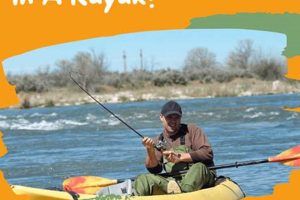
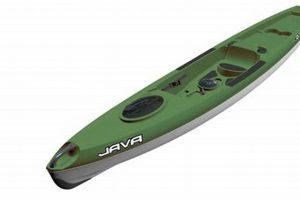
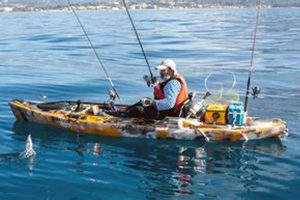
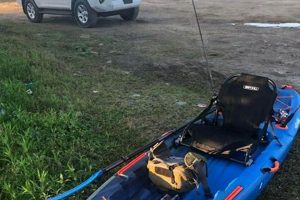
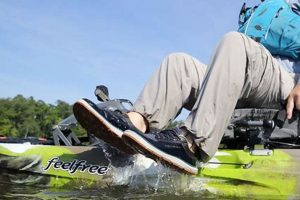
Online journals dedicated to the sport of angling from kayaks provide a wealth of information. These resources typically offer practical advice, equipment reviews, location guides, and personal narratives related to this specialized fishing method. For example, one might find articles comparing different kayak models suited for fishing, or detailed instructions on rigging a kayak for specific target species.
These online resources offer a significant benefit to both novice and experienced anglers. They create a community hub for sharing tips, techniques, and safety information, fostering a sense of camaraderie among enthusiasts. Historically, anglers relied on printed magazines and word-of-mouth for such knowledge. The digital age, however, has broadened access to this niche activity, allowing individuals to learn and connect more readily. This increased accessibility has likely contributed to the sport’s growing popularity.
The subsequent sections will delve into specific aspects of this increasingly popular pursuit, covering topics such as essential gear, effective fishing strategies from a kayak, and popular destinations for this unique angling experience.
Tips for Kayak Fishing
Effective kayak angling requires careful planning and specialized techniques. The following tips offer guidance for enhancing safety and optimizing fishing success.
Tip 1: Prioritize Stability: Kayak selection is paramount. Wider, more stable hulls are recommended, particularly for beginners. Consider stability needs when adding gear and equipment.
Tip 2: Master Paddle Control: Efficient paddling conserves energy and allows precise boat positioning. Learning basic strokes and maneuvering techniques is crucial for navigating currents and wind.
Tip 3: Organize Tackle and Gear: A well-organized kayak maximizes fishing efficiency. Utilize tackle boxes and storage solutions designed for kayak angling to keep essential equipment readily accessible.
Tip 4: Choose Appropriate Safety Equipment: A personal flotation device (PFD) is mandatory. Additional safety gear, such as a whistle, signaling mirror, and first-aid kit, should also be carried.
Tip 5: Understand Local Regulations: Research and adhere to local fishing regulations, including licensing requirements and catch limits.
Tip 6: Practice Catch and Release Techniques: Proper catch and release methods minimize stress on fish populations and contribute to sustainable angling practices.
Tip 7: Check Weather Conditions: Monitor weather forecasts before embarking on any kayak fishing trip. Avoid venturing out in inclement weather or strong winds.
By adhering to these guidelines, anglers can improve their safety, enhance their fishing experience, and contribute to the responsible enjoyment of the sport.
These tips provide a foundational understanding of kayak angling best practices. The concluding section will offer additional resources for continued learning and exploration.
1. Informative Content

Effective kayak fishing blogs rely heavily on informative content to attract and retain readership. This content provides value to anglers of all skill levels, from beginners seeking basic guidance to seasoned professionals looking for advanced techniques. The following facets illustrate the core components of informative content within this niche.
- Rigging and Tackle
Detailed explanations of rigging setups, including knot-tying techniques, lure selection, and rod/reel combinations, form a cornerstone of informative content. For example, an article might compare the effectiveness of different leader lines for specific fish species, or provide step-by-step instructions on rigging a Texas-rigged plastic worm. This type of content empowers anglers to improve their techniques and increase their chances of success on the water.
- Kayak Selection and Modification
Choosing the right kayak for fishing involves considering factors like stability, maneuverability, and storage capacity. Informative content might offer comparative reviews of different kayak models, highlighting their strengths and weaknesses for specific fishing styles. Guidance on modifications, such as installing fish finders, rod holders, or anchor systems, further enhances the reader’s understanding and ability to customize their kayak for optimal performance.
- Location-Specific Information
Sharing insights into productive fishing locations, including access points, water conditions, and prevalent species, provides significant value to anglers. This might involve detailed maps, GPS coordinates, or descriptions of underwater structures that attract fish. Ethical considerations, such as respecting private property and minimizing environmental impact, should also be emphasized.
- Safety Procedures and Best Practices
Promoting safe kayaking practices is paramount. Informative content should address essential safety measures, such as wearing personal flotation devices, carrying communication equipment, and understanding weather patterns. Articles might also cover self-rescue techniques and first-aid procedures specific to kayak fishing environments.
By focusing on these facets of informative content, kayak fishing blogs establish themselves as valuable resources for the angling community. This detailed and practical information empowers anglers to improve their skills, enhance their safety, and ultimately, enjoy a more rewarding experience on the water.
2. Community Engagement
Community engagement represents a crucial aspect of successful kayak fishing blogs. It fosters a sense of belonging and shared passion among enthusiasts, transforming individual experiences into a collective pursuit. This interaction elevates the blog beyond a simple information source, creating a dynamic hub for learning, discussion, and camaraderie. The following facets illustrate the core components of community engagement within these online platforms.
- Comment Sections and Forums
Active comment sections and dedicated forums provide platforms for direct interaction among readers and blog authors. Anglers can share their own experiences, ask questions, offer advice, and engage in discussions about specific techniques or locations. This exchange of information creates a valuable feedback loop, enriching the overall learning experience for everyone involved. For example, a reader might inquire about the best type of anchor for a specific kayak model, prompting responses from other readers with firsthand experience.
- Social Media Integration
Integrating social media platforms like Facebook, Instagram, and YouTube extends the reach of kayak fishing blogs and facilitates broader community engagement. Sharing blog posts, photos, and videos on these platforms creates opportunities for wider discussions and attracts new members to the community. Live Q&A sessions on social media can further enhance interaction and provide real-time feedback. This multi-platform approach builds a stronger sense of community and encourages active participation.
- Organized Events and Meetups
Organizing offline events, such as group fishing trips or kayak fishing tournaments, strengthens the bond among community members. These gatherings provide opportunities for face-to-face interaction, fostering stronger relationships and creating shared memories. Events can also be used to promote conservation efforts or raise awareness about important issues affecting the sport. The transition from online interaction to shared real-world experiences solidifies community ties.
- Collaborative Content Creation
Inviting guest bloggers, hosting reader-submitted content, or featuring interviews with prominent figures in the kayak fishing community fosters a sense of shared ownership and encourages active participation. This collaborative approach broadens the range of perspectives and expertise represented on the blog, enriching the content and fostering a more inclusive community environment. Examples include reader-submitted fishing reports, guest articles on specialized techniques, or interviews with local fishing guides.
By prioritizing these facets of community engagement, kayak fishing blogs cultivate a vibrant and supportive network of anglers. This interactive environment enhances the overall experience for individuals, fostering a deeper appreciation for the sport and strengthening the bonds that unite enthusiasts.
3. Gear Reviews
Objective evaluations of fishing equipment play a pivotal role within kayak fishing blogs. These reviews provide valuable insights for anglers seeking to make informed purchasing decisions. Detailed assessments of various products, from rods and reels to kayaks and electronics, empower readers to choose gear suited to their individual needs and fishing styles. This careful consideration of equipment contributes directly to enhanced angling success and overall enjoyment on the water.
- Rods and Reels
Reviews of rods and reels often focus on specific characteristics relevant to kayak fishing, such as shorter lengths for easier maneuverability and corrosion-resistant materials for saltwater environments. A review might compare the casting distance and sensitivity of different rod models or analyze the drag systems of various reels. This information allows anglers to select appropriate gear for targeted species and fishing techniques, maximizing their effectiveness on the water.
- Kayaks and Paddles
Kayak reviews often consider stability, tracking, and storage capacity, crucial factors for anglers. Reviews might compare the performance of sit-on-top versus sit-inside kayaks or analyze the efficiency of different paddle designs. This information assists anglers in choosing a kayak that balances comfort, stability, and maneuverability, crucial for a positive on-the-water experience.
- Fish Finders and Electronics
Reviews of fish finders, GPS units, and other electronic devices evaluate features like sonar capabilities, screen resolution, and battery life. A review might compare the performance of different transducer types or analyze the user-friendliness of various GPS interfaces. This information enables anglers to select electronics tailored to their specific needs, whether it be locating fish in deep water or navigating unfamiliar waterways.
- Safety Gear and Accessories
Reviews of personal flotation devices (PFDs), dry bags, and other safety equipment often prioritize factors like comfort, durability, and effectiveness in emergency situations. A review might compare the buoyancy and fit of different PFDs or analyze the waterproof capabilities of various dry bag models. This information empowers anglers to prioritize safety by selecting reliable and effective gear.
By providing thorough and unbiased gear reviews, kayak fishing blogs equip anglers with the knowledge necessary to invest in appropriate equipment. This informed decision-making process contributes significantly to enhanced safety, improved fishing performance, and a more fulfilling experience on the water. These reviews serve as a crucial resource within the broader ecosystem of information provided by these specialized blogs, enabling anglers to optimize their time and resources for maximum enjoyment of the sport.
4. Location Guides

Location guides constitute a cornerstone of effective kayak fishing blogs. These guides offer invaluable resources for anglers seeking new fishing spots or detailed information about familiar waters. The presence of comprehensive location guides significantly enhances a blog’s value proposition, attracting and retaining readers seeking localized expertise. This symbiotic relationship between location guides and kayak fishing blogs drives engagement and fosters a sense of community among anglers.
Effective location guides typically incorporate several key elements. Detailed maps, GPS coordinates, and descriptions of access points facilitate easy navigation to promising fishing areas. Information on prevalent fish species, optimal fishing times, and recommended tackle empowers anglers to maximize their chances of success. Furthermore, discussions of water conditions, currents, and potential hazards enhance safety and preparedness. For example, a location guide for a tidal river might explain how currents and tides influence fish behavior, suggesting ideal times for targeting specific species. Similarly, a guide for a mountain lake could describe optimal depths and water temperatures for trout fishing. The practical significance of this information is clear: anglers can utilize these insights to plan effective fishing trips, saving valuable time and resources.
The inclusion of location-specific information addresses a critical need within the kayak fishing community. Anglers often rely on local knowledge to identify productive fishing spots and navigate unfamiliar waterways. Location guides bridge this information gap, democratizing access to crucial insights. However, ethical considerations remain paramount. Guides should emphasize responsible fishing practices, including adherence to local regulations, respect for private property, and minimizing environmental impact. By balancing detailed information with a commitment to ethical angling, location guides serve as valuable resources for both experienced and novice kayak anglers. This careful approach strengthens the credibility of the blog and fosters a culture of responsible fishing within the community.
5. Safety Advice
Safety advice forms an integral component of responsible kayak fishing blogs. Given the inherent risks associated with on-the-water activities, these platforms bear a responsibility to disseminate accurate and comprehensive safety information. This focus on safety not only protects individual anglers but also cultivates a culture of responsible behavior within the broader kayak fishing community. Prioritizing safety reinforces the long-term sustainability of the sport.
- Personal Flotation Devices (PFDs)
Consistent emphasis on the mandatory use of PFDs is paramount. Blogs should explain the different types of PFDs available, highlighting factors such as fit, buoyancy, and intended use. Real-life examples of PFDs preventing fatalities underscore their importance. Clear explanations of proper PFD wear and maintenance further reinforce this critical safety message.
- Weather Awareness and Trip Planning
Educating anglers about the importance of checking weather forecasts before embarking on fishing trips is crucial. Blogs should explain how to interpret marine weather reports, identify potential hazards, and make informed decisions about postponing or cancelling trips. Examples of incidents caused by unexpected weather changes highlight the potential consequences of neglecting this aspect of safety. Guidance on creating float plans and notifying someone ashore about trip details further strengthens preparedness.
- Navigation and Communication
Kayak fishing blogs should provide guidance on essential navigation and communication equipment. This includes explaining the use of GPS devices, charts, compasses, and VHF radios. Real-life examples of successful rescues facilitated by effective communication underscore the value of these tools. Instructions on proper radio etiquette and emergency procedures further enhance safety preparedness.
- Self-Rescue and Emergency Procedures
Equipping anglers with knowledge of self-rescue techniques and emergency procedures is vital. Blogs should explain how to re-enter a kayak after a capsize, perform basic first aid, and signal for help. Examples of successful self-rescues demonstrate the practical application of these skills. Information on essential safety gear, such as whistles, signaling mirrors, and first-aid kits, further reinforces preparedness for unforeseen circumstances.
By consistently emphasizing these safety principles, kayak fishing blogs contribute significantly to risk mitigation within the sport. This focus on safety fosters a culture of responsible angling, protecting individual anglers while promoting the long-term sustainability of kayak fishing. The integration of practical advice, real-life examples, and clear explanations empowers anglers to make informed decisions, enhancing their safety and overall enjoyment on the water. This ultimately strengthens the value and credibility of kayak fishing blogs as reliable sources of information within the angling community.
Frequently Asked Questions
This section addresses common inquiries regarding kayak fishing, providing concise and informative responses to clarify potential uncertainties.
Question 1: What are the essential safety precautions for kayak fishing?
Essential precautions include wearing a personal flotation device (PFD), checking weather forecasts before embarking, informing someone of trip plans, carrying communication devices (e.g., VHF radio, cell phone in a waterproof case), and having essential safety gear such as a whistle, signaling mirror, and first-aid kit. Understanding self-rescue techniques and carrying a bilge pump are also recommended.
Question 2: What type of kayak is best suited for fishing?
Sit-on-top kayaks are generally preferred for their stability and self-bailing capabilities. Wider hulls offer greater stability, while longer kayaks provide better tracking. Specific features like rod holders, anchor trolleys, and storage compartments enhance fishing functionality. Individual preferences and fishing styles influence the ideal kayak choice.
Question 3: What essential gear is needed for kayak fishing?
Essential gear includes a paddle, PFD, appropriate fishing rods and reels, tackle box with lures and terminal tackle, anchor and anchor line, dry bag for personal items, and appropriate clothing for weather conditions. Additional accessories, such as a fish finder, GPS unit, and rod leash, enhance the fishing experience.
Question 4: How does one choose the right fishing location from a kayak?
Factors influencing location choice include target fish species, water conditions (e.g., tides, currents), accessibility (e.g., launch points), and local regulations. Researching online resources, consulting local fishing reports, and seeking advice from experienced anglers can aid in identifying suitable locations. Prioritizing safety and respecting environmental regulations are paramount.
Question 5: What are effective techniques for fishing from a kayak?
Effective techniques depend on the target species and the specific environment. Common methods include trolling, casting, jigging, and drift fishing. Adapting techniques to the kayak’s stability and maneuverability is essential. Understanding fish behavior and local conditions enhances fishing success.
Question 6: How can one transport a kayak for fishing?
Transportation options include roof racks, trailers, and truck beds. Proper securing methods are essential to prevent damage or accidents during transport. Factors influencing the choice of transport method include kayak size and weight, vehicle type, and storage capacity. Adhering to local traffic regulations regarding oversized loads is crucial.
Careful consideration of these frequently asked questions provides a foundation for safe and successful kayak fishing experiences. Addressing these common concerns empowers anglers to make informed decisions and enhance their enjoyment of the sport.
Further exploration of specific topics related to kayak fishing can be found in subsequent sections.
Conclusion
Kayak fishing blogs offer invaluable resources for anglers of all skill levels. These online platforms provide a wealth of information, ranging from practical tips on rigging and tackle selection to detailed location guides and comprehensive safety advice. The collaborative nature of these blogs fosters a sense of community, enabling anglers to connect, share experiences, and learn from one another. Objective gear reviews empower informed purchasing decisions, while insightful discussions of fishing techniques enhance on-the-water success. The emphasis on safety promotes responsible angling practices, contributing to the long-term sustainability of the sport.
The continued growth and evolution of kayak fishing blogs promise an even richer and more interconnected future for the sport. As technology advances and the community expands, these platforms will play an increasingly vital role in disseminating information, fostering camaraderie, and promoting safe and responsible angling practices. This ongoing development ensures that kayak fishing remains accessible, enjoyable, and sustainable for generations to come.